How Often a Bloodhound’s Teeth Need Brushing
Oh, the age-old question for us Bloodhound parents: "How often do I really need to brush those massive, jowly teeth?" It’s a chore that can feel daunting, given our hounds' often indifferent (or outright dramatic) reactions and the sheer volume of drool involved. But let's be honest, nobody wants to deal with stinky hound breath, painful dental disease, or the hefty vet bills that come with neglecting oral hygiene. This guide is all about giving you a realistic, comprehensive roadmap to keeping your Bloodhound's pearly whites (or at least, their mostly white-ish ones!) in tip-top shape.
The Ideal Scenario: Daily Brushing for Optimal Health
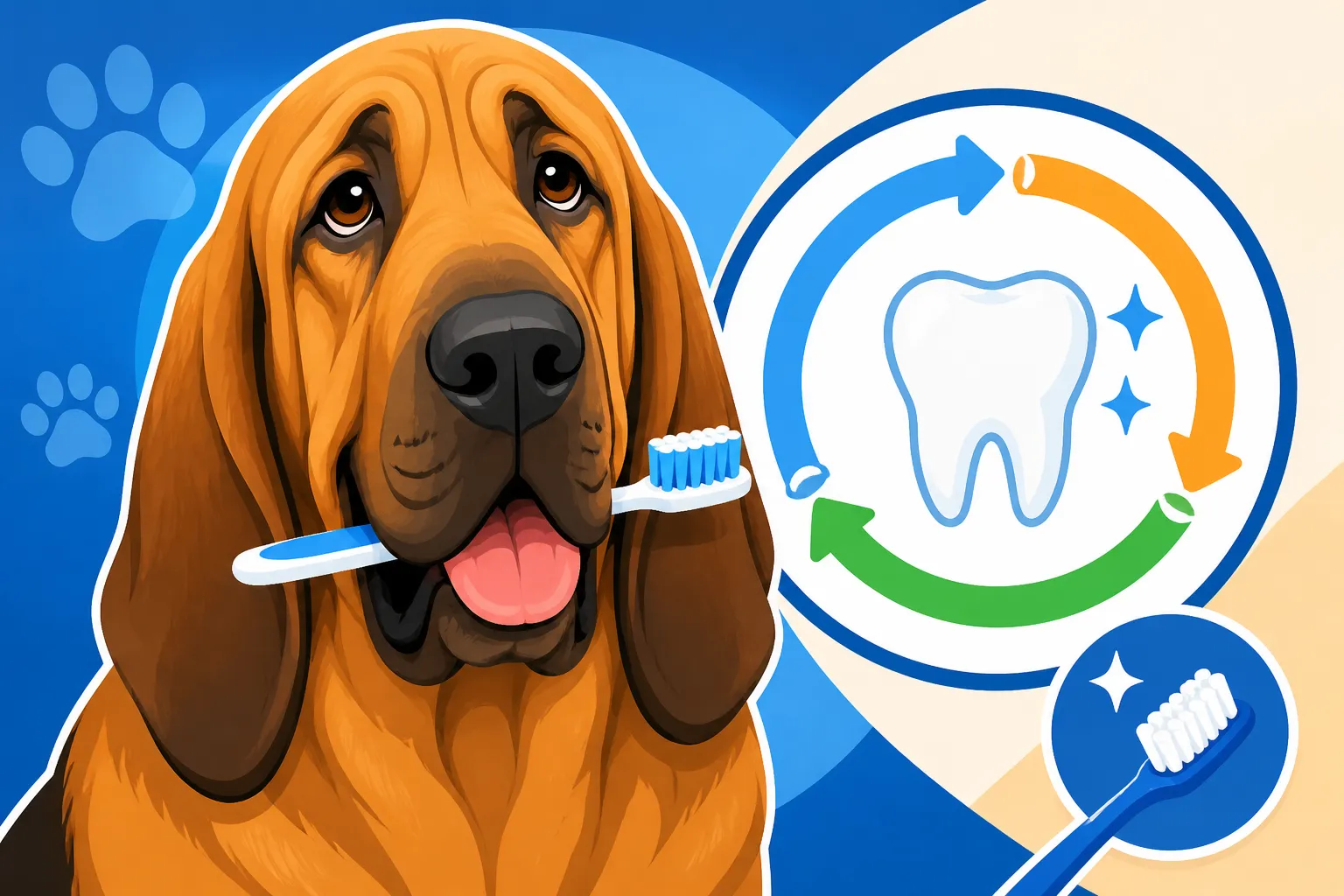
When we talk about canine dental care, the gold standard, the absolute best practice, is daily tooth brushing. I know, I know, you're probably picturing a wrestling match with your 100-pound drool machine, and a sigh escaping your lips. But from a purely veterinary and preventative health perspective, a daily brush is what truly keeps plaque at bay and prevents the cascade of problems that follow.
Why Daily Brushing is the Gold Standard for Bloodhounds
Think about it: we brush our own teeth every day, sometimes twice a day, to prevent cavities and gum disease. Our Bloodhounds aren't much different in terms of the biological processes happening in their mouths. Every time they eat, tiny food particles get trapped, especially in those magnificent jowls and deep gum pockets that are characteristic of the breed. These particles become a feast for bacteria, which quickly form plaque – that sticky, soft film you can feel on your own teeth if you skip brushing.
If that plaque isn't removed within 24-48 hours, it starts to mineralize and harden into tartar. Once tartar forms, you can't just brush it away; it's a job for the vet and their specialized tools. Tartar then pushes against the gums, leading to inflammation, redness, and eventually gingivitis. Left unchecked, this progresses to full-blown periodontal disease, where the gums recede, the bone supporting the teeth starts to erode, and teeth can become loose, painful, and eventually fall out. This isn't just about bad breath; it's about chronic pain, potential infections spreading to other organs, and a greatly reduced quality of life for your beloved hound. Our Bloodhounds, with their unique facial structure, often have mouths that are naturally predisposed to trapping more debris, making consistent care even more crucial. Remember, Everything on a Bloodhound Hangs Down and Has to Be Cleaned, and their mouths are certainly no exception!
Making Daily Brushing a Realistic Goal
Let's get real for a moment. Saying "brush daily" is easy, doing it consistently with a large, sometimes stubborn, and often incredibly scent-focused hound is another thing entirely. The key is to start early, make it a positive experience, and be patient. If you brought home a young Bloodhound, the puppy stage is the absolute best time to introduce them to tooth brushing. Even if they're still mouthing everything in sight, as a How Hard a Bloodhound Puppy Mouths, you can redirect that instinct to gentle gum and tooth handling. Start by simply touching their muzzle, then lifting their lips, then gently rubbing your finger along their gums. Pair this with high-value treats and calm praise.
Once they tolerate that, introduce a soft finger brush or a piece of gauze wrapped around your finger, again just gently rubbing. Work up to a proper dog toothbrush and enzymatic toothpaste (never human toothpaste, as it contains xylitol and fluoride which are toxic to dogs). Keep sessions short – literally 30 seconds to a minute is a win, especially in the beginning. Focus on the outside surfaces of the teeth, particularly the big canines and the molars at the back, as these are where plaque builds up most rapidly. Consistency, even for short durations, is more important than a perfect, long brush once a week. Building this routine when they're young can truly make it a non-event by the time they're adults.
When Daily Isn't Possible: Finding a Sustainable Schedule
Life happens. We get busy, our hounds are less cooperative than usual, or maybe you just didn't realize daily brushing was the ideal. If daily brushing feels like an insurmountable mountain, please don't throw in the towel entirely. Any brushing is better than no brushing, and finding a schedule you can realistically stick to is paramount.
The Minimum Frequency to Make a Difference
If daily brushing is simply not feasible for your household, aiming for at least three times a week is a good, solid goal. This frequency still makes a significant impact on disrupting plaque formation and preventing it from hardening into tartar. Studies show that even brushing every other day can drastically reduce plaque and gingivitis compared to brushing once a week or never.
The key is consistency within that chosen schedule. If you decide on Monday, Wednesday, and Friday, make it a ritual. Just like establishing any routine, whether it's How Long House Training a Bloodhound Puppy Takes or daily walks, consistency signals to your Bloodhound what to expect. They'll likely be less resistant when they understand it's part of their regular routine, not a random ambush. While it won't be as effective as daily, you'll still be actively combating dental disease and extending the time between professional cleanings.
Factors Influencing Brushing Frequency for Your Bloodhound
Not all Bloodhounds are created equal when it comes to dental health. Several factors can influence how often your individual hound might need their teeth brushed:
- Diet: The type of food your Bloodhound eats can play a role. While no kibble "cleans" teeth like brushing, some dental-specific diets are designed to provide a mild abrasive action or contain ingredients that help reduce plaque. A mostly wet food diet might leave more residue than kibble, potentially increasing the need for brushing. When considering What an Adult Bloodhound Eats, think about how that might impact their oral health.
- Genetics: Some dogs are simply more prone to dental disease than others, just like people. If your Bloodhound's parents had significant dental issues early in life, your hound might need more frequent home care.
- Age: Puppies might need less vigorous brushing, but it's crucial for habit formation. Older Bloodhounds, especially those who haven't had consistent dental care, often accumulate more tartar and might already have some degree of periodontal disease. For them, more frequent brushing can help manage existing issues and prevent rapid progression, though professional intervention is often necessary first. Consider their evolving needs when thinking about What Changes in an Old Bloodhound's Diet.
- Existing Dental Issues: If your Bloodhound already has gingivitis or early periodontal disease, your vet might recommend daily brushing more strongly to prevent it from worsening. Once disease is present, the focus shifts to management and slowing progression.
- Chewing Habits: While not a substitute for brushing, if your Bloodhound is an enthusiastic chewer of appropriate dental toys or chews, it can help with some mechanical cleaning. However, many Bloodhounds are not heavy chewers, or they destroy things too quickly for them to provide much benefit.
Beyond the Brush: Supplementary Dental Care for Bloodhounds
While brushing is king, it's not the only tool in your Bloodhound's dental care arsenal. Think of these as supportive measures that complement brushing, or help fill the gaps if daily brushing just isn't happening. They are absolutely not replacements for brushing or professional veterinary care, but they can make a difference.
Dental Chews and Water Additives
Many Bloodhound owners turn to dental chews as a convenient way to boost oral hygiene. These chews often contain enzymes that help break down plaque, or their texture is designed to scrape plaque off teeth as the dog chews. When selecting dental chews, it's crucial to pick ones appropriate for your Bloodhound's size and chewing style. A chew designed for a toy poodle isn't going to do much for a powerful Bloodhound jaw! Look for products from reputable brands, often available on platforms like Chewy or Amazon, and ensure they are specifically formulated for dental health. Always supervise your Bloodhound with dental chews to prevent choking or gulping large pieces. Remember, these are typically high-calorie treats, so factor them into your hound's daily food intake to avoid unwanted weight gain.
Water additives are another popular option. These liquids are simply added to your Bloodhound's drinking water and contain ingredients that can help reduce bacteria in the mouth and freshen breath. They work continuously throughout the day as your dog drinks. While they can be helpful for reducing overall bacterial load, they don't provide the mechanical scrubbing action that removes existing plaque like brushing does. They are best used as an addition to a dental routine, not as a standalone solution. Think of them as a daily rinse for your hound.
Professional Dental Cleanings and Vet Checks
No matter how diligent you are with home care, regular veterinary dental check-ups are non-negotiable for Bloodhounds. Just like we need our own dental cleanings, dogs also benefit from professional scaling and polishing. During these appointments, your vet will thoroughly examine your Bloodhound's mouth, check for any signs of disease, and recommend a professional cleaning under anesthesia if needed.
A professional dental cleaning involves scaling off all the hardened tartar above and below the gum line, polishing the teeth to smooth out any microscopic etches where plaque could adhere, and sometimes taking dental X-rays to assess the health of the tooth roots and jawbone. This procedure is done under general anesthesia, which sounds scary but is essential for a thorough, pain-free cleaning. Your vet will conduct pre-anesthetic bloodwork to ensure your Bloodhound is a good candidate, and careful monitoring is provided throughout. While the cost of A Bloodhound's Money Is Spent in the Operating Room for a full dental can be significant, especially if extractions are needed, proactive home care can significantly reduce the frequency and extent of these professional interventions. Sometimes, a planned dental cleaning can even be combined with other procedures, like asking Whether a Bloodhound's Dental Should Share the Gastropexy Anesthesia, to minimize anesthetic events.
The Tools of the Trade: What You Need for Bloodhound Dental Care
Having the right equipment can make the world of difference in your Bloodhound's dental care routine. Forget trying to use your own toothbrush; dogs need specialized tools designed for their unique mouths and chewing instincts.
Toothbrushes and Toothpaste Made for Dogs
When it comes to toothbrushes for Bloodhounds, you have a few options, and you might need to try a couple to see what works best for your hound and your hand.
- Finger Brushes: These soft, rubber brushes slip over your finger, offering excellent control and allowing you to feel exactly where you're brushing. They're often great for puppies or Bloodhounds just getting used to brushing, as they're less intrusive than a long-handled brush. You can find multi-packs on Chewy or Amazon easily.
- Long-Handled Pet Toothbrushes: These look more like human toothbrushes but have softer bristles, an angled head, and a longer handle designed to reach those far-back molars in a large dog's mouth. Look for double-headed brushes that can clean multiple surfaces at once.
- Enzymatic Toothpaste: This is the most crucial part! Never use human toothpaste. Dog toothpaste comes in flavors dogs love (like poultry, beef, or peanut butter) and contains enzymes that help break down plaque even after you've finished brushing. It's safe for them to swallow, unlike human toothpaste which is toxic if ingested. Brands widely available include Virbac C.E.T. or Petrodex, and you can usually find these in pet stores or through online retailers like Amazon.
Remember, the goal is to make the experience as pleasant as possible for your Bloodhound, so taste and comfort play a big role.
Incorporating Other Dental Aids
Beyond brushes and toothpaste, there are a few other items that can aid in your Bloodhound's oral hygiene:
- Dental Wipes: These pre-moistened pads are great for a quick wipe down of the teeth and gums. They're particularly useful for cleaning the front teeth, or for hounds who are very resistant to a full brushing. While not as thorough as a toothbrush, they can help remove surface plaque and freshen breath between deeper cleaning sessions.
- Oral Gels/Sprays: Some products come in a gel or spray format that you apply directly to your dog's gums or teeth. These often contain ingredients that help inhibit bacterial growth or break down plaque. They can be a good option for Bloodhounds who absolutely refuse a toothbrush, though their effectiveness is generally less than mechanical brushing.
- Antiseptic Rinses: Similar to water additives, these rinses can be used after meals or as a standalone treatment to reduce bacteria in the mouth. Your vet might prescribe a specific rinse if your Bloodhound has gingivitis or other oral infections.
Creating a robust dental care routine for your Bloodhound doesn't have to be a battle. By understanding the ideal frequency, finding a sustainable schedule, and leveraging the right tools and supplementary aids, you can keep your hound's mouth healthy, their breath fresher, and ultimately, contribute to their overall well-being. It's an investment in their comfort and your peace of mind.
| Method | Recommended Frequency | Primary Benefit | Notes for Bloodhounds |
|---|---|---|---|
| Brushing with Pet Toothpaste | Daily (ideally), 3x/week (minimum) | Mechanically removes plaque, prevents tartar | Most effective; focus on outside surfaces and molars; start young; use enzymatic toothpaste. |
| Dental Chews | Daily to a few times a week | Reduces plaque/tartar buildup through chewing | Choose appropriate size and texture for large breeds; supervise always; consider calorie count. |
| Water Additives | Daily | Reduces bacteria in drinking water, freshens breath | Supplemental only; doesn't replace brushing; good for overall oral hygiene support. |
| Dental Wipes/Gauze | Daily (for surface cleaning) | Surface cleaning, fresh breath, quick clean-up | Good for puppies, sensitive hounds, or quick touch-ups; less thorough than brushing. |
| Oral Gels/Sprays | As directed, often daily | Inhibits bacterial growth, fights plaque | Good alternative for hounds resistant to brushing; less mechanical action. |
| Professional Dental Cleaning | Annually/Biennially (as vet advises) | Thorough scaling, polishing, sub-gingival cleaning, X-rays | Essential for removing hardened tartar; frequency reduced with diligent home care. |
Disclaimer
This article is for general informational purposes only and does not constitute professional advice. Laws, prices and regulations vary by location and change over time. Consult a qualified professional for guidance on your specific situation.