Whether a Bloodhound Should Sleep in the Bedroom
The idea of your loyal Bloodhound curled up at the foot of your bed, a comforting presence through the night, is often a cherished vision for many owners. However, the reality of living with a large, sometimes noisy, and often drooly breed like a Bloodhound can make this dream a bit more… messy. Deciding where your Bloodhound should sleep isn't just about cuddles; it involves considering their unique needs, your lifestyle, and the practicalities of cohabiting with a scent hound that brings its whole world indoors. This guide will walk you through the heartfelt reasons, the messy realities, and the smart solutions for figuring out the best nocturnal spot for your beloved Bloodhound.
The Heart of the Matter: Why You Might Want Your Bloodhound in the Bedroom
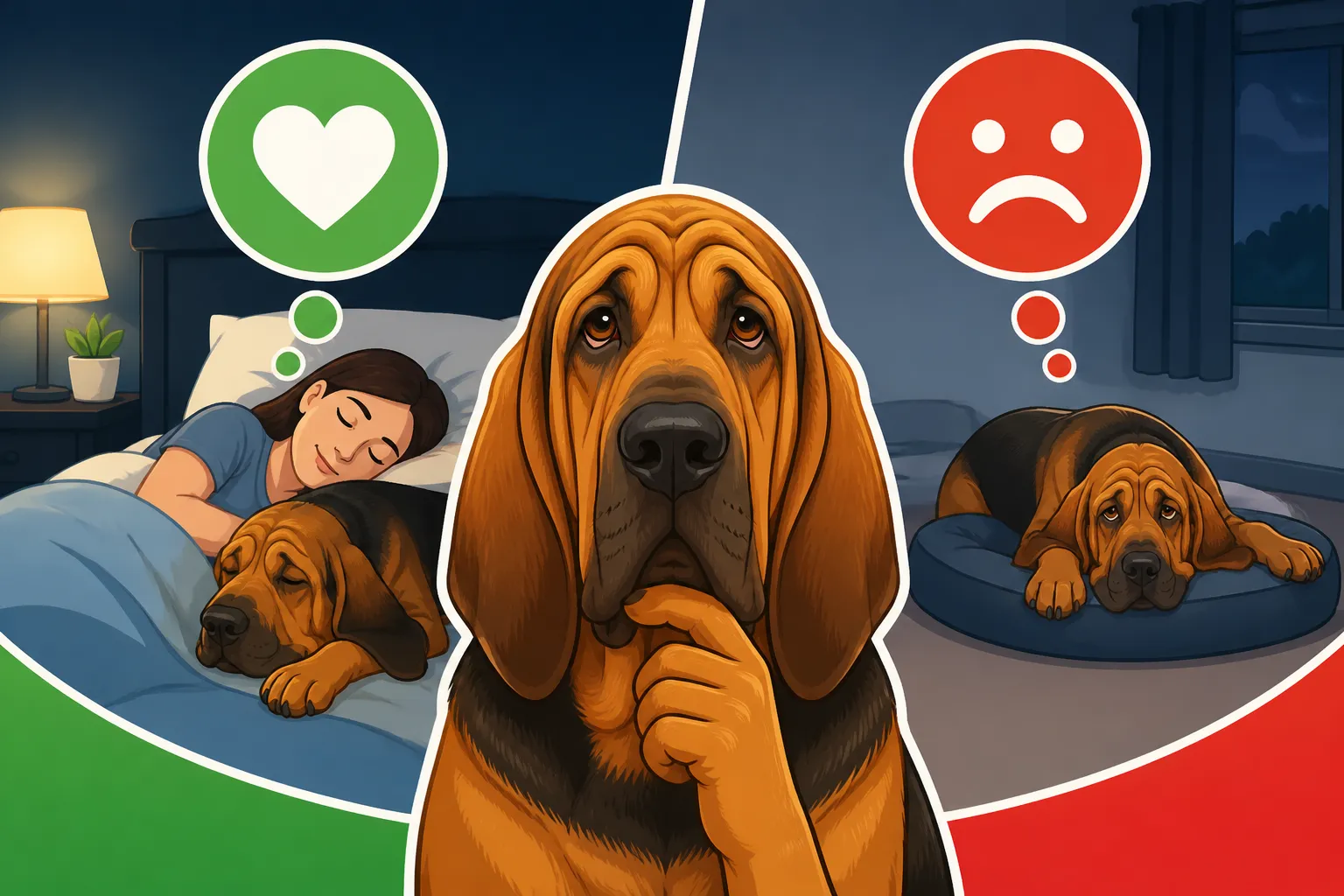
There's a deep-seated human desire to share our most intimate spaces with our pets, and a Bloodhound, with its gentle eyes and affectionate nature, only amplifies that longing. Having your Bloodhound sleep in your bedroom can forge a powerful bond, offer mutual comfort, and even provide a sense of security. It's not just about convenience; it's about connection.
Strengthening the Canine-Human Bond
For many, a dog sleeping in the bedroom is a natural extension of the family unit. Bloodhounds, while independent when on a trail, are incredibly devoted and social creatures. They thrive on companionship and being close to their people. Sharing a sleeping space can deepen this bond, reassuring them that they are truly part of your "pack." This proximity can lead to a sense of comfort and security for both dog and owner, reducing anxiety in your hound and providing a calming presence for you. Imagine waking up to the soft sigh of your gentle giant nearby, a constant reminder of their unconditional love. This consistent, low-key interaction, even in sleep, reinforces trust and affection, which is invaluable for a breed that can sometimes be perceived as aloof due to their intense focus on scent work.
An Unofficial Health Monitor and Early Warning System
One unexpected benefit of having your Bloodhound sleep in the bedroom is the ability to closely monitor their health and well-being. Bloodhounds are predisposed to several health issues, some of which can develop rapidly, like bloat. Bloat Is What Kills Most Bloodhounds Waking up to subtle changes in breathing, restlessness, or unusual sounds can give you a critical head start in seeking veterinary attention. You might notice them trying to get comfortable, pacing, or making soft grunting noises that could signal discomfort. Their breathing patterns might change, or you might hear the tell-tale signs of stomach gurgling that could precede a more serious issue. In the quiet of the night, these small cues become much more apparent. Beyond health, a Bloodhound's keen senses make them excellent, albeit unintentional, security guards. While not typically guard dogs, their deep bay, if startled or sensing an unusual presence outside, would certainly alert you to anything amiss, giving you an unparalleled early warning system.
Mitigating Separation Anxiety and Fostering Security
Bloodhounds are pack animals, and many can develop separation anxiety or simply feel more secure when they're near their human family. Sleeping in the bedroom can be a tremendous comfort to a dog prone to anxiety, making them feel less alone during the long night. The quiet presence of their owner can prevent destructive behaviors that sometimes arise from anxiety, such as chewing or excessive vocalization. If you've ever had a dog that struggled when left alone, providing that overnight reassurance can be a game-changer. It helps establish a consistent routine where they feel safe and cared for, which can be especially beneficial for rescue Bloodhounds who may have experienced instability in their past homes. Knowing they are safe and within reach can lead to a more restful night for everyone, promoting overall well-being.
The Practical Realities: Why Your Bedroom Might Not Be a Bloodhound's Ideal Slumber Spot
As much as we love our Bloodhounds, sharing a bedroom with them comes with a unique set of challenges. Their sheer size, drooling tendencies, and inherent vocalizations can turn a peaceful night into a messy, noisy, and sometimes smelly ordeal. It's important to be realistic about these factors before inviting your gentle giant to share your personal space.
The Drool, the Dirt, and the Doggy Odor
Let's not beat around the bush: Bloodhounds are known for their drool. Those magnificent, loose jowls are fantastic for scenting, but they also serve as reservoirs for slobber. When a Bloodhound shakes its head – and they will shake their head – that drool can fly, decorating walls, furniture, and often, you. Beyond the drool, their long ears and wrinkled faces, while endearing, are magnets for dirt, dust, and all sorts of outdoor debris. Everything on a Bloodhound Hangs Down and Has to Be Cleaned After a day exploring, even a quick wipe-down might not remove every trace of what they've encountered. This means dirt, mud, and whatever scents they’ve picked up outside can easily be brought into your sleeping area.
Then there's the distinct "Bloodhound smell." While a clean Bloodhound smells like a dog, their deep skin folds and often damp ears can harbor yeast and bacteria, contributing to a unique aroma that can be amplified in an enclosed space like a bedroom. Why a Bloodhound Smells Like a Bloodhound This isn't just about cleanliness; it's part of their physiology, and it means extra effort is needed to keep both your dog and your bedroom fresh. Regular cleaning of their ears and folds, as detailed in our guide Wiping a Bloodhound's Folds Before They Sour, becomes even more crucial if they're sleeping inches from your head. You might find yourself investing heavily in washable bedding and cleaning supplies, as detailed in What a Bloodhound Owner Spends on Towels and Cleaner.
The Snoring, Baying, and Scenting: Noise and Activity
Bloodhounds are not quiet sleepers. Their large size and facial structure often lead to profound snoring, which can range from a gentle rumble to a full-blown freight train, easily disrupting a light sleeper. But it's not just snoring; Bloodhounds are also prone to vocalizations. They might bay, moan, or "talk" in their sleep, especially if they're dreaming vividly of an epic trail. This deep, resonant bay, as discussed in How Loud a Bloodhound's Bay Is, is something owners learn to love, but it's less endearing at 3 AM.
Even in sleep, a Bloodhound's nose is still very much active. They are constantly processing scents, and sometimes a particularly interesting smell drifting through an open window or clinging to your clothes can trigger restless behavior, dream-trailing, or even a soft bay. This means your bedroom isn't just a quiet space for rest; it's potentially an active scent laboratory for your dog. For those who value uninterrupted sleep, a Bloodhound's nocturnal activities can be a significant challenge.
Space Constraints and Logistics
A fully grown Bloodhound is a substantial animal, easily weighing over 100 pounds and taking up a considerable amount of floor space. If your bedroom is already cozy, adding a large dog bed or a crate can make it feel cramped. They need room to stretch out, get up, turn around, and navigate without bumping into furniture or stepping on you. If your Bloodhound is accustomed to sleeping on your bed, this presents its own set of logistical challenges. Getting a large, sometimes clumsy, dog onto and off a bed can be a nightly wrestling match, and their sheer weight can compress even the firmest mattress. Furthermore, if you or your partner are light sleepers, a large dog shifting, sighing, or getting up for a drink in the middle of the night can easily disturb your rest. The practical reality is that a Bloodhound needs its own generous space to sleep comfortably, and that space might not always be compatible with the layout and serenity of your personal bedroom.
Making the Bedroom Work: Tips for Sharing Your Sanctuary
If the idea of snuggling up with your Bloodhound outweighs the potential drawbacks, don't despair! With a bit of planning and some practical strategies, you can absolutely make sharing your bedroom a comfortable and enjoyable experience for both of you. It's all about setting boundaries, managing messes, and understanding their unique needs.
Managing Mess, Drool, and Odor
The key to a harmonious co-sleeping arrangement with a Bloodhound is proactive management of their inevitable drool, shedding, and scent. High-quality, washable dog beds are non-negotiable. Look for beds with removable, machine-washable covers that can withstand frequent washing. Brands like Chewy offer a wide selection of durable options designed for large breeds. You might even consider having a few covers on rotation. Place waterproof mats or old towels under their sleeping area to catch any rogue drool or water drips. For particularly prolific droolers, a snood can be a lifesaver, especially if your Bloodhound's ears tend to dip into their water bowl. What a Snood Does for a Bloodhound
Regular grooming is paramount. Daily wiping of their facial folds and weekly ear cleaning, as described in Cleaning a Bloodhound's Ears Every Week for Life, will significantly reduce odor. Consider investing in an air purifier for your bedroom to help filter out dander and refresh the air. For bedding, choose materials that are easy to wash and quick to dry. Frequent vacuuming with a pet-specific vacuum will help manage shedding. You might find yourself needing to wash your own bedding more often too! It’s a commitment, but one that can maintain a fresh environment.
Dedicated Sleep Zones and Boundaries
Even if your Bloodhound is sleeping in your bedroom, it's crucial for them to have their own designated sleep zone. This could be a very large, comfortable dog bed on the floor, a sturdy crate, or a dedicated corner. A dog's bed should be substantial, providing ample support for their joints, which are prone to issues like Hip and Elbow Dysplasia in the Bloodhound. Many owners prefer a large orthopedic memory foam bed to cushion their heavy frames.
If your Bloodhound sleeps on your bed, consider a dog-specific blanket or a waterproof cover for your mattress to protect it from drool and dirt. You can teach them a "place" command, instructing them to go to their designated sleeping spot at bedtime. This establishes a clear boundary and routine. Consistency is key here. If you prefer them not to be on your bed, ensure their own bed is so comfortable and inviting that they genuinely prefer it. Make it their cozy sanctuary where they know they can relax undisturbed.
Soundproofing and Sleep Training for a Quieter Night
Addressing the noise factor is another critical step. For Bloodhounds prone to loud snoring, discuss with your vet if there are any underlying issues, such as allergies or respiratory problems, that could be contributing. Sometimes, simply ensuring good air quality in the room can help. White noise machines or even a fan can help mask your Bloodhound's snores and other nocturnal sounds, creating a more consistent sound environment for your own sleep.
If your Bloodhound bays or vocalizes during the night, it might be due to a perceived threat (like a squirrel outside), separation anxiety, or just dreaming. For anxious vocalization, ensuring they feel secure and bonded during the day, and their sleep space is consistent, can help. If it’s reactive baying, consider closing windows or using blackout blinds to minimize outdoor stimuli. Crate training can also provide a sense of security for some dogs, making them feel safer and reducing restless behavior. Whether Crate Training Suits a Bloodhound Puppy For any behavioral challenges, positive reinforcement training with consistent cues, such as teaching a "quiet" command during the day, can be beneficial, though patience is crucial with a breed known for its independent nature, as discussed in Why a Bloodhound Ignores a Cue It Knows.
| Feature | Bloodhound in Bedroom (Pros) | Bloodhound in Bedroom (Cons) |
|---|---|---|
| Bonding | Enhanced companionship, deeper connection, reduced anxiety. | Occasional nudges or restlessness can disturb sleep. |
| Monitoring | Easier to detect subtle health changes or nocturnal distress. | Can lead to over-monitoring or anxiety about dog's sounds. |
| Security | Early warning system for unusual sounds or intruders. | Not a protection dog; might just bay at perceived threats. |
| Cleanliness | Direct contact promotes vigilance in grooming. | Drool, shedding, dirt, and odor require constant cleaning. |
| Noise | Soothing sounds (deep breaths); presence can be comforting. | Loud snoring, vocalizations (bays, groans), restless movements. |
| Space | Can feel like a comforting presence in the room. | Large size demands significant floor space, can feel cramped. |
| Logistics | Simple overnight transition; no separate setup needed. | Getting on/off furniture can be clumsy; can displace bedding. |
Alternative Sleep Arrangements for Your Bloodhound
Sometimes, despite our best intentions, sharing the bedroom just doesn't work out. Whether it's due to allergies, space constraints, or simply the need for a truly quiet night's sleep, there are many perfectly loving and effective alternative sleeping arrangements for your Bloodhound. These options can provide your dog with a comfortable, secure space while allowing you to maintain your personal sanctuary.
Crate Training for Peace of Mind and Structure
Crate training, when done correctly, is not a punishment but a safe, secure den for your Bloodhound. Many dogs actually prefer the enclosed, cozy feeling of a crate. It can provide a sense of security and structure, which is particularly beneficial for a breed that thrives on routine. An appropriately sized crate should be large enough for your Bloodhound to stand up, turn around, and lie down comfortably. It should be placed in a quiet, low-traffic area of the house, perhaps a living room corner or a dedicated utility room.
Crate training can prevent destructive behaviors, aid in house training, and give your dog a "safe space" to retreat to when they need quiet time. If you choose this route, introduce the crate gradually with positive reinforcement, making it a desirable place filled with comfortable bedding and perhaps a treat or a favorite chew toy. This way, the crate becomes their happy haven, not a place of confinement, fostering a sense of calm independence, which is vital for a breed like the Bloodhound, who, while devoted, also appreciates their own space sometimes.
Designated Dog Rooms or Areas
For those with more space, a designated "dog room" or a specific area like a mudroom, laundry room, or even a spacious hallway can be an excellent alternative. These areas can be set up with all the comforts of a bedroom: a large, orthopedic dog bed, fresh water, and perhaps some calming music or a diffused, dog-safe scent. This allows your Bloodhound to have a substantial, comfortable sleeping area without encroaching on your personal space.
This approach offers several advantages. Firstly, it contains the mess – the drool, the shedding, the dirt – to a specific, easy-to-clean area. Secondly, it allows your Bloodhound to enjoy their natural behaviors without disturbing your sleep. They can snore to their heart's content or shift positions without waking you. Thirdly, for working Bloodhounds involved in mantrailing or scent work, having a separate sleeping area can actually be beneficial, as it helps prevent the contamination of your personal scent with ambient household odors, which can be critical for maintaining the integrity of their training. Mantrailing Is the Answer to a Bloodhound, Not Obedience It’s a pragmatic solution that acknowledges their unique breed traits while respecting your need for an undisturbed night.
The Benefit of a Separate Space for Scent Work Integrity
This is a niche, but important, consideration for Bloodhound owners who actively engage in trailing or other scent work. A Bloodhound's nose is an unparalleled tool, and they are trained to distinguish the unique "human odor" of a target from all other environmental scents. If your Bloodhound is constantly exposed to your specific scent, and the scents of your home, it can, in some very sensitive working dogs, make it harder for them to differentiate those familiar odors from the "target" scent they are supposed to be tracking.
While most pet Bloodhounds won't have their scenting abilities diminished by sleeping near you, professional or serious amateur handlers often maintain a certain separation, especially during training periods, to ensure their dog's scent discrimination remains razor-sharp. If your Bloodhound is destined for search and rescue or competitive trailing, consulting with experienced handlers or trainers about maintaining a "neutral" home environment for sleep might be a valuable discussion. It’s about creating the optimal conditions for them to perform their incredible, specialized work.
Disclaimer
This article is for general informational purposes only and does not constitute professional advice. Laws, prices and regulations vary by location and change over time. Consult a qualified professional for guidance on your specific situation.