Where to Put a Bloodhound’s Water Bowl
If you've ever owned a Bloodhound, you know that keeping water in their bowl and off your floors can feel like an Olympic sport. Their magnificent, pendulous jowls and ears are incredible scent-gathering tools, but they also act like giant mops and slosh-pads, turning every drink into a miniature flood. Deciding where to put a Bloodhound's water bowl isn't just about convenience; it's about minimizing mess, promoting good health, and ensuring your beloved hound stays well-hydrated without turning your home into a swamp.
The Bloodhound's Unique Water Bowl Challenges
Let's be honest, Bloodhounds are not known for their tidy drinking habits. It's not their fault, bless their big, droopy hearts! Their very anatomy, which makes them such incredible scent hounds, also makes them rather… splashy at the water bowl. Understanding these inherent challenges is the first step to finding a practical solution for both of you.
Why Their Anatomy Makes a Mess
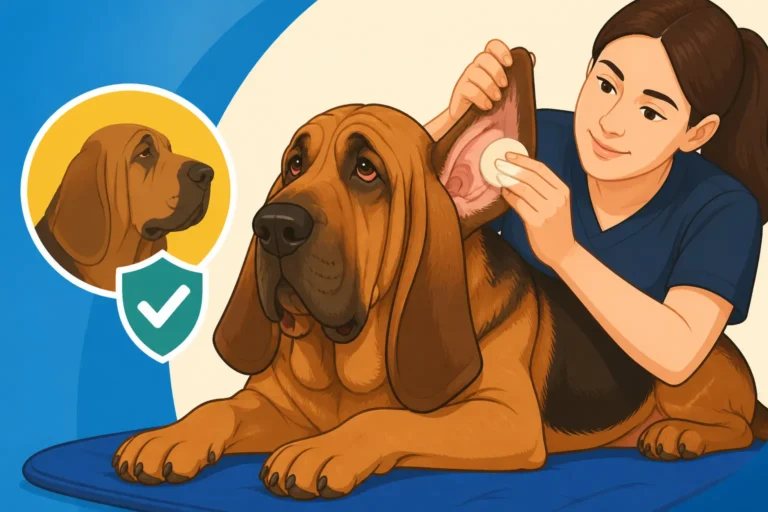
First off, consider those glorious, long ears. They’re fantastic for sweeping scent towards their nose when they’re working, but when a Bloodhound dips their head for a drink, those ears inevitably dangle right into the water. Every time they lift their head, those wet ears swing out, flinging water across a surprising radius. It's not a gentle drip; it's a full-on arc of water, decorating your walls and furniture. This isn't just about cleanliness; constantly wet ear leather can contribute to skin irritation and even infections if not dried properly.
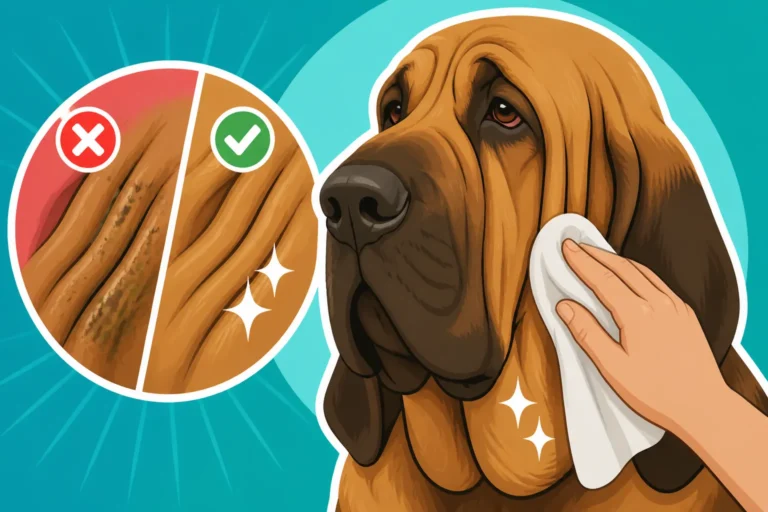
Then there are those expressive, droopy jowls and flews. These deep folds of skin around their mouths collect water like a sponge. After a long drink, they’ll lift their head, and gravity takes over. A steady stream of water will dribble from their jowls, often pooling on the floor as they walk away. A vigorous head shake, which is a Bloodhound's natural reaction to a mouthful of water, can distribute this collected moisture even further, creating a truly impressive splash zone. Anyone who lives with a Bloodhound knows the struggle of constantly wiping up these drips. Where a Bloodhound Puts Its Drool really applies to water too!
The Drive to Drink (and Drip)
Bloodhounds are often active dogs, especially if they're engaged in their beloved scent work. Whether they've been on a long trail, romping in the yard, or simply had a busy day of sniffing around the house, they build up a considerable thirst. When they approach the water bowl, they tend to drink deeply and eagerly. This enthusiastic drinking, combined with their anatomical quirks, means more water is inevitably spilled or dripped. A thirsty Bloodhound isn't going to sip delicately; they're going to dive in, and the mess factor increases proportionally with their thirst. This intense focus on drinking can also lead to gulping, which is something we'll touch on later in relation to bloat.
The Sheer Volume of Water Consumed
Let's not forget the sheer size of these magnificent hounds. A fully grown Bloodhound can weigh well over a hundred pounds, and a dog of that stature needs a significant amount of hydration throughout the day. This isn't a small terrier daintily sipping from a tiny dish; we're talking about a large dog that can easily empty a standard water bowl multiple times a day. More water consumed means more trips to the bowl, and unfortunately, more opportunities for those characteristic spills and drips. If you're wondering What an Adult Male Bloodhound Weighs, you'll quickly understand their hydration needs. Keeping a large, deep bowl or even multiple bowls topped up is a constant chore, and with each refill, the potential for mess restarts.
Strategic Water Bowl Placement for Mess Management
When you live with a Bloodhound, placing the water bowl isn't just about aesthetics; it's a strategic decision. You're trying to balance accessibility for your dog with minimizing the inevitable mess.
Kitchen & Dining Areas
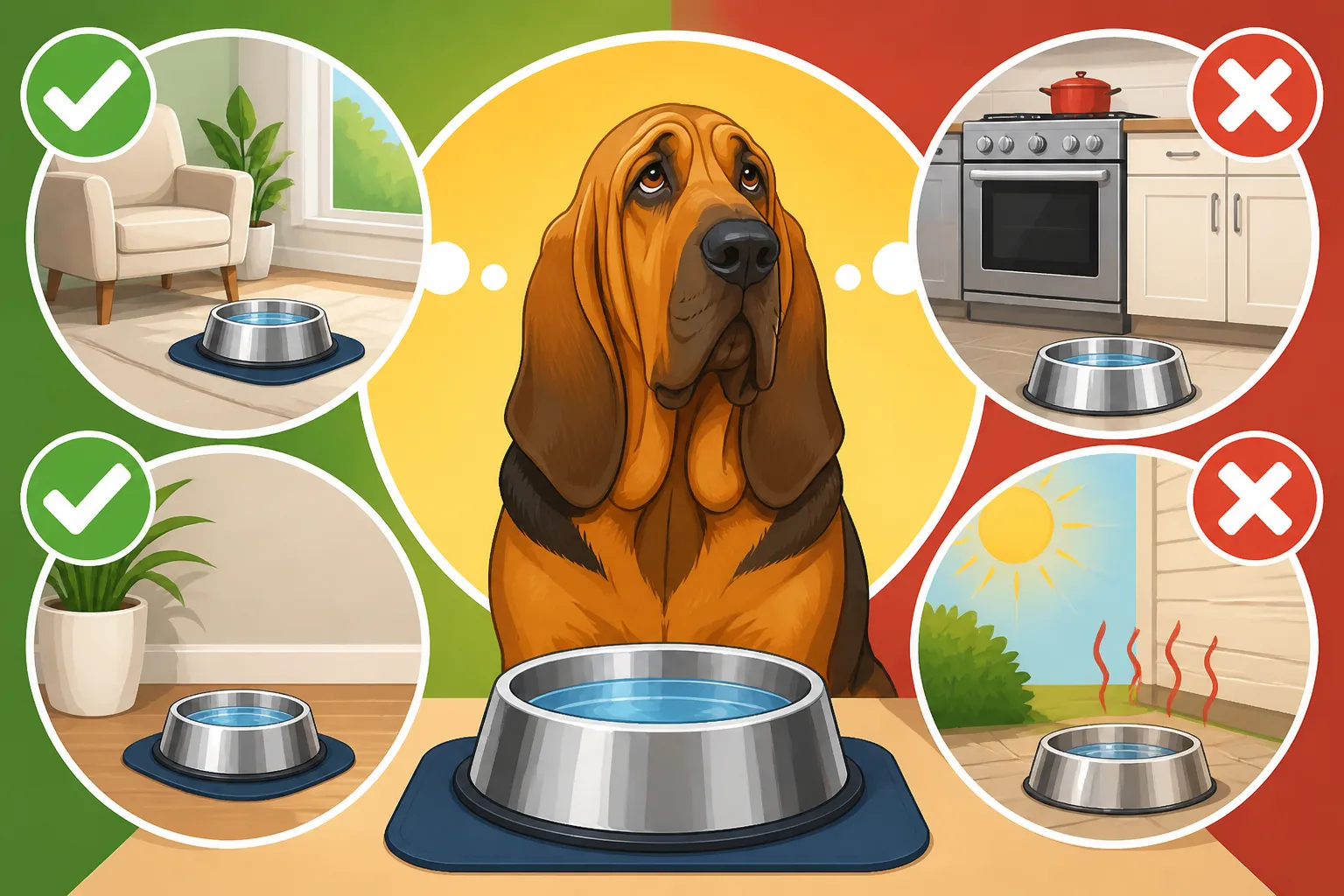
This is often the default choice for many dog owners, and for good reason. Kitchens typically have durable, easy-to-clean flooring like tile or linoleum, which can handle spills better than carpet or hardwood. Being close to the sink makes refilling the bowl a breeze, and it's usually where your Bloodhound eats, too. Whether a Bloodhound Floods the Kitchen Drinking is a very real concern for many owners!
- Pros: Easy to clean up spills, convenient for refilling, often a central location for the dog.
- Cons: High traffic area where people (and the dog!) can trip over bowls or slip on puddles. Constant puddles can be annoying and, if not cleaned immediately, can attract dirt. If your kitchen opens directly onto a carpeted living area, those wet jowls and ears will inevitably carry water into less forgiving spaces. This is also often where the dog eats, and while some suggest it's good to keep food and water together, some Bloodhounds might be messy eaters, adding to the general chaos around the bowls.
If you choose the kitchen, invest in a good, large, non-slip mat specifically designed for pet bowls. Whether a Mat Under a Bloodhound's Bowls Is Worth It is not really a question, it's a necessity. Look for one with a raised lip to contain spills.
Utility Rooms & Mudrooms
These spaces are often designed for dirt, grime, and water, making them an excellent contender for a Bloodhound's hydration station. They typically feature durable, waterproof flooring, and often have a utility sink nearby.
- Pros: Excellent for containing mess. Floors are usually robust and designed for wet conditions. Out of the main living areas, reducing the impact on your daily life. Can be equipped with hooks for towels to dry ears and jowls after drinking, making a routine of post-drink wiping easier. Everything on a Bloodhound Hangs Down and Has to Be Cleaned including those ears and jowls after a drink!
- Cons: Can be less accessible, especially if your Bloodhound isn't comfortable going into this room frequently or if the door is often closed. If the room is dark or uninviting, your dog might not use it as readily. It could also mean your Bloodhound drips water from the kitchen to the utility room, creating a trail. You might need multiple water stations if this is the only one, especially if your house is large.
Think about a walk-through utility space or a larger mudroom that your Bloodhound can easily access without feeling isolated.
Outdoor Areas
For some Bloodhound owners, particularly those with larger properties or warm climates, an outdoor water bowl is a practical solution. The ground outside generally handles water with ease, and there’s no indoor flooring to worry about.
- Pros: Virtually eliminates indoor water messes. Natural drainage means puddles dissipate quickly. Offers a convenient spot for hydration during outdoor play or training sessions.
- Cons: The water can quickly become dirty with leaves, insects, or outdoor debris. Temperature extremes can be an issue—water can freeze in winter or become unpleasantly warm in summer. Algae can grow in bowls, requiring frequent cleaning. Pests like mosquitoes might breed in stagnant water. Access might be limited during bad weather, or if the dog is inside for extended periods. You'll still need an indoor bowl, but an outdoor option can significantly reduce the demand on the indoor one.
If placing a bowl outside, ensure it's in a shaded area, kept meticulously clean, and refreshed multiple times a day. Consider a sturdy, heavy bowl that won't tip over easily or a large water trough if space allows.
Considering Health and Comfort in Placement
Beyond just managing the mess, where you place your Bloodhound's water bowl can impact their health and overall comfort. This is particularly true for a breed prone to certain health concerns.
Elevated Bowls: The Bloat Debate
For years, many large breed dog owners, including those with Bloodhounds, were advised to use elevated food and water bowls. The theory was that it would improve digestion and reduce the risk of bloat (Gastric Dilatation-Volvulus, or GDV), a life-threatening condition where the stomach twists. However, more recent studies, particularly a large-scale study conducted by Purdue University, found that elevated bowls might actually increase the risk of bloat in some large and giant breeds. This finding came as a surprise to many and sparked a significant debate among veterinarians and owners.
For Bloodhounds, who have that classic deep, narrow chest shape that predisposes them to bloat, this is a critical consideration. While the science is still evolving and individual veterinary opinions may vary, many experts now advise against elevated bowls for bloat-prone breeds unless there's a specific medical reason.
- Actionable Advice: If you are currently using elevated bowls or considering them, have a serious conversation with your veterinarian. Discuss your Bloodhound's individual risk factors, age, and any existing conditions. They can provide the most current and personalized advice based on their clinical experience and the latest research. For a deeper dive, consider Whether a Raised Bowl Is Right for a Bloodhound.
For now, many Bloodhound owners opt for bowls placed directly on the floor or on a very low stand, paired with anti-gulping measures if the dog drinks too quickly. Feeding a Bloodhound So It Does Not Bloat also touches upon mealtime habits that extend to water consumption.
Accessibility for All Life Stages
The "perfect" water bowl height and location might change as your Bloodhound grows from a clumsy puppy into a stately senior.
- Puppies: Young Bloodhound puppies need easily accessible, shallow bowls. Their growth plates are still developing, and bending down too much or reaching up can put unnecessary strain on their joints. Plus, puppies are prone to playing in water bowls, so easy-to-clean flooring is paramount.
- Adults: Most adult Bloodhounds will do fine with a standard floor-level bowl, especially given the bloat considerations mentioned above. The key is stable, non-slip bowls that won't tip easily during enthusiastic drinking.
- Seniors: As Bloodhounds age, they can develop arthritis, hip and elbow dysplasia, or other mobility issues. Aging in a Bloodhound Starts at Six, and you might notice them struggling to bend low. For these golden oldies, a slightly raised bowl might be beneficial if cleared by your vet, to reduce strain on their joints. The goal is comfort without compromising bloat risk. Their eyesight or balance might also decline, so a quiet, unobstructed location is best.
Regularly assess your Bloodhound's comfort level. If they seem to be struggling to reach their bowl, it's time to adjust.
Quiet and Safe Spots
Bloodhounds are generally easygoing, but they can be sensitive to sudden noises or movements, especially when they are focused on drinking. A water bowl placed in a high-traffic hallway or near a frequently slamming door could lead to a dog being startled, jumping back, and sending water flying.
- Consideration: Choose a spot that offers a sense of security and quiet. This might be a corner of the kitchen, a designated spot in a utility room, or a calm area of the living room.
- Safety: Ensure the area around the bowl is clear of obstacles. You don't want your Bloodhound tripping over toys, or for you to trip over the bowl itself. Non-slip mats are crucial here, not just for containing water but for providing secure footing.
A calm drinking environment helps your Bloodhound hydrate effectively and reduces the chances of them being startled into creating an even bigger splash.
Innovative Solutions Beyond Just Location
Sometimes, simply moving the bowl isn't enough. Bloodhound owners often become masters of creative problem-solving when it comes to managing the water bowl aftermath.
Mats, Trays, and Mess Management
The first line of defense against the Bloodhound water tsunami is often a robust physical barrier. Forget those flimsy little fabric mats; you need something serious.
- Boot Trays: These are a fantastic, inexpensive solution. Designed to hold muddy boots, they have high lips that can contain a surprising amount of spilled water. You can place your dog's water bowl directly inside a boot tray, creating a contained "splash zone." They come in various sizes and are usually made of durable, waterproof plastic or rubber, making them super easy to clean.
- Silicone Pet Mats: Look for large, flexible silicone mats with raised edges. These grip the floor to prevent sliding and catch drips. They're often dishwasher safe, which is a bonus for hygiene.
- Designated "Splash Zones": Consider dedicating a small, tiled area or a corner with laminate flooring as your Bloodhound's hydration station. You can even lay down a heavy-duty, commercial-grade rubber mat or a piece of inexpensive vinyl flooring remnant to protect your existing floor in that specific spot.
- Towels, Always Towels: Make it a habit to have dedicated "Bloodhound towels" readily available near the water bowl. A quick swipe of the jowls and ears immediately after drinking can drastically reduce the amount of water trailed through the house. How Many Minutes a Day a Bloodhound's Upkeep Takes includes time spent on things like this!
Specialized Bowls for Drip Reduction
The market for pet products is always innovating, and there are several types of bowls designed with messy drinkers in mind.
- Slow-Drinker Bowls: While often marketed for food, some designs can help with water. These bowls have internal barriers or floating discs that slow down gulping. By forcing your Bloodhound to drink more slowly, they might take in less air (reducing potential bloat risk, though this isn't a replacement for vet advice) and also drip less. The floating disc type is particularly effective at keeping ears out of the water.
- Splash-Proof/No-Spill Bowls: These bowls often feature a rim or a special design that helps contain splashes when the dog moves its head or when the bowl is bumped. Some have a recessed design where the water level is lower than the rim, making it harder for water to slosh out.
- Deep, Narrow Bowls (with caveats): While a deep bowl might seem to keep ears out, if it's too narrow, your Bloodhound might struggle to get their whole muzzle in, leading to frustration and more splashing. A wide, shallow bowl, on the other hand, makes it easier for ears to get wet. The trick is to find a balance. Some owners find that a deep, conical bowl, or one with a slightly inverted rim, can help reduce ear submersion while allowing the muzzle ample space. When browsing sites like Chewy or Amazon, look specifically for "no-drip dog bowls" or "bloodhound water bowls" to see breed-specific solutions.
Multiple Water Stations
Having just one water bowl, even a perfectly placed one, might not be enough for a large, active Bloodhound. They need constant access to fresh water.
- Convenience: Placing multiple water bowls around your home (e.g., one in the kitchen, one in the utility room, one in the living area, and one outside) ensures your Bloodhound always has hydration within easy reach. This reduces the distance they have to travel to drink, potentially cutting down on the length of those wet-jowl-and-ear trails.
- Hydration: It also encourages more frequent drinking, which is vital for overall health, especially if your Bloodhound is prone to kidney issues or is very active. It's especially important to consider How Long a Bloodhound Can Work Before It Tires and how much water they'll need after a session.
- Routine: Having multiple stations can also simplify your routine. You might fill and clean the main kitchen bowl daily, but quickly refresh smaller bowls in other areas as needed.
Consider where your Bloodhound spends most of their time and strategically place bowls there. Remember, the goal is to make drinking as easy, clean, and healthy as possible for your beloved hound.
| Location Category | Pros | Cons | Best For |
|---|---|---|---|
| Kitchen/Dining Area | Easy clean-up (tile/linoleum), convenient refilling near sink. | High traffic, tripping hazard, direct access to less forgiving floors. | Owners prioritizing convenience, with durable flooring and good clean-up habits. |
| Utility/Mudroom | Excellent mess containment, durable floors, out of main living spaces. | Less accessible, potentially isolated for the dog, might require multiple bowls. | Containing significant messes, owners with dedicated utility spaces. |
| Outdoor Area | Eliminates indoor mess, natural drainage, ideal for active outdoor dogs. | Water can get dirty/stagnant, temperature extremes, requires frequent cleaning. | Supplementing indoor bowls, active dogs with secure outdoor access. |
| Living Areas (quiet corner) | Good accessibility, promotes hydration, in dog's primary resting area. | Risk to carpet/hardwood, requires diligent use of mats/trays. | Ensuring constant access in a calm environment, with strong mess prevention. |
Disclaimer
This article is for general informational purposes only and does not constitute professional advice. Laws, prices and regulations vary by location and change over time. Consult a qualified professional for guidance on your specific situation.