Whether a Bloodhound Floods the Kitchen Drinking
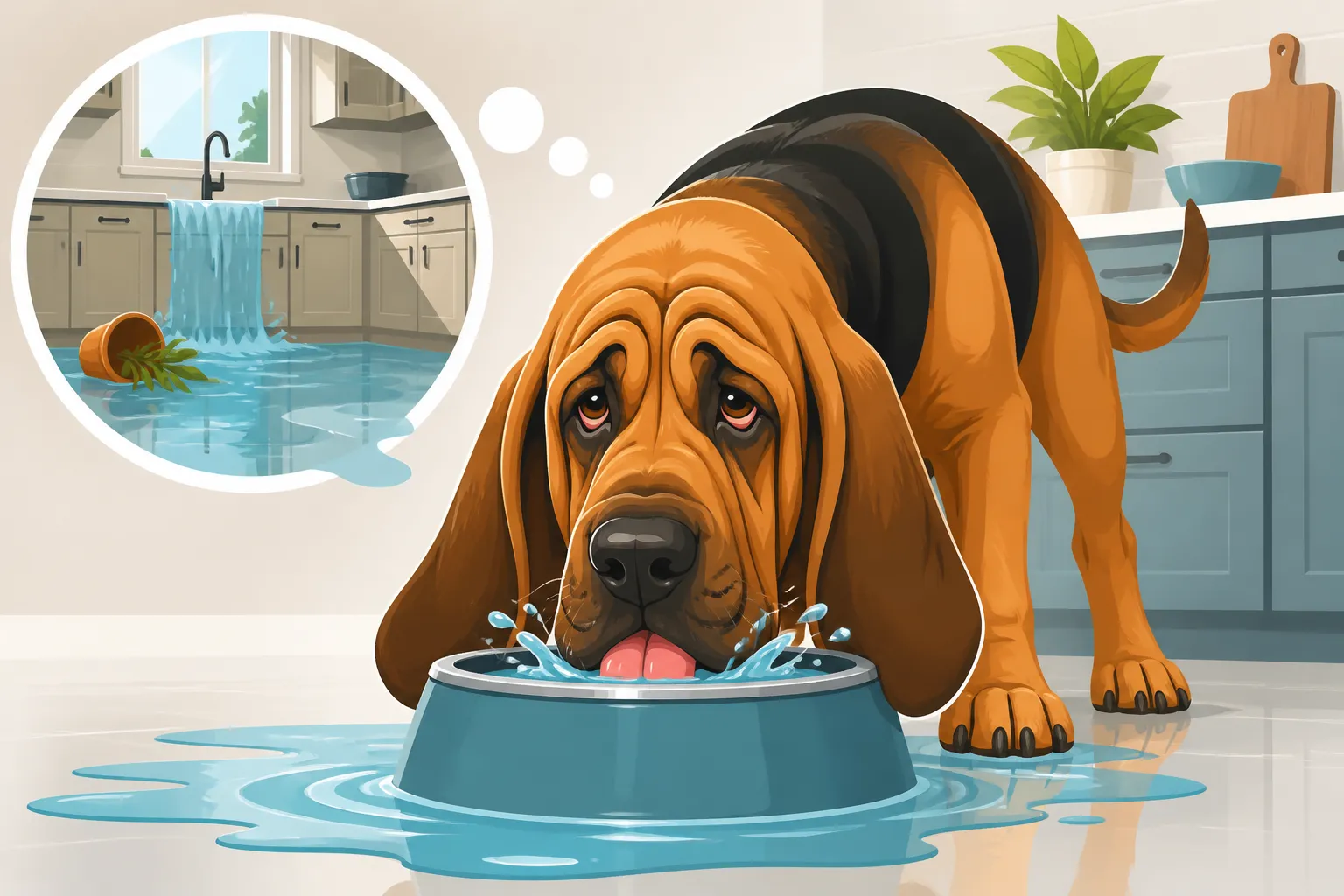
It's a scene many Bloodhound owners know all too well: you turn your back for a moment, and when you return, your kitchen floor resembles a small lake, with your beloved hound standing proudly in the middle, looking completely innocent. The truth is, Bloodhounds aren't just enthusiastic drinkers; their unique anatomy makes them champions of water spillage, leading to soggy socks, slick floors, and a constant battle against dampness. This guide is here to commiserate with your struggles and, more importantly, to equip you with practical strategies, tools, and a healthy dose of understanding to manage the inevitable deluge that comes with sharing your home with these wonderful, wet-faced creatures.
The Anatomy of a Messy Drinker: Why Bloodhounds Are Prone to Spillage
Let's face it, Bloodhounds are built for scent work, and their specialized features, while incredible for trailing, are not exactly designed for discreet hydration. When it comes to drinking water, almost everything about a Bloodhound's head and neck conspires to create a substantial mess. It’s not a behavioral fault; it’s simply how they’re made.
The Low-Slung Jowls and Droopy Lips
The most obvious culprit in the Bloodhound's water-spilling repertoire is their magnificent, pendulous jowls, often called flews. These aren't just for show; they play a role in trapping scent, but when it comes to a water bowl, they become incredibly efficient sponges. Picture your Bloodhound taking a long, satisfying drink. Their entire muzzle, often up to their eyes, gets submerged. The jowls soak up an impressive amount of water, holding it like a reservoir.
The real trouble starts when they lift their head. Gravity takes over, and that stored water begins its slow, deliberate escape. Every slight head tilt, every shake, every blink sends rivulets cascading down their chest, onto their front paws, and, most importantly, onto your clean floor. It’s a constant drip, drip, drip that seems to defy all logic, even after they’ve seemingly swallowed all the water. You might feel like you're constantly chasing them with a towel, wiping away the small waterfalls that follow them from the kitchen. It can be incredibly frustrating to feel like you just cleaned the floor, only for a fresh puddle to appear moments later. This is simply the reality of living with such a jowly breed, and understanding it is the first step to managing it. The sheer volume of loose skin around their mouth and neck means that Everything on a Bloodhound Hangs Down and Has to Be Cleaned, and water is no exception.
The Deep Chest and Drinking Posture
Bloodhounds possess a deep, narrow chest, a characteristic that defines their breed standard and contributes to their powerful lung capacity for long trails. However, this deep chest can also influence their drinking posture. When they bend down to drink, their chest often positions them in a way that requires them to really reach for the water, pushing their entire face further into the bowl. This isn't just about their jowls; it's about the mechanics of their body as a whole.
This deep-chested structure means they can't always just delicately sip from the surface. They often plunge their entire muzzle deep into the bowl, ensuring maximum water absorption by those thirsty flews. As they lift their head, not only do the jowls release their watery payload, but the water that clings to the chest fur itself also adds to the cascade. It’s a thorough dunking, not a polite drink, and it means more surface area for water to cling to and then drip from. This kind of drinking posture, while seemingly natural for them, is a major contributor to why you might find significant puddles around their water station, far beyond what you'd see with a less jowly, less deep-chested breed. It's a testament to their unique build, but also a call to action for diligent cleanup.
Ear Leather, Loose Skin, and the Water Trail
Perhaps one of the most underappreciated contributors to the "kitchen flood" phenomenon is the Bloodhound's magnificent ear leather. These long, heavy ears are incredible scent-gathering tools, sweeping the ground as they trail. Unfortunately, they also have a remarkable talent for dipping directly into the water bowl while your dog is drinking. It's not uncommon for a Bloodhound to take a drink, lift its head, and have both ears emerge thoroughly soaked.
Once wet, these heavy ears become impromptu paintbrushes, liberally distributing water wherever your Bloodhound decides to shake its head or move. Every swivel of their head sends droplets flying, and every step they take leaves a damp smudge. The loose skin, or dewlap, around their neck and throat also gets wet, acting as a secondary sponge that can hold and then release water. This means the trail of water doesn't stop at the water bowl; it follows your Bloodhound through the kitchen, into the living room, and potentially even onto your furniture. This constant dampness isn't just a nuisance; it can create a perfect breeding ground for bacteria or yeast in those constantly moist ears, leading to issues. A Bloodhound's Ears Are a Standing Infection Risk, and persistent dampness from drinking only exacerbates this. Managing this ear situation is a key part of keeping your home drier and your Bloodhound healthier. The reality is that The Bloodhound Ear That Trails Through the Food Bowl is equally adept at trailing through the water bowl.
Strategies for Containment: Managing the Bloodhound Deluge
While you can't fundamentally change a Bloodhound's unique anatomy, you absolutely can implement strategies to significantly reduce the amount of water that ends up on your floor. It’s all about working with their natural tendencies and outsmarting the drips.
Choosing the Right Water Bowl
The type of water bowl you use can make a surprising difference. Forget the wide, shallow bowls that let those long ears and jowls fully submerge. You need something that encourages a more contained drinking experience.
- Narrow, Deep Bowls: These bowls force your Bloodhound to put their muzzle further into the bowl, but the narrow opening prevents their ears from dipping in as easily. The deeper design also means they're less likely to slosh water over the sides with their tongue. Many owners find success with these, often opting for stainless steel for hygiene and durability. Whether a Narrow Deep Bowl Suits a Bloodhound is definitely worth exploring for your hound.
- Slow Feeder Water Bowls (Splash-Proof Designs): Some bowls are specifically designed with inner baffles or floating disks that only allow a small amount of water to be accessed at a time. This slows down drinking and minimizes the amount of water they can scoop up at once. They often feature higher rims or splash guards to contain any enthusiastic lapping. These can be a game-changer for reducing the sheer volume of water transferred from bowl to jowl to floor.
- Elevated Bowls (Use with Caution): While sometimes recommended for large breeds, be mindful that research on elevated bowls and bloat risk is mixed. For some Bloodhounds, an elevated bowl might make it easier for their jowls to drip onto the floor if their head isn't angled down. Always consult your vet if you're considering an elevated feeder, especially given the Bloodhound's predisposition to bloat. Why a Bloodhound's Chest Shape Causes Bloat is a crucial consideration for any feeding or drinking setup.
Here's a quick comparison of popular water bowl types:
| Bowl Type | Pros | Cons | Best For |
|---|---|---|---|
| Narrow, Deep Bowl | Keeps ears out, less sloshing | Still some jowl drip, may need more frequent refills | General use, minimizing ear wetness |
| Splash-Proof/Slow Drinker | Significantly reduces splash and drip | Can be harder to clean, slower drinking | Enthusiastic drinkers, very messy hounds |
| Ceramic | Heavy, hard to tip, aesthetically pleasing | Can chip, porous if glazed improperly, heavy | Owners who prioritize stability and style |
| Stainless Steel | Durable, hygienic, easy to clean | Can be noisy, lighter bowls can slide | Owners prioritizing hygiene and longevity |
| Elevated Feeder | Can improve posture for some dogs | Mixed data on bloat risk, can still drip | Specific veterinary recommendations, careful monitoring |
Strategic Placement and Floor Protection
Where you put the water bowl is almost as important as the bowl itself. Think defensively!
- Choose a Dedicated "Wet Zone": Designate an area that's easy to clean and can handle moisture. This might be a corner of the kitchen with tile or linoleum, a utility room, or even a bathroom. Avoid placing the bowl directly on carpet or expensive hardwood floors.
- Invest in Absorbent Mats: This is where Chewy and Amazon become your best friends. Look for heavy-duty, super-absorbent mats specifically designed for pet bowls. They often have a rubberized backing to prevent slipping and raised edges to contain larger puddles. Think bath mats, but for dogs! Some are made of quick-drying microfiber, while others are thick silicone. Having several on rotation, so one can be in the wash, is a smart move. What a Bloodhound Owner Spends on Towels and Cleaner will probably include these mats.
- Create a Barrier: For the truly ambitious, you could consider a small, low barrier or even a boot tray with the water bowl inside it. This creates a contained "splash zone" that's easier to mop up.
Training and Management Techniques
While Bloodhounds are independent thinkers, you can introduce routines that help minimize the mess.
- Post-Drink Wipes: This is probably the most effective, albeit constant, management technique. As soon as your Bloodhound finishes drinking, be ready with a towel. Gently wipe their jowls, mouth, and any wet fur on their chest and ears. Making this a routine from puppyhood can help them accept it. Whether a Bloodhound's Jowls Should Be Wiped After Drinking is a resounding yes for a drier home.
- Supervised Drinking: If your Bloodhound is particularly prone to making a huge mess, consider offering water at specific times and supervising them. This allows you to manage the immediate aftermath and ensures they drink enough without free-for-all access leading to unchecked puddles.
- The "Wait" Cue: For really eager drinkers, you might try teaching a "wait" cue before they approach the bowl. This can prevent them from lunging at the water, which often causes more splashing. A moment of calm before drinking can reduce the chaos. It might seem like a small thing, but for a breed prone to being "busy" with their nose, a moment of focus can help.
Essential Tools and Products for a Drier Home
Beyond choosing the right bowl, a few key items can significantly reduce the amount of water your Bloodhound tracks through the house. These are investments in your sanity and the cleanliness of your home.
The Mighty Snood
If you're tired of constantly wringing out your Bloodhound's ears, a snood is a non-negotiable item. A snood is essentially a fabric tube that you slip over your dog's head, covering and holding their long ears securely against their head and out of the way.
When your Bloodhound drinks, the snood keeps those magnificent, heavy ears completely dry. No more ear-dunking, no more water-soaked ear leather acting as a mop across your floor. They're also fantastic for keeping ears clean during meal times, preventing them from dragging through food bowls. You can find snoods in various materials and sizes online, and yes, they make them specifically for the impressive head size of a Bloodhound. Look for soft, breathable materials that won't irritate their skin. What a Snood Does for a Bloodhound is simple: it keeps things contained and dry. It's often surprising Whether a Bloodhound Tolerates Wearing a Snood, but many quickly adapt, especially if introduced early and associated with positive experiences like mealtime or a special treat. You can easily find various snoods on Amazon or Chewy.
Absorbent Mats and Cleaning Supplies
You've got the right bowl and maybe even a snood, but let's be realistic: some water will still find its way out. That's where absorbent mats and reliable cleaning supplies come in.
- Microfiber Mats: These are incredibly effective at soaking up drips. They come in various sizes and colors, often with non-slip backing. They're usually machine washable, which is crucial for hygiene. Having a few on hand means you always have a clean, dry mat ready.
- Silicone Mats with Raised Edges: For a more contained mess, these mats create a waterproof barrier. Any spilled water or food stays within the mat's lip, preventing it from reaching your floor. They're super easy to wipe clean or rinse off.
- Plenty of Towels: Seriously, stock up. Keep a designated "Bloodhound towel" in every room your dog frequents, especially near the water bowl. Old bath towels or dedicated pet towels work great.
- Enzyme Cleaners: For those inevitable drips that escape the mat, especially if you have a Bloodhound that loves to shake its head mid-drink, enzyme cleaners are your best friend. They break down organic matter, which means they're excellent for cleaning up water spots, drool, and any lingering "hound smell" that can accompany dampness. Brands available on Chewy or Amazon often have pet-specific formulas. Remember, Whether a Bloodhound Owner Should Buy Washable Everything is a philosophical question that quickly becomes a practical necessity.
Water Bottles and Outdoor Solutions
While not directly for the kitchen, considering alternative drinking methods for outside or travel can help manage overall wetness and reduce the dependency on the indoor water bowl.
- Portable Water Bottles with Attached Bowls: For walks, hikes, or car rides, these are invaluable. They allow you to dispense just enough water for your Bloodhound to drink without bringing their whole face into a wide-open bowl, and they prevent unnecessary spills in your vehicle or on the trail.
- Foldable Travel Bowls: These are lightweight and compact, perfect for on-the-go hydration. While they might still allow for some jowl dipping, they offer a controlled drinking environment away from your home's interior.
- Outdoor Water Source: If you have a yard, consider a dedicated outdoor water source that can handle a bit of a splash zone. A large bucket on a patch of gravel or grass can be a good option, keeping the majority of the mess out of your house. Just be sure to keep it clean and shaded to prevent algae growth.
Managing a Bloodhound's enthusiastic drinking habits is an ongoing process, not a one-time fix. It requires vigilance, the right tools, and a healthy dose of patience. But with these strategies, you can definitely keep your kitchen (and your socks!) a lot drier. It's all part of the unique, messy, and utterly lovable experience of sharing your life with a Bloodhound.
Disclaimer
This article is for general informational purposes only and does not constitute professional advice. Laws, prices and regulations vary by location and change over time. Consult a qualified professional for guidance on your specific situation.