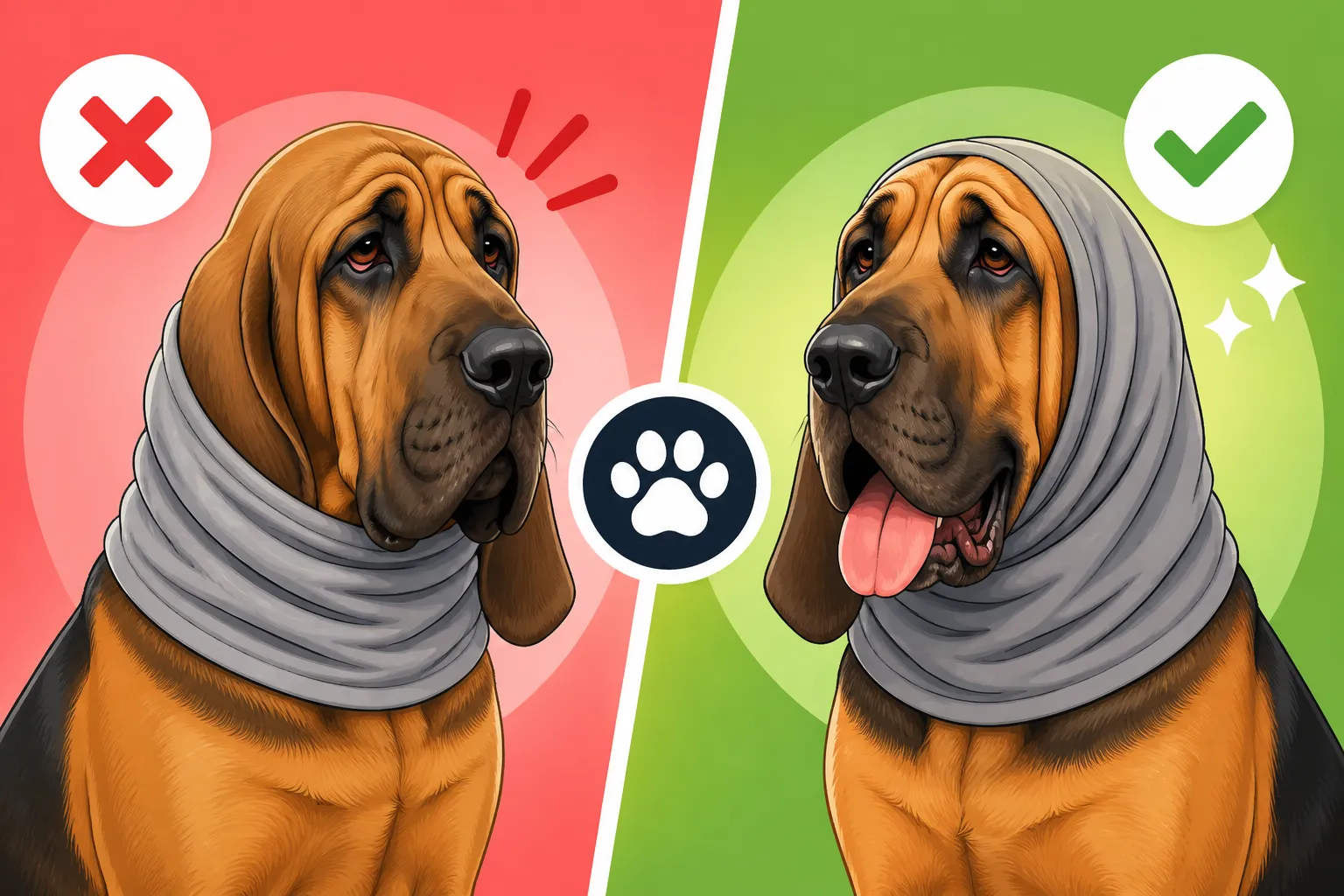
Whether a Bloodhound Tolerates Wearing a Snood
Ah, the majestic Bloodhound! With those incredible noses and even more incredible, impossibly long ears. As much as we adore their distinctive look, those ears can be a real handful, can't they? They dip into food, trail through water, and seem to attract every burr and bit of debris in the yard. It's enough to make any Bloodhound owner sigh in exasperation, wondering how to protect those precious, yet problematic, appendages. This guide is all about one popular solution: the snood. We're going to dive deep into whether your Bloodhound will actually tolerate wearing one, and more importantly, how you can make it a comfortable, even welcome, part of their routine.
Understanding the Bloodhound's Unique Ear Challenge
Let's be honest, those long, velvety ears are a defining feature of the Bloodhound. They are magnificent, contributing to that wise, soulful expression we all love. But beyond their aesthetic appeal and incredible scent-gathering capabilities, they present a unique set of challenges that every Bloodhound owner quickly becomes intimately familiar with. It's not just about aesthetics; it's about health and hygiene.
The Physical Reality of Long, Droopy Ears
Imagine having appendages that constantly sweep the ground, dip into every meal, and soak up every puddle. That's the daily reality for a Bloodhound's ears. Their sheer length means they are always in the way. When your Bloodhound lowers its head to sniff a fascinating scent trail, those ears act like natural brooms, dragging through dirt, mud, leaves, and whatever else nature has left behind. This isn't just a minor inconvenience; it's a constant source of potential contaminants and irritants that are then brought right up to the delicate ear canal.
Beyond the ground-sweeping action, the way Bloodhound ears hang down creates a perfect storm for ear problems. The ear leather is thick and heavy, effectively sealing off the ear canal from air circulation. This lack of airflow, combined with the normal warmth of a dog's body, creates a perpetually damp, dark, and warm environment inside the ear. This environment is, unfortunately, an ideal breeding ground for yeast and bacteria, making it incredibly easy for them to multiply and cause trouble. It’s a sad truth that A Bloodhound's Ears Are a Standing Infection Risk, and this physical reality is a major contributor.
The Daily Annoyances for Both Dog and Owner
The consequences of these magnificent ears quickly manifest in daily life. For you, the owner, it means constantly battling mess and potential health issues. Picture this: your Bloodhound enthusiastically dives into their dinner, and those long ears, despite your best efforts, end up submerged in kibble and slobber. When they lift their head, they're not just eating dinner; they're wearing it, and often, slinging it across your kitchen walls. The same goes for water bowls; those ears become sponges, soaking up water that then drips endlessly across your floors, leaving a trail of wetness wherever your hound goes. It’s not just a little drip; it’s often a full-on drenching.
For your Bloodhound, the ears aren't just messy; they can be uncomfortable or even painful. Imagine having your ears accidentally stepped on by your own feet, or caught under your body when you lie down. It happens more often than you think. And, of course, the constant dampness and debris can lead to persistent itching, irritation, and those dreaded ear infections. The cycles of scratching, head shaking, and pain can be truly miserable for your beloved companion. This is why Cleaning a Bloodhound's Ears Every Week for Life isn't just a suggestion; it's a necessity, a never-ending chore that can feel overwhelming at times.
What Exactly is a Snood and How Does It Help?
When you’re grappling with the daily realities of Bloodhound ears, solutions become incredibly appealing. One of the most practical and widely used tools in a Bloodhound owner’s arsenal is the snood. It’s a simple concept, but incredibly effective once you understand its purpose.
Defining the Snood and Its Purpose
A snood, at its core, is a simple tube of fabric designed to gather and hold a dog's ears close to its head, keeping them out of the way. Think of it like a headband or a cowl, specifically tailored for canine ears. It typically has openings for the face and neck, with the main body of the fabric extending down to cover the ears. You'll find them made from various materials, from soft, breathable cottons and fleeces for indoor use to more durable, water-resistant fabrics for outdoor adventures. Some even come in fun patterns or colors, adding a touch of canine fashion to their practicality.
The primary purpose of a snood is beautifully straightforward: ear protection and cleanliness. When your Bloodhound is eating, drinking, or even just rolling around on the carpet, a snood keeps those long ears from dragging through food, water, or whatever might be lurking on the floor. It acts as a physical barrier, preserving your dog's hygiene and preventing unwanted mess. Beyond the immediate cleanliness, it plays a crucial role in preventing ear infections by helping to keep the ear canal drier and cleaner, which is a big deal when you consider Why a Bloodhound's Ear Canal Stays Damp naturally.
The Benefits Beyond Just Cleanliness
While cleanliness is a huge advantage, the benefits of using a snood for your Bloodhound extend much further. Firstly, by preventing the ears from constantly dipping into food and water, you significantly reduce the risk of moisture and bacteria entering the ear canal. This directly translates to fewer ear infections, saving your Bloodhound discomfort and you, dear owner, countless vet bills and ear-cleaning struggles. Nobody enjoys trying to medicate a sore, infected ear on a large, protesting dog.
Secondly, for Bloodhounds who love to explore the great outdoors, a snood offers invaluable protection from environmental hazards. Think about those long lines you use for scent work; those ears are prime targets for burrs, foxtails, ticks, and even tiny sticks or seeds that can work their way deep into the ear leather or canal. A snood acts as a protective shield, allowing your Bloodhound to revel in their sniffing adventures without coming back looking like a mobile shrub. It's a game-changer for active hounds and their handlers. What a Snood Does for a Bloodhound is truly remarkable in its simplicity and effectiveness.
Here’s a quick overview of the pros and cons of snood use:
| Feature | Pros | Cons |
|---|---|---|
| Ear Protection | Shields from food, water, dirt, burrs, foxtails. Reduces physical injury risk. | Can get caught on objects if not fitted properly. |
| Hygiene | Keeps ears cleaner and drier, reducing the risk of infection. Minimizes mess around food/water bowls. | Requires regular cleaning of the snood itself. |
| Comfort | Prevents ears from being stepped on or dragged, potentially improving comfort. | Some dogs may initially resist, finding it unfamiliar or annoying. |
| Ease of Use | Generally easy to put on and take off. | Can become a habit your dog expects, making times without it messier. |
| Versatility | Available in various materials for different uses (eating, outdoor, medical). | May not be suitable for all situations (e.g., unsupervised wear). |
Getting Your Bloodhound to Tolerate a Snood (It's a Process!)
Now, the million-dollar question: will your Bloodhound actually wear this thing? Bloodhounds, for all their gentle nature, can be surprisingly opinionated, especially when it comes to something new on their head. The good news is, with patience and the right approach, most Bloodhounds can learn to tolerate, and even appreciate, their snoods. It's rarely an overnight success, so manage your expectations!
Starting Early and Making It Positive
The key to snood acceptance, like so many aspects of Bloodhound training, lies in positive reinforcement and early introduction. If you get your Bloodhound as a puppy, start introducing the snood in very short, positive sessions. Don't just shove it on their head and expect them to be thrilled. Instead, hold the snood up, let them sniff it, and offer a high-value treat and praise. Repeat this a few times until they associate the snood with good things.
Next, gently slip the snood over their head, just for a second or two, immediately followed by another stream of treats and enthusiastic praise. Then take it off. The goal is to make the experience brief, positive, and non-threatening. Gradually increase the duration the snood stays on, always pairing it with something your Bloodhound loves – delicious treats, a favorite toy, or gentle petting. Mealtime is an excellent opportunity to introduce it, as their focus will be on the food. Whether a Bloodhound Learns to Accept Ear Cleaning is similar; consistency and positive experiences are crucial.
Choosing the Right Snood and Gradual Acclimation
Selecting the correct snood is crucial for comfort and acceptance. A snood that's too tight will be uncomfortable and might even chafe, leading to immediate rejection. One that's too loose won't stay on, defeating its purpose entirely. Look for snoods made from soft, breathable fabrics that won't irritate their skin. Many online retailers, like Chewy or Amazon, offer a wide variety of sizes and materials, so you can experiment to find what works best for your hound. Measure your Bloodhound's head circumference and the length of their ears to ensure a good fit.
Once you have the right snood, continue with the gradual acclimation. Put the snood on for a few minutes while they eat, then take it off. Over days and weeks, slowly extend the time. Distract them with chew toys, puzzle feeders, or a training session while they wear it. The idea is to associate the snood with enjoyable, calming activities. If they start pawing at it, gently redirect their attention rather than making a big fuss. You want them to almost forget they're wearing it.
Troubleshooting Common Snood Aversions
It's completely normal for a Bloodhound to initially try to paw off a snood. It's a foreign object on their head, and their instinct might be to remove it. When this happens, avoid scolding them. Instead, gently redirect their paws with a chew toy or a treat, or simply remove the snood and try again later with a shorter duration and higher reward. If they act genuinely uncomfortable, pause and check the fit. Is it too tight around their neck or face? Is the fabric itchy? Sometimes a different material or a slightly larger size makes all the difference.
Persistence is key. Don't give up after a few attempts. Some Bloodhounds take longer than others to accept new things. A common mistake is to only put the snood on when there’s an immediate need, which makes the snood feel like a punishment or an inconvenience. Instead, incorporate it into a routine so it becomes a normal part of their day. For example, every time they get their breakfast, the snood goes on. Every time they go out for a long trail, the snood goes on. This predictability helps them understand what to expect.
When is a Snood Most Useful for Your Bloodhound?
While a snood can be useful in many scenarios, there are specific times when it really shines and makes a significant difference in a Bloodhound's daily life and overall well-being. Knowing these prime opportunities can help you maximize its benefits and ensure your Bloodhound stays comfortable and healthy.
Mealtime and Water Breaks
This is, by far, the most common and arguably the most crucial time to use a snood for your Bloodhound. We've all seen it: those beautiful, long ears dipping straight into the food bowl, emerging encrusted with kibble, or becoming saturated sponges after a drink of water. Not only does this make a mess, but it creates a perfect breeding ground for bacteria right against their delicate ear skin. A snood effectively lifts and secures the ears, keeping them completely clear of the food and water.
Consider the amount of time your Bloodhound spends eating and drinking throughout the day. That's many opportunities for their ears to get dirty and wet. Using a snood during these times drastically cuts down on the constant need to clean soggy, food-encrusted ears. It truly makes mealtime less messy for everyone involved. While a snood is a fantastic solution, some owners also find that Which Bowl Shape Keeps a Bloodhound's Ears Out can complement snood use, or even be a standalone solution for some situations. However, for maximum ear protection, especially with messy eaters, a snood is hard to beat. The Bloodhound Ear That Trails Through the Food Bowl is no longer an issue when a snood is in place.
Outdoor Adventures and Trail Work
For a breed built for scent work, outdoor adventures are a cornerstone of a Bloodhound's life. Whether it’s a leisurely sniff-walk in the local park or serious mantrailing work, those ears are going to get into everything. Tall grass, thorny bushes, muddy trails – they all pose a threat to those long, sensitive ears. Burrs and foxtails, in particular, can be a real nightmare, getting painfully tangled in the ear fringe and sometimes even migrating into the ear canal itself, requiring veterinary intervention.
A snood acts as a protective shield for your Bloodhound's ears during these excursions. It keeps them tucked up and safe from snagging on branches, collecting debris, or getting caked in mud. This is especially vital for working Bloodhounds, where preventing injury or irritation is paramount to their performance and comfort. Think of it as essential gear, much like a good harness and long line. While we discuss What It Costs to Put a Bloodhound on a Trail in another post, the cost of a snood is a small price to pay for preventing an expensive and painful ear injury. In hot weather, some snoods are even designed with cooling fabrics to help keep their ears comfortable while still protecting them.
Grooming and Medical Care
The utility of a snood isn't limited to eating and adventuring. It can also be an invaluable tool during routine grooming and even during periods of medical care. When it's bath time, slipping on a snood can help keep the ears dry and out of the way of shampoo and water, simplifying the bathing process. This is especially helpful if your Bloodhound isn't thrilled about having their ears handled. Afterward, when you're drying them, a breathable snood can help promote airflow while protecting the damp ear leather from getting caught on towels or accidentally brushed too hard.
Perhaps most importantly, if your Bloodhound is prone to ear infections – and many are, sadly leading to How Many Ear Infections a Bloodhound Averages a Year – a snood can be incredibly helpful during treatment and recovery. It can protect medicated ears from being scratched or pawed at, preventing your Bloodhound from accidentally dislodging cotton balls or wiping off topical creams. It also keeps healing ears clean and away from environmental contaminants that could worsen the infection. In cases where regular ear cleaning is prescribed, a snood can make the process less messy and more efficient. As we stress the importance of How Often a Bloodhound's Ears Need Cleaning, incorporating a snood can make this necessary task just a little bit easier for both you and your hound.
Disclaimer
This article is for general informational purposes only and does not constitute professional advice. Laws, prices and regulations vary by location and change over time. Consult a qualified professional for guidance on your specific situation.