How Much a Bloodhound Sheds
One of the most common misconceptions I hear about Bloodhounds is that because they have short hair, they must not shed much. Oh, if only that were true! Many new Bloodhound owners, often coming from breeds with long, flowing coats, are in for a bit of a shock when they discover that their short-haired companion seems to be leaving a fine layer of themselves on every surface. It’s a real frustration to constantly find dog hair on your clothes, furniture, and floors, even when you feel like you just cleaned. This guide is here to shed some light (pun intended!) on the reality of Bloodhound shedding, what you can expect, and how to best manage it in your home and on your beloved hound.
The Truth About a Bloodhound's Coat and Shedding Cycle
Let's get one thing straight right out of the gate: Bloodhounds shed. A lot. It's a fundamental part of who they are, much like their incredible noses and their soulful bay. You might look at their short, dense coat and think, "How much could that shed?" The answer, my friend, is "more than you'd believe possible."
Why a Short Coat Doesn't Mean Less Shedding
The length of a dog's coat often has little bearing on the volume of hair they produce. While you won't find long strands of hair floating around like with a Golden Retriever or a Husky, what you will find with a Bloodhound are countless short, stiff hairs that seem to embed themselves into every fabric known to humankind. Imagine tiny, stiff needles, and you're getting close to the texture. These hairs are notoriously difficult to remove from upholstery, carpets, and clothing because they don't just sit on the surface; they weave themselves right in. It's a unique kind of shedding challenge.
This isn't just about their short length; it's about the density of their coat and its constant turnover. Bloodhounds are built for rugged outdoor work, and their coats reflect that need for protection. It's a practical, no-fuss coat, but that doesn't mean it stays neatly on the dog. They are constantly cycling through hair, with old hairs making way for new ones, regardless of the season. This constant renewal ensures their coat remains healthy and protective, but it also means a steady supply of loose hair for you to contend with year-round.
Many people assume a short coat is low maintenance, but when it comes to shedding, that's often not the case at all. The very nature of the Bloodhound's short, coarse coat means that these hairs are robust and plentiful. They don't have a distinct, fluffy undercoat like some northern breeds that "blow coat," but their single, dense layer still produces a significant amount of detritus. The impression that The Coat Is the Easy Part of a Bloodhound is perhaps one of the biggest misdirections in Bloodhound ownership, at least when you consider the never-ending fight against shedding.
Understanding the Hair Growth Cycle in Bloodhounds
Every dog's hair grows in cycles, and Bloodhounds are no exception. These cycles have four main phases: anagen (the active growth phase), catagen (a transitional phase where growth stops), telogen (a resting phase), and exogen (the shedding phase where old hair falls out). For Bloodhounds, it feels like they're perpetually in the exogen phase, or perhaps a constant, low-grade anagen that quickly transitions to shedding.
Because their hair is relatively short, it doesn't take as long to grow to its full length compared to a long-haired breed. This means the hair growth cycle can be shorter and more frequent. Consequently, more hair reaches the shedding phase at any given time. It's a continuous process designed to keep their coat in prime condition for tracking, allowing them to traverse all sorts of terrain without their coat becoming matted or heavy with debris.
While all dogs have these cycles, the specific genetic makeup and environmental factors can influence their duration and intensity. A healthy Bloodhound with good nutrition will have a robust hair cycle, leading to consistent shedding. Think of it as a constant, natural exfoliation for their skin and coat. It’s not necessarily a bad thing from a biological standpoint; it just translates to more work for you with the vacuum and lint roller.
What to Expect When Living With a Shedding Bloodhound
So, you're bringing a Bloodhound into your life, or you already have one and you're nodding along, covered in a fine layer of dog hair. What exactly does living with a shedding Bloodhound entail? Let's paint a realistic picture.
The Volume of Hair: It's More Than You Think
Forget the idea of a few stray hairs. Living with a Bloodhound means acknowledging that dog hair will become a permanent accessory. You'll find it clinging to your favorite dark pants, embedded in your car seats, decorating your sofa, and forming little "tumbleweeds" that roll across your hardwood floors. It's a fine, often dark, and deceptively stiff hair that tends to weave its way into fabrics rather than sitting loosely on top. This makes it particularly challenging to remove from carpet and upholstery.
Their sheer size contributes to the perception of shedding volume. A larger surface area means more hair follicles, and therefore, more hair being shed. A 100-pound Bloodhound shedding even a seemingly small percentage of its coat is going to produce far more hair than a 20-pound terrier. It's a constant battle, and frankly, a losing one if your goal is a hair-free home. Instead, the goal becomes managing the deluge.
You'll quickly learn that lint rollers are not optional; they are essential, omnipresent tools. Keeping one by the door, in your car, and in your handbag becomes second nature. Whether a Bloodhound's Hair Sticks in Fabric is a resounding yes, and it often does so with impressive tenacity. Be prepared to adapt your wardrobe choices and your cleaning routines significantly.
Seasonal Shedding Peaks
While Bloodhounds are consistent, year-round shedders, there are definitely peak seasons where the volume ramps up. Typically, you'll notice an increase in shedding during the spring and fall. These periods are often triggered by changes in temperature and light, signaling to your dog's body that it's time to adapt its coat for the upcoming weather.
In the spring, they're shedding the denser, warmer coat they might have grown for winter, making way for a lighter summer coat. In the fall, they're shedding the summer coat and growing in a slightly thicker one for cooler temperatures. During these peak times, what might be a daily vacuuming chore could turn into a twice-daily necessity. You might even notice more hair coming off during brushing sessions, confirming that the shedding cycle is in full swing.
It's during these peaks that you might genuinely wonder if your Bloodhound is trying to redecorate your entire home with their fur. Don't worry, it's completely normal, albeit annoying. Just know that these intensified periods eventually subside, returning to their regular, albeit still significant, baseline shedding.
Managing Hair in Your Home and On Your Clothes
Accepting the shedding is one thing; living with it effectively is another. You'll need strategies to keep your home from becoming completely overrun. Fabric furniture can quickly become a fur magnet. Consider investing in sturdy, washable slipcovers for sofas and chairs, or opt for leather or pleather furniture that is much easier to wipe down. For bedding, especially if your Bloodhound shares your bed, choose duvet covers and sheets that are easy to wash frequently. In fact, embracing the idea of Whether a Bloodhound Owner Should Buy Washable Everything is a key to maintaining sanity.
Your vacuum cleaner will become your best friend. A powerful vacuum designed for pet hair is a must, and using it daily, or at least every other day, will make a significant difference. Robotic vacuums can also be a godsend, constantly patrolling your floors and picking up loose hairs before they accumulate into impressive dust bunnies. For your clothes, lint rollers are indispensable. Keep them in your car, your purse, and near your closet. A quick roll before you head out the door can save you from arriving at your destination looking like you wrestled a woolly mammoth.
| Location/Item | Shedding Expectation | Management Strategy |
|---|---|---|
| Floors | Constant accumulation of fine, stiff hairs | Daily vacuuming (pet-specific models, robot vacuums) |
| Furniture | Hairs embed deeply into fabric upholstery | Washable slipcovers, leather/pleather, lint rollers |
| Clothing | Particularly noticeable on dark fabrics | Lint rollers, immediate washing, sticky brushes |
| Car Interior | Carpets and seats become deeply furred | Seat covers, handheld vacuums, lint rollers |
| Dog Beds | Quickly fill with shed hair | Frequent washing, shake out outdoors |
| Human Bedding | Hair transfer if sharing sleeping space | Washable duvet covers, sheets, lint rollers |
Practical Strategies for Minimizing Bloodhound Shedding and Its Impact
While you can't stop a Bloodhound from shedding, you can certainly minimize its impact and keep your hound's coat healthy and happy. It all comes down to consistent care and the right tools.
Grooming Routines to Tackle Loose Hair
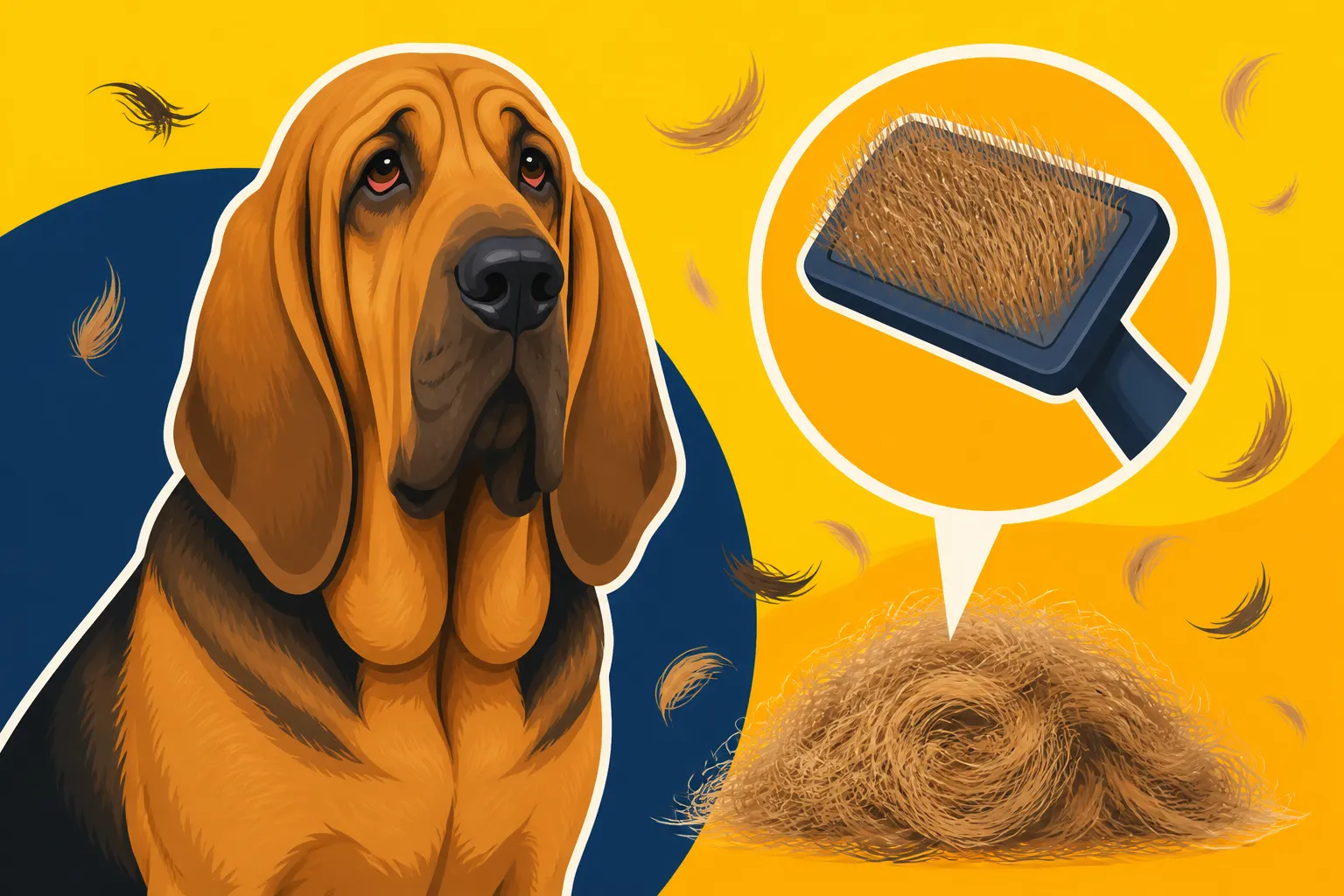
The single most effective way to manage Bloodhound shedding is consistent grooming. This means brushing your Bloodhound at least every other day, and ideally, daily, especially during peak shedding seasons. The goal isn't just to make them look tidy; it's to remove as much loose, dead hair as possible before it has a chance to fall out and coat your home. For a Bloodhound, a rubber curry brush or a "hound glove" is often the most effective tool. These brushes are designed to gently pull out loose hair from short coats without irritating the skin. Which Brush Suits a Bloodhound's Short Coat will usually be something like a ZoomGroom or a simple rubber mitt.
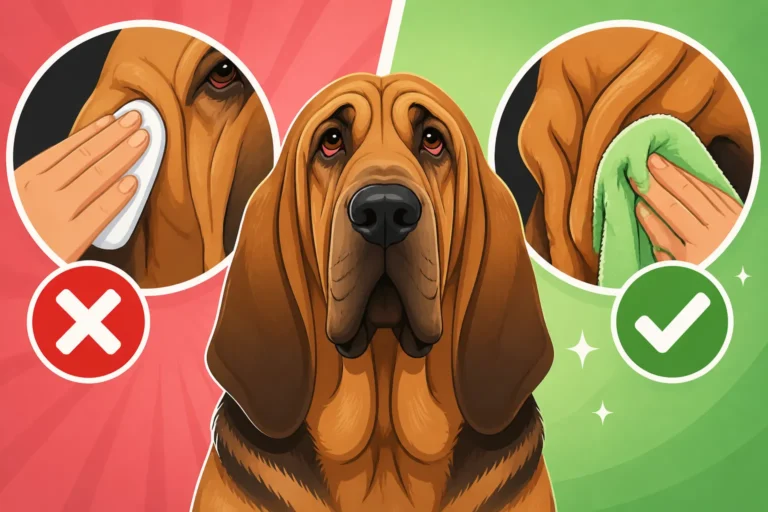
When brushing, work in short, firm strokes over their entire body. You'll be surprised how much hair these tools can collect. After brushing, you can wipe them down with a damp cloth to pick up any remaining loose hairs and add a nice sheen to their coat. Don't forget their long, droopy ears; gently brush these too, as hair can accumulate there.
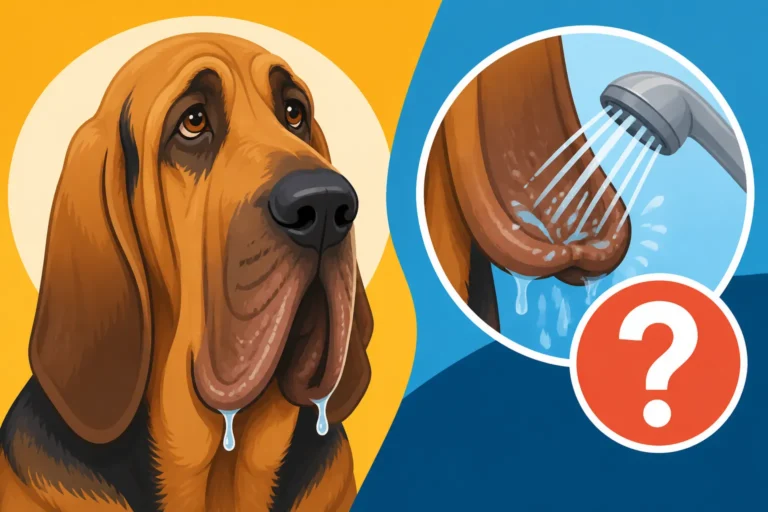
Bathing can also help to loosen and remove dead hair. While Bloodhounds don't need extremely frequent baths (unless they've rolled in something truly disgusting, which is always a possibility!), a bath every few weeks, followed by a good brush-out once they're dry, can significantly reduce the amount of shedding. Make sure to use a good quality dog shampoo that is gentle on their skin, and follow up with a conditioner if their skin seems dry. How Often a Bloodhound Needs a Bath really depends on their activity level and personal "Bloodhound smell," but combining it with a thorough brush-out is key for shedding management. Also consider Which Shampoo Suits a Bloodhound's Skin to avoid irritation.
Nutritional Support for a Healthy Coat
A healthy coat starts from the inside out, and proper nutrition plays a crucial role in managing shedding. A diet rich in high-quality protein and essential fatty acids can lead to a healthier coat, which in turn can mean less excessive or unhealthy shedding. While a good diet won't stop natural shedding, it can prevent issues like dull, brittle hair that breaks easily or excessive shedding due to poor skin health.
Look for dog foods that list real meat as the first ingredient and contain a good balance of omega-3 and omega-6 fatty acids. Some owners find that adding supplements like fish oil to their Bloodhound's diet makes a noticeable difference in coat health and shine. Whether a Bloodhound Needs Fish Oil is a common question, and for shedding and general skin health, it can be a real game-changer. These fatty acids help to nourish the skin and hair follicles, resulting in a stronger, healthier coat that sheds naturally rather than breaking off prematurely.
Brands like Ollie, for instance, focus on fresh, human-grade ingredients that are designed to be highly digestible and nutrient-dense, which can support overall skin and coat health. For a wide variety of quality kibbles, wet foods, and supplements, online retailers like Chewy offer numerous options to explore based on your Bloodhound's specific needs and your budget. If you notice your Bloodhound's shedding is accompanied by dry, flaky skin, or a dull coat, it might be worth discussing their diet and potential supplements with your veterinarian. Sometimes, excessive shedding can also be a symptom of underlying health issues like allergies or hypothyroidism, so it’s always good to rule those out. Signs a Bloodhound's Thyroid Is Low can sometimes include a poor coat, so watch for other symptoms.
Environmental Controls and Housekeeping Hacks
Beyond direct grooming, there are several things you can do to keep your home tidier. As mentioned, investing in a good vacuum, perhaps even a robotic one for daily patrols, is paramount. Many modern robot vacuums are designed specifically for pet hair and can be scheduled to run while you're out, effectively minimizing the daily accumulation. You can find excellent options on Amazon, often with features like stronger suction and specialized brushes for pet hair.
Consider using air purifiers with HEPA filters. While they won't pick up hair off the floor, they can capture airborne dander and fine hairs, improving indoor air quality and potentially reducing allergy triggers for sensitive family members. Regularly washing your Bloodhound's bedding, blankets, and any throws they use on furniture will also help. Before washing, give these items a good shake outside to dislodge as much hair as possible, which will help prevent clogging your washing machine's drain.
Finally, keep a designated "Bloodhound cleaning kit" in a convenient location. This might include a handheld vacuum, a supply of lint rollers, a few damp cloths for quick wipe-downs of hard surfaces, and your trusty rubber curry brush. By making these tools easily accessible, you're more likely to use them consistently, which is key to winning the never-ending battle against Bloodhound hair.
Setting Realistic Expectations for Bloodhound Owners
At the end of the day, owning a Bloodhound means embracing their unique characteristics, and shedding is certainly one of them. While you can manage it, you can't eliminate it entirely.
Accepting the "Bloodhound Glitter"
It's helpful to reframe shedding not as a problem, but as an unavoidable part of Bloodhound ownership. Think of it as "Bloodhound glitter" – it gets everywhere, it's persistent, and it reminds you of the wonderful, if a bit hairy, companion you have. No amount of brushing, bathing, or vacuuming will completely stop them from shedding. Their biology dictates that their coat cycles constantly, replacing old hairs with new. Your efforts are about managing the fallout, not preventing it entirely.
This acceptance can reduce a lot of frustration. Instead of fighting a losing battle, you can focus on routines that keep your home reasonably clean and your dog comfortable. Regular grooming isn't just about reducing hair; it's also a bonding experience and an opportunity to check their skin for any issues like Skin Fold Dermatitis on a Bloodhound, which they are prone to. It's simply part of the package when you bring one of these magnificent, scent-driven hounds into your life.
Is Excessive Shedding a Sign of Trouble?
While shedding is normal for Bloodhounds, sudden, excessive, patchy, or unusual shedding can sometimes be a red flag for an underlying health issue. It's important to know the difference between normal shedding and something that warrants a vet visit.
Signs that shedding might be problematic include:
- Patchy hair loss or bald spots: This is not normal shedding.
- Skin irritation: Redness, rashes, bumps, or excessive scratching.
- Dull, dry, or brittle coat: Can indicate nutritional deficiencies or health issues.
- Shedding accompanied by other symptoms: Lethargy, changes in appetite, weight loss or gain, or behavioral changes.
- Shedding that is completely out of season or unusually intense for prolonged periods.
Conditions like allergies, parasites (fleas, mites), fungal infections, bacterial skin infections, stress, and hormonal imbalances (like hypothyroidism, which can cause Signs a Bloodhound's Thyroid Is Low, often affecting coat quality) can all manifest with changes in shedding patterns or coat health. If you're concerned about your Bloodhound's shedding, especially if it seems abnormal or is accompanied by other worrying symptoms, don't hesitate to consult your veterinarian. They can help diagnose any underlying issues and recommend appropriate treatment, ensuring your Bloodhound stays as healthy and happy as possible.
Disclaimer
This article is for general informational purposes only and does not constitute professional advice. Laws, prices and regulations vary by location and change over time. Consult a qualified professional for guidance on your specific situation.