Whether a Bloodhound’s Ears Should Be Checked After Every Walk
Oh, the majestic, floppy ears of a Bloodhound! They're absolutely iconic, aren't they? But if you're a Bloodhound owner, you know those magnificent ears are also a constant source of worry, trapping moisture, debris, and becoming a perfect breeding ground for all sorts of nastiness. The question of whether to check your Bloodhound's ears after every walk isn't just a casual thought; it's a vital part of keeping these incredible hounds healthy and comfortable. This guide is here to help you understand why those daily (or even more frequent) ear checks are so important and how to do them effectively.
The Bloodhound's Ear: A Design Flaw for Health
Let's be real: those long, heavy, velvety ears that make a Bloodhound so distinctive are also, from a health perspective, a bit of a liability. They're designed for scent work, sweeping odors towards that incredible nose, but they also inadvertently create an environment ripe for problems. Understanding this unique anatomy is the first step to truly appreciating why vigilant ear care is non-negotiable for our beloved hounds.
Why They're So Long and Floppy
Imagine dragging a thick blanket across damp grass every time you take a step. That's essentially what your Bloodhound's ears are doing. Their massive ear leather, sometimes stretching well past their nose, acts like a natural seal over the ear canal. This design choice, while fantastic for concentrating scent molecules, unfortunately, severely restricts airflow into the ear canal. The lack of air means moisture gets trapped. Whether it's from humidity in the air, a quick splash in a puddle, or even just the natural warmth and slight discharge from the ear itself, that moisture builds up. This warm, damp, dark environment is precisely what bacteria and yeast thrive on. It's a prime setup for an infection to take hold, turning a minor issue into something much more serious. Why a Bloodhound's Ear Leather Blocks Airflow
The Hidden Depths of the Ear Canal
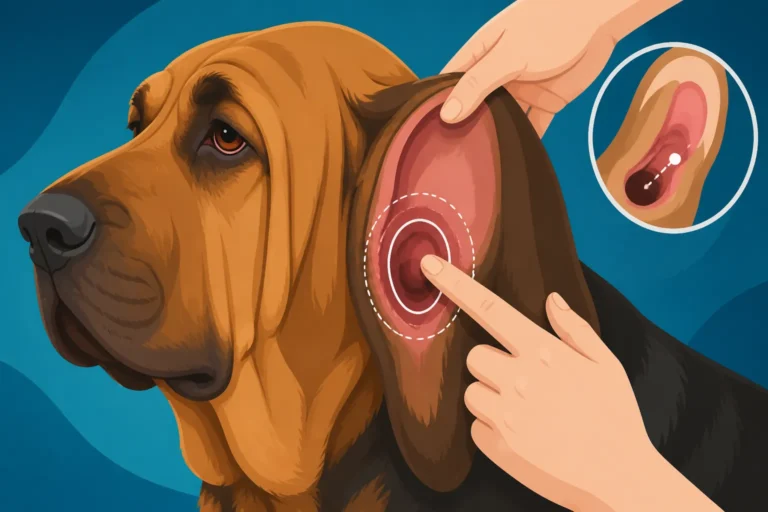
It’s not just the external flap that causes issues; the internal structure of a Bloodhound's ear canal is also particularly challenging. Unlike humans, whose ear canals are relatively straight, a dog's ear canal has a distinctive "L-shape." It starts vertically, then makes a sharp turn horizontally before reaching the eardrum. In Bloodhounds, this canal is exceptionally deep and often quite narrow. This architectural design makes it incredibly difficult for debris or discharge to exit naturally. Gravity can't do its job effectively. When you combine this deep, winding canal with trapped moisture and reduced airflow, it's a perfect storm. It means tiny irritations can quickly become significant problems, hidden away where they’re hard to see and even harder to reach for cleaning. Trying to clean this labyrinthine structure requires care and the right technique, otherwise, you risk pushing things deeper. How Deep a Bloodhound's Ear Canal Runs
Trailing and Trouble: How Their Job Impacts Their Ears
Our Bloodhounds are born to trail, to follow a scent with an unwavering focus that is truly awe-inspiring. But this magnificent ability comes with a downside for their ears. As they put their noses to the ground, those long, sweeping ears act like sensory sponges, collecting every bit of nature they come across. Think about a typical walk in the park, a hike on a dusty trail, or even a simple sniff around the backyard. Their ears drag through tall grass, brush against bushes, dip into puddles, and pick up everything from dirt and dust to burrs, foxtails, and tiny seeds.
Imagine a foxtail, that insidious, barbed seed, making its way into the warm, inviting folds of the ear. It can travel down the canal, causing intense irritation, pain, and potentially perforating the eardrum. Ticks also love to hitch a ride on those long ears, seeking a warm, dark place to feed. Even harmless-looking pollen and allergens can cling to the ear leather and migrate inside, causing itchy, inflamed skin, which then leads to more scratching, head shaking, and further irritation. Their work is a joy to watch, but it necessitates an immediate post-activity ear check.
Why Frequent Ear Checks Are Not Just a Suggestion, But a Necessity
Given the unique challenges presented by a Bloodhound's ears and their natural inclination to put their nose to the ground, "frequent" really means every time they've been outside and active. This isn't just about spotting a problem; it's about being proactive, preventing minor irritations from escalating into painful, costly, and potentially chronic conditions.
Early Detection of Infections
One of the biggest frustrations for Bloodhound owners is how quickly an ear can go from "fine" to "full-blown infection." That warm, moist environment we talked about is a haven for both yeast and bacteria. Yeast infections often have a sweet, musty, or "corny" smell, and the ear might look greasy and a bit brownish. Bacterial infections can smell foul, produce yellow or green discharge, and be incredibly painful. Waiting until your Bloodhound is shaking its head violently, scratching incessantly, or holding its ear at an odd angle means the infection is already well-established. By checking their ears immediately after a walk, you can catch the earliest signs: a faint, unusual odor, a slight redness inside the flap, or a minimal increase in waxy discharge. Early detection can mean the difference between a few days of medicated drops and weeks of intense treatment, or even more serious interventions like deep flushes under sedation. Signs a Bloodhound's Ear Is Infected and Whether Yeast or Bacteria Is More Common in a Bloodhound's Ear are excellent resources to learn more about the specifics.
Consider a scenario: you've just come back from a beautiful trail walk. Your Bloodhound, "Sherlock," was in his element, nose to the ground, ears sweeping through the underbrush. A quick check reveals a tiny bit of redness at the entrance of one ear canal and a very faint, yeasty smell that wasn't there this morning. If you wait until tomorrow, that yeast could have doubled, causing Sherlock discomfort and making treatment longer. Catching it now means you can immediately use a preventative ear cleaner or consult your vet before it becomes a full-blown crisis.
Preventing Foreign Objects and Injuries
Bloodhounds, with their trailing nature, are magnets for nature's little nasties. Burrs, seeds, small twigs, and even tiny insects can easily find their way into those long, low-hanging ears and then journey deep into the ear canal. Once inside, these foreign objects can cause immense pain, severe irritation, and can even lead to serious damage, including a ruptured eardrum. Imagine the discomfort of a tiny, barbed seed working its way further into a sensitive area with every shake of the head.
Beyond foreign objects, the sheer size and weight of a Bloodhound's ears make them prone to injury. Vigorous head shaking, often a sign of irritation or the onset of an infection, can cause an aural hematoma – a blood blister that forms between the skin and cartilage of the ear flap due to ruptured blood vessels. These are painful and often require veterinary intervention, sometimes even surgery, to resolve. Their long ears can also get caught on branches, fences, or even underfoot, leading to tears or scrapes. Regular post-walk checks allow you to inspect for any unusual swelling, cuts, or abrasions on the ear leather that might indicate trauma or the presence of an unwelcome hitchhiker. Whether Burrs Catch in a Bloodhound's Ear Leather and Whether a Bloodhound's Ear Hematoma Needs Draining are crucial topics for any Bloodhound owner.
| Signs of a Healthy Bloodhound Ear | Signs of Potential Ear Trouble |
|---|---|
| Clean, light pink skin inside flap | Redness or inflammation |
| No strong odor | Foul, yeasty, or sweet smell |
| Minimal light brown/tan wax | Excessive dark wax or discharge (yellow, green, brown) |
| No tenderness to touch | Pain or sensitivity when touched |
| Normal head position | Head tilting or shaking |
| Calm, relaxed demeanor | Scratching at ears, rubbing head on furniture |
| Dry ear canal | Dampness or wetness deep inside |
Managing Moisture and Odor
Let's face it: Bloodhounds can be a bit… fragrant. And their ears are often a significant contributor to that distinct "hound smell." Even healthy Bloodhound ears can retain a certain musky scent, largely due to the limited airflow and natural ear wax production. Whether a Bloodhound's Ears Smell Even When Healthy explains this phenomenon well. However, when moisture builds up, and a minor overgrowth of yeast or bacteria begins, that subtle musk can quickly turn into a truly unpleasant odor.
Regular post-walk checks, especially if the walk involved damp environments, allow you to manage this moisture proactively. By gently wiping the accessible parts of the ear flap and the entrance to the canal with a clean cotton ball, you can remove superficial dirt and dry any residual dampness. This simple act goes a long way in preventing the conditions that lead to that strong, sour ear smell. It's about maintaining a balance, preventing the environment from becoming too hospitable for microbial overgrowth, and keeping your Bloodhound smelling more like a beloved companion and less like a forgotten laundry basket.
How to Properly Check Your Bloodhound's Ears After a Walk
Checking your Bloodhound's ears should become as routine as wiping down their jowls after they've had a drink. It doesn't have to be a major production, but it does need to be thorough enough to spot any developing issues. Consistency and a positive approach are your best friends here.
The Visual Scan and Gentle Feel
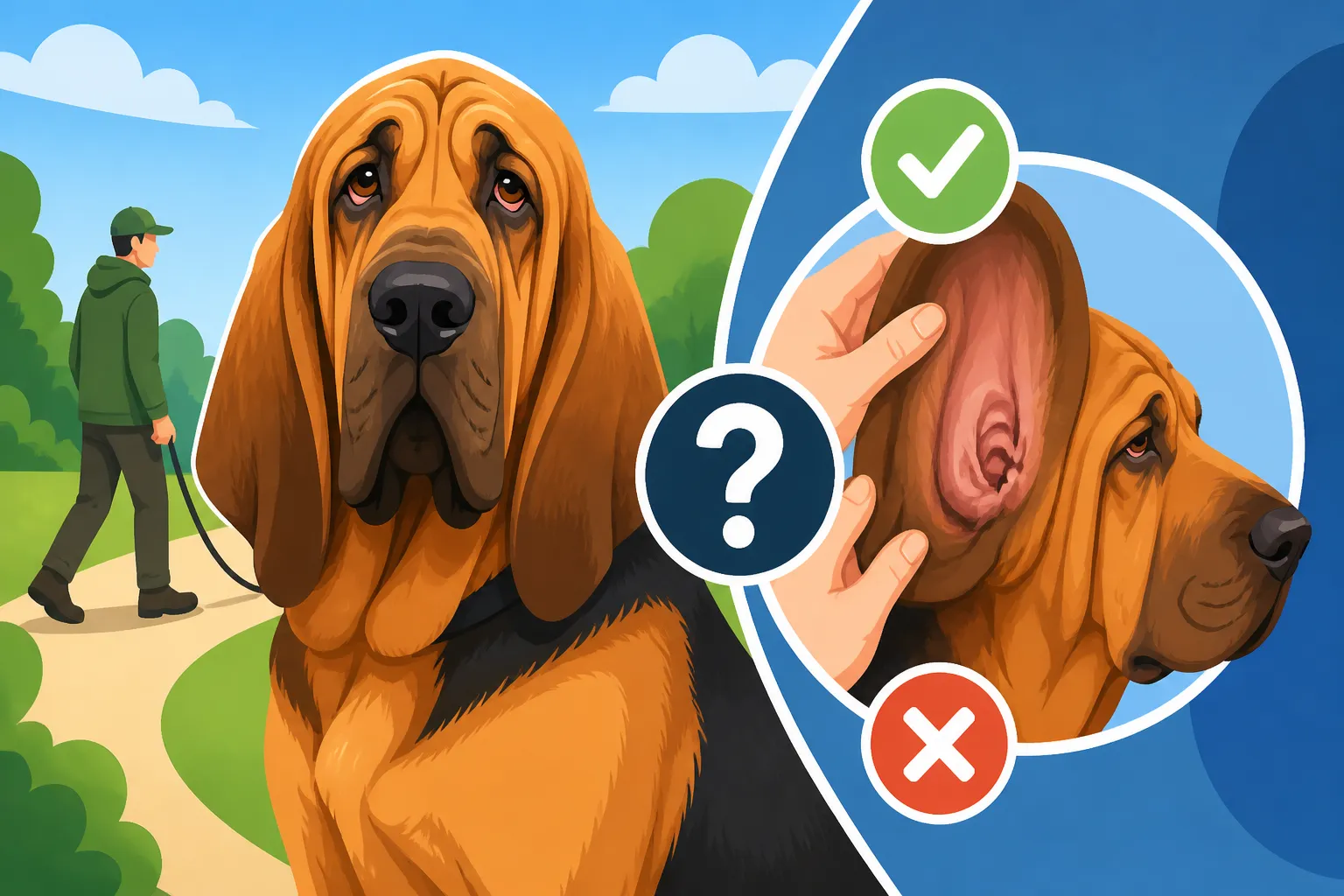
The first step is always a good visual inspection. Get down to your Bloodhound's level, or have them lie down comfortably. Gently lift each ear flap fully to expose the inner surface. Look for any signs of redness, swelling, or changes in skin texture. Is the skin smooth and a healthy light pink, or does it look irritated, bumpy, or thickened? Pay close attention to the folds and crevices on the inner ear flap – these are prime spots for problems to hide.
Next, give the ear a gentle feel. Run your fingers along the base of the ear, feeling for any heat, swelling, or tenderness. A healthy ear should feel cool and pliable, not hot, puffy, or painful. If your Bloodhound flinches, pulls away, or vocalizes when you touch a certain spot, that's a red flag. Be observant of their body language throughout this process; a slight wince or a lowered head can tell you as much as a yelp.
What to Look and Smell For
This is where your senses really come into play. You're looking for deviations from the norm, specifically:
- Discharge: Is there any discharge present? What color is it? Healthy ear wax is usually a minimal amount of light tan or yellowish-brown, semi-solid substance. Anything excessive, dark brown, black, yellow, or greenish, especially if it's liquidy or purulent, is a sign of trouble.
- Odor: Gently sniff the opening of the ear canal. You'll learn your Bloodhound's "normal" ear smell over time. Any strong, unpleasant odor – think sour, yeasty, rotten, or intensely sweet – is a definite warning.
- Redness and Swelling: Look for any areas of increased redness or inflammation, particularly deeper inside the canal opening. Swelling around the ear canal or on the ear flap itself is also a concern.
- Scratching or Rubbing: While not directly seen in the ear, signs of irritation like fresh scratch marks behind the ear, hair loss, or matted fur from excessive scratching or rubbing their head on furniture can indicate an underlying ear issue. Persistent head shaking is another strong indicator. Signs a Bloodhound's Head Shaking Means Infection is a must-read for anyone noticing this behavior.
- Foreign Material: Look for any foreign objects like burrs, seeds, ticks, or dried mud caught in the hair or within the ear folds. These are much easier to remove when caught early.
When to Clean vs. When to Call the Vet
Knowing the difference between needing a routine cleaning and needing professional help is crucial.
- Routine Cleaning: If you've just come back from a particularly dirty or damp walk, and your visual and olfactory checks show no signs of infection (no redness, no bad smell, no excessive discharge), a gentle cleaning is appropriate. Use a veterinary-approved ear cleaner (you can find great options from brands like Chewy or Amazon, but always check with your vet first on suitable ingredients). What to Clean a Bloodhound's Ears With provides excellent guidance. Squirt the solution into the ear canal, massage the base of the ear to break up wax, and then wipe out the excess with cotton balls. Never use cotton swabs deep in the ear, as they can push debris further in or damage the eardrum.
- Call the Vet: If you observe any of the warning signs – redness, strong odor, excessive or abnormal discharge, swelling, pain, or persistent head shaking – it's time to call your veterinarian. Do not attempt to self-treat an infection with remedies you might have at home. This can make diagnosis harder and potentially worsen the condition. Your vet will be able to properly diagnose whether it's a bacterial, yeast, or mixed infection, rule out foreign bodies, and prescribe the correct medication. Sometimes, they might need to sedate your Bloodhound for a deep cleaning and examination, especially if the ear is very painful or a foreign object is suspected deep in the canal. Ignoring persistent issues can lead to chronic ear infections, scar tissue buildup, and in severe, long-term cases, may even necessitate surgery like a total ear canal ablation to provide relief. What a Total Ear Canal Ablation Means for a Bloodhound
Establishing a Routine and Getting Your Bloodhound On Board
Making ear checks a positive, consistent part of your Bloodhound's life is essential. It's not just about hygiene; it builds trust and allows you to catch problems before they become major headaches (literally, for your hound!).
Making it a Positive Experience
From the moment you bring your Bloodhound puppy home, start desensitizing them to ear handling. Gently touch their ears, lift the flaps, and peek inside, always followed by praise and a high-value treat. Make it a game, not a chore. As they get older, extend the duration of the handling. The goal is for them to associate ear checks with positive rewards, making them more tolerant and cooperative. If you wait until their ears are painful to introduce handling, it will be a much harder battle for everyone involved.
For adult Bloodhounds who might be less enthusiastic, start slowly. Begin with just a quick lift and peek, reward, and then increase the intensity and duration gradually. Use very tempting treats, like small pieces of cooked chicken or cheese. Be patient; consistency will eventually pay off. Remember, your Bloodhound isn't being "stubborn"; they might be uncomfortable, scared, or simply find the process unpleasant. Your calm, reassuring demeanor makes all the difference.
Tools of the Trade for Bloodhound Ear Care
Having the right supplies on hand makes routine ear care much easier. Here's what you'll typically need:
- Veterinary-Approved Ear Cleaner: As mentioned, consult your vet for a recommendation. Look for cleaners with drying agents if your Bloodhound's ears tend to be very moist, or gentle cleansers for sensitive skin. Many reputable brands are available on sites like Chewy or Amazon. What to Clean a Bloodhound's Ears With has great specific product advice.
- Cotton Balls or Large Cotton Pads: These are ideal for wiping the visible parts of the ear and soaking up excess cleaner. Their softness reduces irritation. Avoid cotton swabs, which can push debris deeper into the ear canal. Whether Cotton Balls or Gauze Suit a Bloodhound's Ears confirms this.
- Snood: While not directly for cleaning, a snood (a fabric tube worn over the ears) can be incredibly useful, especially during meal times or when your Bloodhound is rummaging outside in messy conditions. It keeps those long ears out of food, water, and away from dirt, reducing the frequency of deep cleaning required. What a Snood Does for a Bloodhound is a good read on this.
- High-Value Treats: Essential for positive reinforcement during ear checks and cleaning.
Consistency is Key
Ultimately, whether you check your Bloodhound's ears after every single walk depends on the individual dog, the type of environment they were in, and your vet's specific recommendations. However, a good rule of thumb for a Bloodhound, especially one who loves to trail, is to perform a quick visual and sniff test after any outing where their ears have been sweeping close to the ground, been exposed to water, or to a dusty/grassy area.
At a minimum, aim for a thorough ear check and cleaning once a week, even if your dog hasn't been particularly active. This consistent routine will help you stay ahead of potential problems, maintain healthy ear hygiene, and quickly identify any changes that warrant veterinary attention. Think of it as a small investment of time that saves you a lot of heartache and expense down the road. After all, a Bloodhound's ears are more than just a beautiful breed characteristic; they are a delicate system that needs your dedicated care. How Often a Bloodhound's Ears Need Cleaning goes into more detail on establishing this essential schedule.
Disclaimer
This article is for general informational purposes only and does not constitute professional advice. Laws, prices and regulations vary by location and change over time. Consult a qualified professional for guidance on your specific situation.