Whether Cotton Balls or Gauze Suit a Bloodhound’s Ears
The struggle to keep a Bloodhound's ears clean and healthy is a tale as old as the breed itself for many owners. Those long, pendulous ears are magnificent to behold, but they also create a perfect storm of warmth and humidity, making them a hotspot for infections. When it comes to daily maintenance and preventative care, choosing the right tool for the job can make a world of difference, not just in effectiveness but also in your own frustration levels. This guide will walk you through the nuances of using cotton balls versus gauze for cleaning your Bloodhound's precious ears, helping you make an informed choice for your hound's well-being.
The Challenge of Cleaning a Bloodhound's Ears
Let's be honest, cleaning a Bloodhound's ears isn't exactly a quick wipe-and-go situation. It's an ongoing commitment, a necessary ritual that Bloodhound owners embrace to prevent painful, recurring infections. The sheer anatomy of a Bloodhound's ear is designed, almost tragically, to hold onto trouble. Understanding these unique challenges is the first step to successful ear care.
Why Bloodhound Ears Are So Prone to Trouble
From the moment you bring home a Bloodhound puppy, you become intimately familiar with those majestic, velvety ears. They're a defining characteristic of the breed, sweeping scents towards their powerful nose, but they also come with a significant downside for their health. The ear leathers are incredibly long and heavy, essentially sealing off the ear canal from fresh air. This lack of ventilation creates a warm, moist environment – the absolute perfect breeding ground for bacteria and yeast. Think of it like a tiny, damp cave where unwanted microorganisms can thrive, undisturbed.
Beyond the external structure, the ear canal itself is deep and often has a winding, L-shaped bend. This makes it incredibly difficult for debris, ear wax, and any moisture that gets in (from bathing or even just humidity) to escape naturally. Gravity pulls everything down, and without proper airflow, the ear can't dry out. This constant dampness means that yeast and bacteria, which are always present in small numbers, can quickly multiply and lead to a full-blown, uncomfortable infection. Many Bloodhound owners know the tell-tale smell of an ear turning yeasty or bacterial, and it's a constant battle to keep that environment balanced. It's why Why a Bloodhound's Ear Canal Stays Damp is such a critical read for any owner.
The Importance of Proper Cleaning Tools
Given the unique architecture of a Bloodhound's ear, the tools you choose for cleaning are not just a matter of preference; they're integral to effective care. You're not just wiping away surface dirt; you're trying to reach into those folds and the visible parts of the canal without causing irritation or pushing gunk further down where it can't be easily removed. A poor tool can turn a necessary task into a frustrating, ineffective, or even harmful ordeal.
The right tool needs to be absorbent enough to pick up cleaner and debris, yet sturdy enough not to fall apart in the process. It also needs to provide enough control for you to navigate around the delicate structures of the ear. Imagine trying to clean a narrow, winding pipe with a flimsy rag – it just won't work. The wrong material can shred, leaving irritating fibers behind, or it might not have the right texture to actually grab and remove the waxy buildup. This is why the debate between cotton balls and gauze isn't just academic; it directly impacts how well you can protect your Bloodhound from the inevitable onslaught of ear issues.
Cotton Balls for Bloodhound Ears: Pros and Cons
When you first approach ear cleaning, cotton balls seem like the obvious, gentle choice. They're soft, readily available, and we use them for so many delicate tasks. But are they truly suited for the intricate and often messy job of a Bloodhound's ear? The answer, as with many things Bloodhound, is a bit more complicated than it appears on the surface.
The Appeal and Limitations of Cotton Balls
There's no denying the initial appeal of cotton balls. They are incredibly soft, which makes you feel like you're being gentle with your beloved hound's sensitive ears. You can buy them almost anywhere, from grocery stores to big box retailers, often in bulk. For a quick, superficial wipe of the outer ear flap (the pinna), they can feel like a convenient option. They absorb liquids well, so they're good for soaking up some ear cleaner before you get to work.
However, the very softness that makes them appealing is also their greatest limitation when it comes to a Bloodhound's deep, intricate ear structure. Cotton balls tend to fray and shed fibers easily. As you try to maneuver them into the nooks and crannies of your Bloodhound's ear folds or even just the entrance of the canal, tiny strands of cotton can break off and remain behind. These fibers can become an irritant, or even worse, they can get stuck in wax, potentially trapping more moisture and creating an even more inviting environment for bacterial growth. Imagine pulling a sweater apart – those little bits that come off are exactly what you want to avoid leaving in an ear canal. For deeper cleaning, cotton balls are almost impossible to use effectively. They're too bulky to reach into the visible canal with precision, and they simply push debris around rather than scooping it out. Many owners end up feeling like they're just getting the ear wet, not actually cleaning it.
When Cotton Balls Might Be Acceptable (and When Not)
So, are cotton balls ever useful for a Bloodhound? For extremely superficial cleaning, perhaps. If your Bloodhound has just a tiny bit of surface dust on the inside of its ear flap after a walk, or if you're trying to gently dab away a small amount of liquid from the very outer edge, a cotton ball might suffice. Think of it as a quick touch-up, not a deep clean. If you're using a specific ear-drying solution after a bath, a cotton ball could be used to gently blot the external ear.
However, for anything more involved than that – which is almost all Bloodhound ear care – cotton balls are simply not the right tool. They are particularly inadequate when you're dealing with waxy buildup in the ear canal or trying to address the early stages of an infection. Their bulk prevents them from getting into the folds of the pinna where gunk loves to hide, and they are completely useless for cleaning the L-shaped ear canal itself. Using them for this purpose can actually be counterproductive, compacting wax further into the ear or leaving behind fibers that will only contribute to irritation. You'll find yourself running through an entire bag of cotton balls just to make a dent, and even then, you might still have a persistent issue. It’s important to understand How Deep a Bloodhound's Ear Canal Runs to appreciate why surface tools just won’t cut it.
Gauze for Bloodhound Ears: A More Effective Solution
After battling with cotton balls and feeling like you're getting nowhere, many Bloodhound owners discover the superior effectiveness of gauze. This simple medical supply becomes an indispensable part of their ear-cleaning arsenal, and for good reason.
Why Gauze Tends to Outperform Cotton
When it comes to the nitty-gritty work of cleaning a Bloodhound's ears, gauze pads or rolled gauze truly shine. The key difference lies in its construction. Unlike the fluffy, loosely woven nature of cotton balls, gauze is typically made of a tightly woven cotton blend or synthetic material that is designed to be lint-free. This is a game-changer for ear cleaning; you won't be leaving irritating fibers behind in the delicate ear canal.
Gauze also offers a slightly more abrasive texture, which sounds harsh, but it's actually incredibly helpful. It means the gauze can gently scrub and lift away stubborn wax and debris from the skin lining the ear, rather than just smearing it around. When wrapped securely around your finger, gauze gives you much better control and allows you to reach into the deeper folds of the outer ear and the visible part of the canal entrance with precision. This ability to really get in there and extract gunk makes the cleaning process far more effective and satisfying. You'll actually see the yellowish-brown wax or reddish-brown yeast residue coming off on the gauze, rather than just a damp cotton ball. Many pet parents find great medical-grade gauze pads on sites like Chewy or Amazon, making it easy to stock up on this essential item.
Best Practices for Using Gauze on Bloodhound Ears
Using gauze effectively is all about technique. First, gather your supplies: your veterinarian-approved ear cleaner (this is critical – never use alcohol or hydrogen peroxide!), and several pieces of clean gauze. You can buy pre-cut gauze pads or a roll of gauze that you cut into manageable squares, about 2×2 or 3×3 inches.
Here's how to approach it:
- Prepare the Ear Cleaner: Generously fill your Bloodhound's ear canal with the appropriate cleaner, following the product instructions. Don't be shy; you want to make sure the cleaner gets down into the canal to loosen debris. Gently massage the base of the ear for about 30 seconds to help the cleaner work its way around. You'll often hear a squishy sound, which means it's doing its job!
- Give Them a Shake: Let your Bloodhound shake their head vigorously. This helps bring a lot of the dissolved gunk and excess cleaner up to the surface. Have a towel ready – Bloodhounds can make quite a mess!
- Wrap Your Finger: Take a fresh piece of gauze and wrap it snugly around your index finger. You want it secure enough that it won't slip off inside the ear, but not so tight that it cuts off circulation.
- Clean the Visible Areas: Gently insert your gauze-wrapped finger into the visible part of your Bloodhound's ear canal. Use a gentle, sweeping motion to wipe away any wax, dirt, or discharge you can see. Focus on the folds and crevices of the outer ear, moving from the inside out. Don't force your finger beyond where it comfortably fits. Remember, you should only be cleaning what you can see and comfortably reach without causing discomfort. If you try to go too deep, you risk injuring the eardrum.
- Replace as Needed: As the gauze gets dirty, discard it and wrap a fresh piece around your finger. Continue until the gauze comes out clean. This might take several pieces, especially if your Bloodhound's ears are particularly waxy or if it's been a while since their last deep clean.
- Don't Forget the Ear Flap: Use a clean piece of gauze to wipe down the inside and outside of the long ear flap itself, especially the edges and tips, where debris can accumulate.
- Final Dry: If your cleaner leaves a lot of moisture, you can use a fresh, dry piece of gauze to gently blot the visible parts of the ear dry. Keeping the ear as dry as possible is crucial, so consider using an ear-drying solution afterward, especially if your Bloodhound is prone to moisture-related infections.
Always be gentle and observe your Bloodhound's reaction. If they show signs of pain, excessive redness, or a strong, foul odor persists, it's time for a vet visit. You should never force your way into the ear or use anything sharp. For more on what to use, check out What to Clean a Bloodhound's Ears With.
| Cleaning Tool | Pros | Cons | Best Use Case | Not Recommended For |
|---|---|---|---|---|
| Cotton Balls | Soft, readily available, inexpensive | Fray easily, leave fibers, poor debris removal, bulky | Very superficial wiping of outer ear flaps | Deep canal cleaning, waxy ears, active infections |
| Gauze Pads | Lint-free, good for lifting debris, better control, absorbent | Slightly more expensive than cotton balls, requires proper finger wrapping technique | Thorough cleaning of outer ear folds and visible canal, removing wax | Inserting deep into the ear canal with tools |
Beyond the Tools: A Holistic Approach to Bloodhound Ear Care
While choosing between cotton balls and gauze is an important decision for effective cleaning, it’s only one piece of the puzzle when it comes to maintaining your Bloodhound’s ear health. A holistic approach involves consistent routine, the right products, and knowing when to seek professional help.
The Role of Quality Ear Cleaner and Regularity
Even the best cleaning tool is only as good as the solution it's used with. You absolutely must use a veterinarian-approved ear cleaner specifically designed for dogs. These cleaners are formulated to be pH-balanced, gentle on delicate ear skin, and effective at breaking down wax and killing or inhibiting yeast and bacteria. Avoid homemade remedies like vinegar and water unless explicitly advised by your vet, as they can sometimes do more harm than good, especially if the ear is already irritated. Many excellent options are available, and your vet can recommend one that suits your Bloodhound's specific needs. For a more detailed look, see What to Clean a Bloodhound's Ears With.
Regularity is arguably the most critical factor in Bloodhound ear care. These ears don't forgive neglect. For most Bloodhounds, a weekly cleaning routine is non-negotiable. Some hounds, especially those prone to recurrent infections or living in humid climates, might even benefit from cleaning every few days. Consistency prevents buildup, keeps the ear environment balanced, and allows you to catch any problems early before they escalate into painful, costly infections. Make it a positive experience with treats and praise, so your Bloodhound learns to tolerate, if not enjoy, their ear spa sessions. Understanding How Often a Bloodhound's Ears Need Cleaning is key to preventing long-term issues.
Recognizing When Professional Help is Needed
Despite your best efforts with cleaning, Bloodhounds are still highly susceptible to ear infections. Knowing the signs that indicate a professional veterinary visit is necessary can save your dog a lot of discomfort and prevent chronic issues. Don't hesitate if you notice any of these symptoms:
- Persistent Head Shaking or Scratching: This is often the first and most obvious sign of discomfort. Your dog is trying to dislodge something or alleviate an itch.
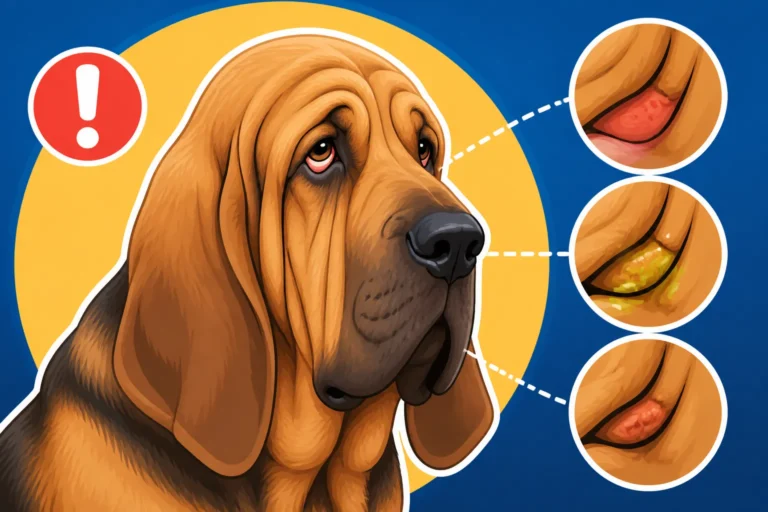
- Redness or Swelling: If the inside of the ear flap or the visible ear canal looks inflamed, red, or swollen, it's a clear indicator of irritation or infection.
- Foul Odor: A healthy ear should have a very mild, almost neutral smell. A strong, yeasty, or putrid odor is a definitive sign of infection.
- Discharge: Any discharge that is not clear or a very light, healthy wax is cause for concern. Yellow, green, or dark brown/black discharge, especially if it's abundant, points to infection.
- Pain: If your Bloodhound cries out, flinches, or pulls away aggressively when you touch their ears, they are experiencing pain. This is a strong signal that an infection is likely present and needs medical attention.
- Changes in Behavior: Lethargy, loss of appetite, or general grumpiness can sometimes accompany a painful ear infection.
Ignoring these signs is never a good idea. Ear infections left untreated can become chronic, deep-seated issues that are much harder and more expensive to resolve. Sometimes, a Bloodhound's ear infection might require sedation for thorough cleaning and examination by the vet, especially if the pain is severe or the dog is uncooperative. Signs a Bloodhound's Ear Is Infected is a crucial resource for any Bloodhound owner. Your vet can accurately diagnose the type of infection (yeast, bacterial, or a combination) and prescribe appropriate medication, such as medicated drops or oral antibiotics. They can also check for foreign bodies or other underlying issues that might be contributing to the problem. Catching these problems early can prevent a minor irritation from turning into a permanent, debilitating condition for your beloved hound.
Disclaimer
This article is for general informational purposes only and does not constitute professional advice. Laws, prices and regulations vary by location and change over time. Consult a qualified professional for guidance on your specific situation.