Why Cotton Swabs Are Wrong for a Bloodhound’s Ear
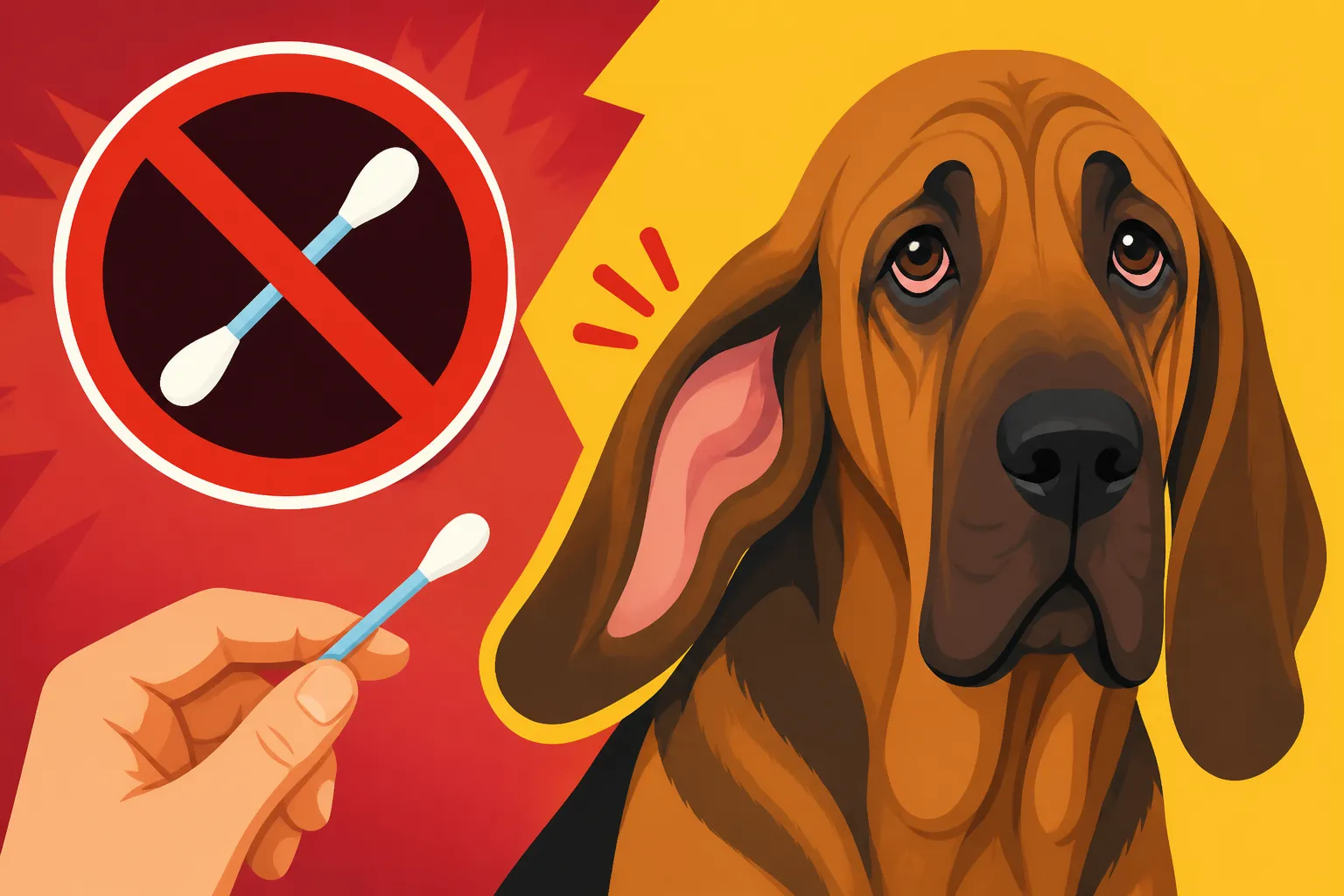
It's a common, understandable impulse when you see some gunk in your Bloodhound's ear: grab a cotton swab and try to clean it out. After all, it works for us, right? But for our beloved, long-eared companions, this seemingly innocent act can actually do far more harm than good, turning a simple grooming task into a potential health hazard. This guide is here to unravel why those little cotton-tipped sticks are completely the wrong tool for your Bloodhound's unique ears and to give you the knowledge you need for safe, effective ear care.
Understanding the Bloodhound Ear: A Unique Challenge
Before we even talk about cleaning, we need to appreciate what we're working with. A Bloodhound's ear isn't just a floppy appendage; it's a marvel of scent-collecting engineering, but also a complex anatomical structure that creates its own set of challenges. Understanding this fundamental difference from human ears is the first step to truly caring for them.
The Anatomy That Makes Them Special and Problematic
Our Bloodhounds are blessed with those magnificent, long, pendulous ears, often referred to as "leathers," that sweep the ground, directing scent particles right to their powerful noses. It's truly incredible to watch them work! But these very features, while fantastic for trailing, create an environment inside the ear canal that is ripe for problems. Think about it: a human ear canal is relatively short and open to the air, allowing moisture to evaporate and debris to fall out naturally. A Bloodhound's ear canal, however, is much deeper and more convoluted. It takes a bend, almost like an "L" shape, making it difficult for anything to escape easily. This deep, winding structure means that air circulation is severely restricted. The long, heavy ear leather acts like a curtain, sealing off the entrance and exacerbating the lack of airflow.
This deep, enclosed space means that anything that gets into the ear – whether it's water from a bath, condensation, or just natural ear wax – has a tough time getting out. This anatomical predisposition is a huge factor in why A Bloodhound's Ears Are a Standing Infection Risk. It's not just a minor inconvenience; it's a fundamental design element that requires proactive management from us as owners.
Why Dampness and Darkness Are an Ear Infection's Best Friend
Imagine living in a perpetually warm, dark, and damp cave. Sounds like a perfect breeding ground for all sorts of things, doesn't it? Well, that's precisely the internal climate of your Bloodhound's ear canal if not properly cared for. The lack of air movement, combined with the normal moisture produced by the ear, creates an ideal incubator for bacteria and yeast. These opportunistic organisms thrive in such conditions, multiplying rapidly and leading to those frustrating, painful, and often chronic ear infections we Bloodhound owners know all too well.
This constant state of dampness and darkness, unfortunately, is also a recipe for irritation. The delicate skin lining the ear canal can become macerated, much like human skin that's been wet for too long, making it even more susceptible to inflammation and infection. It's a vicious cycle: dampness encourages infection, infection causes more discharge and inflammation, which then makes the ear even damper. This is why consistent, gentle care is so crucial to break that cycle and maintain a healthy ear environment.
The Allure and Danger of Cotton Swabs
It's completely understandable why a cotton swab might seem like the perfect tool. They're small, precise, and designed to clean tight spaces. We use them for our own ears, for applying makeup, for a myriad of small cleaning tasks. So, when you spot a little dark wax or discharge near the opening of your Bloodhound's ear, grabbing a cotton swab feels intuitive. It looks like it can get right in there and scoop it out, right?
The danger, however, lies in that very perceived precision. What works for a human ear, which is relatively shallow and straight, is completely inappropriate for the deep, L-shaped canal of a Bloodhound. While you might feel like you're cleaning the visible part, you're almost certainly pushing much of the gunk further into the ear canal, past that crucial bend, where it becomes trapped and can cause significant problems. The soft cotton tip can also be deceptive; it might feel gentle, but it can still irritate and even damage the delicate skin of the ear canal, especially if there's already inflammation present.
The Hidden Dangers of Cotton Swabs in a Bloodhound's Ear
Let's get down to the nitty-gritty of why cotton swabs are so ill-suited for a Bloodhound's ear. It’s not just about what they don’t clean; it’s about the serious damage they can inflict, often without you even realizing it until a bigger problem arises.
Pushing Debris Deeper: The Opposite of Cleaning
This is perhaps the most significant and immediate problem with using cotton swabs. While your intention is to clean, what you're actually doing for the vast majority of the ear canal is exactly the opposite: you're acting like a plunger. The ear naturally produces cerumen (ear wax) to protect the ear canal, trap dirt, and carry it outwards. When you insert a cotton swab, particularly past the very outer entrance, you bypass this natural expulsion mechanism. Instead, you compact the wax and any accumulated debris – dirt, hair, dead skin cells, even fungal spores – and shove it deeper into that "L" bend of the ear canal.
Once this material is pushed beyond the visible outer ear, it becomes virtually impossible for your Bloodhound's ear to expel it on its own. This compacted mass then creates an even more perfect environment for bacteria and yeast to multiply, leading directly to infection. It can also create a physical blockage, which might affect hearing or cause discomfort, making your dog more prone to scratching or shaking their head, which can then lead to secondary injuries like aural hematomas. You might be interested to know more about How Deep a Bloodhound's Ear Canal Runs to truly appreciate this danger.
Trauma and Micro-Abrasions: Invisible Damage
The delicate skin lining your Bloodhound's ear canal is thin and highly sensitive. Even the softest cotton swab, when used with any amount of pressure or in a rotational motion, can cause microscopic abrasions. Think of it like repeatedly rubbing sandpaper on fine tissue paper – eventually, you're going to cause damage. These tiny scratches, often invisible to the naked eye, break down the ear's natural protective barrier.
Once this barrier is compromised, it leaves the underlying tissues vulnerable. Bacteria and yeast, which are always present in small numbers even in a healthy ear, suddenly have an open invitation to invade and set up a full-blown infection. Even if you're meticulously gentle, the act of pushing a swab into that narrow, curved canal can cause irritation and inflammation, leading to a vicious cycle of discomfort, head shaking, and further self-trauma. This kind of irritation can also exacerbate conditions like Skin Fold Dermatitis on a Bloodhound if the skin folds around the ear are already sensitive.
Obscuring Infection: Missing the Real Problem
Another insidious danger of cotton swabs is that they can give you a false sense of security, and in doing so, mask the early signs of an developing ear infection. You might swab out some dark discharge and think, "Okay, I've cleaned it up, problem solved!" But if the infection is deeper in the canal, or if the discharge is merely a symptom of a more systemic issue like allergies, a cotton swab isn't addressing the root cause. By removing the superficial signs, you might delay a necessary trip to the vet, allowing the infection to fester and become more severe and painful for your Bloodhound.
Early detection is absolutely critical with ear infections in Bloodhounds, as they can escalate quickly and become chronic if not treated promptly and correctly. Signs a Bloodhound's Ear Is Infected are important to recognize, and a cotton swab might prevent you from seeing a true picture of what's going on. Missing those initial warning signs because you've "cleaned" away the visible evidence can mean a longer, more expensive, and more uncomfortable course of treatment down the line.
The Risk of Puncturing the Eardrum
While less common, the most catastrophic consequence of improper cotton swab use is the risk of puncturing your Bloodhound's eardrum. As mentioned, their ear canals are deep and twisty. Without proper training and specialized equipment (like an otoscope used by a veterinarian), it's impossible to see where the eardrum is located. Even if you think you're being careful, an unexpected shake of the head from your dog, or a miscalculation of depth, could lead to a severe injury.
A ruptured eardrum is incredibly painful for your Bloodhound and can lead to permanent hearing loss, vestibular issues (problems with balance), and a much more complicated and prolonged course of treatment, including antibiotics, anti-inflammatory medications, and potentially even surgery. It's a risk simply not worth taking when safer and more effective cleaning methods exist. Understanding How Far Into a Bloodhound's Ear to Reach is vital, and a cotton swab encourages you to go too far.
Effective and Safe Ear Cleaning for Your Bloodhound
Okay, so we've established that cotton swabs are out. Now what? The good news is there are plenty of safe, effective ways to keep your Bloodhound's ears clean and healthy. It's all about using the right tools and techniques tailored to their unique anatomy.
Choosing the Right Tools: Wipes, Balls, and Cleansers
When it comes to cleaning your Bloodhound's ears, forget the tiny cotton swabs and reach for products designed for canine ear health. The primary goal is to clean the outer ear and the visible part of the ear canal, allowing an appropriate ear cleanser to do the work deeper down.
Here's what you'll need:
- Veterinary-Approved Ear Cleanser: This is the hero of your ear care kit. Look for a gentle, pH-balanced solution specifically formulated for dogs. Many quality cleansers contain ingredients that help break down wax, dry the ear canal, and have antiseptic properties to discourage yeast and bacterial growth. Your vet can recommend a good one. Brands like Virbac Epi-Otic Advanced Ear Cleanser or Zymox Ear Cleanser are often well-regarded, and you can usually find them through pet supply retailers like Chewy or Amazon.
- Cotton Balls or Gauze Pads: These are your safe alternatives to cotton swabs for manual cleaning. They are soft, absorbent, and, crucially, too large to fit deeply into the ear canal, preventing you from accidentally pushing debris further in. Look for non-linting options.
- Soft Cloth or Paper Towels: For wiping the outer ear flaps and any excess cleanser.
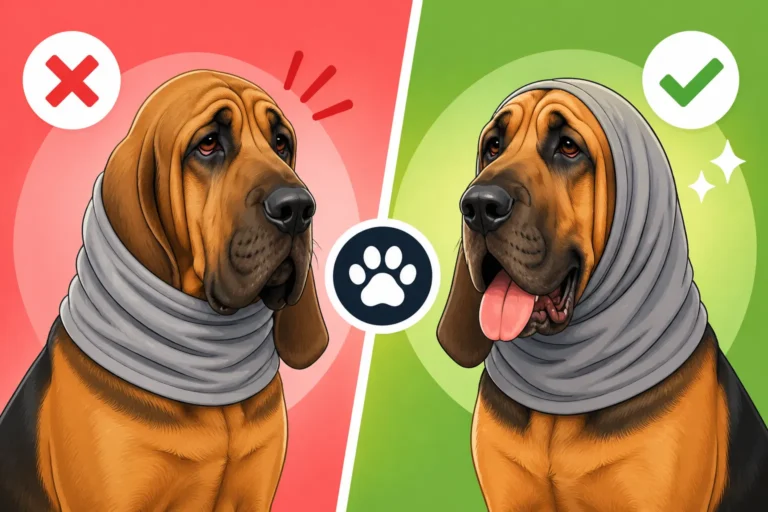
- Optional: Snood: For Bloodhounds with extremely long leathers, a snood (a fabric tube that covers the ears) can be invaluable during feeding or outdoor activities to keep those ears out of food bowls and away from dirt and debris. Consider one after you've learned Whether a Bloodhound's Ears Should Be Tied Back to Eat.
The Proper Technique: Gentle and Superficial
Now that you have the right tools, let's talk technique. Remember, the key is gentleness and not trying to go deep into the ear canal.
- Gather Your Supplies: Have everything ready before you start – cleanser, cotton balls/pads, and treats for positive reinforcement. It's often helpful to have your Bloodhound in a calm, comfortable position, perhaps with another person gently holding them steady.
- Inspect the Ear: Gently lift your Bloodhound's ear flap and take a good look. Are there any signs of redness, swelling, unusual odor, or excessive discharge? If you see anything concerning, or if your dog reacts with pain, stop and call your vet. Do not proceed with cleaning if an infection is suspected.
- Apply the Cleanser: Hold the ear flap up and carefully insert the tip of the ear cleanser bottle into the entrance of the ear canal. Squeeze a generous amount of the solution into the ear until it fills the canal. Don't be shy; you want enough to really flush things out.
- Massage the Base of the Ear: With the cleanser in the ear, gently massage the base of the ear (where the ear attaches to the head) for about 30 seconds. You should hear a squishing sound, which indicates the cleanser is working its way down into the canal and breaking up wax and debris.
- Allow Your Bloodhound to Shake Their Head: This is the fun part for them, and a vital part of the cleaning process! Stand back and let your Bloodhound shake their head vigorously. This action helps to dislodge the loosened debris and cleanser from the deeper parts of the canal and bring it to the surface. You might want to do this outdoors or in an easy-to-clean area, as some gunk will fly!
- Wipe the Outer Ear: After the shaking, take a fresh cotton ball or gauze pad and gently wipe the visible parts of the outer ear and the entrance of the ear canal. Remove any excess cleanser, wax, and debris that has come to the surface. Never push anything down into the canal. Use multiple cotton balls if needed until they come away clean. You can also use a soft cloth to wipe the inside of the ear flap.
- Repeat if Necessary: For very dirty ears, you might need to repeat steps 3-6.
- Reward: Always end with praise and a high-value treat! This helps create a positive association with ear cleaning.
When to Seek Professional Help: Recognizing the Red Flags
While regular cleaning is essential for prevention, it's crucial to know when an ear problem goes beyond routine maintenance and requires veterinary attention. Many Bloodhound owners miss these signs, leading to prolonged suffering for their dog.
Call your vet immediately if you notice any of the following:
- Strong, Foul Odor: A healthy ear should have a very mild, almost neutral smell. A strong, cheesy, or yeasty odor is a red flag.
- Excessive Scratching or Pawing at the Ears: While an occasional scratch is normal, persistent or frantic scratching usually indicates discomfort.
- Head Shaking or Tilting: If your Bloodhound is constantly shaking their head, tilting it to one side, or rubbing it on furniture, they're trying to relieve ear discomfort.
- Redness, Swelling, or Heat: Inspect the inside of the ear flap and the visible ear canal. Any inflammation suggests a problem.
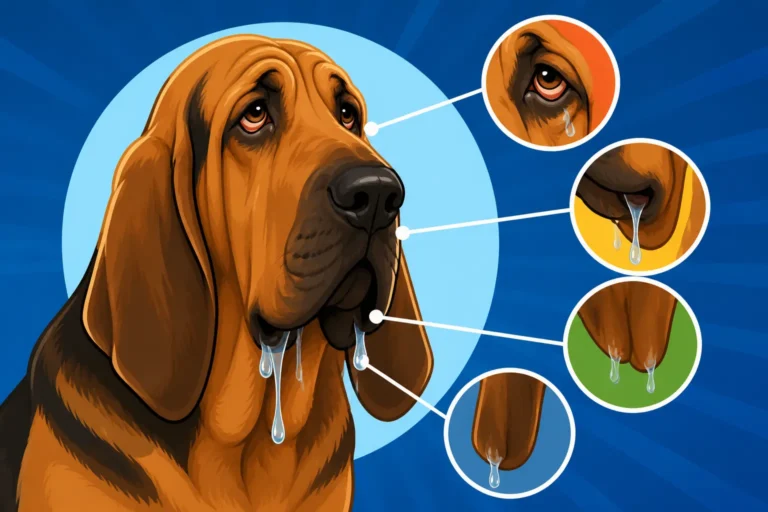
- Increased or Abnormal Discharge: While some light, brownish wax is normal, dark brown, black, yellow, or greenish discharge, especially if it's thick or profuse, is a sign of infection.
- Pain or Sensitivity: If your Bloodhound cries out, pulls away, or growls when you touch their ears, they are in pain.
- Changes in Behavior: Lethargy, loss of appetite, or general irritability can sometimes be linked to ear pain.
- Bleeding or Sores: Any cuts, scrapes, or blood, either inside the ear or on the ear flap, needs attention.
Remember, you are not a veterinarian, and self-diagnosing or attempting to treat a full-blown ear infection with over-the-counter products can do more harm than good. A vet can properly diagnose the type of infection (bacterial, yeast, mites, etc.) and prescribe the correct medication. Sometimes, they may even need to perform a What a Bloodhound's Ear Culture Costs to identify the exact pathogen. Early veterinary intervention can save your Bloodhound from significant discomfort and prevent the infection from becoming chronic or leading to more serious conditions like middle or inner ear infections, or even permanent hearing damage.
Building a Lifelong Ear Care Routine
Ear care isn't a one-and-done event for a Bloodhound; it's a commitment for their entire life. Their unique anatomy demands a consistent, proactive approach to keep those magnificent ears healthy.
Consistency is Key: Making it a Habit
The most important aspect of Bloodhound ear care is consistency. You can't just clean them when they look dirty; you need a regular schedule, even when they appear fine. For most Bloodhounds, a weekly or bi-weekly cleaning routine is ideal. However, some dogs, especially those prone to allergies, swimmers, or those living in humid climates, might need cleaning more frequently, sometimes every few days. Getting your Bloodhound accustomed to this routine from puppyhood will make it a much smoother process for both of you.
Think of it as brushing their teeth or trimming their nails – it's just part of responsible Bloodhound ownership. By making it a regular habit, you'll not only keep infections at bay but also become very familiar with what a healthy Bloodhound ear looks and smells like. This familiarity will make it much easier to spot any subtle changes that might indicate a brewing problem. Incorporate it into a quiet time of day, perhaps after a walk when they're tired, or during a cuddle session. Always, always make it a positive experience with plenty of praise and treats. You'll thank yourself later when you aren't wrestling a giant, uncomfortable hound.
Preventing Issues Before They Start
Beyond regular cleaning, there are several preventative measures you can take to minimize the risk of ear infections in your Bloodhound.
- Keep Ears Dry: This is paramount. After baths or swimming sessions, thoroughly dry the outer ear and visible canal with a soft towel. You can also use a veterinary-approved ear drying solution, which can be particularly helpful for dogs who love water. Whether an Ear Drying Solution Beats a Cleaner for a Bloodhound can be a useful topic to explore.
- Diet and Allergies: Many chronic ear infections are linked to underlying allergies, either environmental or food-related. If your Bloodhound suffers from recurrent ear issues, talk to your vet about exploring allergy testing or a diet trial with a limited ingredient or hydrolyzed protein food. Addressing the allergy can significantly reduce ear inflammation and secondary infections. Some owners find that certain specialized dog foods, which can be purchased from places like Ollie, help with overall skin and coat health, indirectly aiding ear health.
- Environmental Factors: If your Bloodhound spends a lot of time outdoors in dusty or pollen-heavy environments, consider a quick wipe-down of their outer ears after adventures to remove irritants. Similarly, if they're rooting around in the garden or woods, check their ears for burrs or foxtails that can migrate deep into the canal.
- Manage Ear Hair: Some Bloodhounds have more hair in their ear canals than others. While routine plucking isn't recommended for every dog (it can cause micro-trauma), if your vet notes excessive hair is trapping moisture and wax, they might recommend having it gently thinned or trimmed by a professional groomer or vet. You might wonder Whether a Bloodhound's Ear Hair Should Be Plucked – always consult your vet first.
Monitoring for Changes: Early Detection Saves Trouble
Even with the best preventative care and consistent cleaning, Bloodhounds can still develop ear issues. Their genetic predisposition for deep, floppy ears means they'll always be somewhat at risk. This is where vigilant monitoring comes in. Beyond your scheduled cleaning days, make it a habit to casually check your Bloodhound's ears whenever you're petting them. A quick sniff, a gentle lift of the ear flap, a glance at the inner surface – these small, frequent checks can alert you to a problem long before it becomes severe.
Remember, ear problems can escalate rapidly in Bloodhounds. The earlier you catch a subtle odor, a slight redness, or an increase in discharge, the easier and less costly it will be to treat. What might start as a minor irritation can quickly become a full-blown infection requiring multiple vet visits and medications. Being proactive and observant is one of the most loving things you can do for your Bloodhound's long-term comfort and health.
| Feature | Cotton Swabs (e.g., Q-tips) | Cotton Balls / Gauze Pads & Ear Cleanser |
|---|---|---|
| Intended Use | Human ears, precision cleaning | Canine ear canals (outer & flush), gentle wiping |
| Risk of Pushing Debris Deeper | Very High | Very Low (when used correctly) |
| Risk of Trauma/Micro-abrasions | Moderate to High | Low (when used gently) |
| Ability to Clean Deep Canal | Minimal (pushes wax further) | High (cleanser flushes, dog shakes out) |
| Risk of Eardrum Puncture | Significant | Negligible |
| Effectiveness for Bloodhounds | Ineffective & Dangerous | Highly Effective & Safe |
| Common Purchase Location | Drugstores, supermarkets | Vet clinics, pet stores, Chewy, Amazon |
Disclaimer
This article is for general informational purposes only and does not constitute professional advice. Laws, prices and regulations vary by location and change over time. Consult a qualified professional for guidance on your specific situation.