What a Bloodhound’s Ear Culture Costs
It's an unfortunate reality for Bloodhound owners that our beloved, droopy-eared companions are prone to ear infections. You start with the usual cleaning, then maybe some drops, but when things just aren't getting better, your vet might suggest an ear culture. This often leaves owners wondering, "What exactly is an ear culture, and how much is this going to set me back?" This guide aims to demystify the cost of a Bloodhound's ear culture, breaking down what you're paying for and what factors influence the final bill.
Why a Bloodhound's Ears Need Culturing
You know the drill: your Bloodhound's ears are hot, red, smelly, and they're shaking their head constantly. You've tried the regular cleaning routine, maybe even some over-the-counter remedies, but nothing seems to stick. This persistent problem isn't just annoying; it can be incredibly painful for your dog and frustrating for you. When a standard course of antibiotics or antifungals doesn't clear things up, or if the infection keeps returning, a vet needs to dig deeper to understand precisely what they're fighting. That's where an ear culture comes in. It's not just a diagnostic test; it's a strategic move to get ahead of a stubborn, recurring issue.
Understanding Persistent Ear Infections in Bloodhounds
Our Bloodhounds are blessed with those long, magnificent ears, but these very ears also make them walking infection risks. The pendulous leather traps moisture and heat, creating a perfect breeding ground for bacteria and yeast. What starts as a simple infection can quickly become chronic if not treated with the right medication. Sometimes, the initial treatment doesn't work because the wrong type of bacteria or yeast was targeted, or because the infection has developed resistance to common antibiotics. If you've been battling ear issues for weeks or months, and your dog is still scratching and shaking, it's a clear sign that a more precise diagnosis is needed. You're not just dealing with an ear infection anymore; you're dealing with a detective case.
Moreover, the deep, narrow structure of a Bloodhound's ear canal means that topical medications might not always reach the full extent of the infection, allowing resistant pathogens to persist deep inside. This is why you might feel like you're pouring expensive drops into a bottomless pit without real improvement. A culture helps identify these hidden culprits, guiding your vet toward a more effective solution. If you're constantly fighting ear issues, it's worth reading about A Bloodhound's Ears Are a Standing Infection Risk to understand the underlying challenges.
When a Vet Recommends an Ear Culture
A vet typically suggests an ear culture when the initial, broad-spectrum treatments have failed. Think of it like this: your vet might first try a common antibiotic, hoping it's the right fit. If it doesn't work, rather than guessing with another one, they'll want hard data. They'll also recommend a culture if the infection is particularly severe from the outset, if your Bloodhound has a history of resistant infections, or if there's any concern about a potential middle ear infection that could be more serious. It's about taking the guesswork out of treatment and ensuring your dog gets relief sooner rather than later.
It's a tough situation when your dog is clearly uncomfortable, and you've already invested time and money in treatments that haven't worked. The vet isn't recommending a culture to add to your bill unnecessarily; they're doing it because it's the most effective path to a lasting solution. This proactive approach can actually save you money in the long run by avoiding repeated, ineffective treatments and preventing the infection from becoming even harder to resolve, potentially requiring more invasive procedures down the line. It's a key step in understanding How Often a Bloodhound Gets an Ear Infection and how to effectively manage it.
What an Ear Culture Involves
An ear culture sounds intimidating, but it's a fairly straightforward procedure for your veterinarian. It involves taking a sterile sample from your Bloodhound's infected ear and sending it to a laboratory for analysis. The lab then attempts to grow the microorganisms present in the sample, identify them, and often, test their sensitivity to various antibiotics and antifungals. This sensitivity testing, known as an antibiogram, is crucial because it tells your vet exactly which medications will be most effective against the specific bugs causing your Bloodhound's distress.
The Sample Collection Process
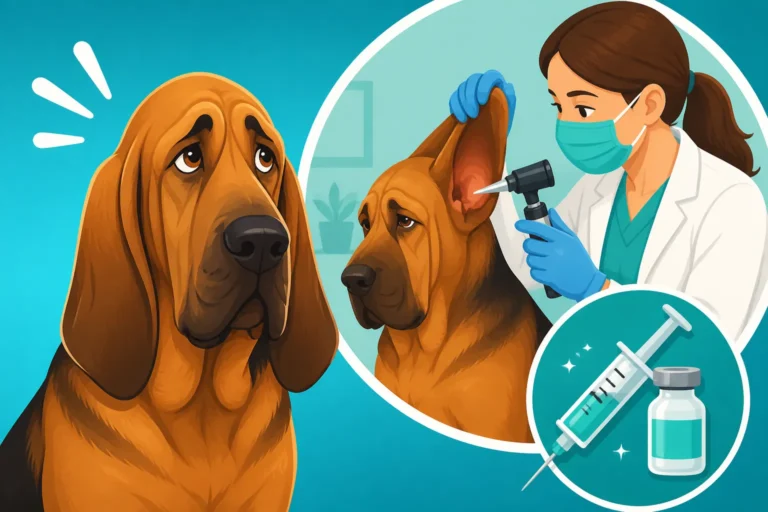
For your Bloodhound, the sample collection itself is usually quick. Your vet will use a sterile swab to gently collect discharge and debris from deep within the ear canal. Sometimes, they might need to clean the ear first to get a representative sample, or they might take a sample before cleaning. The key is to get enough material without contaminating it. If your Bloodhound is particularly painful or uncooperative, light sedation might be necessary to ensure a good sample and prevent further discomfort or injury. This is a crucial step; a poor sample can lead to inaccurate results and a wasted effort.
Once the sample is collected, it's carefully placed in a transport medium that keeps the bacteria or yeast alive until it reaches the lab. Your vet then fills out a requisition form detailing your Bloodhound's history, current symptoms, and any previous treatments. This information helps the lab interpret the results and provides a complete picture for a more accurate diagnosis. It's a small, precise step that paves the way for a targeted treatment plan, which is essential when considering What a Bloodhound's Ear Infection Costs to Treat over time.
Laboratory Analysis and Results
When the sample arrives at the lab, technicians "plate" it onto special growth media designed to encourage bacteria and yeast to multiply. Over the next few days, they observe what grows. They identify the specific species of bacteria (like Staphylococcus or Pseudomonas) or yeast (like Malassezia) that are present. This identification alone is a huge step forward because different pathogens respond to different medications.
The next critical step is the sensitivity testing. The lab exposes the isolated pathogens to a panel of common antibiotics and antifungals to see which ones inhibit growth and which ones don't. This antibiogram provides your vet with a clear roadmap, indicating which drugs are likely to succeed and which ones are likely to fail. This detailed information is gold, allowing your vet to prescribe medication that has the highest chance of clearing the infection quickly and effectively, potentially saving you from weeks of trial-and-error treatment and the associated costs of multiple vet visits and medications.
| Factor | Description | Impact on Cost |
|---|---|---|
| Veterinary Clinic Type | General practice, emergency clinic, or specialty dermatologist. | Specialty clinics often have higher overheads and therefore higher prices. |
| Sedation Needs | Whether your Bloodhound requires sedation to get a good sample. | Adds cost for sedation drugs, monitoring, and potentially pre-anesthetic bloodwork. |
| Geographic Location | Cost of living and competition among clinics in your area. | Varies significantly; urban areas tend to be more expensive. |
| Lab Fees | What the external laboratory charges the clinic for analysis and sensitivity. | These fees are passed on to the owner. |
| Additional Diagnostics | If cytology, otoscopy, or ear flush are performed concurrently. | Adds to the overall bill, as these are separate services. |
| Consultation Fee | The cost for the vet's time during the exam and discussion of results. | Standard part of any vet visit, separate from the culture itself. |
The Cost Factors for a Bloodhound Ear Culture
The exact cost of a Bloodhound's ear culture isn't a fixed number you can just look up, unfortunately. It's influenced by a range of factors, much like ordering a meal in different restaurants—you might get the same dish, but the price reflects the setting, the chef's expertise, and the service. For ear cultures, these factors include your location, the type of veterinary clinic, whether sedation is needed, and if any other tests are performed at the same time.
Geographic Location and Clinic Type
Where you live has a surprisingly big impact on veterinary costs. A clinic in a major metropolitan area with high overheads, high rent, and higher staff wages will inevitably charge more than a clinic in a rural town. Similarly, a visit to an emergency veterinary hospital outside of normal business hours will almost always come with a premium, as they staff for round-the-clock critical care. Your regular family vet will likely be more affordable than a veterinary dermatologist who specializes in chronic skin and ear conditions, though the specialist brings unparalleled expertise for complex cases.
Think about it: a small, independently owned practice in a quiet suburb might have different pricing structures compared to a large, multi-doctor clinic in a bustling city center. It's always a good idea to call around to a few local general practices and ask for an estimate if you have that luxury of time. Sometimes, driving a little further can yield significant savings, but convenience and a trusted relationship with your primary vet are also valuable considerations.
The Need for Sedation
One of the biggest variables that can drive up the cost of an ear culture for your Bloodhound is the need for sedation. Many Bloodhounds are incredibly patient, but if their ears are extremely painful, or if they've had multiple unpleasant ear procedures in the past, they might not tolerate the swab collection while fully awake. For an accurate and safe sample, sedation ensures your dog remains still and comfortable. This isn't just about their comfort; it's also about preventing a panicked dog from accidentally injuring themselves or the veterinary staff.
Sedation isn't a simple addition; it involves extra charges for the sedative drugs, the time spent monitoring your dog during the procedure, and potentially pre-anesthetic bloodwork to ensure they're healthy enough for the medication. While it adds to the bill, it's often a necessary step to get a good sample and avoid a stressful, potentially traumatic experience for your dog. Your vet will discuss this option with you if they anticipate your Bloodhound won't tolerate the procedure while conscious.
Additional Diagnostic Tests
Often, an ear culture isn't the only test performed during an ear infection workup. Your vet will almost certainly start with an otoscopic examination to look deep into the ear canal, and they'll likely perform cytology. Cytology involves examining a slide of the ear discharge under a microscope right there in the clinic. This immediate test can show the presence of yeast, bacteria, white blood cells, and even ear mites, giving your vet a quick initial idea of what's going on. The culture then refines this picture.
If your Bloodhound's ear is very inflamed or full of debris, the vet might also recommend an ear flush under sedation before taking the culture. This cleans out the ear canal, making it easier to collect a pure sample and for medications to penetrate later. Each of these additional tests—cytology, otoscopy, ear flush, or even X-rays if a middle ear infection is suspected—will be separate line items on your bill, contributing to the overall expense beyond just the culture itself. It’s all part of the comprehensive approach to accurately diagnose and treat Signs a Bloodhound's Ear Is Infected.
Beyond the Culture: Ongoing Management Costs
An ear culture provides critical information, but it's just one piece of the puzzle. Once you have the results and a targeted treatment plan, there are still ongoing costs associated with managing your Bloodhound's ear health. This isn't a one-and-done expense; it's an investment in your dog's long-term comfort and well-being. From prescription medications to routine preventative care, and even considering diet, staying on top of ear health requires continued vigilance and budgeting.
Prescription Medications and Rechecks
Once the culture results come back, your vet will prescribe specific antibiotics or antifungals based on the sensitivity report. These medications can be topical drops, oral pills, or a combination of both. The cost of these prescriptions varies widely depending on the drug, its duration, and the size of your Bloodhound, as larger dogs often need larger or longer courses of medication. It's not uncommon for a Bloodhound to need several weeks of treatment, especially for resistant infections.
After the initial course of medication, recheck appointments are absolutely vital. Your vet will want to examine the ear again and likely repeat the ear cytology to ensure the infection has truly cleared. Skipping these rechecks is a common mistake owners make, as an ear might look better but still harbor lingering pathogens that can flare up again quickly. These follow-up visits, complete with exam fees and potentially more cytology, are part of the necessary journey to full recovery.
Preventative Care and Maintenance
Even after a stubborn infection is gone, Bloodhounds are predisposed to ear issues, so preventative care becomes paramount. This means regular ear cleaning, often weekly, with a veterinary-approved ear cleaner. These cleaners help maintain a healthy ear environment by drying the canal, breaking down wax, and preventing bacterial and yeast overgrowth. While an individual bottle might seem inexpensive, these costs add up over the lifetime of your dog. Many owners find it helpful to purchase ear cleaner in larger quantities from online retailers like Chewy to manage this ongoing expense.
Investing in high-quality ear cleaner and sticking to a consistent schedule, as outlined in Cleaning a Bloodhound's Ears Every Week for Life, can significantly reduce the chances of recurrence. Regular maintenance is far less costly and stressful than repeatedly treating full-blown infections. Some Bloodhounds might even benefit from specific ear wipes for the outer folds or even a snood during meal times to keep those long ears out of food and water, further reducing moisture exposure.
The Role of Diet and Overall Health
While not a direct cost of an ear culture, it's worth considering the role of your Bloodhound's overall health and diet in chronic ear infections. Sometimes, underlying allergies (food or environmental) can manifest as recurrent ear problems. If your Bloodhound has persistent ear issues, your vet might discuss exploring a hypoallergenic diet or other allergy management strategies. Switching to a specialized diet, such as those offered by brands like Ollie, can be a significant cost but might address the root cause of the problem.
Additionally, a strong immune system is better equipped to fight off infections. Ensuring your Bloodhound receives a balanced diet, regular exercise, and appropriate preventive care contributes to their overall health, making them less susceptible to chronic issues. These broader health considerations, while not directly related to the ear culture itself, are part of the larger financial picture of responsible Bloodhound ownership and can impact how often you face the need for such diagnostics.
Pet Insurance and Emergency Funds
Given the potential for unexpected veterinary expenses, especially with a breed like the Bloodhound prone to certain health challenges, many owners consider pet insurance. Policies from providers like Healthy Paws often cover diagnostic tests like ear cultures, prescription medications, and even specialist visits for chronic conditions, provided the condition isn't pre-existing. It's crucial to understand the terms of your policy, including deductibles and reimbursement percentages, but having insurance can significantly ease the financial burden of a complex ear infection workup. You can find out more about this by reading Whether Pet Insurance Is Worth It on a Bloodhound.
For those without pet insurance, building an emergency fund is a wise financial strategy. Setting aside a dedicated amount for unexpected veterinary bills means you won't be caught off guard by the cost of an ear culture or more significant issues. Having readily available funds allows you to make decisions based on your Bloodhound's health needs rather than solely on your immediate budget, providing immense peace of mind. Knowing how much to keep liquid (How Much a Bloodhound Owner Should Keep Liquid) for these situations can make all the difference.
Disclaimer
This article is for general informational purposes only and does not constitute professional advice. Laws, prices and regulations vary by location and change over time. Consult a qualified professional for guidance on your specific situation.