Whether a Bloodhound Drools More Than a Basset Hound
It's a question many people ponder when considering one of these wonderfully unique hounds: just how much drool are we talking about? And which breed, the majestic Bloodhound or the charming Basset Hound, is likely to leave you reaching for the towel more often? Owners of both breeds will tell you that drool is simply part of the package, a feature, not a bug, of their beloved companions. But there are subtle differences in how and how much they drool, largely dictated by their distinct anatomies and the very purposes for which they were bred. This guide will dive deep into the fascinating world of canine drool, specifically comparing the Bloodhound and the Basset Hound, helping you understand what to expect and how to manage the slobbery reality of life with these incredible dogs.
Understanding Canine Drool: More Than Just Slobber
Drooling, or ptyalism, is a natural physiological process for dogs, just like it is for us. Saliva plays a crucial role in digestion, starting the breakdown of food even before it reaches the stomach, and it helps lubricate food for easier swallowing. It also helps keep the mouth clean, washing away food particles and bacteria. So, drool isn't just an annoying byproduct; it's a vital bodily function.
However, certain breeds, like our beloved Bloodhounds and Basset Hounds, are designed in a way that makes their drooling far more noticeable and, let's be honest, a lot messier than your average Golden Retriever or Poodle. This isn't because they produce more saliva than other dogs per se (though some research suggests certain breeds might), but rather because of the unique structure of their mouths and jowls. Their loose, pendulous lips, often referred to as "flews," act like natural collection buckets, holding onto saliva until it finds an escape route – usually onto your floor, furniture, or clothes.
Beyond normal physiological drooling, dogs can also drool excessively due to excitement, anxiety, hunger (especially when they anticipate food), or even nausea. When a Bloodhound catches an intriguing scent, for instance, you might notice an increase in drooling as their senses go into overdrive, anticipating the "hunt." The same can happen with a Basset Hound hearing the rustle of a treat bag. It's their bodies preparing for action or a tasty reward. Environmental factors like heat can also increase drooling, as dogs don't sweat like humans and rely on panting and evaporative cooling, which involves more saliva production, to regulate their body temperature.
The Bloodhound's Drool Factor: Deep Jowls and Determined Noses
Bloodhounds are renowned for their incredible noses and their distinctive, somewhat melancholic appearance, which includes a generous amount of loose skin and deep, pendulous flews. These features, while contributing to their iconic look and aiding their scent-tracking prowess, are also primary contributors to their drooling habits. The long, heavy ears and deep wrinkles around their face and neck are all part of the package that makes them such magnificent scent hounds, but also makes them champion droolers.
Their loose jowls act like natural reservoirs for saliva. Instead of being contained within a tight mouth, saliva pools in these folds and pockets. When a Bloodhound shakes its head – and trust me, they will shake their head – that accumulated saliva is flung far and wide. It's not just a drip; it's an arc of slobber that can reach surprising distances, often decorating walls, ceilings, and any unfortunate bystander. You can read more about How Far a Bloodhound Slings Drool When It Shakes. This is why many Bloodhound owners develop an almost superhuman ability to dodge head shakes or keep a "slobber towel" constantly at the ready.
Excitement and intense focus on a scent trail amplify this. A Bloodhound working a trail is a symphony of nose, legs, and, yes, drool. Their entire system is geared towards processing scent, and increased salivation is a part of that intense sensory engagement. Even at home, the anticipation of a meal or a walk can get the saliva flowing. Managing this means being proactive; knowing when a head shake is coming, or having systems in place like snoods during mealtime (more on that later). While it might seem like a lot, it's just a tangible manifestation of their incredible, hardworking anatomy.
The Basset Hound's Drool Profile: Low Slung and Lovable
Basset Hounds, with their impossibly long, velvety ears, doleful eyes, and short, stout legs, share some anatomical similarities with Bloodhounds when it comes to their drooling potential. They also possess very loose skin, particularly around their heads and necks, and prominent flews that hang low. Like Bloodhounds, these features contribute to their unique scenting abilities, helping to "cup" and direct scent towards their powerful noses as they follow a trail close to the ground.
While a Basset Hound's jowls might not be quite as deep or extensive as a Bloodhound's, they are still highly effective at collecting saliva. Bassets are known for their calm, amiable disposition, but don't let that fool you – they can still be significant droolers. The drool tends to drip more steadily from their loose lips, rather than being flung with the sheer force and velocity of a Bloodhound's head shake. You'll often find little puddles where a Basset has been resting its head, or damp patches on your lap if they've been leaning in for cuddles.
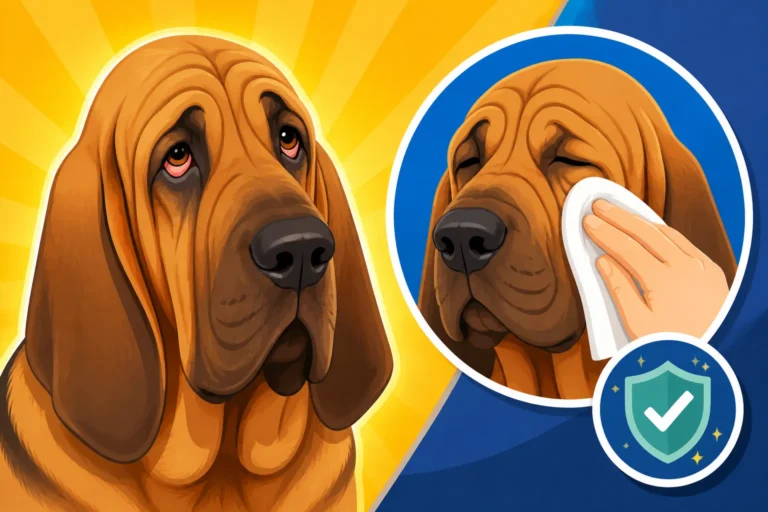
Similar to Bloodhounds, Basset Hounds will also exhibit increased drooling when excited, particularly around food. If you've ever seen a Basset Hound staring intently at a treat, you've likely witnessed a glistening string of drool forming. Their low-slung stature means that this drool often ends up on lower furniture, rugs, and the front of their own chests. Keeping their droopy facial folds clean is also crucial, as moisture trapped in these areas can lead to skin irritation or infections, a concern that mirrors that of Bloodhound owners who manage Wiping a Bloodhound's Folds Before They Sour.
Comparing the Drool: Bloodhound vs. Basset Hound
So, which breed drools more? It's a nuanced question, as the type and impact of the drooling differ.
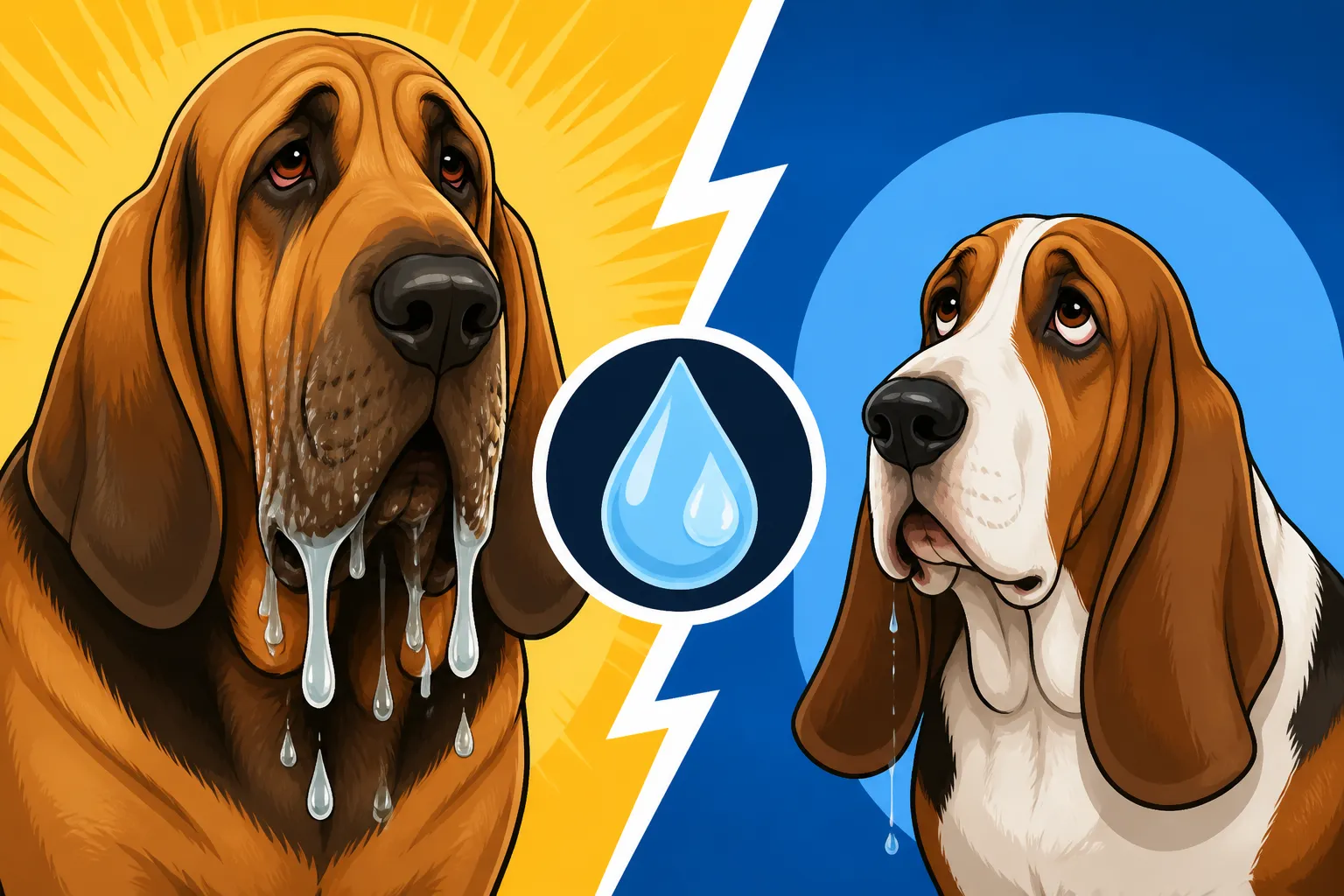
Volume and Visibility: In terms of sheer visible volume and spread, Bloodhounds generally take the crown. Their larger size, deeper jowls, and propensity for powerful head shakes mean that their drool can cover a wider area and create a more dramatic impression. If you're looking for the dog most likely to leave a glistening trail on your kitchen cabinets or even the ceiling, it's probably the Bloodhound. The sheer physics of a larger dog with more skin to store and fling saliva works against neatness. You can almost track Where a Bloodhound Puts Its Drool simply by following the damp spots!
Basset Hounds, while certainly drooly, tend to produce a more localized, steady drip. You'll find puddles and damp spots, but less of the "Jackson Pollock" effect across a room. They might not fling it as far, but the constant drip requires vigilance, too.
Factors Influencing Drool:
Both breeds will drool more when:
- Anticipating food: The scent or sight of food is a powerful salivary stimulant.
- Excited: A new person, a squirrel in the yard, or the prospect of a walk can all get the slobber flowing. Consider Whether a Bloodhound Drools When Excited.
- Hot or Stressed: Panting to cool down increases saliva production. Stress can also lead to increased drooling.
- Hydrating: After a big drink, the loose jowls will likely retain and then release water. How Much Water a Bloodhound Spills in a Day can be considerable.
Here's a quick comparison table to help visualize the differences:
| Feature | Bloodhound | Basset Hound |
|---|---|---|
| Jowl Depth | Very deep, extensive flews | Deep, but generally less extensive |
| Drool Delivery | Often flung vigorously via head shakes | More prone to steady drips and puddles |
| Coverage Area | Can spread far and wide (walls, ceilings) | More localized (floor, furniture, self) |
| "Wow" Factor | High, due to visible arcs and distance | Moderate, noticeable but less dramatic |
| Impact on Ears | Ears often trail through food/water, getting drooly | Ears also trail, requiring frequent cleaning |
| Mess Management | Requires constant wiping, snoods for meals, protective covers | Requires regular wiping, attention to resting spots |
Ultimately, both breeds are undeniably drooly. The Bloodhound's larger size and deeper facial structure lend itself to a more prodigious and widespread "fling" of saliva, making it feel like they drool more. However, a Basset's steady drip can be just as persistent and require similar levels of clean-up, just in different locations. It's less about which one produces more saliva and more about how their unique anatomy distributes it.
Managing the Moisture: Living with a Drooly Hound
Living with a drooly hound, whether it's a Bloodhound or a Basset, means embracing a certain level of dampness and being prepared. It's not a deal-breaker for devoted owners, but it does require some conscious effort and routine adjustments.
Gear and Supplies
First and foremost, you'll want to invest in a good supply of towels. And I mean a good supply. Dedicated "slobber rags" or old hand towels will become your best friend. Many owners keep them strategically placed around the house – by the food bowl, near the couch, and certainly by the front door. You might find great deals on bulk towels on Amazon or Chewy. Having a specific "Bloodhound towel" in every room is not an exaggeration! You will quickly realize What a Bloodhound Owner Spends on Towels and Cleaner.
For meal times, snoods are an absolute game-changer. These fabric tubes slip over your dog's head, holding their long ears and jowls back and away from their food and water bowls. This prevents their ears from becoming soaked and caked with food, and helps contain some of the drool around their mouth. You can find a variety of snoods online, often on sites like Amazon, in different patterns and materials. Pairing a snood with a narrow, deep feeding bowl can further minimize mess.
Cleaning Routines
Regular cleaning of your hound's face and folds is paramount. The warm, moist environment created by their jowls and skin folds is an ideal breeding ground for bacteria and yeast, leading to skin fold dermatitis. This can cause discomfort, redness, and a rather unpleasant odor. Whether a Bloodhound Carries an Odor From Its Folds is a valid concern, and often, it's tied to moisture.
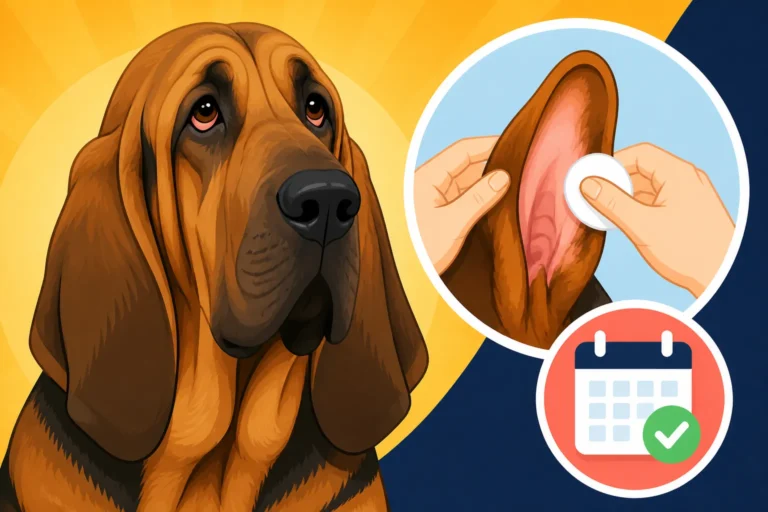
After every meal, and frequently throughout the day, gently wipe the folds around their mouth and jowls. You can use a soft, damp cloth or even dog-specific facial wipes. Make sure to dry the area thoroughly afterward to prevent moisture buildup. For the ears, which often dip into food and water, a daily quick wipe-down can prevent issues. Your The Weekly Routine a Bloodhound Owner Cannot Skip will definitely include significant face and ear care.
For both breeds, cleaning after drinking is just as important. Many Bloodhounds will take a drink and then proceed to drip or shake water across a wide radius. Whether a Bloodhound's Jowls Should Be Wiped After Drinking is not just a suggestion, it's a necessity. Some owners even use elevated water bowls or special water bowls designed to minimize splashing, though with a Bloodhound's jowls, some mess is inevitable.
Environmental Adjustments
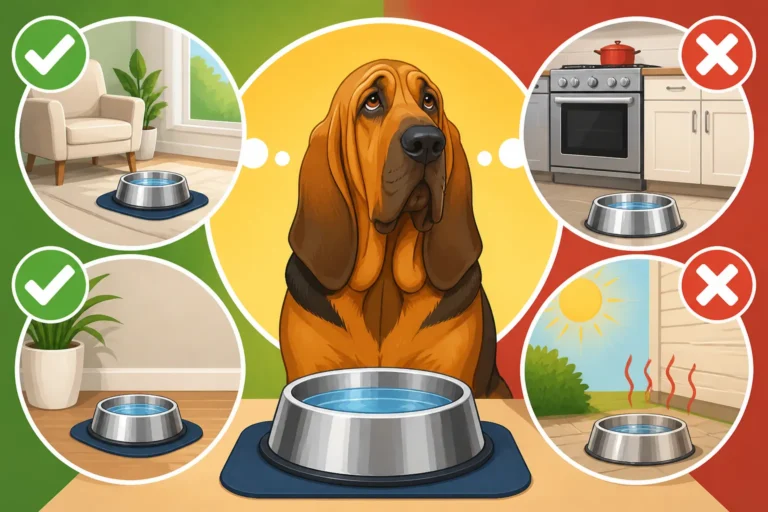
Consider where your hound eats and drinks. A hard-surfaced floor is much easier to clean than carpet. Using a large, absorbent mat under their food and water bowls can also help catch spills and drips. If your hound spends time on furniture, consider washable covers or dedicated "hound blankets" to protect your upholstery from drool marks.
Finally, managing drool also means understanding your dog's triggers. If your Bloodhound drools excessively when excited for a walk, have the leash ready before you even approach them, and have a towel handy. If they drool at the sound of the treat jar, try keeping treats in a less noisy container or using a distraction while you prepare them. While you can't eliminate drooling entirely – nor should you want to, as it's a natural part of these wonderful breeds – you can certainly mitigate its impact on your home and lifestyle. Companies like Ollie, which offer fresh food, often have packaging that's easy to store, potentially reducing some of the "food anticipation" drool if meal prep becomes less overt.
Ultimately, living with a Bloodhound or a Basset Hound means embracing their slobbery charm. The occasional drool string or flung glob is a small price to pay for the endless affection, comical antics, and unparalleled scenting abilities these incredible hounds bring into our lives. With the right preparation and a good sense of humor, the drool becomes just another endearing quirk.
Disclaimer
This article is for general informational purposes only and does not constitute professional advice. Laws, prices and regulations vary by location and change over time. Consult a qualified professional for guidance on your specific situation.