Whether a Bloodhound’s Ears Should Be Tied Back to Eat
If you've ever watched your majestic Bloodhound approach their food or water bowl, you've probably witnessed the inevitable: those gloriously long, silken ears dipping straight into their meal or making a soggy mess in the water. It's a common, if not daily, frustration for Bloodhound owners, leading to questions about hygiene, mess, and even your dog's long-term ear health. This guide will dive deep into the dilemma of Bloodhound ears at mealtime, exploring various solutions, their pros and cons, and helping you decide the best approach for your beloved companion.
The Daily Challenge of Bloodhound Ears at Mealtime
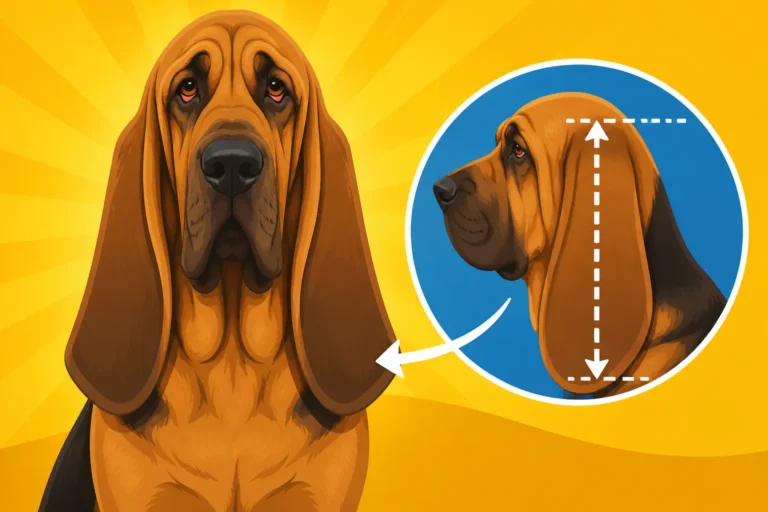
Anyone who shares their home with a Bloodhound knows their ears are a defining, beautiful, and sometimes utterly exasperating feature. These hounds are bred for their incredible sense of smell, and those long, low-set ears actually serve a purpose in scent detection, sweeping odors towards their powerful noses. But when it comes to daily life, especially mealtime, they present a unique set of challenges that can leave both you and your dog a little worse for wear.
Why Those Long Ears Become a Problem
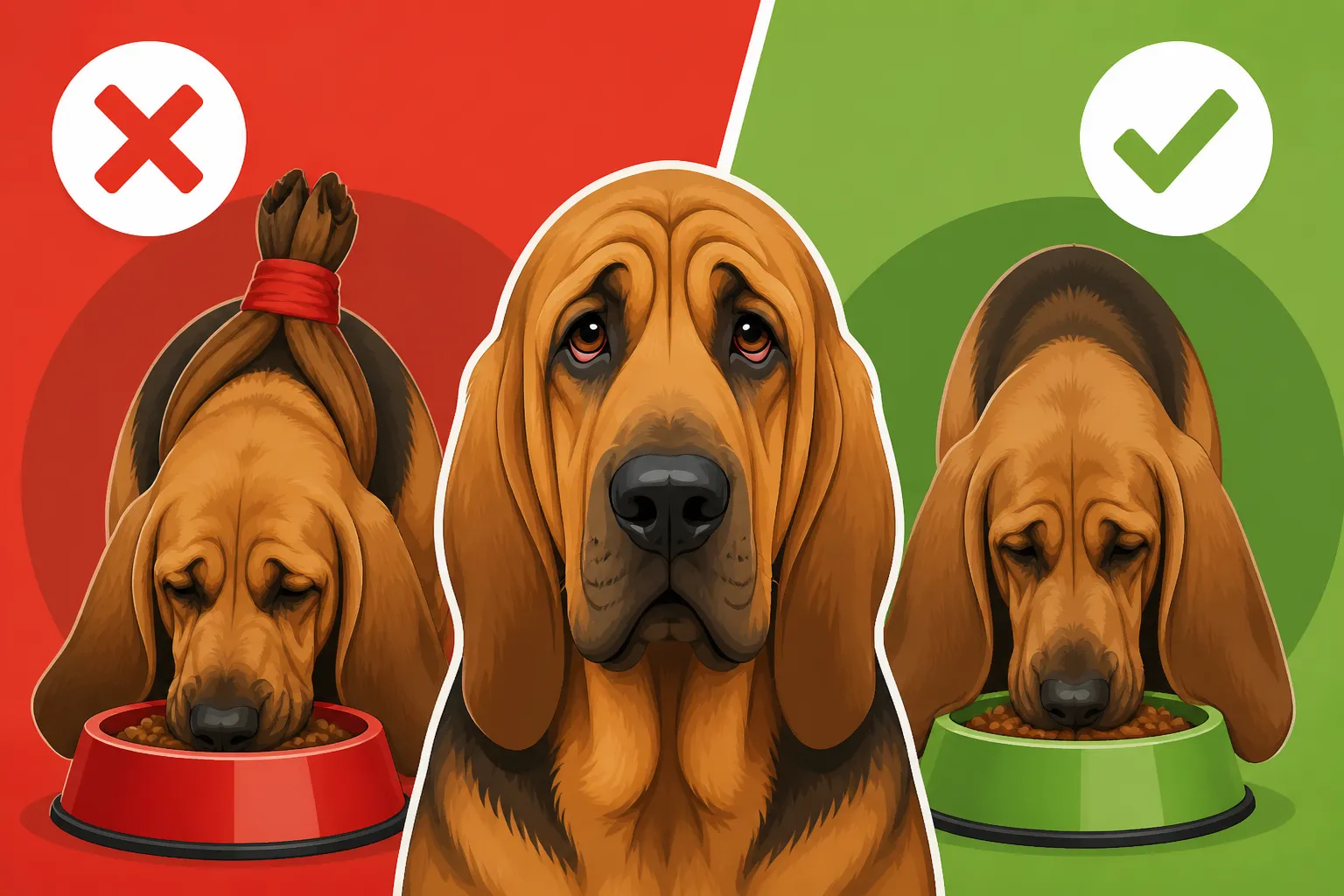
Imagine trying to eat a bowl of soup with two luxurious, heavy scarves draped over your face, constantly dipping into the liquid. That's a bit like what it's like for a Bloodhound. Their ears are incredibly long, often extending well past their jaws and even reaching down to their chest. When they lower their head to eat or drink, those pendulous ears inevitably become submerged in kibble, wet food, or water. This isn't just about a bit of spilled food; it's a constant, sticky, sloppy mess. The wet food sticks to the delicate fur and skin, creating a prime breeding ground for bacteria and yeast. Water, of course, saturates the fur, making the ears heavy and uncomfortable, and leaving puddles wherever your dog decides to shake their head next.
This constant immersion means extra work for you. Every single meal requires immediate post-meal ear cleaning, or you risk inviting a whole host of secondary issues. It's not just a quick wipe; it often involves a thorough cleaning, sometimes even a full wash of the ear tips, just to keep them from becoming caked with old food or perpetually damp. This repetitive task can be daunting, especially for busy owners, and it can become a source of stress for dogs who aren't keen on having their ears constantly handled.
The Unpleasant Consequences for Your Bloodhound
Beyond the obvious mess, the consistent dampness and food residue on a Bloodhound's ears pose significant health risks. Their ear canals are already deep and enclosed by heavy ear leather, creating a warm, moist environment perfect for infections. When you add food and water to the mix, you're essentially creating a petri dish at the entrance of their ear canal. This can lead to persistent and painful ear infections. You might notice your Bloodhound shaking their head, scratching at their ears, or a foul odor emanating from them – all classic signs of trouble. A Bloodhound's Ears Are a Standing Infection Risk because of their anatomy, and constant wetness only exacerbates this.
Furthermore, the skin on and around their ears can become irritated and inflamed from the constant exposure to moisture and food particles. This can manifest as redness, hair loss, or even a condition known as "ear tip dermatitis," where the tips of their ears become sore, cracked, and sometimes bleed. It's not just the inner ear canal that suffers; the entire ear flap is vulnerable. Without diligent care, this discomfort can become chronic, impacting your dog's quality of life and potentially leading to more serious, costly veterinary interventions. The Standing Cost of a Bloodhound's Ears is a reality for many owners due to these inherent challenges.
Exploring Solutions: To Tie or Not to Tie?
Given the messy reality of Bloodhound mealtimes, it's natural for owners to seek solutions. One of the first ideas that often comes to mind is to simply tie those long ears back and out of the way. It seems like a straightforward fix, but like many things with Bloodhounds, it's not quite as simple as it sounds.
The Argument for Tying Back Ears and How to Do It Safely
The immediate appeal of tying back your Bloodhound's ears is obvious: it prevents them from dipping into their food or water. This means less mess on the floor, less food crusted onto their beautiful ears, and potentially fewer immediate hygiene concerns. For some owners, especially those with particularly sloppy eaters or dogs prone to ear infections, this can feel like a necessary step to maintain cleanliness during meals.
If you decide to go this route, safety and comfort must be your absolute top priorities. Never use anything that can pinch, pull, or cut into their skin or fur. Forget about rubber bands or thin hair ties. Instead, look for soft, wide fabric headbands designed for humans or use a specific dog snood that can be gently adjusted to keep the ears back. A snood is essentially a fabric tube that slips over your dog's head, covering their ears. It's often the most recommended method because it distributes pressure evenly and is less likely to cause discomfort or injury. When using any method, ensure it's loose enough that it doesn't restrict blood flow or cause pressure points, but snug enough to stay in place. The goal is gentle containment, not constriction. Always supervise your dog when their ears are tied back, and remove the restraint immediately after they finish eating and drinking.
The Drawbacks and Risks of Tying Ears
While tying back ears might seem like an elegant solution, it comes with its own set of potential problems. The primary concern is discomfort. Bloodhounds have incredibly sensitive ears, and any prolonged or improper tying can cause irritation, chafing, or even pull their delicate ear leather. If the band is too tight, it can restrict circulation, which is dangerous. Even if it feels appropriately loose to you, your dog might find it annoying or stressful, leading to them pawing at it, trying to rub it off, or becoming anxious during meal times. This defeats the purpose of making their lives easier.
There's also the risk of hair damage. Constantly pulling the hair back, even gently, can lead to breakage, matting, or even small patches of hair loss over time. If the restraint gets caught on something, or if your dog vigorously tries to remove it, it could cause injury to their ears or even their neck. Remember, your Bloodhound isn't a fashion accessory; their comfort and well-being should always come first. Some Bloodhounds simply won't tolerate having their ears manipulated in this way, making the practice stressful for both dog and owner. It's a method that requires constant vigilance and a very understanding, patient dog.
Alternative Solutions for Messy Eaters
If tying back your Bloodhound's ears feels too risky, too much work, or simply doesn't sit right with you, don't despair! There are several excellent alternatives that achieve the same goal of keeping those magnificent ears clean and dry during mealtime without the need for clips, bands, or ties.
Specialized Bowls and Feeding Setups
One of the simplest and most effective changes you can make is to rethink your Bloodhound's food and water bowls. Traditional wide, shallow bowls are practically designed to catch long ears. Instead, look for bowls specifically designed for long-eared breeds. These are typically:
- Deep and narrow: The opening at the top is much smaller, forcing your Bloodhound to insert only their muzzle to reach the food or water, while the sides keep their ears safely outside the bowl.
- Elevated: Some owners find that raising the bowls to a comfortable height can also help, as it might change the angle at which your Bloodhound lowers their head, potentially reducing ear immersion. However, it's worth noting that there has been some debate regarding raised bowls and bloat risk in deep-chested breeds like Bloodhounds, so discuss this with your vet. For water, an elevated, narrow bowl can certainly help.
You can find these specialized bowls at most pet supply stores or online retailers. Both Chewy and Amazon offer a variety of "spaniel bowls" or "long-eared dog bowls" that are perfect for Bloodhounds. Experiment with different shapes and sizes to see what works best for your individual dog and their unique ear length. Which Bowl Shape Keeps a Bloodhound's Ears Out is a critical decision for many Bloodhound owners.
The Mighty Snood: A Bloodhound Owner's Best Friend
If you're looking for a non-restrictive way to keep ears out of the bowl, the snood is often lauded as the holy grail by Bloodhound enthusiasts. A snood is essentially a tube of fabric that slides over your dog's head and neck, covering their ears and holding them gently against their head. It's like a soft, flexible bonnet for their ears.
Snoods are fantastic because they:
- Protect the entire ear: Not just the tips, but the whole ear leather is tucked away.
- Are comfortable: Made from soft, breathable materials, they rarely cause irritation when fitted correctly.
- Are easy to use: Simply slip it on before mealtime and slide it off afterward.
- Come in various materials: You can find lightweight cotton ones for everyday use, or thicker, waterproof options for outdoor activities or messy adventures.
Many Bloodhound owners swear by snoods, using them not just for eating but also for walks in tall grass, grooming, or even just to keep ears clean around the house. They are an elegant and practical solution to The Bloodhound Ear That Trails Through the Food Bowl. You can find a wide selection of snoods on online marketplaces like Amazon, or specialty pet boutiques. Where to Buy a Snood That Fits a Bloodhound can be a fun adventure, as many come in unique patterns and colors!
Establishing a Mealtime Routine for Ear Health
While specialized bowls and snoods go a long way in managing your Bloodhound's ears during meals, a comprehensive approach involves establishing a consistent routine. This isn't just about preventing immediate messes, but about promoting long-term ear health and comfort for your hound.
Pre-Meal Preparations and Post-Meal Cleanup
A little preparation before your Bloodhound eats can make a world of difference. Before you put their bowl down, take a moment to assess their ears. Are they particularly dirty or tangled? A quick comb-through or gentle wipe can prevent existing debris from being pushed further into their food. If you're using a snood, put it on before they get too excited for their meal. This makes the process calmer and more accepted.
The real work, or rather, the real diligence, comes after the meal. As soon as your Bloodhound has finished eating and drinking, remove their snood (if used) and immediately check their ears. Even with preventative measures, a stray crumb or drop of water can sometimes find its way onto the ear leather. Have a soft, damp cloth or pet-safe wipe handy to gently clean any residue from the ear tips and the surrounding fur. Pay close attention to the inside of the ear flap, where skin folds can trap moisture and food. Drying the ears thoroughly after any cleaning is crucial, as dampness is a primary culprit for ear infections. This routine transforms mealtime from a potential hygiene disaster into a manageable, healthy part of your dog's day.
Regular Ear Care Beyond Mealtime
Preventing mealtime messes is one piece of the puzzle; consistent, thorough ear care is another. Bloodhounds, with their distinctive ear structure, require regular attention to avoid infections and discomfort. How Often a Bloodhound's Ears Need Cleaning is often much more frequent than for other breeds. Most Bloodhound owners find that a weekly ear cleaning regimen is essential, sometimes even more frequently if their dog is prone to issues or spends a lot of time outdoors.
Beyond cleaning the visible parts of the ear, it's important to routinely check for any signs of trouble. Gently lift their ear leather and look inside their ear canal. Is there any redness, swelling, excessive wax buildup, or a foul odor? These are all indicators that an infection might be brewing. Signs a Bloodhound's Ear Is Infected can range from subtle head shaking to discharge and pain. Early detection is key to successful treatment and preventing minor issues from escalating into chronic problems. Familiarize yourself with the healthy appearance and smell of your Bloodhound's ears so you can quickly spot any changes. Regular checks are also a good time to ensure the ear tips are not cracked or sore, particularly in colder weather or if they frequently trail in rough terrain.
Considering Your Bloodhound's Individual Needs and Temperament
Every Bloodhound is an individual, with their own personality, preferences, and sensitivities. What works wonderfully for one dog might be a complete non-starter for another. It’s crucial to observe your own Bloodhound and tailor your approach to their unique needs.
Not Every Bloodhound Is the Same
Just as people have different preferences, so do dogs. Some Bloodhounds are incredibly tolerant and will happily wear a snood or have their ears handled without a fuss. Others, however, might find any manipulation of their ears to be deeply unsettling, even if it's for their own good. A young, boisterous puppy might see a snood as a new chew toy, while an older, more sedate Bloodhound might simply ignore it.
Their ear length and texture can also vary slightly. Some Bloodhounds have ears so long they could practically trip over them, while others might have slightly shorter or less pendulous ears that present fewer issues. The amount of hair inside their ear canal, and how much droop their "haw" (lower eyelid) has, can also impact overall cleanliness and health. Don't feel pressured to adopt a method just because another Bloodhound owner swears by it. Your dog is unique, and your solutions should be, too. It’s about finding the right balance between hygiene, practicality, and your Bloodhound’s comfort.
Prioritizing Comfort and Well-being
No matter which strategy you choose – specialized bowls, snoods, or a combination of both – your Bloodhound's comfort and well-being should always be the guiding principle. Forcing a dog into a situation or using a tool that causes them stress or pain is counterproductive and can lead to negative associations with mealtime, ear care, or even you.
When introducing any new item, such as a snood or a new type of bowl, do so gradually and positively. Use treats, praise, and gentle reassurance. Allow your Bloodhound to sniff and explore the item. For a snood, start with very short periods, rewarding them for calm behavior, and gradually increase the duration. If your dog shows signs of distress – excessive pawing at their ears, shaking their head violently, whining, or trying to hide – take a step back and reconsider your approach. There's always another way. Remember, the goal is to prevent discomfort and maintain health, not create new sources of anxiety. A happy, comfortable Bloodhound is a healthy Bloodhound.
| Strategy | Pros | Cons | Best For |
|---|---|---|---|
| Tying Back Ears | Keeps ears completely clear of food/water | Risk of discomfort, injury, hair damage if done improperly | Highly tolerant Bloodhounds with supervised, gentle application |
| Snood | Comfortable, covers entire ear, easy to use, versatile | Some dogs may try to remove it; another item to remember | Most Bloodhounds; offers full protection during meals and other activities |
| Narrow Bowls | Simple, permanent solution, no active management needed | May require trial and error to find the right shape/size | Bloodhounds with average ear length; for preventing water mess primarily |
| Elevated Bowls | Can improve posture, potentially reduce ear dipping | Debate around bloat risk; not a complete solution for very long ears | Certain Bloodhounds depending on height and eating style; consult vet on elevation |
Disclaimer
This article is for general informational purposes only and does not constitute professional advice. Laws, prices and regulations vary by location and change over time. Consult a qualified professional for guidance on your specific situation.