How Many Cups a Day an Adult Bloodhound Eats
Figuring out exactly how much to feed your magnificent adult Bloodhound can feel like a guessing game, and it’s a frustration I hear from so many owners. You look at that big, soulful face, and you want to ensure they're getting enough to fuel their incredible nose and powerful body without overdoing it. This guide is here to cut through the confusion, helping you understand the nuances of Bloodhound nutrition so you can confidently feed your beloved companion for optimal health and a good, long life.
Understanding Your Bloodhound's Unique Nutritional Needs
When you bring a Bloodhound into your life, you're not just getting a dog; you're adopting a specialized athlete, even if their "athleticism" is mostly focused on couch-sniffing these days! Their deep chests, substantial bone structure, and incredible olfactory prowess all hint at a metabolism and body type that requires careful consideration when it comes to their diet. It’s never as simple as scooping a set amount out of a bag.
Why "One Size Fits All" Doesn't Work for Bloodhounds
You might pick up a bag of large breed dog food and see a feeding chart that seems straightforward. "Dogs 80-100 lbs: X cups per day." But with a Bloodhound, those numbers are merely a starting point, a loose suggestion at best. Your Bloodhound isn't just a generic "large dog." They have unique factors at play. Consider a Bloodhound that spends its days actively trailing versus one that prefers a more sedate, indoor lifestyle. Their caloric needs will be vastly different. The lean, muscular dog working search and rescue will burn far more calories than a contented pet who enjoys leisurely walks and lots of naps on the sofa. Genetics, individual metabolism, and even the weather can play a role. A dog that tends to run a little cold might burn more calories to stay warm, while one with a naturally slower metabolism might pack on pounds more easily.
The Importance of a Lean Body Condition
One of the kindest things you can do for your Bloodhound is to keep them at a healthy, lean weight. We're talking about being able to easily feel their ribs without seeing them, having a visible waistline when viewed from above, and a slight tuck in their abdomen when viewed from the side. An overweight Bloodhound is at a significantly higher risk for joint issues like Hip and Elbow Dysplasia in the Bloodhound, heart problems, diabetes, and other health complications that can dramatically shorten their already precious lifespan. It’s hard to say no to those pleading eyes, but overfeeding is a slow form of unkindness. Bloodhounds, with their sheer size, already put immense pressure on their joints, and excess weight exacerbates this dramatically. Keeping them lean helps safeguard their mobility and overall health well into their senior years. Aging in a Bloodhound Starts at Six and maintaining a healthy weight can significantly impact their quality of life as they get older.
Balancing Growth and Adult Maintenance
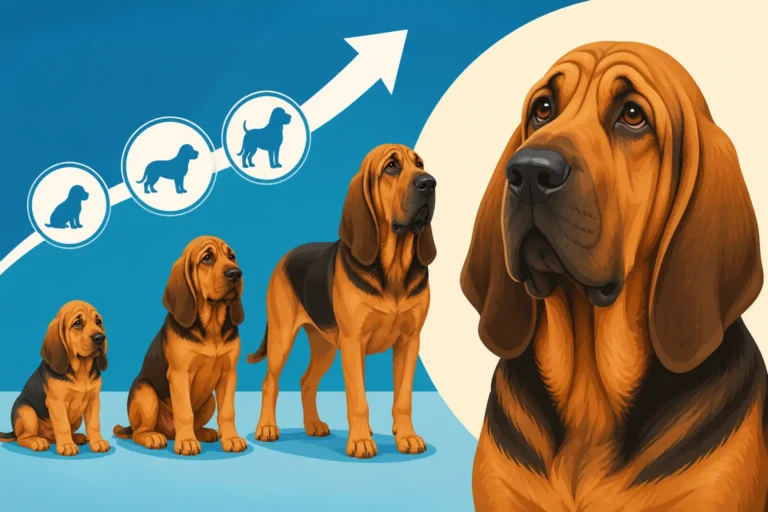
Bloodhounds grow for a surprisingly long time. While they might hit their full height by a year or so, they continue to fill out and mature physically well into their second year, sometimes even longer. During this crucial growth phase, their nutritional needs are different from a fully mature adult. Puppy formulas are designed for rapid, yet controlled, growth. Once they reach adulthood, typically around 18-24 months for a giant breed like a Bloodhound, their energy needs stabilize, and you'll transition them to an adult maintenance diet. This transition needs to be gradual and observed carefully, as puppies can sometimes look a little gangly before they fully mature. It's about finding that sweet spot where they're neither too thin nor gaining unnecessary weight.
Factors Influencing How Much Your Bloodhound Eats
It's clear that there isn't a single magic number of cups for every Bloodhound. Their dietary needs are a dynamic calculation, shifting based on several key factors. Think of it less as a rigid rule and more as a constant conversation with your dog's body.
Activity Level and Lifestyle
This is perhaps the biggest variable in your Bloodhound's daily caloric requirement. A Bloodhound actively engaged in mantrailing, search and rescue, or even just long, vigorous daily hikes, will burn a substantial amount of energy. Their muscles need fuel, and their bodies need to recover. They might easily consume 6-8 cups (or even more) of a high-quality kibble daily. On the other hand, a Bloodhound who is more of a "companion" dog, enjoying a couple of shorter walks each day and spending most of their time napping, will have significantly lower caloric needs. They might do perfectly well on 4-5 cups a day. It's crucial to be honest about your dog's actual activity. Even playing in the yard is different from purposeful exercise. A dog that is truly working, like a scent-trailing Bloodhound, has the caloric needs of an athlete. What It Costs to Put a Bloodhound on a Trail isn't just about gear; it's also about fueling them correctly.
Age and Metabolism Shifts
Just like people, dogs' metabolisms change as they age. A young, adolescent Bloodhound, even if not intensely active, might still have a higher metabolism as their body finishes developing. As they settle into mature adulthood (roughly ages 2-6), their metabolism often becomes more stable. Then, as they transition into their senior years, typically starting around age six, their metabolism can slow down again. They might also become less active due to joint stiffness or other age-related issues. This means their caloric needs will likely decrease, and you'll need to adjust their food intake to prevent weight gain. The Age a Bloodhound Is Considered Senior means it's time to start thinking about these changes. It's not uncommon for senior dogs to need a bit less food, even if they seem to be enjoying every meal.
Spay/Neuter Status and Weight Management
Spaying or neutering your Bloodhound can have a noticeable impact on their metabolism and, consequently, their weight. After these procedures, many dogs experience a drop in their metabolic rate and may become more prone to weight gain. This isn't a universal truth for every dog, but it's common enough that it's something to be aware of. If your Bloodhound was spayed or neutered, you might find you need to slightly reduce their daily food intake compared to an intact dog of the same size and activity level. This is another reason why monitoring their body condition is so important. Ignoring this can easily lead to gradual weight gain, putting them at higher risk for health issues down the line.
The Role of Food Quality and Caloric Density
Not all dog foods are created equal, and this plays a huge role in "how many cups." A premium, high-quality kibble from a brand like Ollie or Chewy, packed with nutrient-dense ingredients, might have a much higher caloric density per cup than a generic, filler-heavy food. This means your Bloodhound will need fewer cups of the higher-quality food to meet their nutritional and caloric requirements. Conversely, if you're feeding a less calorically dense food, you might need to feed more cups. Always check the caloric content (kcal/cup) on your dog food label. It's usually listed in kilocalories per cup. This number is your best friend when comparing different brands or formulas. Sometimes, investing in a slightly more expensive, calorically dense food can actually be more cost-effective in the long run because your dog eats less of it, and it provides better nutrition. Whether a Bloodhound Needs a Large Breed Formula is also a consideration, as these often have a specific calorie count and nutrient balance designed for big dogs.
Calculating and Adjusting Your Bloodhound's Daily Intake
Now that we've covered the variables, let's talk about getting down to brass tacks. How do you actually figure out the right amount for your Bloodhound? It's a blend of science, observation, and a willingness to make adjustments.
Starting with Manufacturer Guidelines (and why they're just a start)
Every bag of dog food comes with a feeding chart. These charts typically provide a range based on your dog's weight. For instance, it might say 4-6 cups for a dog weighing 90-110 pounds. This is your initial reference point, nothing more. It's a starting suggestion. Pour out the amount recommended for the lower end of your Bloodhound's ideal weight range. Why the lower end? Because it's easier to add a little more food than to take it away once the weight is gained. Over the next few weeks, you'll be observing your dog closely. Are they ravenous? Are they leaving food behind? Most importantly, how is their body condition changing? Remember, these guidelines are generalized and don't account for all the individual factors we just discussed.
The Visual and Hands-On Test: Body Condition Scoring for Bloodhounds
This is the absolute best tool in your arsenal. Forget the numbers on the bag; your eyes and hands tell the real story.
A healthy Bloodhound should:
- Ribs: You should be able to easily feel their ribs when you run your hands along their sides, much like feeling the back of your hand. You shouldn't be able to see their ribs without a lot of effort unless they're stretching or breathing deeply. If you see ribs clearly, they're too thin. If you can't feel them without pressing hard, they're too heavy.
- Waistline: When you look down at your Bloodhound from above, you should see a discernible tuck in behind their ribs, creating a "waist." It won't be as dramatic as a sighthound's, but it should be there.
- Abdominal Tuck: From the side, their abdomen should gently tuck up from their ribcage, not hang low or be straight across like a table.
You can find official Body Condition Score (BCS) charts online (often a scale of 1-9 or 1-5, with 4-5 or 2.5-3 being ideal). Use these as a visual guide. This is more valuable than any scale. For a Bloodhound, a common issue is them becoming overweight because their jowls and loose skin can sometimes obscure early signs of weight gain. Don't let the wrinkles fool you; get your hands on them regularly!
| Factor | Healthy Bloodhound (Ideal BCS) | Overweight Bloodhound | Underweight Bloodhound |
|---|---|---|---|
| Ribs | Easily felt, not seen | Hard to feel, covered by fat | Easily seen, no fat cover |
| Waistline (from above) | Distinct tuck behind ribs | Little to no waist, broad back | Pronounced tuck, bony spine |
| Abdominal Tuck (from side) | Gentle tuck up | Flat or sagging abdomen | Sharp tuck, bony hips |
| Energy Level | Good, eager to move | Sluggish, tires easily | Lacking energy, lethargic |
| Coat/Skin Condition | Healthy, supple | May have skin fold issues | Dull coat, poor skin elasticity |
Remember, your vet is your best resource here. They can help you accurately assess your Bloodhound's body condition and guide you on appropriate feeding amounts.
The Art of Incremental Adjustments
Once you have your starting point, the real work begins. You need to become an observer.
- Too Thin? If you're consistently seeing too many ribs, or they look a bit gaunt, increase their daily food intake by about 1/4 to 1/2 cup for a few days, then re-evaluate. Slowly increase until you reach that ideal body condition.
- Too Heavy? If those ribs are getting harder to feel, or their waistline is disappearing, reduce their daily food intake by 1/4 to 1/2 cup. It's often shocking how little a reduction it takes to make a difference. Again, monitor for a few days before making further changes. Getting Weight Off a Bloodhound is a slower process, but crucial for their well-being.
- Consistency is Key: Don't change the amount every day. Give your Bloodhound a few days to a week on an adjusted amount before deciding if more changes are needed. Their weight won't fluctuate wildly overnight.
It’s easy to get frustrated, especially when their weight seems to creep up despite your best efforts. Be patient, be consistent, and don't hesitate to consult your veterinarian if you're struggling to find the right balance. They can rule out any underlying medical conditions like Hypothyroidism in a Bloodhound that might be affecting their metabolism.
Practical Tips for Feeding Your Adult Bloodhound
Beyond the quantity, how you feed your Bloodhound is just as important, especially with their deep-chested build. These practices can significantly impact their health and well-being.
The Why and How of Multiple Meals a Day
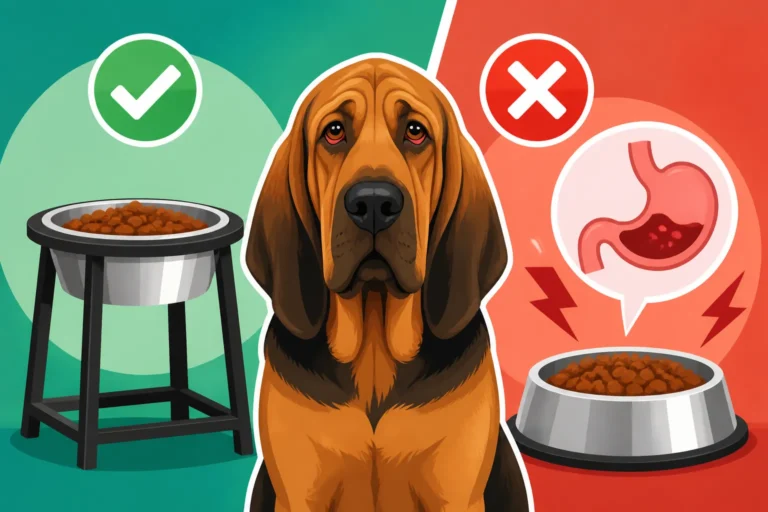
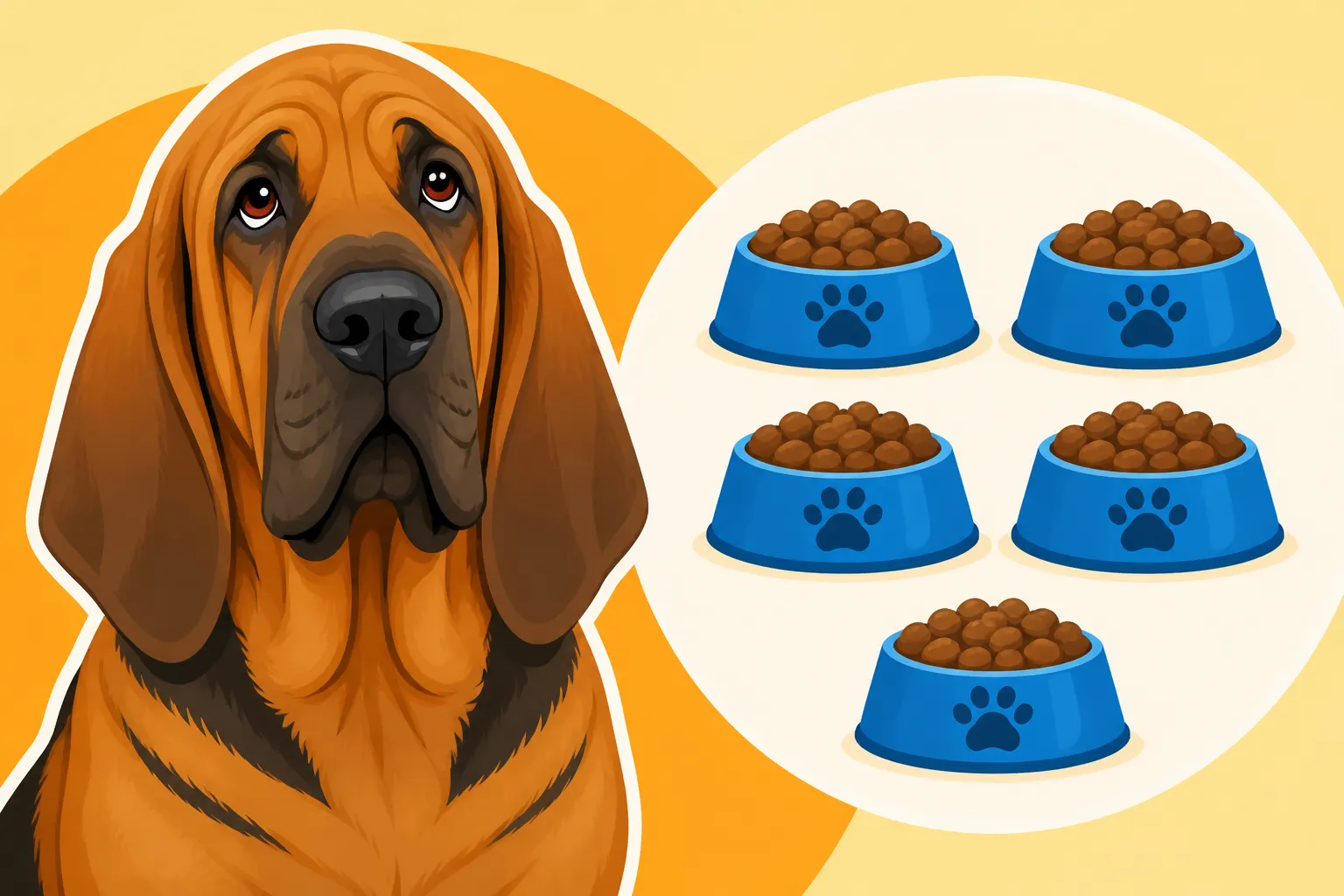
For Bloodhounds, splitting their daily food allotment into at least two meals, and ideally three, isn't just a suggestion—it's a critical preventative measure against bloat, medically known as Gastric Dilatation-Volvulus (GDV). Their characteristic deep, narrow chests, while excellent for holding massive lungs for trailing, make them highly susceptible to this life-threatening condition. Eating large quantities of food in one sitting can cause the stomach to distend rapidly with gas, fluid, or food, and then potentially twist, cutting off blood supply. Why a Deep Narrow Chest Puts a Bloodhound at Risk of bloat cannot be overstated.
By feeding smaller, more frequent meals, you reduce the chances of their stomach becoming overly full and gassy. Aim for breakfast, lunch (if possible), and dinner. This also helps with digestion and keeps their energy levels more stable throughout the day. It also means they're not quite as ravenous at any one meal. How Many Meals a Day a Bloodhound Should Eat isn't a minor detail; it's a major safety protocol. Also, ensure your Bloodhound rests for at least an hour, preferably two, before and after meals, especially after any strenuous activity. How Long a Bloodhound Should Rest After Eating is another crucial step to reduce bloat risk.
Selecting the Right Food and How to Transition
Choosing the right food involves looking beyond marketing hype. Focus on high-quality ingredients with a named meat source (e.g., "chicken meal" not just "meat meal") as one of the first few ingredients. Avoid excessive fillers, artificial colors, and unnecessary by-products. Many owners prefer large breed specific formulas, which are often designed with appropriate calcium-to-phosphorus ratios and lower caloric density to support steady growth and joint health. Brands like Ollie, with its fresh, custom meal plans, or various premium kibbles available on Chewy and Amazon, offer excellent options.
When switching foods, always do it gradually over 7-10 days. Start by mixing 25% new food with 75% old food for a few days. If your Bloodhound handles it well, move to 50/50, then 75% new, until you're feeding 100% new food. This slow transition helps prevent digestive upset like diarrhea or vomiting, allowing their system to adjust. Even if they're not showing signs of being Anxious Bloodhound Bloats More, sudden diet changes can be stressful on their digestive tract.
Monitoring and Troubleshooting Feeding Challenges
Even with the best intentions, you might run into some feeding quirks with your Bloodhound:
- Bolting Food: Some Bloodhounds eat like every meal is their last, inhaling their food in seconds. This increases their bloat risk. Consider a slow feeder bowl, which has ridges or obstacles that force them to eat around them, slowing down their intake significantly. You can find many effective options on Amazon. Whether a Bloodhound Bolts Its Food is a serious concern.
- Pickiness: While generally food-motivated, some Bloodhounds can be a bit particular. If they're suddenly not eating, or turning their nose up at food they previously enjoyed, it's worth a vet visit to rule out any underlying health issues.
- Begging: Those soulful eyes are masters of manipulation. Stick to their feeding schedule and resist the urge to give in to constant begging. This reinforces the behavior and can lead to overfeeding. If treats are given, ensure they are factored into their overall daily caloric intake.
- Weight Fluctuations: Regularly use the body condition scoring method. If you notice a sudden change in weight that isn't easily explained by a change in activity, consult your veterinarian. Significant weight loss or gain without a clear cause warrants medical investigation.
Ultimately, feeding your adult Bloodhound the right amount is an ongoing process of observation, adjustment, and understanding their unique needs. By paying close attention to their body condition, activity level, and mealtime habits, you can ensure your beloved hound stays happy, healthy, and lean for all their precious years. It’s an effort, but one hundred percent worth it for these magnificent companions.
Disclaimer
This article is for general informational purposes only and does not constitute professional advice. Laws, prices and regulations vary by location and change over time. Consult a qualified professional for guidance on your specific situation.