Whether a Bloodhound’s Dental Should Share the Gastropexy Anesthesia
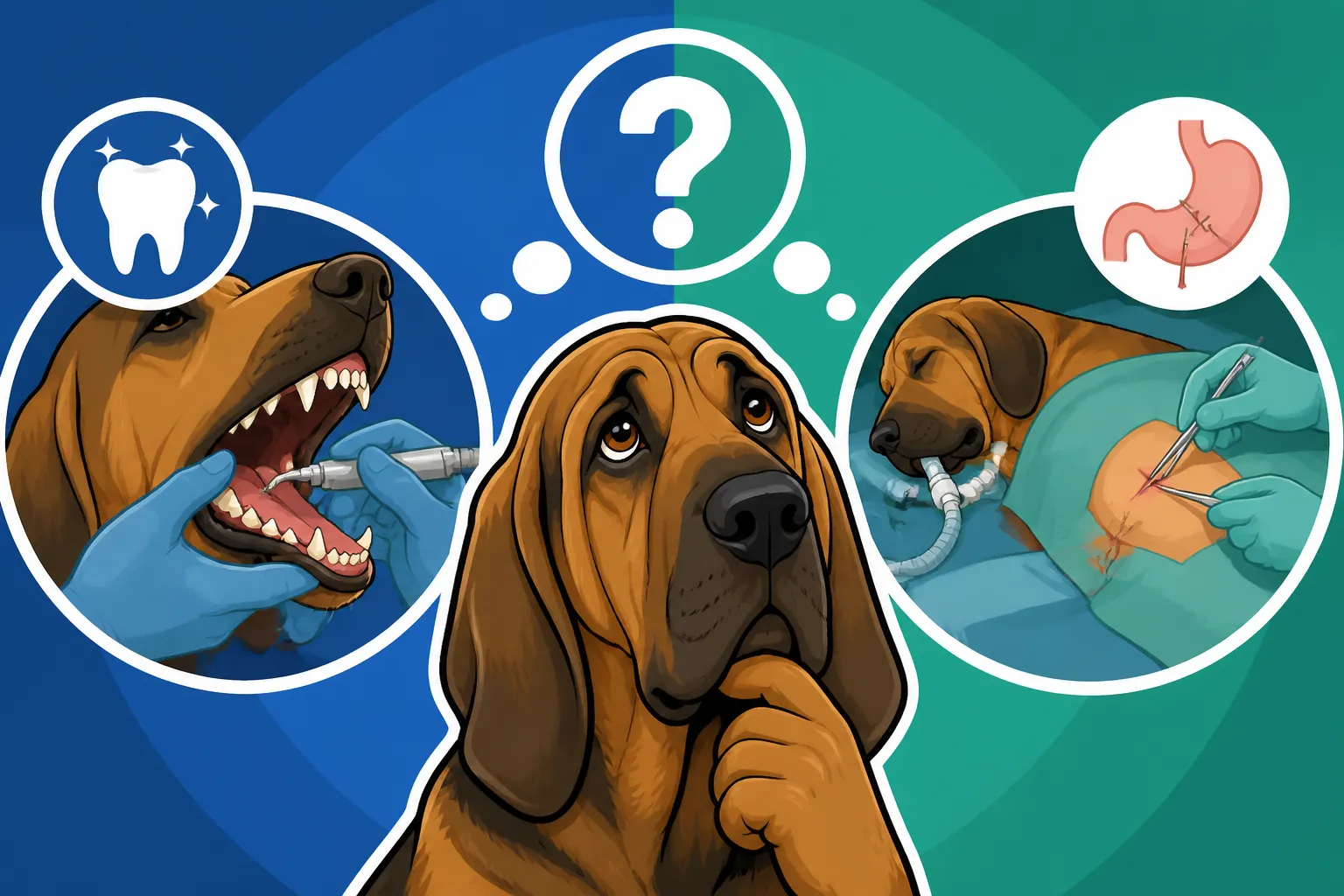
It's a common dilemma for Bloodhound owners: your beloved floppy-eared companion needs a dental cleaning, but you're also considering a gastropexy to protect them from the terrifying risk of bloat. The thought of putting your dog under anesthesia multiple times is daunting, and you start wondering if there's a way to tackle both procedures at once. This guide will help you understand the pros, cons, and crucial considerations for combining a Bloodhound's dental cleaning with a gastropexy.
The Rationale Behind Combining Procedures
For many dog owners, especially those with large breeds like Bloodhounds, the idea of having their dog undergo anesthesia is a source of real anxiety. It’s natural to want to minimize that risk, and combining necessary procedures can seem like a smart, compassionate solution. But is it always the best route? Let’s break down the thinking behind it.
Minimizing Anesthesia Risk
Every time a dog goes under general anesthesia, there are inherent risks involved. While modern veterinary medicine has made anesthesia much safer than it used to be, no procedure is entirely risk-free. These risks can range from minor complications like temporary nausea or disorientation to more serious concerns like adverse reactions to medications, respiratory issues, or, in rare cases, even cardiac arrest. For a large, deep-chested breed like a Bloodhound, these considerations are amplified due to their size and unique physiology.
When you combine two separate procedures into one anesthetic event, you're essentially exposing your Bloodhound to the induction, maintenance, and recovery phases of anesthesia only once. This means less stress on their system overall, fewer instances of pre-anesthetic bloodwork, and a single recovery period from the sedative effects. For many owners, this reduction in exposure is a primary driver behind wanting to combine procedures, providing peace of mind that their dog isn't facing repeated risks.
Convenience and Cost Savings
Let's be honest, taking your dog to the vet for surgery isn't just emotionally taxing; it's also a significant logistical and financial undertaking. Scheduling two separate surgeries means two separate drop-offs and pick-ups, two days taken off work, and two periods of restricted activity for your dog. For busy families, this can be a real challenge. Combining the dental and gastropexy into one visit can streamline this process immensely.
From a financial perspective, there's often an appeal to combining as well. While the total cost of the combined procedures will undoubtedly be higher than either one individually, you might avoid duplicate charges for certain things, such as pre-anesthetic bloodwork, IV fluids, and some of the operating room setup fees that would be incurred for two separate visits. It's not always a massive saving, but every bit helps when considering the substantial veterinary expenses for a Bloodhound. If you have pet insurance like Healthy Paws, understanding how they cover combined procedures versus separate ones can also impact your decision, so it's always wise to check your policy details. You might want to consider A Bloodhound's Money Is Spent in the Operating Room to get a broader picture of typical costs.
Age and Development Considerations
The timing of these procedures is a critical factor, especially with a growing Bloodhound. A gastropexy, which is a prophylactic surgery to prevent gastric dilatation-volvulus (GDV) or "bloat," is often recommended for Bloodhounds between six months and two years of age, often coinciding with their spay or neuter. You can learn more about this by reading The Age a Bloodhound Should Have a Gastropexy. This is typically a time when they are still developing but are old enough to handle surgery well.
Dental cleanings, on the other hand, usually become necessary later in life as plaque and tartar accumulate. However, some younger dogs can develop dental issues early, especially if they have crowded teeth or a genetic predisposition. If your Bloodhound puppy needs a gastropexy around 6-12 months and also shows early signs of dental disease, or has baby teeth that haven't fallen out, combining might be discussed. It's a careful balance of considering your Bloodhound's overall health and developmental stage for both procedures.
Understanding Each Procedure Individually
Before deciding to combine, it’s essential to have a clear understanding of what each procedure entails on its own. They address very different health concerns and require specific protocols.
The Importance of a Dental Cleaning
A professional dental cleaning, often referred to as a COHAT (Comprehensive Oral Health Assessment and Treatment), goes far beyond simply brushing your dog's teeth. It involves a thorough examination of the entire oral cavity, including probing under the gum line, full-mouth dental X-rays to assess the health of the tooth roots and jawbone, scaling above and below the gum line to remove plaque and tartar, and polishing the tooth surfaces to make them smooth and less prone to future plaque accumulation.
This procedure is crucial for your Bloodhound's overall health. Untreated dental disease can lead to painful infections, tooth loss, and even systemic health problems as bacteria from the mouth can enter the bloodstream and affect organs like the heart, kidneys, and liver. While it might seem less urgent than bloat prevention, maintaining good oral hygiene is a fundamental aspect of your dog's long-term well-being. Regular dental care products from places like Chewy can help in between professional cleanings, but they don't replace them.
The Gastropexy
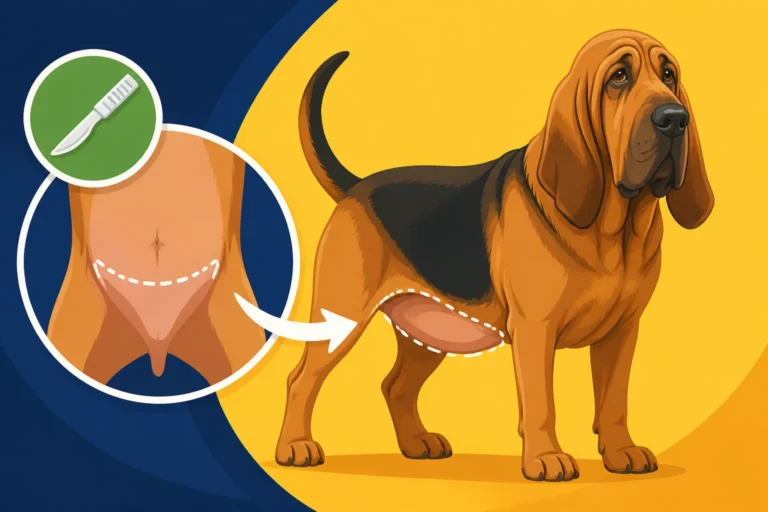
The gastropexy is a surgical procedure designed to prevent bloat, a life-threatening condition where the stomach fills with gas and twists on itself. Bloodhounds are notoriously prone to bloat due to their deep, narrow chests, and it's a terrifying reality for many owners. Bloat Is What Kills Most Bloodhounds is a stark reminder of this risk. During a gastropexy, the surgeon permanently attaches a portion of the stomach to the abdominal wall. This attachment prevents the stomach from twisting, even if it fills with gas. While it doesn't prevent the stomach from distending with gas (gastric dilatation), it effectively stops the more deadly twisting (volvulus) component.
This is a preventative surgery, a proactive measure that can save your Bloodhound's life. The decision to pursue a gastropexy is a significant one for any Bloodhound owner, and it's a discussion that requires careful consideration with your vet. You can delve deeper into the procedure itself by reading What a Preventive Gastropexy Does for a Bloodhound.
Anesthesia Protocols for Each
While both procedures require general anesthesia, there can be subtle differences in the anesthetic protocols and monitoring due to the nature of the surgery and the age of the patient. For a gastropexy, which is abdominal surgery, monitoring often focuses on cardiovascular stability, pain management during and after the procedure, and preventing hypothermia. Pre-anesthetic bloodwork is always a good idea to ensure your dog's organs are functioning well enough to process the anesthetic agents. You can find more information about What a Bloodhound's Pre Anesthetic Bloodwork Costs.
For a dental cleaning, especially if there's significant dental disease or extractions are anticipated, the focus might shift slightly to maintaining blood pressure (as extractions can be painful and cause drops) and ensuring the airway is completely protected from water and debris during the cleaning. Anesthesia for dentals often requires intubation to prevent aspiration. The duration of anesthesia is also a factor – a complex dental cleaning with multiple extractions can take as long as, or even longer than, a gastropexy. Your vet will tailor the anesthetic plan to the specific needs of your Bloodhound and the procedures being performed.
The Pros and Cons of Combining Dental and Gastropexy
Deciding whether to combine these procedures isn't a simple yes or no. There are distinct advantages and disadvantages that every Bloodhound owner needs to weigh carefully.
Benefits for Your Bloodhound
The most significant benefit for your Bloodhound is the single exposure to anesthesia. This means one period of sedation, one recovery from the anesthetic agents, and often less overall stress associated with repeated vet visits and procedures. Instead of two separate days of fasting, two inductions, and two post-anesthesia groggy periods, your dog goes through it once. This can lead to a quicker overall return to their normal self, as their body isn't recovering from surgical trauma and anesthetic effects back-to-back.
Combining can also mean a single post-operative pain management plan that covers both procedures. Your vet can prescribe medications that address discomfort from both the abdominal incision of the gastropexy and any potential gum soreness from the dental cleaning. This holistic approach to recovery can make the immediate days after surgery more comfortable for your Bloodhound.
Potential Downsides and Complications
The primary concern with combining procedures is the increased duration of anesthesia. The longer a dog is under anesthesia, the greater the potential for complications. While modern anesthetic drugs and monitoring are very safe, extending the time increases the risk of hypothermia, drops in blood pressure, or prolonged recovery. It also ties up the veterinary staff and operating room for a longer period, which can be a factor in scheduling.
Another potential downside is the increased complexity of the recovery. While you're only recovering from one anesthetic event, you're now managing recovery from two surgical sites – an abdominal incision from the gastropexy and potentially a sore mouth from the dental work. This means careful monitoring for signs of infection or discomfort in both areas. Eating might be a bit more challenging if dental extractions were performed, while the gastropexy site requires restricted activity. Your vet will provide specific instructions for What a Bloodhound Eats After Bloat Surgery which might need to be adjusted for dental recovery. This dual recovery might require more intensive nursing care from you at home.
Factors to Consider for a Successful Combination
To ensure a successful outcome when combining these procedures, several factors are paramount:
- Your Bloodhound's Health Status: The most crucial factor is your Bloodhound's overall health. A young, healthy Bloodhound with minimal dental disease might be an excellent candidate for combination. However, if your Bloodhound has significant pre-existing health conditions, severe dental disease requiring extensive extractions, or is older, your vet might advise against combining to keep the anesthetic time shorter and less strenuous on their system.
- Veterinarian's Expertise and Equipment: Not all veterinary clinics are equipped or comfortable performing complex combined procedures. Ensure your chosen veterinary clinic has experienced staff, state-of-the-art anesthetic monitoring equipment, and sufficient support personnel to handle two procedures simultaneously. A board-certified veterinary surgeon might be recommended for a gastropexy, and they may or may not be equipped for extensive dental work.
- Financial Aspects and Insurance: While there can be some cost savings, a combined procedure will still be a substantial bill. Discuss estimated costs with your vet beforehand and understand how your pet insurance (like Healthy Paws) will cover both procedures if done together. Some policies might have caps or different coverage levels for dental versus surgical procedures.
Making the Decision with Your Veterinarian
The decision to combine a dental cleaning with a gastropexy for your Bloodhound is ultimately one you'll make in close consultation with your trusted veterinarian. They are the experts who can assess your individual dog's health and provide the best guidance.
Pre-Anesthetic Screening and Health Assessment
Before any anesthetic procedure, a thorough pre-anesthetic screening is non-negotiable. This typically includes a complete physical examination, blood tests (to check organ function, red and white blood cell counts, and clotting ability), and sometimes urinalysis or even an EKG, especially for older or at-risk dogs. For Bloodhounds, some vets might recommend additional cardiac screening due to potential heart conditions within the breed. This comprehensive assessment helps your vet identify any underlying health issues that could increase anesthetic risk and allows them to tailor the anesthetic protocol specifically for your dog. If your Bloodhound shows any signs of concern, combining procedures might be put on hold until those issues are addressed.
Discussing the Timeline
Timing is everything. Your veterinarian will help you determine the optimal age and health status for combining these procedures. A gastropexy is often performed when Bloodhounds are relatively young, frequently at the time of spay or neuter, typically between 6 months and 2 years. Dental needs can vary wildly. Some dogs have perfect teeth well into their senior years, while others develop significant plaque and tartar, even needing extractions, by the time they are two or three.
If your young Bloodhound is scheduled for a gastropexy and has a relatively healthy mouth that just needs a basic cleaning, combining them might be a straightforward decision. However, if your Bloodhound is already showing signs of advanced dental disease, with potential for extensive extractions, your vet might suggest addressing the dental issues separately to reduce anesthetic time and focus entirely on the oral health. Conversely, if your Bloodhound is past the ideal age for a preventative gastropexy and now requires a dental, your vet might still recommend the gastropexy, but they'll weigh the risks of longer anesthesia in an older dog. It's truly a case-by-case discussion.
Post-Procedure Care and Recovery
When combining a dental and gastropexy, you'll need to be prepared for a recovery period that addresses both types of surgery. Your Bloodhound will likely go home with pain medication and possibly antibiotics. Instructions will include restricting activity to allow the gastropexy incision to heal, which means no strenuous exercise, jumping, or rough play for several weeks. This can be a challenge with an active Bloodhound, so creative ways to keep them calm will be important.
Feeding might also require adjustments. If dental extractions were performed, your vet might recommend a soft diet for a period. Brands like Ollie, which offer fresh, soft food, could be a good option during this time. You'll need to monitor both the abdominal incision for redness, swelling, or discharge, and your Bloodhound's mouth for any signs of discomfort, decreased appetite, or excessive drooling. The recovery period is crucial, and adhering strictly to your vet's post-operative instructions will give your Bloodhound the best chance for a smooth and complete recovery. For insights on potential recovery, you might find How Long a Bloodhound Stays In After Bloat Surgery helpful, although combining procedures may extend this timeframe slightly.
Here’s a quick overview of considerations for combined vs. separate procedures:
| Feature | Combined Dental & Gastropexy | Separate Dental Procedure | Separate Gastropexy Procedure |
|---|---|---|---|
| Anesthesia Events | One | One | One |
| Anesthesia Time | Longer (can be 2-4+ hours) | Shorter (typically 1-3 hours) | Shorter (typically 1-2 hours) |
| Total Recovery Time | One extended recovery period (e.g., 2-4 weeks) | Recovery focused on oral health (e.g., 1-2 weeks) | Recovery focused on abdominal incision (e.g., 2-4 weeks) |
| Total Cost | Potentially lower than two completely separate procedures due to shared overhead. | Cost for dental-specific procedures (pre-anesthetic bloodwork, cleaning, extractions). | Cost for gastropexy-specific procedures (pre-anesthetic bloodwork, surgery). |
| Stress on Dog | Single event, but potentially longer initial discomfort | Single event, focused recovery | Single event, focused recovery |
| Logistics for Owner | One vet visit, one block of recovery management | Two separate vet visits, two separate recovery blocks | Two separate vet visits, two separate recovery blocks |
| Ideal Candidate | Young, healthy Bloodhound with minor dental needs | Any Bloodhound needing oral health attention | Any Bloodhound at risk for bloat |
Disclaimer
This article is for general informational purposes only and does not constitute professional advice. Laws, prices and regulations vary by location and change over time. Consult a qualified professional for guidance on your specific situation.