What a Bloodhound Eats After Bloat Surgery
Bringing your beloved Bloodhound home after bloat surgery is a huge relief, a moment where you can finally exhale after days, or even hours, of terrifying uncertainty. But that relief often comes hand-in-hand with a new wave of anxiety: how do you properly care for them now? One of the biggest questions looming is what your Bloodhound eats after bloat surgery – a critical step that needs to be handled with extreme care to ensure a full recovery and prevent a recurrence of this life-threatening condition. This guide will walk you through the delicate process of post-operative feeding, offering practical advice and setting realistic expectations for your companion's journey back to health.
The Immediate Aftermath: When to Start Feeding
The first hours and days following emergency bloat surgery (gastric dilation-volvulus or GDV) are incredibly delicate. Your Bloodhound has undergone a major abdominal procedure, often including a gastropexy to tack the stomach in place, which means their digestive system and abdominal cavity need time to recover. The veterinary team will have very specific instructions about when and how to reintroduce food, and following these diligently is paramount. Rushing this process can lead to serious complications, including vomiting, further stomach upset, or even dehiscence (re-opening of the incision).
Assessing Readiness for Food: What the Vet Looks For
Before your Bloodhound even sniffs a food bowl, your veterinarian will be closely monitoring several key indicators to determine if their digestive system is ready to start processing food again. This isn't just about whether they want to eat; it's about whether their body can safely digest without stress.
One of the primary signs is the return of normal gut sounds. After surgery, the anesthesia and trauma can temporarily shut down normal intestinal motility, leading to a condition called ileus. Your vet will listen to their abdomen with a stethoscope for gurgles and rumbling, indicating that things are starting to move again. Another crucial factor is the absence of nausea or vomiting. Any sign of persistent vomiting or retching – something a dog with bloat might have been doing before surgery – means their system isn't ready. They also want to see that your Bloodhound is alert, comfortable, and no longer requiring constant pain medication via IV. The color of their gums should be a healthy pink, indicating good blood circulation, and their temperature should be stable. Sometimes, passing gas or a small bowel movement is the clearest signal that the digestive tract is waking up and ready for a tiny, experimental meal. This careful observation is why most Bloodhounds will spend at least a few days under close veterinary supervision after surgery.
The "Nothing By Mouth" Period: Why It's Crucial
Immediately following bloat surgery, your Bloodhound will be on what vets call "NPO," which stands for nil per os – literally "nothing by mouth." This means no food, no water, not even ice chips. While it might seem counterintuitive, and perhaps even cruel, when your beloved companion looks up at you with those sad Bloodhound eyes, this period is absolutely vital for their healing.
The reasons are manifold. First, the stomach and intestines have been handled extensively during surgery, causing inflammation and a temporary decrease in their ability to contract and move food along. Introducing food too soon could lead to severe abdominal pain, vomiting, or even aspiration pneumonia if they vomit and inhale stomach contents. Second, the surgical incision in the stomach wall, made for the gastropexy, needs time to begin healing without the stress of digestion. Chewing and swallowing can also cause muscular contractions in the abdomen that could put undue strain on the surgical site. During this time, your Bloodhound will receive all necessary fluids and nutrients intravenously, ensuring they stay hydrated and supported without taxing their recovering digestive system. This NPO period can last anywhere from 12 to 48 hours, depending on the severity of the bloat and the individual dog's recovery rate, and it’s a critical step in preventing complications after what can be a truly terrifying experience, as we discussed in How Fast Bloat Kills a Bloodhound.
The First Meals: What and How Much to Offer
Once your veterinarian gives the green light, the journey of reintroducing food begins. This stage is characterized by extreme caution and a focus on bland, easily digestible options presented in very small quantities. Think of it as baby steps for their stomach. The goal is to gently stimulate the digestive system without overwhelming it, slowly building back their strength and nutritional intake.
Soft, Bland, and Easy to Digest: Ideal Food Choices
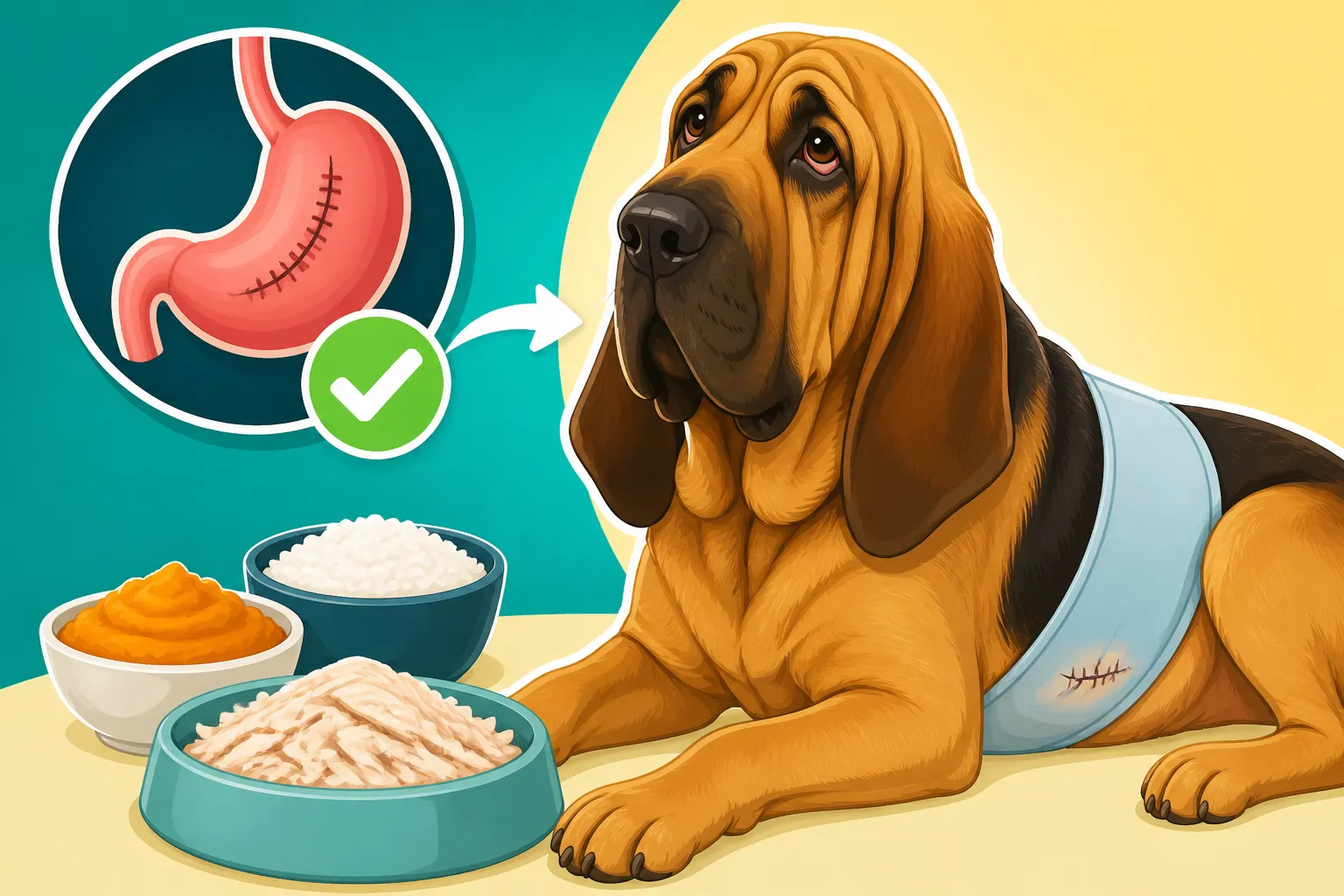
When it comes to those critical first meals, bland is the name of the game. Your Bloodhound's digestive system is incredibly sensitive right now, and anything rich, fatty, or difficult to break down could cause a serious setback. The gold standard for post-operative bland diets typically includes:
- Boiled Chicken Breast: Skinless and boneless, boiled until thoroughly cooked and then shredded into very small pieces. Chicken is a lean protein source that is generally well-tolerated.
- Plain White Rice: Cooked thoroughly until very soft, even a little mushy. White rice is low in fiber and easy on the stomach. Brown rice, while healthier long-term, contains too much fiber for this delicate stage.
- Pumpkin (Canned, Plain): Not pumpkin pie filling! Pure canned pumpkin can be a fantastic addition, as it's a good source of soluble fiber, which can help regulate bowel movements and soothe the digestive tract.
- Low-Fat Cottage Cheese: In very small amounts, some vets recommend low-fat cottage cheese for an easily digestible protein boost. Ensure it's plain and unseasoned.
Many veterinarians will also recommend specific prescription gastrointestinal diets from brands like Hill's Prescription Diet i/d or Royal Canin Gastrointestinal Low Fat. These diets are scientifically formulated to be highly digestible, low in fat, and contain ingredients that support gut health. They often come in canned pate form, making them incredibly easy for your Bloodhound to eat and digest. The key is to start with one of these options, not a mix, to clearly identify what your dog tolerates best. Remember, their system just endured a major insult, so simple is always better.
Small, Frequent Meals: Preventing Relapse
The amount and frequency of feeding are just as important as what you're feeding. After bloat surgery, particularly because the procedure often involves a gastropexy to prevent future occurrences, the stomach is still healing and susceptible to distention. Overfilling it can cause pain, vomiting, and in the worst-case scenario, put stress on the surgical tack, which is precisely what the operation aimed to prevent.
Your vet will likely recommend starting with truly tiny portions – we're talking a tablespoon or two – offered every 1-2 hours initially. This might seem like an endless task, especially with a large breed like a Bloodhound known for their robust appetite! However, this approach allows their digestive system to reactivate slowly and steadily. As they tolerate these small meals, showing no signs of nausea, vomiting, or abdominal discomfort, you can gradually increase the portion size while decreasing the frequency. This could mean moving to 1/4 cup every 3-4 hours, and then eventually to 1/2 cup every 6 hours, and so on.
The principle here is to keep the stomach volume low and avoid any rapid intake of food or water that could cause gas or distention. This method not only aids physical healing but also helps establish new eating habits that are safer for a breed prone to bloat. Understanding Why a Deep Narrow Chest Puts a Bloodhound at Risk helps explain why this careful approach is so crucial for their long-term well-being.
Transitioning Back to a Normal Diet: A Gradual Process
Once your Bloodhound is consistently tolerating the bland, small, frequent meals for several days, your vet will guide you on the next phase: slowly transitioning them back to a more normal diet. This is not a race; patience is your best friend here. A slow, methodical transition prevents digestive upset and allows their system to adapt without shock.
Monitoring for Signs of Discomfort: What to Watch For
Throughout the transition process, your vigilance is key. Your Bloodhound can't tell you they're feeling queasy or uncomfortable, so you need to be an astute observer of their behavior and physical signs. Any of the following symptoms warrant a call to your veterinarian immediately:
- Vomiting: Even a single episode of vomiting should be taken seriously. This indicates their system isn't ready for the current food or amount.
- Retching without producing anything: This is a classic sign of bloat and is an emergency even if they've had a gastropexy. While a gastropexy significantly reduces the risk of the stomach twisting, bloat (gas distention) can still occur, as discussed in Whether a Gastropexied Bloodhound Still Needs Split Meals.
- Lethargy: While some post-operative tiredness is normal, an unusual decrease in energy or enthusiasm might signal discomfort.
- Loss of Appetite: If they suddenly refuse food they were previously eating, something is likely amiss.
- Diarrhea or Constipation: Changes in stool consistency can indicate digestive upset.
- Abdominal Pain or Distention: A swollen or tender abdomen is a serious red flag.
- Restlessness or Pacing: Similar to the early Signs a Bloodhound Is Bloating, this can indicate discomfort.
Keep a log of their eating, drinking, and bathroom habits. This detailed information will be invaluable for your vet to assess their progress and make any necessary adjustments. The team at your vet clinic will likely give you very specific instructions, including who to call if you see these signs.
Long-Term Dietary Considerations: Lifelong Changes
For many Bloodhounds, the bloat scare necessitates permanent changes to their diet and feeding routine. This isn't just about recovering from surgery; it's about minimizing the risk of another terrifying incident. While a gastropexy significantly reduces the likelihood of gastric volvulus (twisting), it doesn't entirely eliminate the risk of gastric dilation (bloat without twisting).
- Multiple Small Meals: This is perhaps the most critical long-term change. Instead of one or two large meals a day, aim for 3-4 smaller meals. This prevents the stomach from becoming overly full and distended, reducing gas buildup. This strategy is also discussed in How Many Meals a Day a Bloodhound Should Eat.
- High-Quality Kibble: Choose a diet formulated for large breeds, ideally one with moderate fat content and digestible ingredients. Avoid ingredients that are difficult to process or cause excessive gas. Some owners opt for dog foods that specifically mention digestive health benefits.
- No Elevated Bowls (Controversial, but worth discussing): While once widely recommended to prevent bloat, recent research, including the Purdue Bloat Study, suggests that elevated bowls may actually increase the risk of bloat in large and giant breeds. Discuss this with your vet, but many now recommend feeding at ground level.
- Slow Feeders: These bowls are designed with obstacles that force your Bloodhound to eat more slowly, preventing them from gulping down air along with their food.
- Rest Before and After Meals: Do not let your Bloodhound exercise vigorously an hour before or after eating. This includes running, jumping, and even excited play. A full stomach combined with physical activity is a known risk factor for bloat.
- Limit Large Amounts of Water After Meals: While hydration is essential, don't let your Bloodhound gulp down huge quantities of water immediately after eating. Offer smaller, frequent sips instead.
- Consistency: Stick to a consistent feeding schedule and avoid sudden changes in diet. If you need to change foods, do so very gradually over a week or more.
These adjustments become a new normal, not just for your Bloodhound, but for your household routine. They are small prices to pay for the continued health and longevity of your beloved companion, especially given that Bloat Is What Kills Most Bloodhounds. Pet insurance providers like Healthy Paws often emphasize the importance of preventative care and adherence to veterinary advice, which can be invaluable when managing long-term health needs post-surgery.
Hydration and Supplements Post-Surgery
Beyond food, ensuring proper hydration and considering targeted supplements are key components of your Bloodhound's post-operative recovery plan. Just like with food, careful management of water intake is crucial to prevent complications while supporting healing.
Encouraging Water Intake: Safe Methods
After any major surgery, especially one involving the digestive tract, hydration is paramount for recovery. However, just like with food, allowing your Bloodhound to gulp down a large volume of water too quickly can be detrimental. It can lead to stomach distention, nausea, or even vomiting.
In the initial days post-surgery, when your Bloodhound is still largely on IV fluids, their need for oral water might be minimal. Once they are cleared for oral intake, your vet will likely recommend starting with small amounts. This could mean:
- Ice Chips: Offering a few ice chips at a time can satisfy their thirst without allowing them to rapidly ingest a large quantity of liquid. It also provides a little mental stimulation.
- Small, Frequent Bowls of Water: Instead of a full water bowl, offer a few ounces of water in their bowl every hour or two. Once they drink it, remove the bowl. This measured approach prevents overindulgence.
- Water with Meals: Gradually, as they tolerate more food, you can offer water alongside their small meals. Again, monitor the amount.
- Hydrating Foods: The bland diet items like boiled chicken and rice, especially if cooked with extra water or a little low-sodium broth, can contribute to their hydration. Canned prescription diets also have high moisture content.
Always ensure fresh, clean water is available in small, controlled amounts, and watch for excessive thirst (polydipsia) which could be a sign of dehydration or another underlying issue. Discuss any concerns about water intake or excessive thirst with your vet immediately.
Discussing Supplements with Your Vet: Are They Necessary?
The topic of supplements often comes up during recovery, and while some can be beneficial, it's vital to discuss any additions with your veterinarian first. Their system is already vulnerable, and introducing something new without professional guidance could do more harm than good.
- Probiotics: After surgery, especially if antibiotics were administered (which is common), the balance of beneficial bacteria in your Bloodhound's gut can be disrupted. Probiotics can help restore this balance, supporting digestion and immune function. Your vet may recommend a specific veterinary-grade probiotic known to be effective.
- Omega-3 Fatty Acids: These are known for their anti-inflammatory properties and can support overall healing and skin health. However, ensure the source and dosage are vet-approved, as some fish oils can be high in fat.
- Vitamins and Minerals: If your Bloodhound is on a restricted bland diet for an extended period, your vet might recommend a multivitamin to ensure they're receiving all necessary nutrients. This is less common if they are transitioning to a complete and balanced prescription diet.
It's tempting to want to give your Bloodhound "everything" to help them recover, but remember, their body is working hard to heal. The most important "supplements" are patience, a meticulously controlled diet, and consistent veterinary oversight. If you're exploring ways to support their recovery, always start with a conversation with your vet, especially if you're navigating unexpected costs that can arise, even with assistance from providers like Healthy Paws. Their expertise is invaluable in tailoring the right plan for your unique Bloodhound.
Bloodhound Post-Bloat Surgery Feeding Schedule
Here's a general guideline for transitioning your Bloodhound's diet after bloat surgery. Always consult your veterinarian for specific instructions tailored to your dog's individual recovery.
| Stage | Typical Timeframe After Surgery | Diet Type | Feeding Frequency & Amount | Key Considerations |
|---|---|---|---|---|
| Immediate Post-Op | 12-48 hours | NPO (Nothing By Mouth) | IV fluids only | Vital for stomach healing, preventing aspiration. Monitor for nausea, vomiting, gut sounds. |
| First Oral Intake | Day 2-4 | Bland, highly digestible (e.g., boiled chicken & rice, prescription GI wet food) | 1-2 tablespoons every 1-2 hours | Very small amounts to test tolerance. Observe for vomiting, pain, lethargy. Gradually increase volume as tolerated. Ensure minimal stress on the gastropexy, which is a key part of What Emergency Bloat Surgery Does for a Bloodhound. |
| Early Transition | Day 4-7 | Bland diet, gradually increasing volume and potentially introducing small amounts of prescription GI dry kibble (if applicable) | Gradually increase to 1/4 – 1/2 cup every 3-4 hours | Continue strict monitoring. If adding dry kibble, soak it in warm water to soften. Ensure rest before and after meals. This is when your Bloodhound might slowly return to themselves, which is a good indicator of Whether a Bloodhound Survives Bloat. |
| Continued Transition | Week 2-4 | Prescription GI diet, or gradual introduction of their regular high-quality food (if vet approves) | 3-4 small meals per day, gradually increasing portion size | Mix new food with the bland diet over several days. Continue slow-feeder bowls and strict rest protocols. Remember that a preventive gastropexy is usually done to mitigate future risk, as explored in What a Preventive Gastropexy Does for a Bloodhound. |
| Long-Term Management | Beyond Week 4 | High-quality large-breed formula (if not continuing prescription diet) | 2-3 small meals per day; avoid single large meals | Lifelong commitment to bloat prevention strategies: slow feeders, ground-level bowls (discuss with vet), strict rest around meals, and careful monitoring. This permanent routine helps ensure that Whether a Bloodhound That Bloated Once Bloats Again is less likely. |
This table provides a general framework, but your veterinarian's specific advice is the most important guide for your Bloodhound's post-surgery care. Every dog's recovery is unique, and prompt communication with your vet team is essential for a successful outcome. The financial aspects of ongoing care and potential complications are important to consider, which is why many owners find solace in comprehensive pet insurance policies. For instance, services from Healthy Paws can help manage the financial burden of both emergency surgeries and the subsequent tailored recovery needs, providing peace of mind during a stressful time.
Disclaimer
The information provided in this article is intended for general knowledge and informational purposes only, and does not constitute medical advice. It is essential to consult with a qualified veterinarian for any health concerns or before making any decisions related to your Bloodhound's care, especially after a serious medical event like bloat surgery. Every dog's recovery is unique, and your veterinarian can provide personalized guidance based on your Bloodhound's specific condition and needs.