Whether Kibble Size Matters for a Bloodhound
One of the most common worries I hear from fellow Bloodhound parents is about feeding. These magnificent hounds are prone to some very serious health issues, and it's easy to feel overwhelmed trying to get everything just right. You might be standing in the pet store aisle, staring at bags of kibble, wondering if the size of those little brown nuggets actually makes a difference to your big, floppy-eared friend. Let me tell you, it absolutely can, and understanding why can save you a lot of heartache and vet bills down the road. This guide will deep dive into why kibble size is a significant consideration for Bloodhounds, what problems the wrong size can cause, and how to choose the best option for your unique dog.
Why Your Bloodhound's Kibble Size Matters More Than You Think
When you look at a Bloodhound, you see those incredible long ears, the soulful eyes, and that amazing nose. What you might not immediately notice, but is crucial for their health, is their distinct oral anatomy and their peculiar way of eating. These aren't dainty eaters; they're often more like vacuum cleaners, especially if a good scent has built up their appetite. This combination of physical traits and eating habits makes kibble size a surprisingly important factor in their overall well-being.
The Bloodhound's Unique Anatomy and Eating Habits
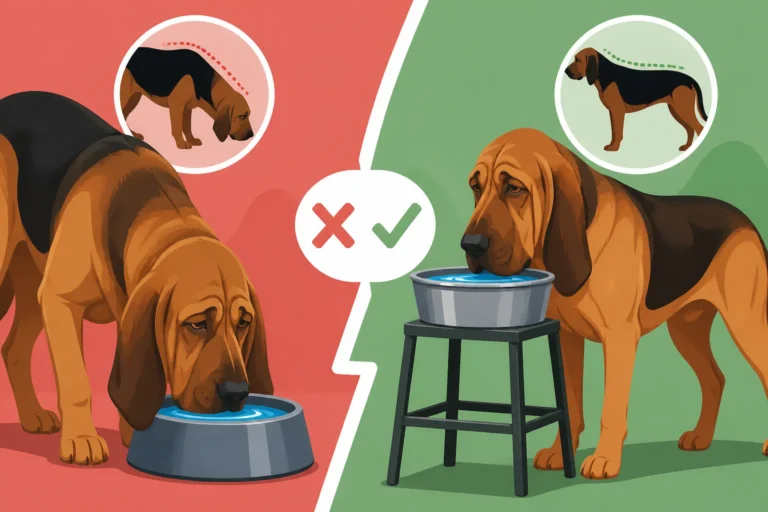
Bloodhounds are large-breed dogs with relatively broad muzzles and strong jaws. Their long, droopy jowls aren't just for looks; they help funnel scent to their noses, but they also contribute to a less-than-tidy eating experience! Because of their conformation, Bloodhounds tend to bolt their food. They scoop, they gulp, and they often swallow without much actual chewing. Think about how a Bloodhound’s ears sweep scent toward its nose; imagine that same efficiency applied to their food bowl. They’re built to consume quickly. This hurried eating style, combined with their deep, narrow chests, puts them at a higher risk for serious conditions. Understanding Why a Deep Narrow Chest Puts a Bloodhound at Risk for certain health issues really highlights why every aspect of their feeding, including kibble size, needs careful consideration.
The Silent Threat: Bloat and Kibble
Gastric Dilatation-Volvulus, or bloat, is the biggest fear for many Bloodhound owners, and for good reason. Bloat Is What Kills Most Bloodhounds, and it can strike with terrifying speed. While kibble size isn't the only factor in bloat, it's certainly one to consider. When a Bloodhound gulps down food too quickly, they often swallow a lot of air along with it. This swallowed air, combined with food and fluids, can expand the stomach, leading to dilatation. If the stomach then twists (volvulus), it's a life-threatening emergency. Some studies have suggested that feeding a larger kibble size may encourage more chewing, thereby reducing the amount of air swallowed during meals. This theory posits that a bigger piece of food forces them to slow down, even just a little, rather than simply inhaling smaller bits whole. For any Bloodhound owner, learning The Gastropexy Decision Every Bloodhound Owner Faces is often a part of preventative care, but diet choices still play a critical role.
The Dangers of Incorrect Kibble Size
It’s not just about avoiding bloat; the wrong kibble size can lead to a host of other problems that impact your Bloodhound’s comfort, dental health, and even their willingness to eat. Finding that sweet spot in kibble dimensions is part of being a responsible owner.
When Kibble Is Too Small: Choking and Bolting
If kibble pieces are too small, your Bloodhound can swallow them almost without thinking. This "bolting" behavior is a major concern. Not only does it increase the risk of air ingestion and subsequent bloat, but it also presents a very real choking hazard. Imagine your large, enthusiastic hound inhaling a mouthful of tiny pellets – it's easy for one to go down the wrong pipe. Even if they don't choke, swallowing food whole means they aren't engaging their teeth and gums in the way nature intended, which can contribute to dental issues down the line. It's a double-edged sword: the very act of eating too fast creates risks, and small kibble facilitates that speed. It makes you wonder Whether a Bloodhound Bolts Its Food more often with certain kibble types.
When Kibble Is Too Large: Dental Issues and Palatability
On the flip side, kibble that's too large can also cause problems. While it might theoretically slow down eating, if the pieces are excessively big, your Bloodhound might struggle to chew them effectively. This can lead to dental issues if they're trying to crack pieces that are too hard for their teeth, or they might even refuse to eat certain kibbles if they find them uncomfortable or painful to manage. Puppies, especially, need appropriately sized kibble that won't damage their developing teeth. An overly large, hard kibble could cause fractured teeth or excessive wear over time. You want them to chew, yes, but comfortably and effectively, not with strain.
Choosing the Best Kibble Size for Your Bloodhound
So, how do you navigate this kibble conundrum? It's not always a one-size-fits-all answer, but there are some excellent guidelines and practical steps you can take to make the best choice for your particular Bloodhound.
Considering Age and Breed Specifics
For Bloodhound puppies, you'll almost always start with a large breed puppy formula. These formulas typically have kibble sized appropriately for growing mouths and jaws, and are formulated with the right balance of nutrients to support their rapid, yet controlled, growth. As they mature into adults, transitioning to a large breed adult formula is usually the best bet. These adult formulas generally feature larger kibble pieces than standard adult dog food, specifically designed to encourage chewing in larger breeds.
When you're shopping online, resources like Chewy or Amazon offer a vast selection, making it easy to filter by "large breed" or even "giant breed" formulas, which usually come with larger kibble. This allows you to compare different brands and see what's available without having to visit multiple stores. Always check the brand's recommendations for kibble size on their packaging or website, as they've often engineered their product with specific breed sizes in mind.
Trial and Error: What Works for Your Dog
The truth is, every Bloodhound is an individual. What works perfectly for one might not be ideal for another. You might find that a kibble specifically marketed as "large breed" is still too small for your particular gulper, or perhaps too hard if your dog has sensitive teeth. It's a journey of observation and adjustment.
Start with a reputable large-breed adult formula and closely watch your Bloodhound as they eat. Are they chewing? Are they struggling? Are they inhaling it so fast you can barely blink? If you notice excessive bolting, consider trying a brand with an even larger kibble size within the large breed category. If they seem to be having trouble chewing or leaving pieces behind, you might need to try a slightly smaller, or perhaps softer, large-breed kibble. Don't be afraid to experiment, gradually transitioning between foods to avoid upsetting their stomach.
The Kibble Size Spectrum: A General Guide
To give you a clearer idea, here's a general table outlining how different kibble sizes might impact your Bloodhound:
| Kibble Size Category | Description | Potential Pros for Bloodhounds | Potential Cons for Bloodhounds |
|---|---|---|---|
| Small Bites | Tiny, pellet-like (e.g., small breed food) | Easy to swallow if chewing is difficult (e.g., senior dogs with poor teeth) | High risk of bolting, choking, and increased swallowed air (bloat risk) |
| Medium Bites | Standard kibble size (e.g., typical adult dog food) | Might be acceptable for some Bloodhounds who are naturally slower eaters | Still prone to bolting and air ingestion for most Bloodhounds |
| Large Bites | Larger, often irregular shapes (e.g., large breed food) | Encourages more chewing, potentially reducing bolting and air intake | May be too large or hard for very young puppies or dogs with dental issues |
| Extra Large Bites | Very big, sometimes chunky or donut-shaped | Maximum encouragement of chewing, potentially best for bloat prevention | Could be too cumbersome or painful to chew for some dogs, risk of refusal |
Remember, this table provides general guidance. The ideal size is the one your Bloodhound eats safely, comfortably, and at a reasonable pace.
Beyond Size: Holistic Feeding Strategies for Bloodhounds
While kibble size is a key piece of the puzzle, it's just one part of a comprehensive feeding strategy that can significantly improve your Bloodhound's health and reduce risks like bloat. We want to do everything we can to give them a long, healthy life, considering How Long a Bloodhound Lives can be shorter than we hope.
The Importance of Slow Feeders and Meal Frequency
No matter the kibble size, many Bloodhounds will still try to eat too fast. This is where a good slow feeder bowl becomes your best friend. These bowls have ridges, mazes, or pillars that force your dog to eat around obstacles, significantly slowing down their mealtime. You can find a huge variety of slow feeder bowls on Chewy or Amazon, from plastic and ceramic to stainless steel options. Using one can turn a 30-second meal into a 5-minute meal, which is a huge win for reducing swallowed air and improving digestion.
Beyond how they eat, consider when and how often. Instead of one large meal, splitting your Bloodhound's daily food into two or even three smaller meals can drastically reduce the amount of food and air in their stomach at any one time. This is a crucial strategy for preventing bloat. For more details on this, check out How Many Meals a Day a Bloodhound Should Eat. Always ensure your Bloodhound rests after eating, avoiding strenuous exercise or excessive play for at least an hour before and after meals.
Dental Health and Chews
Even with perfectly sized kibble, regular dental care is vital for a Bloodhound. Those large, powerful jaws still need attention. Incorporating dental chews designed for large breeds can help scrape away plaque and tartar. Brands found on Chewy often offer a range of sizes and textures for these. However, don't rely solely on chews; they're a supplement, not a replacement for brushing. Bloodhounds are also prone to having objects caught in their folds and jowls, so checking their mouths regularly is a good habit. You can learn more about general dental care with How Often a Bloodhound's Teeth Need Brushing.
Monitoring for Health Issues
Finally, always be vigilant. Even with the best feeding practices, bloat can still occur. Know the signs: restlessness, pacing, unproductive retching, a distended abdomen, and distress. If you ever suspect bloat, it's an immediate emergency. Knowing Signs a Bloodhound Is Bloating can literally be the difference between life and death.
Beyond bloat, watch for any changes in your Bloodhound's eating habits, stool quality, or overall energy levels. Sometimes a picky eater, or a dog struggling with certain kibble, might actually be signaling a deeper issue. If your Bloodhound seems unusually lethargic or has a dull coat, for example, it might be worth exploring options beyond traditional kibble. Some owners explore fresh food diets, like those offered by Ollie, which can sometimes address specific sensitivities or provide different textures. While kibble size is important, it's part of a larger picture of attentive care for these magnificent hounds.
Disclaimer
This article is for general informational purposes only and does not constitute professional advice. Laws, prices and regulations vary by location and change over time. Consult a qualified professional for guidance on your specific situation.