Whether a Bloodhound Gets On With Other Dogs
One common concern for folks considering a Bloodhound, or who've recently brought one home, is how this big, soulful hound will get along with other dogs in the household or out in the world. It’s a completely valid worry, because while Bloodhounds are often described as gentle giants, their unique history, powerful instincts, and sheer size can present some interesting social dynamics that aren't always straightforward. This guide will walk you through what to expect when it comes to Bloodhounds and other canines, offering practical advice for successful introductions and harmonious cohabitation, and help you navigate the sometimes-muddy waters of canine relationships.
Understanding the Bloodhound Temperament
Before you even think about introducing your Bloodhound to another dog, it's crucial to understand the core traits that define this incredible breed. Bloodhounds are, first and foremost, scent hounds. Their world revolves around their nose, and this powerful drive influences nearly every aspect of their behavior, including how they interact with other animals. They were bred to work independently, following a scent trail for miles, often without human intervention, which means they can be incredibly focused and sometimes oblivious to their surroundings when "on the job" – even if that job is just sniffing a particularly interesting patch of grass in the park.
They are generally known for their placid, easygoing nature. They're not typically aggressive dogs, and certainly not the sharp-edged guardians some might mistakenly believe due to their imposing size and serious demeanor. In fact, they tend to be quite gentle, even clumsy, and possess a remarkable patience, especially with children. Whether a Bloodhound Knocks a Child Over is a common concern that highlights their often-unaware physicality. However, "gentle" doesn't automatically equate to "eager playmate" or "social butterfly" with every dog they meet. Their independent working heritage means they might not seek out or even understand the nuances of canine social play in the same way a retriever or a herding breed might.
Natural Social Inclinations
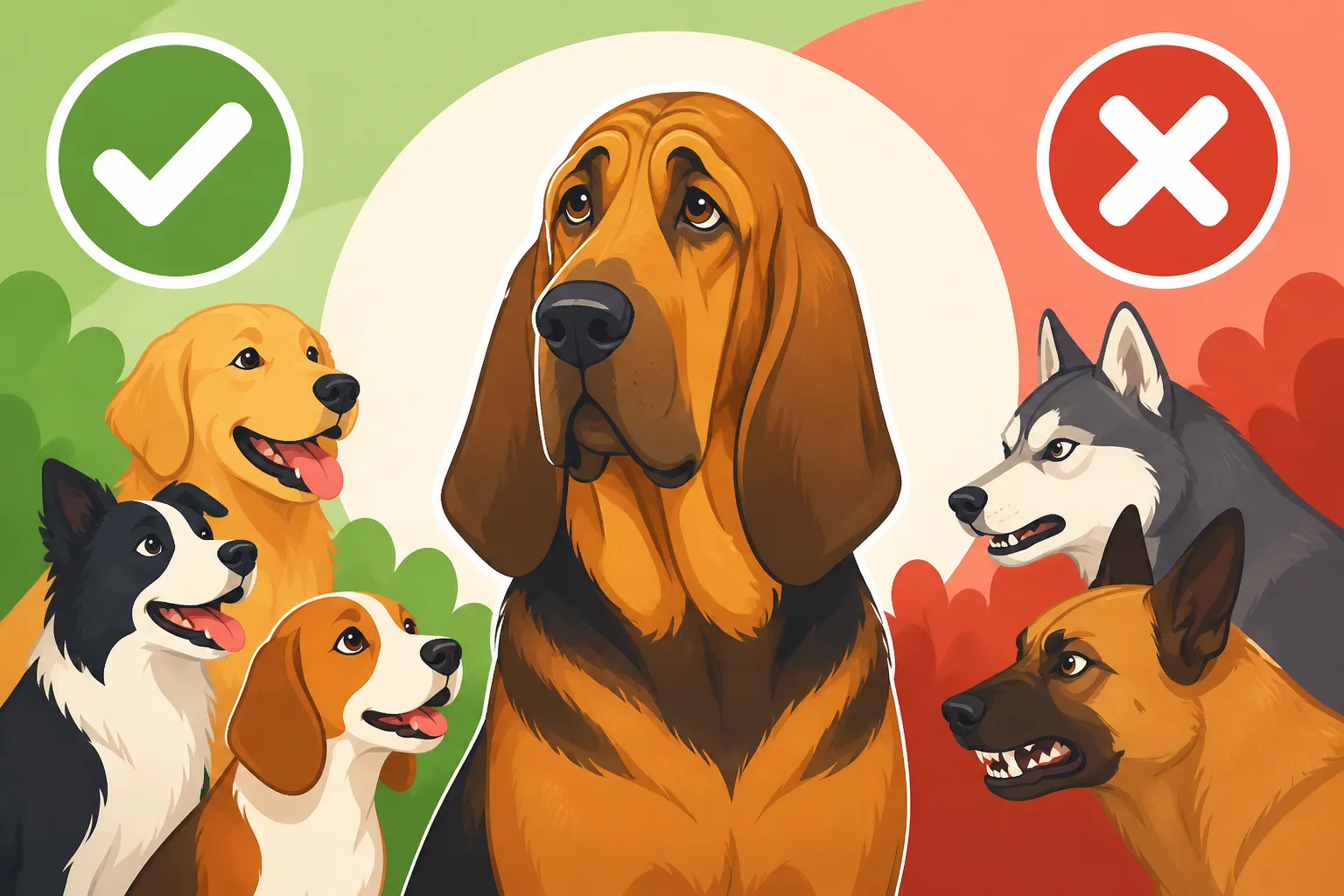
Bloodhounds often live quite happily in multi-dog households, sometimes even preferring the company of other dogs to being left entirely alone. They can form strong bonds with their canine companions, especially if introduced thoughtfully and raised together. This often comes down to their pack animal roots, where having other hounds around for comfort and company makes sense. However, their size and sometimes clumsy nature mean that smaller, more delicate dogs might find their boisterous affection a bit overwhelming. They're not always graceful in their movements, and a wagging tail or an enthusiastic nudge could inadvertently send a tiny terrier sprawling.
Their patient temperament also means they often tolerate a lot from other dogs. They're not typically quick to pick fights or react aggressively to rude canine behavior. Instead, they might simply ignore, walk away, or offer a low, rumbling bay of disapproval rather than engaging in conflict. This doesn't mean they're pushovers, but rather that their primary mode of operation isn't confrontation. This tolerance is a huge asset when bringing a Bloodhound into a home with existing pets or when encountering other dogs on walks. You’ll often find them more interested in the ground beneath their paws than the dog trotting by.
The Impact of Their Scent Drive
The Bloodhound's incredible nose is a double-edged sword when it comes to dog-dog interactions. On one hand, it can make them blissfully unaware of other dogs if a particularly captivating scent is present. They can literally nose their way past another dog without a second glance, completely absorbed in their olfactory world. On the other hand, a Bloodhound intensely focused on a scent may not respond well to another dog trying to interrupt their "work." While they won't necessarily become aggressive, they might show frustration, a low growl, or simply pull harder on the leash, ignoring the other dog and you. This isn't rudeness, but an instinctual drive that overrides other stimuli.
This scent drive is why off-leash interactions with other dogs in uncontrolled environments are almost always a bad idea for a Bloodhound. If they catch a scent, they are GONE. No amount of social manners or obedience training will compete with that ancient instinct. This isn't because they're being anti-social, but because their nose is telling them a story that's far more compelling than anything else. So, while they might enjoy a structured playgroup or a walk with a familiar canine friend on a long line, spontaneous off-leash encounters with unfamiliar dogs can quickly become problematic, not due to aggression, but due to their singular focus.
Introducing a Bloodhound to Other Dogs
Successful introductions are key to fostering positive relationships between your Bloodhound and any other dogs, whether they're new household members or just dogs you meet on walks. Taking it slow, being mindful of body language, and setting everyone up for success can make all the difference. Remember, a Bloodhound's calm demeanor doesn't mean they don't need careful handling during these crucial first meetings.
Controlled First Meetings
When introducing your Bloodhound to a new dog, especially if the new dog will be living in your home, start with controlled, neutral territory. Avoid your home or the other dog's yard initially, as dogs can be territorial. A local park (during off-peak hours), a friend's large, fenced yard, or even a walk on parallel leashes can be ideal. Keep both dogs on leashes, ideally with harnesses for better control – an important consideration for a strong hound. You can find durable harnesses and long lines on platforms like Amazon that are great for maintaining control without putting pressure on their neck.
Allow the dogs to see each other from a distance first, observing their body language. Are tails wagging loosely? Are ears relaxed? Or are there stiff bodies, direct stares, or low growls? Positive body language from both dogs is what you're looking for. If things look good, gradually decrease the distance. A "walk and sniff" approach, where they walk parallel to each other and then swap sides, can be less confrontational than a head-on meeting. Avoid tight leashes, as this can heighten tension in dogs. You want the interaction to feel as natural and unforced as possible.
Supervised Play and Space
Once initial introductions go well, allow for short, supervised play sessions. Keep these sessions brief and positive. Look for signs of appropriate play: play bows, taking turns chasing, bouncy movements, and soft mouths. Interrupt if play becomes too rough, one-sided, or if either dog shows signs of stress (lip-licking, yawning, turning away, stiff body). It's always better to end a session on a positive note and leave them wanting more than to push them past their comfort zone.
Even if they become best friends, ensure both dogs have their own space and resources. This includes separate food bowls, beds, and toys. Resource guarding can be a subtle issue that escalates over time, even with generally tolerant dogs. Bloodhounds are generally not prone to guarding, but it's always wise to prevent potential conflicts. Crates can be incredibly useful for providing individual safe spaces, especially for a Bloodhound puppy. Whether Crate Training Suits a Bloodhound Puppy is definitely something to consider, as it can be a lifesaver for managing a multi-dog household.
The Role of Socialization
Proper socialization, starting from puppyhood, is incredibly important for a Bloodhound. This means exposing them to a wide variety of sights, sounds, people, and well-mannered dogs in a positive, controlled way. A well-socialized Bloodhound puppy is more likely to grow into an adult who is confident and relaxed around other canines. However, always prioritize quality over quantity. A few positive interactions are far more beneficial than many overwhelming or negative ones. Puppy classes are an excellent resource for this, and many online programs, like those from BAXTER & Bella, offer structured guidance that can help you introduce your Bloodhound to new experiences in a positive way.
Don't mistake tolerance for active enjoyment. Some Bloodhounds are perfectly content to coexist with other dogs without engaging in boisterous play. Others might have one or two close canine friends they genuinely enjoy romping with. Respect your individual dog's preferences. Forcing interactions or expecting every dog to be a playmate can lead to stress and negative associations. Remember that a Bloodhound's independent nature means they may not constantly seek out other dogs for interaction, which is perfectly normal.
Managing Multi-Dog Households with a Bloodhound
Having a Bloodhound in a multi-dog household can be incredibly rewarding, but it does require ongoing management and an understanding of the breed's particular needs. It’s not just about the initial introductions; it’s about maintaining harmony day in and day out.
Addressing Potential Challenges
Even with the best introductions, challenges can arise. Remember that Bloodhounds are large, powerful dogs, and even their clumsy movements can be intimidating or even accidentally harmful to smaller, more fragile dogs. Always supervise interactions, especially when food or high-value toys are present. Sometimes, even a well-meaning head nudge can lead to an accidental collision.
One common issue is the Bloodhound's tendency to get intensely focused on a scent. If one dog is trying to engage your Bloodhound while it’s got its nose to the ground, the Bloodhound might ignore the other dog, or worse, become mildly agitated by the interruption. This isn’t aggression, but more of a “can’t you see I’m busy?” reaction. Learning to read your Bloodhound's body language in these moments is key. Providing separate mental enrichment activities, such as individual scent work sessions, can help fulfill their drive without interfering with other dogs.
| Aspect | Bloodhound's Typical Behavior | Potential Impact on Other Dogs | Management Strategy |
|---|---|---|---|
| Size & Clumsiness | Large, powerful, sometimes unaware of their own bulk | May accidentally knock over or step on smaller/older dogs. | Supervise play, create separate rest areas, teach gentle interactions. |
| Scent Drive | Highly focused on smells, can tune out surroundings | May ignore play overtures; can become frustrated if interrupted while sniffing. | Provide individual scent work, use long lines for walks, avoid off-leash in scent-rich areas. |
| Patience & Tolerance | Generally good-natured and not quick to react aggressively | Can be a good "older sibling" to puppies; may tolerate rude behavior initially. | Don't allow other dogs to constantly pester; intervene if one dog is clearly overwhelmed. |
| Independent Nature | Not always seeking constant social interaction or play | May prefer solo sniffing to group play; might seem aloof. | Respect their space, don't force interaction, ensure they have quiet time. |
| Baying/Vocalization | Distinctive, often loud vocalizations when excited or trailing | Can be startling or annoying to other dogs, especially shy ones. | Manage excitement, provide outlets for their voice (e.g., trailing), ensure secure fencing. |
Recognizing Signs of Stress or Conflict
It’s important to distinguish between normal canine squabbles and serious conflict. Dogs, like people, have disagreements. However, any signs of escalating aggression – stiff body language, prolonged stares, growling, snapping, or actual biting – should be taken very seriously. Don't assume your gentle Bloodhound will always be passive. Even the most laid-back dogs have their limits. Pay attention to subtle stress signals, such as lip-licking, yawning when not tired, looking away, or holding their tail low and tucked.
If you observe persistent tension, one dog constantly harassing another, or any signs of aggression, you must intervene safely and seek professional guidance. It's not about blaming one dog, but about re-establishing harmony and safety in the household. Sometimes, simply ensuring that each dog has enough individual attention, exercise, and mental stimulation can alleviate underlying stress. Remember that What a Bloodhound Does With an Empty Afternoon can greatly impact their overall mood and behavior, potentially spilling over into interactions with housemates.
Whether Two Bloodhounds Are Easier Than One
This is a question many Bloodhound owners ponder! In some ways, two Bloodhounds can be fantastic. They "speak" the same language, share similar play styles (often a bit clumsy and body-slam heavy), and can provide each other with companionship. They might even encourage each other in scent work or enjoy mutual lounging. Often, they create their own little self-contained pack. This can be great for How Long a Bloodhound Copes Alone, as they have each other for company.
However, two Bloodhounds also mean double the drool, double the expense, and double the challenge if they pick up a scent. Their sheer size means two large dogs in the house can be a logistical challenge. It also means twice the potential for ear infections and fold dermatitis! The decision to get a second Bloodhound, or any second dog, should always be made with careful consideration of your time, resources, and the dynamics of your existing dog. Introducing a second Bloodhound, even if they're both Bloodhounds, still requires careful, controlled introductions as outlined above.
When to Seek Professional Help
Even the most experienced dog owners can encounter challenges when it comes to dog-dog dynamics. Don't hesitate to seek professional help if you're struggling. This isn't a sign of failure, but a responsible choice that benefits everyone involved, especially your beloved hounds.
Identifying the Need for Intervention
You should consider contacting a professional dog trainer or veterinary behaviorist if you notice any of the following:
- Persistent tension: If your Bloodhound or another dog in the household is constantly stressed or on edge around the other.
- Escalating conflict: If growling, snapping, or actual fights are occurring, even if they seem minor.
- Resource guarding: If one dog is guarding food, toys, beds, or even your attention from the other.
- Fear or anxiety: If one dog is showing consistent fear signals, trying to hide, or exhibiting anxiety-related behaviors around the other.
- Inability to introduce successfully: If initial introductions are consistently failing or resulting in negative interactions despite your best efforts.
- Changes in behavior: A sudden change in how your Bloodhound interacts with other dogs could indicate pain or an underlying medical issue, so a vet check is always a good first step.
Remember, early intervention is always best. Addressing issues when they are small prevents them from snowballing into more serious problems.
Choosing the Right Professional
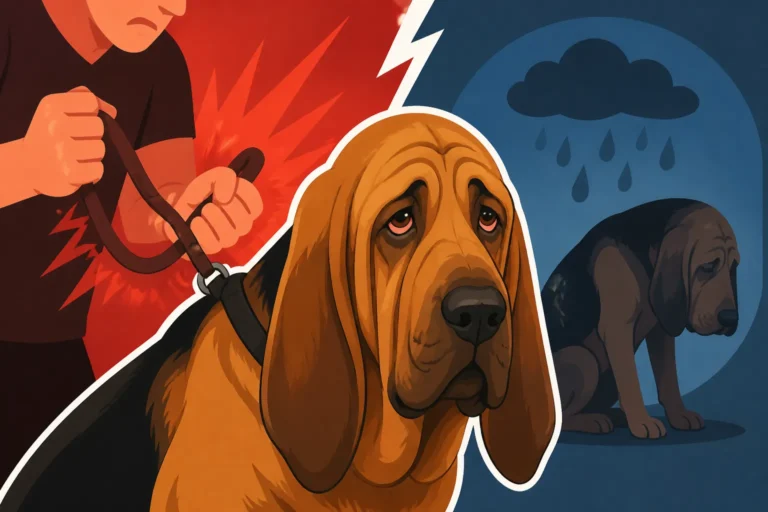
When seeking help, look for qualified, force-free professionals. Avoid anyone who suggests harsh corrections, punitive tools (like prong or electronic collars, which can have detrimental effects on a Bloodhound's sensitive nature, as discussed in What Harsh Handling Does to a Bloodhound), or methods that might intimidate your dog. A good professional will focus on positive reinforcement, management strategies, and understanding canine body language. Look for certifications from reputable organizations, and don't be afraid to ask about their methodology and experience with large scent hounds like Bloodhounds.
A certified professional dog trainer can help you implement structured training plans, improve communication between you and your dogs, and facilitate positive interactions. For more complex or deeply ingrained behavioral issues, a veterinary behaviorist (a veterinarian with specialized training in animal behavior) might be the most appropriate choice. They can assess for underlying medical conditions that might contribute to behavior issues and, if necessary, prescribe medication in conjunction with behavior modification. Platforms like BAXTER & Bella also offer ongoing support and resources that can supplement professional help, giving you tools and guidance right at your fingertips for continued learning and problem-solving.
Ultimately, your Bloodhound's ability to get along with other dogs often comes down to early, positive socialization, consistent and thoughtful management, and your commitment to understanding their unique personality and instincts. With patience and the right approach, your Bloodhound can absolutely be a wonderful companion to other canines, bringing joy and companionship to your multi-dog home.
Disclaimer
This article is for general informational purposes only and does not constitute professional advice. Laws, prices and regulations vary by location and change over time. Consult a qualified professional for guidance on your specific situation.