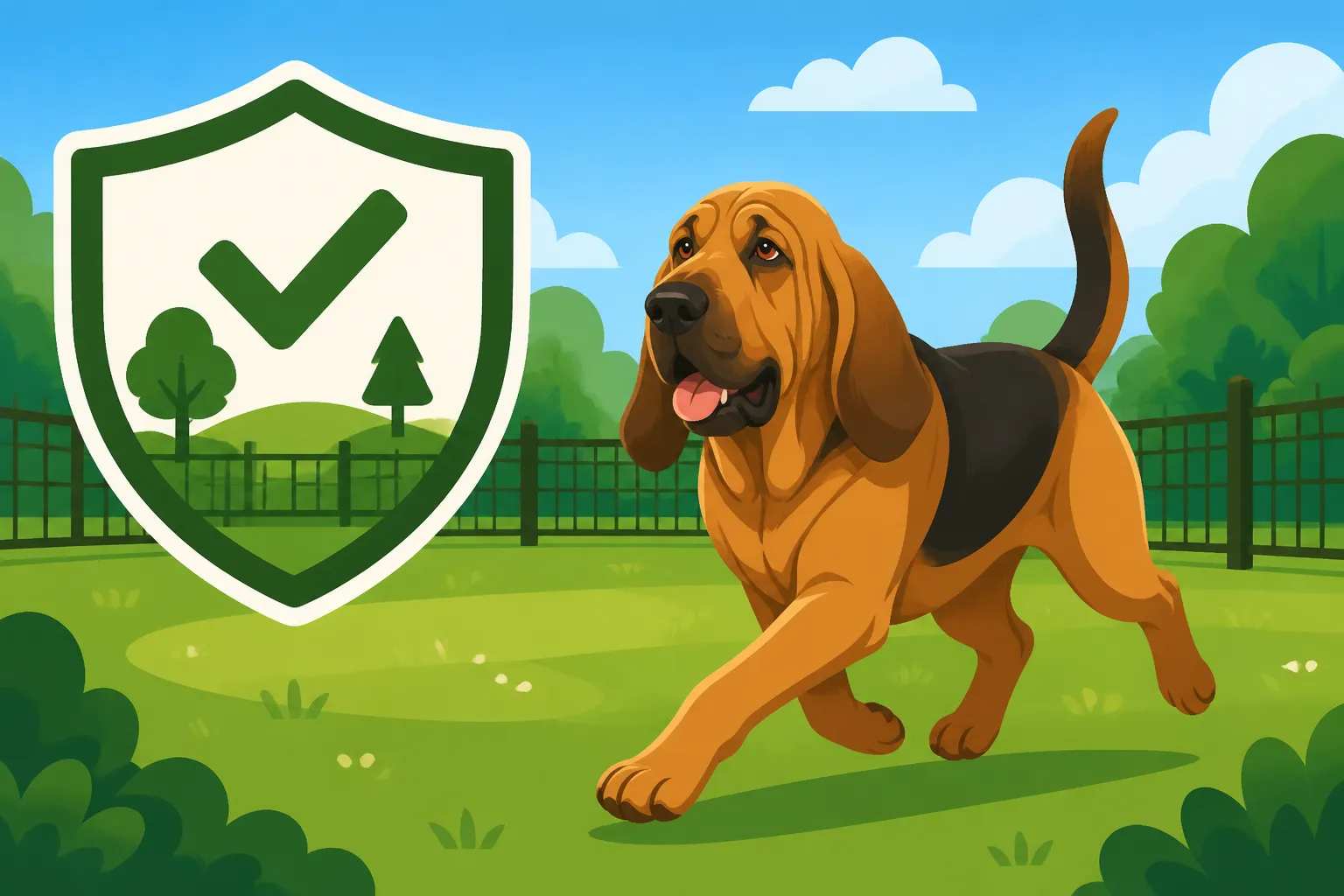
Where a Bloodhound Can Safely Be Loose
Oh, the dream of a Bloodhound frolicking freely, a picture of pure canine joy! It's a vision many of us Bloodhound owners hold dear, but the stark reality is that letting a Bloodhound off-leash in an unfenced area is often an invitation to heartbreak. Their extraordinary noses, while a marvel, are also their greatest distraction and a formidable escape artist, making "safely loose" a very specific and challenging concept for this incredible breed. This guide will delve into the unique challenges Bloodhounds present when it comes to off-leash freedom and explore the very limited scenarios where they can indeed be safely, truly "loose."
Understanding the Bloodhound's Nature: Why "Loose" Is a Loaded Term
Before we even begin to consider where a Bloodhound can safely roam without a leash, we have to grapple with the fundamental truth of the breed: their nose is their master. It's not a suggestion; it's a command that overrides almost everything else. Understanding this core trait is crucial for responsible ownership and for keeping your beloved hound safe.
The Irresistible Call of Scent
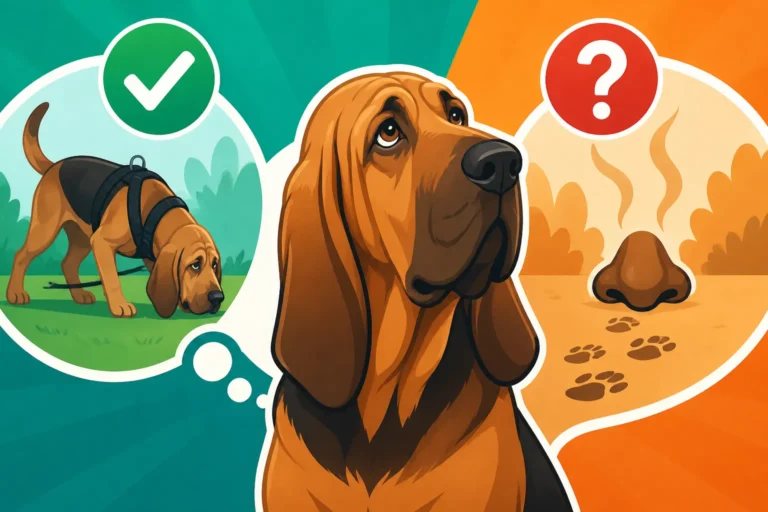
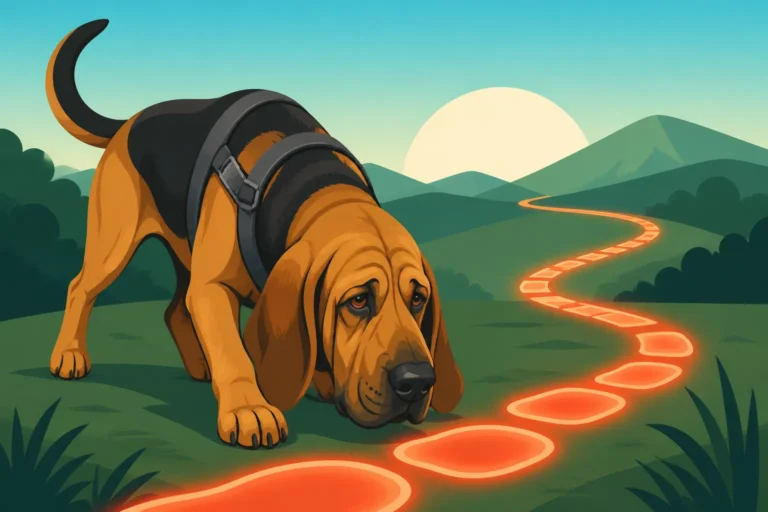
Imagine being so utterly engrossed in a task that the world around you fades away. For a Bloodhound, that task is following a scent. Their olfactory system is unparalleled, giving them the ability to detect and discriminate between odors with astonishing precision, even trails that are days old. When they lock onto a scent, it's like a siren's call that drowns out all other stimuli – including your voice. You could be offering their favorite treat, calling their name with all the enthusiasm in the world, or even trying to physically intervene, and they will likely remain oblivious, driven by the invisible thread of scent.
This isn't a sign of disobedience; it's a deep-seated instinct, a biological imperative that has been honed over centuries. If there's a fascinating scent of a rabbit, a deer, or even just another human that passed by an hour ago, your Bloodhound will follow it. They aren't being stubborn; they are simply being a Bloodhound. A real-life scenario might involve a walk in what seems like a quiet park. Suddenly, your Bloodhound's nose drops to the ground, its tail begins to flag, and its gait changes. In a blink, it has crossed the park, oblivious to the boundary fence, heading toward the faint, intriguing whiff of whatever creature passed through earlier. The further they go, the stronger the scent often becomes for them, pulling them away from you, your calls, and safety.
Genetic Hardwiring vs. Training
While training is undoubtedly vital for any dog, it's essential to understand its limits, especially with a breed as genetically predisposed to a specific function as the Bloodhound. Their tracking drive isn't a bad habit; it's what they were literally bred for. This isn't like teaching a poodle to heel or a retriever to fetch; this is asking a highly specialized scent hound to ignore its primary purpose. It's like asking a fish not to swim. This is why many Bloodhound experts will tell you that true off-leash reliability, the kind you might see in some herding or sporting breeds, is often an unrealistic goal.
For many Bloodhound owners, the frustration comes when their dog seems to understand a command perfectly in a distraction-free environment, only to "forget" it the moment a tempting smell presents itself. You might have spent months, even years, perfecting a strong recall indoors or in a sterile training hall. Your Bloodhound comes when called, sits politely, and looks to you for direction. But take that same dog to a grassy field with the faintest whisper of a deer trail, and all that training can seem to vanish. This isn't a failure of the dog or the owner; it's a testament to the power of their inherent drive. They are simply doing what their ancestors were selectively bred to do for generations. This strong genetic programming is a key reason why discussions about Why Recall Fails on a Bloodhound Outdoors are so common in our community.
The Realities of Recall with a Bloodhound
So, what does this mean for recall? It means that even the best-trained Bloodhound is a significant risk off-leash. A common misconception is that if you train hard enough, any dog can have a perfect recall. With a Bloodhound, a "perfect" recall might be achievable in some circumstances, but it is rarely reliable enough to bet their life on. The margin for error is incredibly thin. A brief moment of inattention on your part, a sudden gust of wind carrying an enticing odor, or an unexpected animal crossing their path, and your Bloodhound could be gone, ears sweeping the ground, nose locked onto a fresh trail.
This isn't to say you shouldn't train recall – you absolutely should, as it's a crucial life skill for emergencies. But you must always operate with the understanding that a Bloodhound's recall is conditional, and the condition often fails when their nose is engaged. Relying solely on voice commands in an unfenced area is a gamble with incredibly high stakes. Imagine being in a rural area, thinking it's safe, and your dog picks up the scent of a fox. They're off, running through dense woods, crossing unfamiliar fields, and potentially ending up miles away, lost and disoriented once the immediate thrill of the chase fades. Their instinct to track far outweighs their instinct to return to you if something more interesting catches their nose.
The Ideal Controlled Environment: When "Safe" Meets "Loose"
Given their overwhelming scent drive, the concept of "safely loose" for a Bloodhound almost always requires a physically secure barrier or a very specific type of human-controlled tether. This isn't about limiting their joy, but about providing them with appropriate freedom while safeguarding them from the dangers of the outside world.
Securely Fenced Yards
For most Bloodhound owners, a securely fenced yard is the primary and often only place where their hound can truly be "loose" without a leash. But not just any fence will do. Bloodhounds are large, strong, and surprisingly agile when motivated. A standard four-foot chain-link fence, for instance, might be seen as a mere suggestion rather than a barrier if there's an intriguing scent on the other side.
When considering a fence, think height and security. A minimum of six feet is generally recommended, and even then, some determined individuals can find a way over or through. How High a Fence a Bloodhound Needs is a topic many Bloodhound owners ponder seriously. Material matters too; solid fences like wood or vinyl can prevent them from seeing tempting distractions, which can reduce their motivation to escape. However, these also need to be robust. Many Bloodhounds are also adept diggers, especially if they catch a scent burrowing underground. Therefore, burying the fence line or installing a "L-footer" made of wire mesh laid horizontally along the ground and secured to the bottom of the fence can deter tunneling. Regularly inspecting your fence for weak spots, loose boards, or areas where the ground has eroded is paramount. Even a small opening can be an invitation for their powerful nose to explore and their determined body to follow.
Dedicated Dog Parks and Enclosed Areas
While a fenced yard at home is ideal, sometimes you want to give your Bloodhound a change of scenery. Dedicated off-leash dog parks can seem like a great solution, but they come with their own set of considerations. The most critical factor is the integrity of the fencing. Are the fences high enough and sturdy? Are there double-gate entries to prevent accidental escapes as other dogs enter or exit? Is the ground secure at the base to prevent digging under?
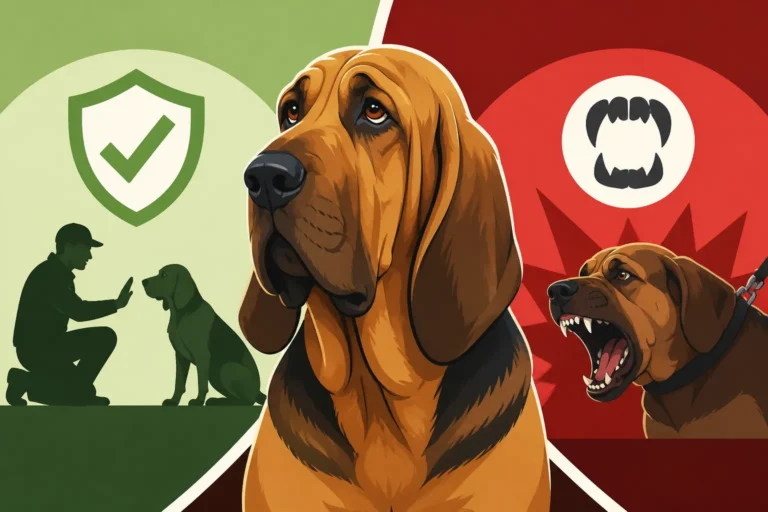
Even in a well-fenced dog park, the sheer number of novel scents can be overwhelming for a Bloodhound. They might spend their entire visit with their nose glued to the ground, oblivious to other dogs or people. This can be less about play and more about intense tracking. It's also important to consider the other dogs. Bloodhounds are generally tolerant and good-natured, but their large size and sometimes oblivious tracking behavior can inadvertently lead to misunderstandings with smaller, more reactive dogs. Always be vigilant, supervise closely, and be prepared to intervene if needed. If your Bloodhound finds a particularly potent scent, even in a fenced park, their drive to follow can be so intense that they might bump into other dogs or people without realizing it.
Long Lines as a Responsible Alternative
For those who want to give their Bloodhound more freedom to explore scents in varied environments, but without the inherent dangers of truly off-leash activity, the long line is your best friend. A long line is a lightweight leash, typically 15 to 50 feet in length, that allows your Bloodhound to roam, sniff, and investigate a wide area while you maintain a physical connection and control. This tool is invaluable for safe exploration in open fields, quiet hiking trails, or even larger private properties that aren't fully secured.
Using a long line requires active participation from the handler. You need to be constantly aware of your surroundings, managing the line, and staying engaged with your dog. It's not a "set it and forget it" tool. A sturdy harness is essential when using a long line, as a collar can put undue pressure on their neck if they hit the end of the line at speed. How Long a Line a Bloodhound Handler Buys often depends on the environment and how much space you want to grant. A 30-foot line might be perfect for a wide-open field, while a 15-foot line might be more manageable in an area with more obstacles. Companies like Amazon offer a wide variety of long lines in different lengths and materials, making it easy to find one that suits your needs. The long line allows your Bloodhound to indulge their natural instincts to trail and explore scents, giving them the mental and physical exercise they crave, all while ensuring their safety. It's a compromise that respects their breed-specific needs without risking their well-being.
Public Spaces and Unfenced Areas: Where Danger Lurks
This might sound like a tough pill to swallow, but the reality is, with very rare exceptions, a Bloodhound should never be loose in an unfenced public space. The risks are simply too high, not just for their safety, but for the safety of others and the potential legal implications.
Roads, Traffic, and Unseen Hazards
The most immediate and terrifying danger for a loose Bloodhound is traffic. A Bloodhound on a scent will cross roads, disregard traffic signals (if they even notice them), and run headlong into potential disaster. They are so fixated on their invisible quarry that they become completely oblivious to their surroundings, including fast-moving vehicles. Even on seemingly quiet country roads, the sudden appearance of a car can be fatal. It's not just cars either; bicycles, motorcycles, and even unexpected human interactions can pose a threat.
Beyond traffic, unfenced areas hold countless other unseen hazards. Think about construction zones, discarded trash, toxic plants, or even bodies of water they might not be able to navigate safely. A Bloodhound, driven by scent, will push through thorny bushes, jump into murky ponds, and squeeze through tight spaces that could lead to injury. They won't stop to assess the risk; they'll only follow the trail. The heartbreaking stories of lost Bloodhounds hit by cars or suffering severe injuries after running off are a constant reminder of why this rule is non-negotiable.
Wildlife, Livestock, and Other Distractions
When a Bloodhound gets loose, they aren't just following the scent of a missing person (which is what they were bred for in a working context). They're following any interesting scent. This often means wildlife. A deer, a rabbit, a squirrel, or even a domestic cat can become the target of their intense focus. While Bloodhounds aren't typically aggressive hunters, their sheer size and determination can still cause harm or fear to smaller animals. Imagine your Bloodhound barreling after a rabbit through someone's meticulously kept garden, or worse, into a flock of chickens or a field of livestock. The potential for injury to the animal, damage to property, and legal repercussions for you, the owner, are substantial.
Furthermore, other people and dogs in public spaces can be startled or intimidated by a large, fast-moving Bloodhound, even if your dog is completely friendly. Not everyone understands their gentle nature, and their size can be imposing. A loose Bloodhound, no matter how sweet, can cause anxiety, and in the worst cases, lead to aggressive reactions from other dogs or defensive actions from people. This is a primary reason why Why Off Leash Is Not a Goal With a Bloodhound is such a critical piece of advice for this breed.
The Risk of Becoming a Lost Dog Statistic
The grim reality is that a significant number of Bloodhounds end up as lost dog statistics because of their propensity to follow their nose for miles. They don't typically look back or try to find their way home once they've been pulled off a trail. Their world narrows to that singular scent, and once it fades or they get too far, they can be hopelessly disoriented. A Bloodhound can cover an incredible amount of ground in a short time, making them very difficult to catch once they've taken off.
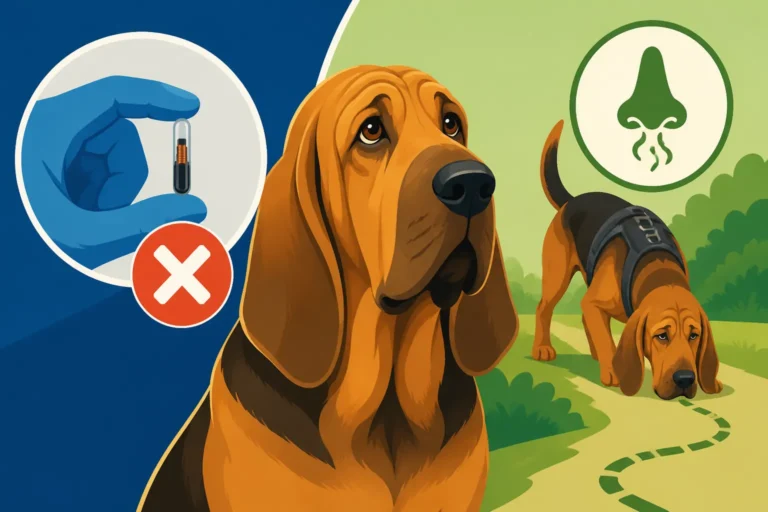
The chances of them finding their way back on their own are slim, especially in unfamiliar territory. This is why identification is so crucial for Bloodhounds. A microchip is a must, and a collar with up-to-date tags is non-negotiable. But even with these in place, the stress and danger of being lost are immense. Recovering a lost Bloodhound often involves extensive searching, social media campaigns, and relying on the kindness of strangers. It's a terrifying experience no owner ever wants to face, and one that can largely be prevented by simply understanding that "loose" in an unfenced area is not an option for this unique breed.
When Training and Tools Can Make a Difference (Within Limits)
While the inherent scent drive of a Bloodhound makes off-leash reliability a pipe dream in many situations, that doesn't mean you throw your hands up in despair. Strategic training and the use of modern tools can significantly improve safety and management, even if they don't lead to universal off-leash freedom.
Building a Rock-Solid Recall (for when it matters most)
Even if you rarely intend to let your Bloodhound off-leash, a reliable recall is an absolute non-negotiable life skill. It’s your emergency brake. You might need it if a leash breaks, a gate is accidentally left open, or during controlled activities where a quick return is necessary. To achieve a "rock-solid" recall with a Bloodhound, you need to understand two key principles: higher value rewards and consistency. Forget routine kibble; when you're training recall, your Bloodhound needs something truly irresistible – think boiled chicken, cheese, or high-value commercial treats. The reward must be more enticing than whatever fleeting scent has captured their attention.
Start in a sterile, distraction-free environment, like your home, and gradually introduce mild distractions, always setting your dog up for success. Never call your Bloodhound if you know they won't come, as this poisons the cue. Make coming to you the most rewarding thing they can possibly do. Online resources and puppy training programs, like those offered by BAXTER & Bella, can provide structured approaches to foundational obedience, though it's always important to adapt techniques to the Bloodhound's specific drives. While these programs might help lay the groundwork, always remember the Bloodhound's powerful nose will present unique challenges that require constant reinforcement and realistic expectations. Consistency is also key: every time you call them, they should be rewarded for returning, making it a positive and reinforcing experience.
GPS Trackers and Identification
In today's world, technology offers a crucial layer of security for adventurous hounds. A GPS tracker is not a substitute for a leash or a fence, but it can be an absolute lifesaver if your Bloodhound does manage to slip away. These devices typically attach to their collar and allow you to track their location in real-time via a smartphone app. While the hope is you'll never need it, the peace of mind they offer is invaluable.
When choosing a GPS tracker, consider battery life, range, and durability. You'll want one that can withstand a Bloodhound's adventures, including potentially wet or muddy conditions. Many models are available through retailers like Amazon, offering various features and subscription plans. Beyond GPS, ensuring your Bloodhound has proper identification is paramount. This includes a microchip, which provides permanent identification, and a visible ID tag on their collar with your current phone number. Many owners also engrave their dog's name and "I'm microchipped!" on the tag. This way, if they are found, the person who finds them has multiple ways to contact you quickly.
| Identification Method | Description | Benefits | Limitations |
|---|---|---|---|
| Collar & Tags | Physical tag on collar with contact info. | Immediately visible, quick contact if found by a layperson. | Can be lost, stolen, or become unreadable. |
| Microchip | Small chip implanted under skin with unique ID. | Permanent, cannot be lost, universal standard. | Requires a scanner to read, not immediately visible. |
| GPS Tracker | Device on collar, tracks location via app. | Real-time location tracking, invaluable for active search. | Requires charging, subscription, can be lost if collar comes off. |
| Tattoo | Permanent mark, often on ear or inner thigh. | Permanent identification, visible without special equipment. | Can fade over time, less common now with microchips. |
Enlisting Professional Guidance
Sometimes, despite your best efforts, you might feel overwhelmed by your Bloodhound's unique traits. That's when professional guidance can be a game-changer. A certified professional dog trainer or a behaviorist who has experience with scent hounds can offer tailored strategies and support. They can help you understand your Bloodhound's motivations, refine your training techniques, and provide realistic expectations. They might also introduce you to specific training exercises, like controlled long-line work or advanced scent games, that channel your Bloodhound's natural drives in a safe and productive way.
Beyond general obedience, many Bloodhound owners find immense joy and mental stimulation for their dogs through dedicated scent work, often called "mantrailing" or "tracking." This is where a Bloodhound truly shines. Programs designed around their natural abilities, like those teaching Mantrailing Is the Answer to a Bloodhound, Not Obedience, allow them to use their incredible noses in a structured, safe, and immensely satisfying way. These activities not only provide physical exercise but also exhaust them mentally, leading to a much calmer, happier companion at home. A good trainer can guide you into these activities, ensuring you're using appropriate equipment and techniques, further reinforcing the bond between you and your intelligent, albeit scent-driven, hound.
Planning for the Inevitable: What to Do If Your Bloodhound Gets Loose
Despite all precautions, the unthinkable can happen. A gate might be left ajar, a leash could snap, or a determined Bloodhound might simply outsmart a fence you thought was secure. Having a plan in place before this happens can drastically improve your chances of a swift and safe reunion.
Immediate Steps for a Lost Bloodhound
If your Bloodhound gets loose, the first few minutes are critical. Do not panic, but act quickly.
- Call, Don't Chase: Your instinct might be to sprint after them, but a Bloodhound on a scent can outrun you easily. Chasing can often make them run further and faster, interpreting your pursuit as part of the "game" or even something to escape. Instead, immediately call their name in a calm, encouraging voice. If they hesitate, drop to the ground or crouch down, making yourself smaller and more inviting. Some Bloodhounds respond to the "let's go home!" command or the jingle of keys if they associate it with a fun car ride.
- Use High-Value Rewards: If they are within earshot and you have their favorite treats or a beloved squeaky toy, try to entice them back. Remember, the reward needs to be more compelling than the scent they're currently tracking.
- Go to the Last Known Location: If they disappear from sight, head back to the exact spot where they were last seen or where they usually find their way out. Bloodhounds sometimes get disoriented once the immediate scent fades and might try to backtrack to a familiar point. Leave a familiar item there – a blanket, a worn t-shirt, or even their bed – that carries your scent or the scent of home. This can act as a "scent anchor" for them if they return.
- Enlist Immediate Help: Alert family members, friends, and neighbors to help. Give them a clear photo of your Bloodhound and describe their temperament. Ask them to look for a dog with its nose to the ground, moving with purpose.
Community Resources and Networks
Once the immediate search at the site is underway, broaden your efforts.
- Alert Local Shelters and Animal Control: File a lost dog report with every animal shelter, humane society, and animal control agency in your area and surrounding communities. Provide a detailed description, a clear photo, and your contact information. Be persistent and follow up regularly. Visit the shelters in person if possible, as descriptions can sometimes be misinterpreted.
- Leverage Social Media: Post clear photos and detailed descriptions of your lost Bloodhound on local lost pet Facebook groups, community forums, and Nextdoor. Include the last known location, time, and any distinguishing features. Ask people to share widely. Many successful reunions happen this way. Sites like PetFinder and PawBoost are also excellent resources.
- Create "Lost Dog" Posters: Print clear, concise posters with a large, recent photo of your Bloodhound, their name, and your phone number. Place them strategically in the area where your dog was lost, at major intersections, vet clinics, pet supply stores, and community centers. Make sure they are weatherproofed.
- Inform Your Veterinarian: Let your vet know your Bloodhound is missing. They can keep an eye out and also often have connections with local rescues and shelters.
- Contact Bloodhound-Specific Rescues: There are many breed-specific rescues dedicated to Bloodhounds. Whether a Rescue Bloodhound Already Has a Gastropexy is sometimes a question asked, showing how important these organizations are. These groups often have extensive networks and expertise in locating lost hounds and reuniting them with their families. They understand the breed's drive and where they might typically travel.
While the thought of your Bloodhound getting loose is terrifying, being prepared with a plan and understanding their unique nature can make all the difference in bringing them home safely.
Disclaimer
This article is for general informational purposes only and does not constitute professional advice. Laws, prices and regulations vary by location and change over time. Consult a qualified professional for guidance on your specific situation.