Whether a Rescue Bloodhound Already Has a Gastropexy
Bringing a rescue Bloodhound into your home is an incredibly rewarding experience, but it often comes with a unique set of worries, especially regarding their past health history. One of the biggest concerns for any Bloodhound owner is the risk of bloat, and naturally, you're wondering if your new companion has already had the preventive gastropexy surgery. This guide will walk you through exactly how to find out if your rescue Bloodhound has been pexied, what to do if the answer isn't clear, and why this procedure is so vital for the breed.
The Critical Importance of Gastropexy for Bloodhounds
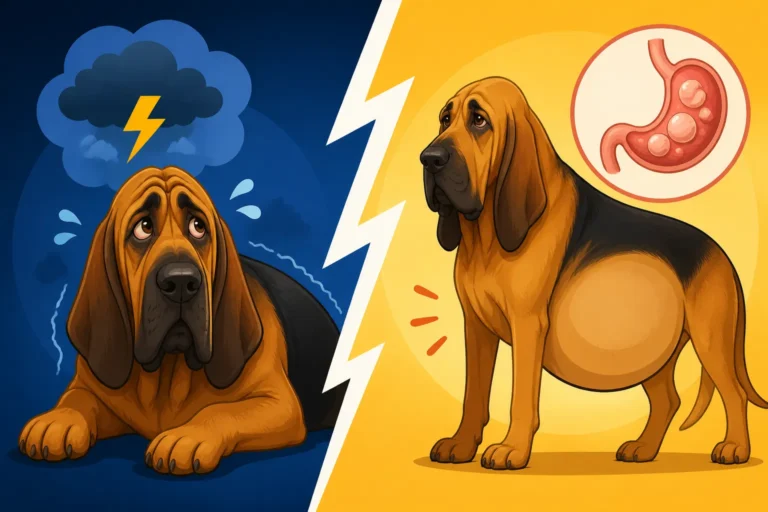
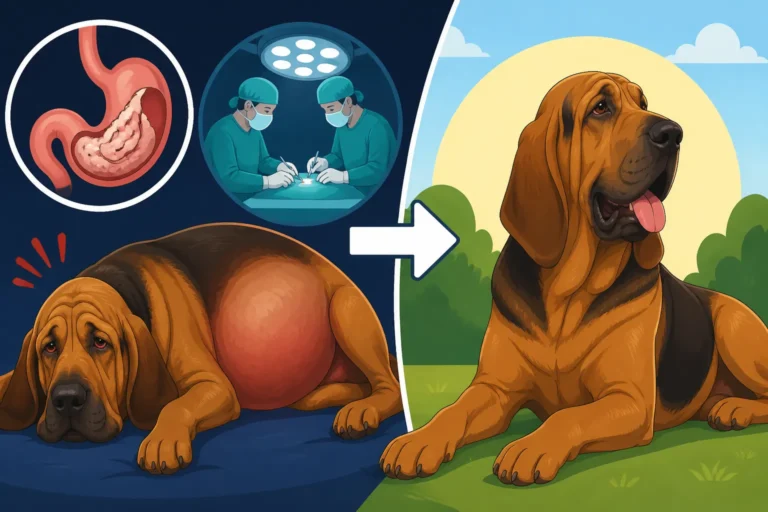
Before we dive into how to tell if your rescue has had the surgery, it's essential to understand why this particular procedure is such a paramount concern for Bloodhound owners. These magnificent hounds, with their deep, narrow chests, are unfortunately predisposed to a life-threatening condition known as Gastric Dilatation-Volvulus, or GDV, more commonly called bloat. This isn't just an upset stomach; it's an emergency where the stomach fills with gas and can twist, cutting off blood supply and rapidly leading to organ damage, shock, and death. It's a terrifying reality that hangs over many large and giant breed dog owners.
Bloat is what kills most Bloodhounds, and it does so with frightening speed. Symptoms can appear suddenly, often in the dead of night, leaving owners with mere hours to seek emergency veterinary care. The twist of the stomach is a critical event, and without immediate surgical intervention, the prognosis is grim. Many owners describe the agony of watching their beloved hound retch uncontrollably without producing anything, pacing anxiously, or collapsing from pain. It's a race against time that no one wants to experience.
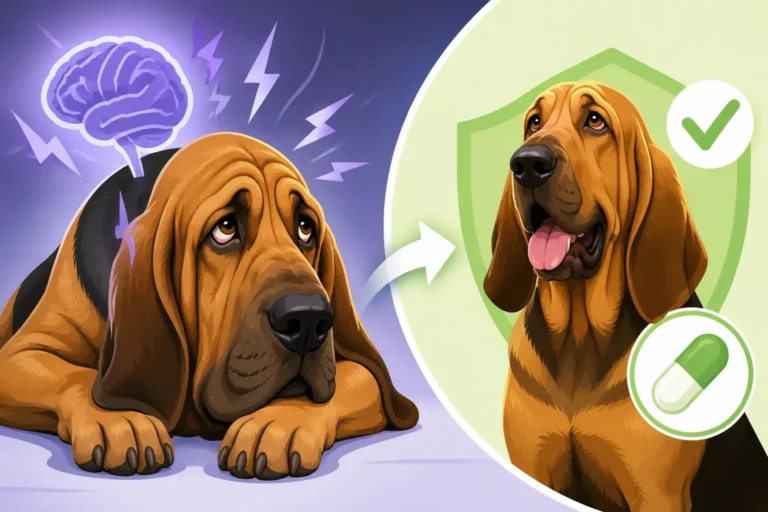
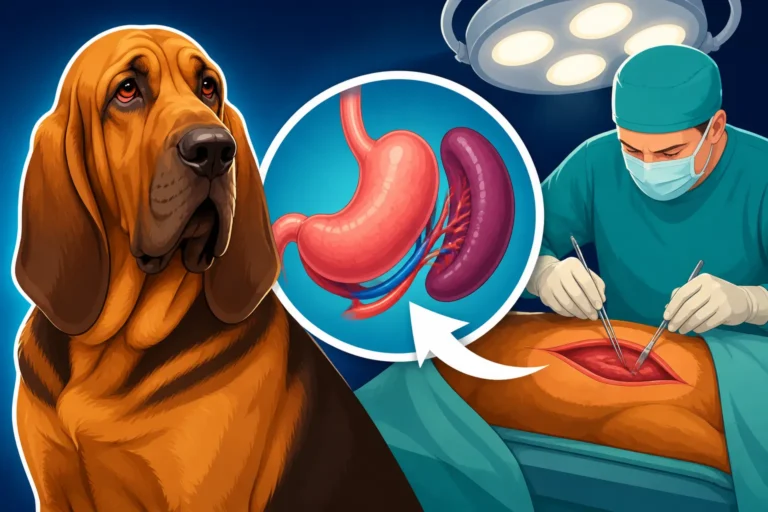
The gastropexy procedure is a surgical intervention where the stomach is permanently tacked or sutured to the abdominal wall. This prevents the stomach from twisting, effectively eliminating the volvulus (the twist) component of GDV. While a dog can still experience gastric dilatation (the stomach filling with gas), the life-threatening twist is largely prevented, giving owners more time to get their dog to a vet for decompression. For a breed like the Bloodhound, whose unique anatomy puts them at such high risk, the gastropexy decision every Bloodhound owner faces is often seen as a life-saving measure rather than an optional one. It truly is considered the gold standard for prevention in at-risk breeds.
How to Determine if a Rescue Bloodhound Has Had a Gastropexy
Unraveling the health history of a rescue dog can feel like detective work. Sometimes you get a comprehensive file, other times you get very little. When it comes to something as vital as a gastropexy, you need to be thorough.
Reviewing Available Records
Your first and best source of information will be any records that come with your rescue Bloodhound. Reputable rescue organizations, especially breed-specific ones, often go to great lengths to gather as much veterinary history as possible. This might include:
- Veterinary records: Look for surgical reports, discharge summaries, or even simple notes from a previous vet. These documents should explicitly state if a gastropexy was performed. If your Bloodhound was spayed or neutered while in the rescue's care, sometimes a gastropexy is performed concurrently, so check those records closely.
- Adoption paperwork: The rescue itself might have a section in their adoption contract or health disclosure form indicating known medical procedures, including a gastropexy. They often want adopters to be fully informed.
- Previous owner statements: If the dog came from an owner surrender, there might be direct communication or notes from the previous owner regarding health treatments. However, always take these with a grain of salt and seek veterinary confirmation if possible.
It's common for rescue Bloodhounds, particularly those coming from shelters or uncertain backgrounds, to have incomplete records. Don't be discouraged if you don't find a definitive "gastropexy performed" note right away. This just means you'll need to explore other avenues to ensure your hound's safety.
Physical Examination for a Scar
One of the most direct ways to tell if a Bloodhound has been gastropexied is by looking for a surgical scar. However, this isn't always straightforward due to different surgical techniques and individual healing.
- Traditional Open Gastropexy: If your Bloodhound had a traditional open gastropexy, there will likely be a visible scar on their abdomen. This scar is usually located on the right side of the belly, running roughly parallel to the last rib or slightly below it. It might be a few inches long, often thinner and less prominent than a spay incision. Over time, especially on a darker-pigmented dog, the scar might be hard to spot, covered by fur, or faded to a light line. Feel for any changes in texture under the fur if you can't see anything.
- Laparoscopic Gastropexy: Many vets now offer a laparoscopic gastropexy, which is a minimally invasive procedure. This technique uses a camera and specialized instruments inserted through small incisions. Because of this, your Bloodhound would only have two or three very tiny scars, often no more than an inch long, which can be incredibly difficult to find, especially on a large, wrinkly Bloodhound with a dense coat. These small scars might look like faint lines or even just healed poke marks. This is why just checking for a scar isn't always foolproof.
Carefully run your hands over your Bloodhound's abdomen, paying close attention to the area just behind the last rib on their right side. Feel for any ridges, changes in fur pattern, or areas where the skin might feel different. Remember that even if you find nothing, it doesn't definitively mean the procedure wasn't performed, especially if it was laparoscopic.
Veterinary Consultation and X-rays
The most reliable way to confirm whether your rescue Bloodhound has had a gastropexy is to consult your veterinarian. They are experts at detecting subtle signs and can utilize diagnostic tools to give you a definitive answer.
- Thorough Physical Exam: Your vet will conduct a detailed physical examination, feeling the abdomen specifically for surgical adhesions or palpable evidence of a pexy. They know exactly what to look for and where.
- Abdominal X-rays: This is often the gold standard for confirmation. A simple abdominal X-ray can usually reveal if the stomach has been attached to the abdominal wall. While a gastropexy doesn't leave a metallic implant, the way the stomach sits and the presence of any sutures or scar tissue can be visible on an X-ray to a trained eye. Your vet can take a few different views to ensure they get the clearest picture. This peace of mind is invaluable, and many pet insurance companies, like Healthy Paws, recognize the importance of such diagnostics for ensuring a pet's well-being.
- Discussion of Bloat Risk: Even if a gastropexy is confirmed, your vet can discuss other factors that influence a Bloodhound's bloat risk and provide guidance on feeding and exercise to minimize gastric dilatation. Understanding how to manage your dog's daily routine is crucial.
Here's a quick comparison of methods to check for a gastropexy:
| Method | Pros | Cons | Reliability |
|---|---|---|---|
| Review Vet Records | Definitive proof if available; provides exact date and type of surgery. | Often incomplete or unavailable for rescue dogs; requires clear documentation. | High |
| Physical Scar Check | Can be done at home; quick visual/tactile assessment. | Scars can be faint, hidden by fur, or nearly invisible with laparoscopic procedures. | Medium |
| Veterinary Consultation | Professional assessment; vet knows what to look for. | Requires a vet visit and associated costs. | High |
| Abdominal X-rays | Most definitive diagnostic tool; provides visual confirmation. | Requires a vet visit, sedation might be needed if dog is anxious, and incurs additional costs. | Very High |
What to Do If Your Rescue Bloodhound Hasn't Had a Gastropexy
If, after all your detective work, you find that your rescue Bloodhound has not had a gastropexy, please don't panic. You now have crucial information that allows you to take proactive steps to protect your beloved companion. This situation means you have a critical decision to make regarding their health and future.
Discussing Preventive Gastropexy with Your Vet
The most important next step is to have a comprehensive discussion with your veterinarian about a preventive gastropexy. Given the high risk of bloat in Bloodhounds, this procedure is strongly recommended by veterinarians for the breed. Your vet will discuss:
- Timing: For adult rescue Bloodhounds, the surgery can be performed at any time. If your dog still needs to be spayed or neutered, a gastropexy can often be performed at the same time, which can save on anesthesia costs and recovery time, as the dog is already undergoing surgery.
- Procedure Details: They'll explain the open versus laparoscopic techniques, recovery expectations, and potential risks, although the risks associated with bloat surgery are far greater than those of a preventive gastropexy.
- Cost: Be prepared to discuss the costs involved. A preventive gastropexy is significantly less expensive and less risky than emergency bloat surgery, which can run into thousands of dollars. Having a proactive approach can certainly save you money and heartache in the long run. Many owners find that investing in pet insurance, like a plan from Healthy Paws, offers immense peace of mind, especially for breeds prone to specific conditions. While a pre-existing condition generally isn't covered, preventive care is a separate category and something to discuss with your provider.
Making the decision to go forward with a gastropexy is a responsible choice for a Bloodhound owner. It gives you incredible peace of mind knowing you've significantly reduced the risk of a devastating emergency.
Mitigating Bloat Risk in the Meantime
While you are planning for a potential gastropexy, or if you decide against it for various reasons, it is absolutely crucial to implement strategies to reduce your Bloodhound's risk of bloat. Even with a gastropexy, it's wise to continue these practices, as they help prevent the gastric dilation component of GDV.
- Feeding Habits:
- Multiple Small Meals: Instead of one or two large meals, feed your Bloodhound two or three smaller meals throughout the day. This reduces the amount of food and gas in the stomach at any one time.
- Slow Feeding: If your Bloodhound tends to eat quickly, consider using a slow-feeder bowl or placing a large, non-edible object (like a clean rock or special slow-feeder insert) in their bowl to make them eat around it.
- Avoid Exercise Around Meals: Ensure your Bloodhound rests for at least an hour before and after eating. Strenuous exercise, running, or even vigorous play right after a meal can increase bloat risk.
- No Elevated Bowls: While once thought to prevent bloat, recent studies, including the Purdue Bloat Study, suggest that elevated bowls may actually increase the risk of bloat in large and giant breeds. Stick to feeding your Bloodhound at ground level.
- Limit Water Intake Around Meals: Don't let your Bloodhound gulp down large quantities of water immediately before or after eating.
- Stress Reduction: Anxious or stressed dogs may be at higher risk for bloat. Maintain a calm environment, especially around meal times.
- Know the Signs: Familiarize yourself with the signs a Bloodhound is bloating. These include unproductive retching, a distended or hard abdomen, restlessness, pain, and collapse. Time is critical, so early recognition is paramount. You need to know how fast bloat kills a Bloodhound and be ready to act immediately.
Implementing these practices diligently can help manage the risk, but they are not a substitute for the protection a gastropexy provides.
Understanding Rescue Operations and Health Information
It's important to approach the health history of a rescue Bloodhound with an understanding of the challenges rescue organizations face. They are often working with limited information and resources, particularly when dealing with dogs whose pasts are unknown.
Challenges in Obtaining Full Health Histories
Many rescue Bloodhounds come from situations where their previous history is vague or entirely absent. This is not a reflection on the rescue organization, but rather a common reality of animal rescue.
- Stray Animals: Dogs found as strays have no known history. Rescues must rely solely on veterinary examination and observation to piece together their health profile. They simply don't have records from prior owners.
- Owner Surrenders: While some owners provide thorough records, others might offer minimal information, or their pets may not have received consistent veterinary care. Owners surrendering a dog might also be under significant emotional stress, making it hard to recall every detail.
- Puppy Mill or Hoarding Situations: Dogs from these environments often arrive with severe health issues and absolutely no medical history. Their primary needs are typically immediate medical intervention for obvious ailments, and extensive preventive surgeries like a gastropexy are unlikely to have been performed.
- Cost Limitations: Rescue organizations operate on donations and tight budgets. While they prioritize life-saving care and essential vetting (like spay/neuter, vaccinations, microchipping), they might not always have the funds to perform preventive surgeries like a gastropexy on every single at-risk dog they take in, especially if the dog isn't already undergoing another surgical procedure. This is where pet insurance from a company like Healthy Paws can be a lifesaver for future unexpected vet bills for adopters.
This lack of comprehensive history is a major reason why rescue groups usually recommend a full vet check-up for adopted dogs, even if they come with a clean bill of health from the rescue's vet.
The Commitment of Reputable Rescues
Despite these challenges, reputable Bloodhound rescues and all-breed organizations are deeply committed to the well-being of the dogs in their care. They strive to provide as much information and care as possible.
- Transparency: A good rescue will be transparent about what they know and what they don't know regarding a dog's health history. They won't make guarantees they can't keep.
- Standard Vet Care: They will ensure all dogs are spayed/neutered, vaccinated, dewormed, and microchipped before adoption. They will also address any immediate medical needs.
- Health Disclosures: Many will provide detailed health disclosures, noting any known conditions, previous surgeries, or ongoing medical requirements. If a gastropexy was performed under their care, they would certainly document it.
- Post-Adoption Support: Reputable rescues offer support and advice after adoption, which can be invaluable as you settle your new Bloodhound into your home and navigate any health concerns.
Ultimately, adopting a rescue Bloodhound means you are taking on a responsibility that might include some unknowns. However, by being proactive, working closely with your veterinarian, and asking the right questions, you can ensure your big-hearted hound receives the best possible care and lives a long, healthy life free from the terrifying threat of bloat. This is one of the many reasons why so many Bloodhounds reach rescue at eighteen months — sometimes their previous owners simply weren't prepared for their unique needs, including their health vulnerabilities.
Disclaimer
The information provided in this article is for general informational purposes only and is not a substitute for professional veterinary advice. Always consult with a qualified veterinarian regarding any medical concerns or before making any decisions about your pet's health.