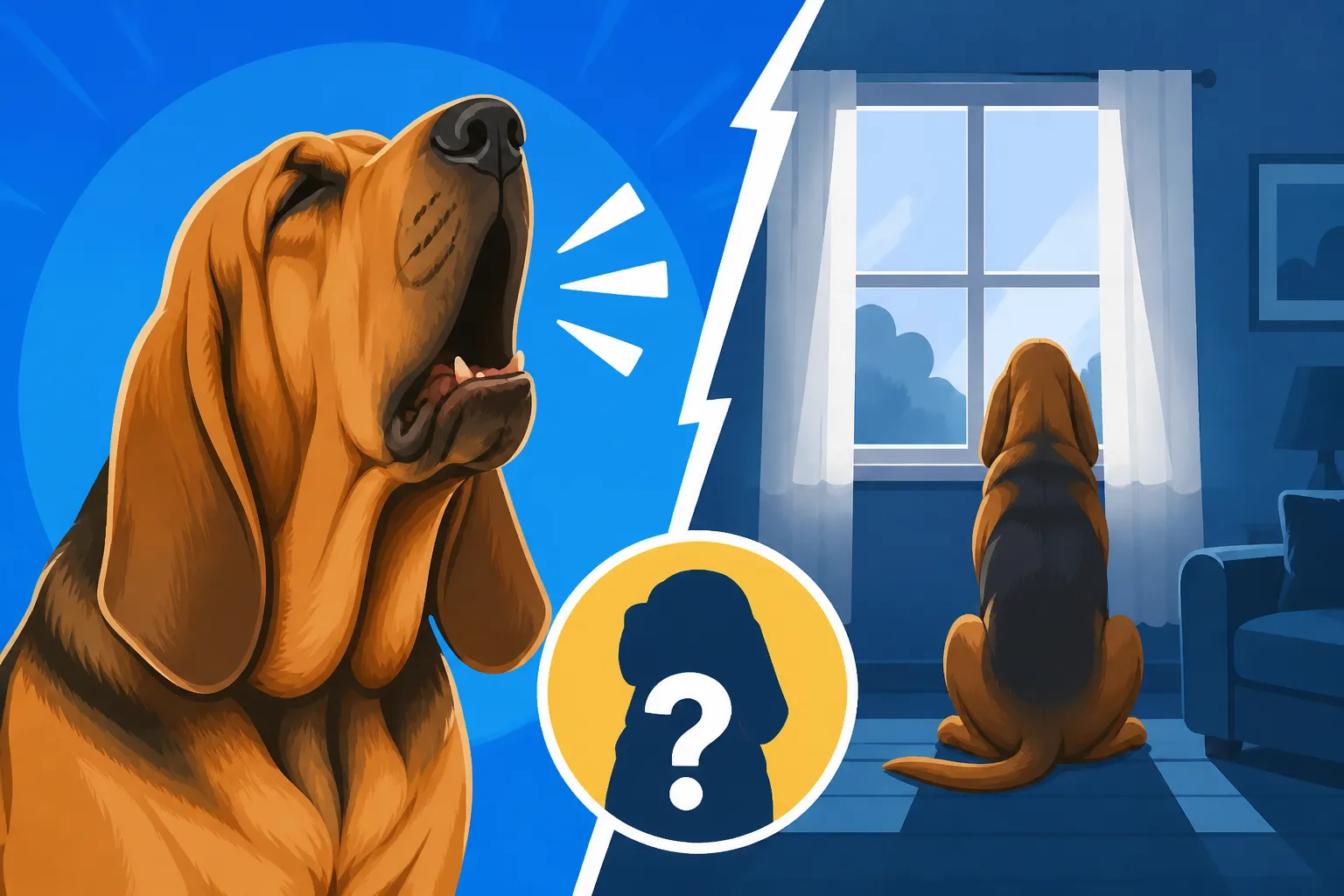
Whether a Bloodhound Bays When Left Alone
One of the most common worries for Bloodhound owners, or those considering bringing one of these magnificent hounds into their lives, is the potential for their deep, resonant baying to become a problem, especially when they're left by themselves. It's a truly heartbreaking sound when your dog is distressed, and it can quickly become a serious issue with neighbors or even local ordinances. This guide will help you understand the root causes of why a Bloodhound might bay when left alone and offer practical, empathetic strategies to address this very vocal concern.
Understanding Why a Bloodhound Bays When Alone
When your Bloodhound starts to bay the moment you walk out the door, it’s not just "being bad" or trying to annoy you. There are deep-seated instincts and learned behaviors at play that lead to this vocalization. Dissecting why it's happening is the first crucial step to finding a solution that actually works for your unique hound.
The Deep-Rooted Instinct to Vocalize
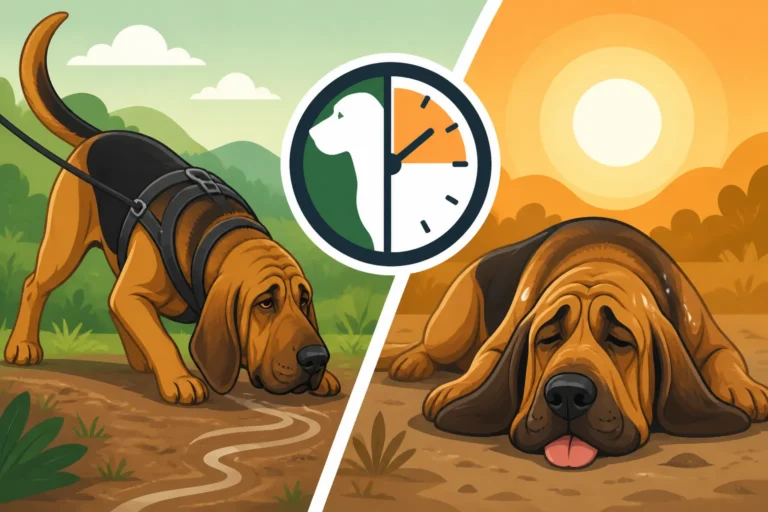
Bloodhounds, like all hounds, were bred to vocalize. Their bay is their communication tool in the field, signaling to hunters that they're on a trail, marking a find, or calling to their pack. This isn't a bark of alert, but a drawn-out, mournful sound designed to travel distances and announce their presence and progress. It's a natural, intrinsic part of who they are, woven into their very DNA. So, when they're left alone, especially in an environment that feels unfamiliar or empty, that instinct to vocalize can kick in. They might be calling out to their "pack" (you!), trying to locate you, or simply expressing a deep-seated feeling that something isn't right because their world has suddenly gone quiet. It's a profound misunderstanding to expect a Bloodhound not to bay at all, but we can certainly work on when and why they do it. The volume and persistence of their How Loud a Bloodhound's Bay Is can certainly be a shock to new owners, and it's something that needs to be factored into their care.
This powerful instinct means that simply trying to punish the baying will likely be counterproductive. They aren't choosing to be "naughty"; they're following an ancient blueprint. Instead, our goal as owners is to redirect that instinct, provide appropriate outlets for their vocal nature, and address the underlying emotional states that trigger excessive baying when unaccompanied. Ignoring this fundamental aspect of their breed would be like asking a retriever not to retrieve—it's fighting against their very essence. Understanding this helps us approach the issue with more patience and a greater chance of success.
Separation Anxiety vs. Boredom Baying
It’s absolutely vital to distinguish between a Bloodhound baying out of pure boredom and one that is suffering from genuine separation anxiety. While both manifest as vocalization when left alone, their causes and, therefore, their solutions, are quite different. Boredom baying often happens when a Bloodhound has ample mental and physical energy and not enough to do with it. They might also chew inappropriately, dig, or engage in other destructive behaviors, but the core isn't panic—it's a lack of engagement. They're basically saying, "Hey! I'm still here! I'm bored! Entertain me!"
Separation anxiety, on the other hand, is a much more intense and often distressing experience for your Bloodhound. It stems from a genuine fear of being left alone. Dogs with separation anxiety often show other signs beyond just baying, such as destructive chewing aimed at escape routes (doors, windows), inappropriate urination or defecation (even if house-trained), excessive drooling, pacing, or frantic attempts to follow you around the house. They can become utterly inconsolable, and the baying is less a call for attention and more an expression of panic. How Long a Bloodhound Copes Alone can vary wildly depending on whether they are truly anxious or just bored. It's important to observe your Bloodhound closely, perhaps even setting up a pet camera, to truly understand the nature of their distress.
Environmental Triggers When You're Not There
Even the most well-adjusted Bloodhound can be prompted to bay by external stimuli when left unsupervised. Their incredible noses and sensitive ears mean they pick up on far more than we ever would. A passing squirrel, the distant siren of an emergency vehicle (which can trigger them to howl or bay along, as they often do), a neighbor's dog barking, or even the sound of someone walking by on the sidewalk can be enough to set off their vocal cords. Remember, they were bred to react to scents and sounds in their environment, and that instinct doesn't turn off just because you've left the house.
Consider the layout of your home and your Bloodhound's access to windows or outdoor areas. If they can see or hear a lot of activity, it provides constant stimulation that can lead to reactive baying. The mail carrier, the school bus, children playing—all these everyday occurrences become potential baying triggers. If your Bloodhound is prone to baying at every passerby when you're home, imagine how much more likely they are to do it when they feel like they're the sole guardian of the homestead. Reducing their exposure to these triggers, or at least managing their reaction to them, is a key piece of the puzzle.
Preventing and Managing Baying Before It Becomes a Habit
It's always easier to prevent a behavior problem than to fix one that's deeply ingrained. For Bloodhounds, whose vocalizations are so inherent, a proactive approach to preventing excessive alone-time baying is absolutely essential. This involves building their confidence, providing appropriate stimulation, and carefully managing their environment.
Building Independence and Confidence
Many Bloodhounds, being so people-oriented, can develop an unhealthy over-reliance on their human companions. This lack of independence can quickly escalate into separation-related issues, including baying. The key is to teach your Bloodhound that being alone isn't scary or boring, but simply a normal, calm part of their day. Start by practicing very short absences. Leave the room for a few seconds, then return before they have a chance to vocalize. Gradually increase the duration, but always return while they are quiet. This teaches them that you always come back and that being alone is not a cause for panic.
Avoid making a big fuss when you leave or return. A dramatic goodbye or an overly enthusiastic welcome can inadvertently heighten their anxiety about your departure and return. Instead, aim for calm, understated transitions. Encourage independent play with puzzle toys or chews when you're home but busy. You can even use resources like online puppy training platforms, such as those offered by BAXTER & Bella, which often include modules on building confidence and managing alone time from a young age. These programs can provide structured guidance to help your Bloodhound develop a healthy sense of independence. A strong foundation of trust and confidence will go a long way in preventing distress when they are on their own.
Enrichment Strategies to Keep Their Minds Busy
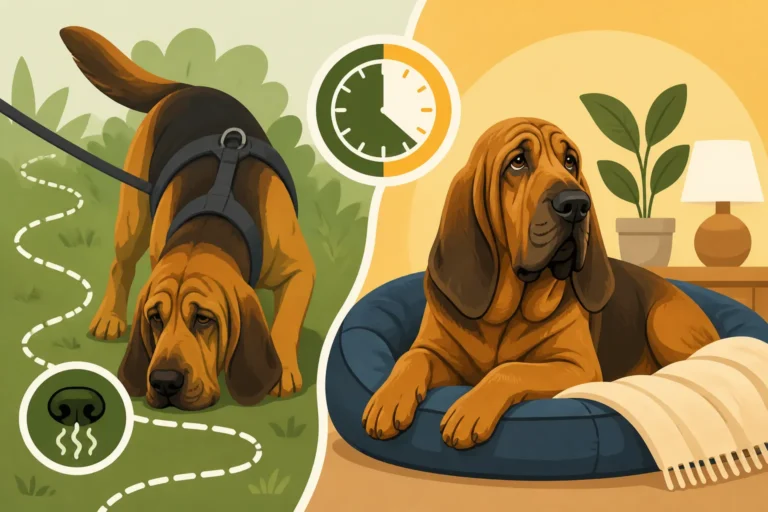
A tired Bloodhound is a quiet Bloodhound, but it’s not just physical exercise they need; it's mental exercise too. These dogs were bred for intense focus and problem-solving, and if their minds aren't engaged, they will find their own (often vocal or destructive) ways to entertain themselves. Before you leave, provide a vigorous walk or a substantial training session to drain some of that energy. Once you're out the door, a variety of enrichment toys can keep their powerful noses and brains occupied.
Consider puzzle toys stuffed with treats, Kongs filled with peanut butter or wet food and frozen solid, or snuffle mats that require them to use their scenting abilities to find their meal. Rotating these toys keeps them fresh and exciting. You can find a huge variety of these types of enrichment items on platforms like Amazon, making it easy to experiment and see what your Bloodhound loves most. Some owners even hide treats around a contained area of the house for their Bloodhound to "hunt" while they're gone. This taps into their natural instincts in a constructive way and can effectively distract them from feeling lonely or bored. Providing safe, durable chews like bully sticks or dental chews can also offer a long-lasting distraction. What a Bloodhound Does With an Empty Afternoon should ideally involve some form of engaging activity.
Creating a Calming Home Environment
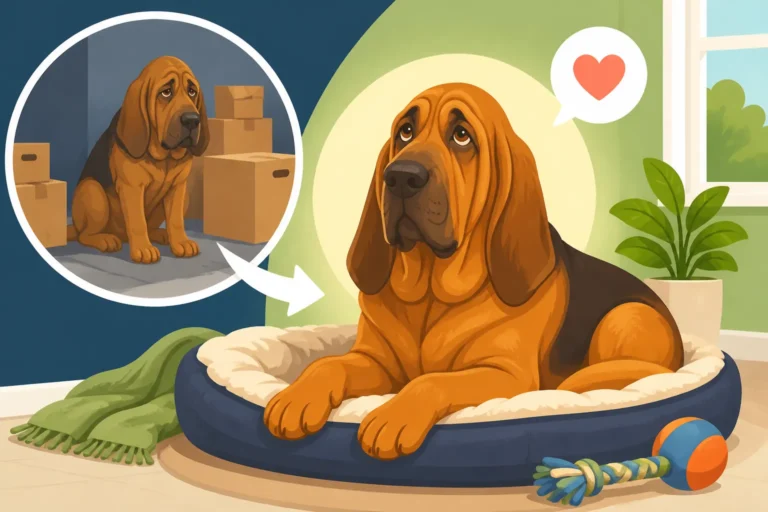
The environment you leave your Bloodhound in can significantly impact their likelihood of baying. Think about creating a "den" or safe space for them. A crate, if properly introduced and positively associated, can provide a secure feeling. Cover the crate to make it feel more den-like, and always ensure it's large enough for them to stand, turn around, and lie down comfortably. Place their favorite blanket and a safe chew toy inside.
Beyond the crate, consider ways to buffer external noise. White noise machines or classical music played softly can mask sudden outdoor sounds that might trigger baying. Some owners even use dog-appeasing pheromone diffusers, which release calming scents that mimic those produced by a mother dog. Ensure the temperature is comfortable and they have access to fresh water. If they tend to bay near a window or door, consider blocking access or using privacy film to reduce visual stimulation. All these elements combined create a peaceful sanctuary that helps your Bloodhound feel secure and relaxed, reducing the impulse to vocalize their unease.
Here's a table summarizing common reasons for alone-time baying and potential solutions:
| Reason for Baying | Description | Common Signs Beyond Baying | Recommended Solutions |
|---|---|---|---|
| Boredom/Under-stimulation | Lack of physical exercise or mental engagement, leading to self-entertainment. | Destructive chewing (random items), restless pacing, inappropriate digging. | Increased exercise, puzzle toys, snuffle mats, hidden treats, rotating chew toys. |
| Separation Anxiety | Genuine panic or distress about being left alone. | Destructive chewing (escape attempts), urination/defecation, excessive drooling, trembling, frantic greetings. | Gradual desensitization, building independence, calming aids, professional consultation. |
| Environmental Triggers | External sounds or sights provoke vocal response. | Baying coinciding with passing cars, sirens, people, or other animals. | White noise, classical music, visual barriers (blinds, privacy film), safe "den" space. |
| Instinctual Vocalization | Natural urge to use their voice as a hound, often as a "call" for their pack. | Consistent baying, less panicked, often starts soon after departure. | Redirection with engaging activities, positive reinforcement for quiet, appropriate outlets for vocalization. |
Training Approaches to Reduce Alone-Time Baying
Addressing ingrained baying habits requires consistency, patience, and often a multi-faceted approach. It's about teaching your Bloodhound new coping mechanisms and changing their emotional response to being left alone.
Gradual Desensitization to Alone Time
This is arguably the most effective method for dogs who struggle with being left alone. The goal is to slowly, incrementally, increase the amount of time your Bloodhound spends by themselves, always keeping them under their threshold for distress. Start by simply walking to the door, touching the doorknob, and then returning. Do this repeatedly until it elicits no reaction. Then, open the door, step out for a second, and return. Gradually increase the duration of your absence: 5 seconds, 10 seconds, 30 seconds, a minute, and so on. The crucial part is to come back before they start to bay. If they do bay, you've gone too far too fast. Revert to a shorter duration where they were successful.
This process takes time, sometimes weeks or even months, but it's about building positive associations with alone time. Leave a high-value, long-lasting treat or a favorite puzzle toy only when you leave, making your departure something to anticipate positively. This practice teaches them that your departure is predictable, temporary, and leads to good things. Remember, every successful short absence builds their confidence for longer ones. Whether a Bloodhound Puppy Should Be Socialized to Traffic Early and other potentially stressful stimuli can also help build their resilience to environmental changes when you're not around.
What to Do (and Not Do) When They Bay
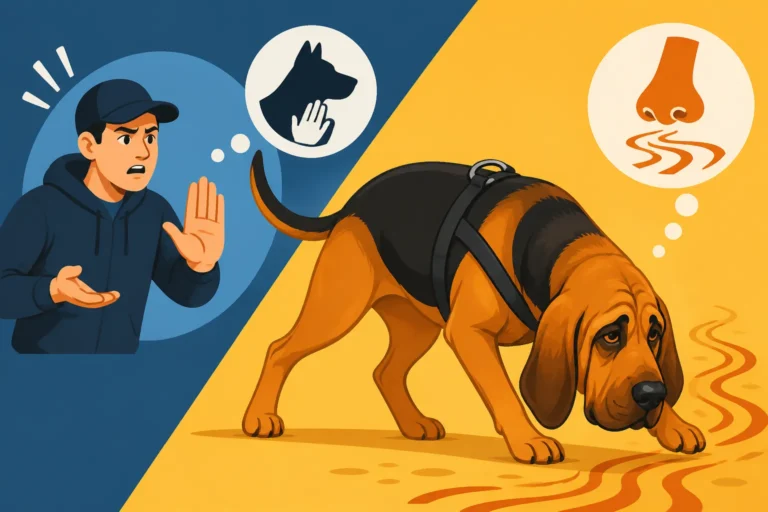
It's natural to want to comfort your dog when you hear them baying, but reacting to their vocalizations in the wrong way can accidentally reinforce the very behavior you want to stop. If you rush back in or make a fuss every time your Bloodhound bays, they quickly learn that baying is the way to get you to return. Instead, when you arrive home and they are baying, wait for a brief moment of quiet before entering or acknowledging them. This teaches them that silence, not noise, earns your attention.
Conversely, never punish your Bloodhound for baying after the fact. They won't connect your anger to their earlier vocalization. Using devices like bark collars is generally not recommended for Bloodhounds, especially those with separation anxiety, as it can escalate their stress and lead to other behavioral issues. Instead, focus on proactive management and positive reinforcement for quiet behavior. When you catch them being quiet while alone, even if it's just for a moment, reward that heavily. If you have a pet camera, you can even use a remote treat dispenser to reward quiet moments, reinforcing the desired behavior from a distance. Why a Bark Collar Is the Wrong Answer for a Bloodhound goes into more detail about why such methods are often ineffective or harmful.
When to Seek Professional Help
Sometimes, despite your best efforts, the baying continues, escalates, or is accompanied by other severe signs of distress. This is when it's time to call in the professionals. A certified professional dog trainer or a veterinary behaviorist can assess your Bloodhound's specific situation and help determine if the issue is severe separation anxiety, boredom, or a combination of factors. They can develop a tailored behavior modification plan that might include counter-conditioning, desensitization, and potentially even medication in severe cases of anxiety.
Don't feel like a failure if you need to seek professional help. Separation anxiety, in particular, can be a complex and debilitating condition for a dog, and it's not something every owner can solve on their own. Early intervention can prevent the problem from becoming even more entrenched and stressful for both you and your Bloodhound. They can offer insights into the nuances of Whether an Anxious Bloodhound Bloats More or Whether a Bloodhound Whines Constantly, connecting behaviors you observe to potential underlying health or emotional issues. A professional can also guide you on the proper use of calming supplements or medications if deemed necessary by a veterinarian, ensuring a holistic approach to your Bloodhound's well-being.
Disclaimer
This article is for general informational purposes only and does not constitute professional advice. Laws, prices and regulations vary by location and change over time. Consult a qualified professional for guidance on your specific situation.