How Long a Bloodhound Copes Alone
It's a common dilemma for Bloodhound owners, isn't it? You adore your big, floppy-eared companion, but life, unfortunately, calls you away sometimes. Whether it's a workday, a quick errand, or a much-needed social outing, the question inevitably arises: how long can your Bloodhound truly cope alone without becoming a stressed, destructive, or vocal mess? This guide will delve deep into understanding your Bloodhound's unique needs for companionship and provide actionable strategies to help them manage their alone time gracefully, ensuring peace of mind for both of you.
Understanding the Bloodhound's Deep Need for Companionship
Let's be honest, Bloodhounds aren't exactly known for their independence. They are, by nature, deeply social animals, bred for centuries to work alongside humans. Their incredible nose, while impressive, often means their brain is always "on," processing scents, and they thrive on interaction and purpose. Leaving them alone, especially for long stretches, can often go against their fundamental instincts. It's not about them being "needy" in a negative sense; it's just how they're wired.
Why Bloodhounds Struggle with Solitude
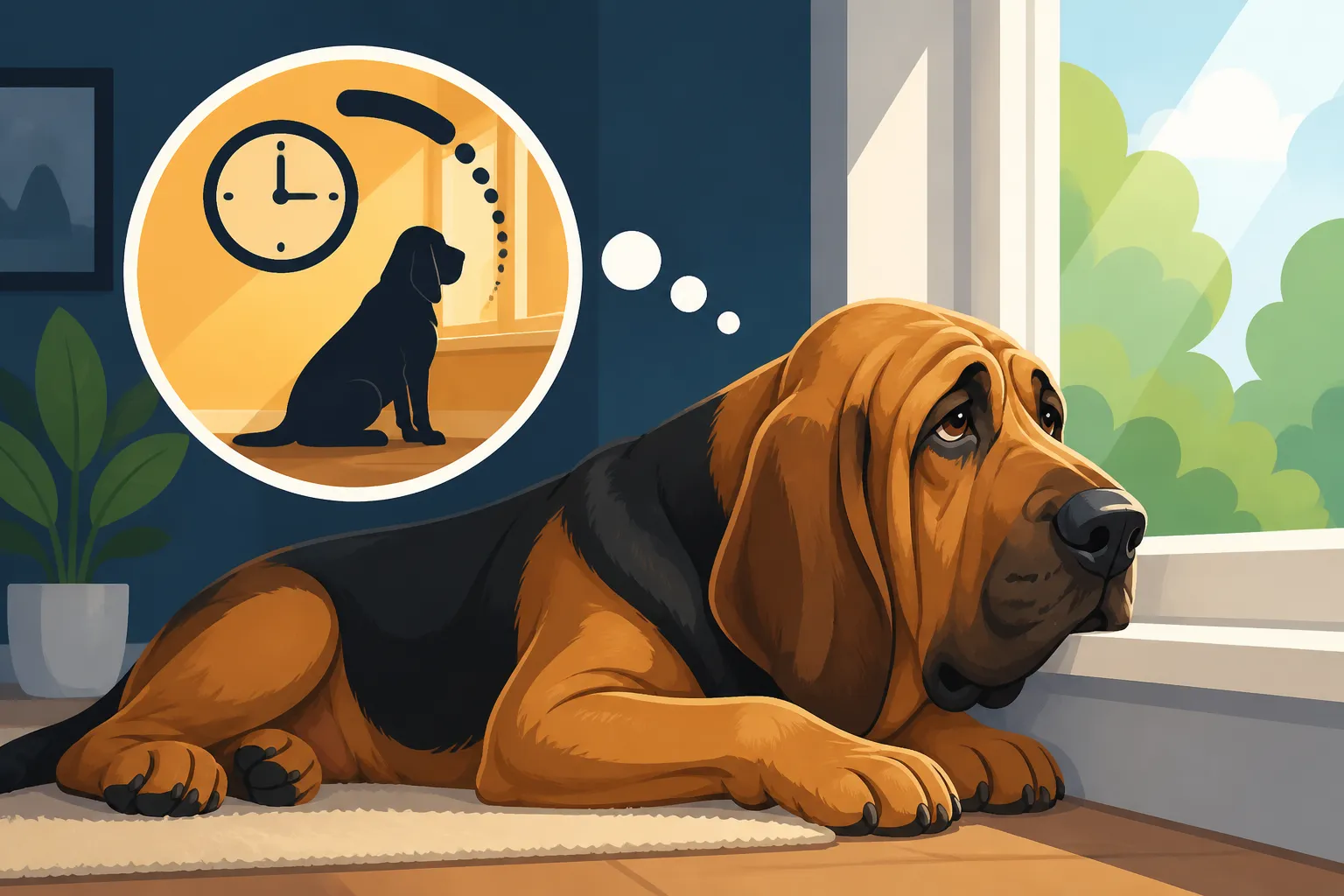
Many Bloodhound owners experience the frustration of coming home to evidence of their dog's distress. This isn't out of spite, but often a genuine manifestation of anxiety or boredom. Bloodhounds are creatures of routine and strong attachments. When their human companion, who provides structure, security, and mental stimulation, disappears, it can be genuinely unsettling for them. Their deep bond means that separation feels less like a temporary absence and more like a significant disruption. They aren't just pets; they're family members who expect to be part of the action.
Consider the historical context: these dogs were developed to trail alongside people for hours, focusing intently on a task, with constant human direction and presence. They weren't left in kennels for long periods without interaction. This deep-seated need for partnership translates directly into their daily lives, making extended periods of solitude feel unnatural and unsettling. When their minds aren't engaged, and their social needs aren't met, destructive behaviors, incessant baying, or even self-harm can sadly become coping mechanisms.
The Role of Genetics and Temperament
While every dog is an individual, the Bloodhound breed generally possesses a few traits that can exacerbate feelings of loneliness or anxiety when left alone. Their gentle, sensitive nature means they can be easily upset by changes in routine or the absence of familiar faces. Unlike some more independent breeds, a Bloodhound often seeks reassurance and companionship above all else. This isn't a flaw; it's part of their charm, but it's crucial for owners to understand.
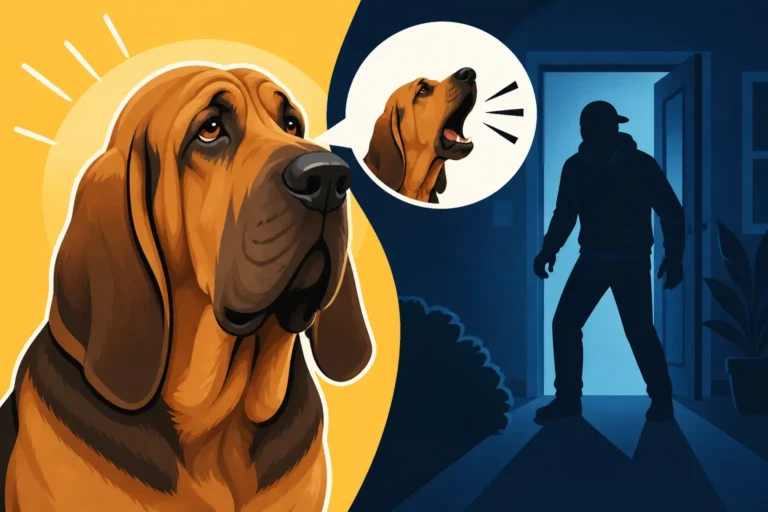
Furthermore, their impressive vocal abilities, while beautiful when tracking, can become a significant issue when they're alone. A lonely Bloodhound isn't just a quiet worrier; they are often a very loud worrier. This baying isn't a sign of naughtiness, but rather a desperate attempt to call out for their pack, to signal their distress, or simply to express their profound boredom and unhappiness. As you might imagine, Whether a Bloodhound Howls Along With Sirens or Whether a Bloodhound Whines Constantly are common questions from owners grappling with this issue.
Setting Your Bloodhound Up for Success When You're Away
Given their disposition, simply locking your Bloodhound in a room and hoping for the best is rarely a recipe for success. Thoughtful preparation, consistent training, and appropriate environmental enrichment are key to helping them not just tolerate but actually cope with being alone. This isn't about eliminating alone time entirely, which is unrealistic, but about making it a neutral or even positive experience.
Gradual Desensitization and Crate Training
The cornerstone of successful alone-time management for a Bloodhound is gradual desensitization. This means teaching them that your departure isn't a permanent abandonment, but a temporary absence followed by your return. Start small: leave the room for a few seconds, then return. Gradually increase the duration, always returning before they show signs of distress. Never make a big deal about leaving or returning, as this can heighten their anxiety. A calm, matter-of-fact approach is best.
Many Bloodhound owners find great success with crate training. A properly introduced crate becomes a safe, den-like space where your dog can feel secure and relax. It's not a punishment, but a sanctuary. Introduce it positively with treats, toys, and comfy bedding. Teach them to enjoy spending time in there, even when you're home. This way, when you do leave, the crate isn't associated with your absence but with comfort. You might wonder Whether Crate Training Suits a Bloodhound Puppy, and for many, it's an invaluable tool for managing alone time from an early age.
Enrichment and Mental Stimulation
A bored Bloodhound is a destructive Bloodhound, or at least a loud one. Mental stimulation is just as important as physical exercise, especially when you're not there to provide direct interaction. Puzzle toys, KONGs stuffed with frozen treats, or snuffle mats can keep their incredible noses and minds occupied for a good while. These items provide a "job" for their brain, diverting their attention from your absence. You can find a huge variety of these on platforms like Amazon, from durable rubber toys to intricate treat dispensers.
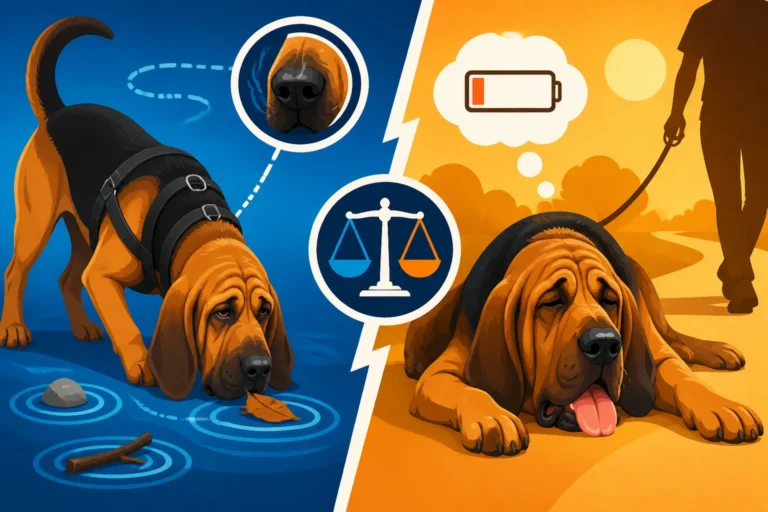
Before you leave, ensure your Bloodhound has had adequate physical exercise. A long walk or a vigorous play session can help burn off excess energy, making them more likely to nap and relax while you're gone. Remember, a tired Bloodhound is often a good Bloodhound. However, don't overdo it right before you leave, as some dogs can become overly stimulated. Aim for a good solid walk an hour or so before departure, allowing them to settle down.
| Strategy | Description | Benefits | Potential Drawbacks |
|---|---|---|---|
| Crate Training | Introducing a dog to a safe, comfortable den where they can rest. | Provides security, prevents destruction, aids house-training. | Must be introduced positively; some dogs resist. |
| Puzzle Toys/Chews | Items that require mental effort to get a treat or satisfy chewing. | Engages mind, reduces boredom, diverts destructive chewing. | Must be durable for a Bloodhound; can be messy. |
| Gradual Departures | Incrementally increasing the time you leave the dog alone. | Builds confidence, reduces anxiety, teaches tolerance. | Requires patience and consistency; can be slow. |
| Pre-Departure Exercise | Physical activity before you leave the house. | Burns energy, promotes napping, reduces restlessness. | Timing is crucial; too close to departure can overstimulate. |
| Ambient Sounds | Playing music, podcasts, or white noise. | Masks outdoor noises, provides comforting background. | May not work for severe anxiety; dog may ignore it. |
Professional Training Resources
For owners who are struggling, professional guidance can be a game-changer. Online training programs, like those offered by BAXTER & Bella, can provide structured lessons and support for desensitizing your dog to alone time and building their confidence. These resources often include step-by-step guides for crate training, managing separation anxiety, and introducing enrichment activities. Learning to communicate effectively with your Bloodhound and understanding their unique learning style is paramount. How Long a Bloodhound Takes to Learn Something New is often longer than you might expect, so patience is key.
Another strategy is to set up a dog-safe area, like a section of a room or a utility area, using baby gates. Ensure it's proofed for chewing – because Whether a Bloodhound Chews Furniture When Bored is a resounding yes! Remove anything valuable or dangerous. Leave them with plenty of appropriate chew toys, ensuring they are sturdy enough to withstand a Bloodhound's powerful jaws.
Reading the Signs: Is Your Bloodhound Really Coping?
It's tempting to assume silence means contentment, but with a Bloodhound, you really need to be a detective. They might not be baying, but subtle (and not-so-subtle) signs can tell you a lot about how they're truly feeling when you're not around. Ignoring these signals can lead to escalating anxiety and more difficult behaviors down the line.
Common Signs of Distress
The most obvious sign of distress in a Bloodhound left alone is often vocalization. This can range from persistent whining and crying to their characteristic deep, mournful baying. If your neighbors are complaining, it's a pretty clear indicator that your Bloodhound isn't coping. However, many owners won't hear this themselves, so it's worth setting up a simple camera (many affordable options on Amazon) to observe their behavior. This can provide invaluable insights into their anxiety levels.
Beyond noise, look for destructive behavior focused on exits: chewed door frames, scratched doors, or attempts to dig under fences. This is often an "escape" behavior, a desperate attempt to reunite with you. Excessive drooling, panting even when not hot, pacing, and house-soiling (especially if they are otherwise house-trained) are all strong indicators of separation anxiety. Some Bloodhounds might even injure themselves trying to get out, or engage in compulsive behaviors like excessive licking. What a Bloodhound Does With an Empty Afternoon often depends on their coping mechanisms – or lack thereof.
Differentiating Boredom from Anxiety
It's important to distinguish between simple boredom and genuine separation anxiety, though they often overlap. A bored Bloodhound might chew your shoes or knock over a garbage can, but they might also settle down after a while. A Bloodhound with separation anxiety will typically exhibit more frantic, persistent behaviors specifically tied to your departure and absence. They may seem genuinely distressed, unable to settle, and their actions are often aimed at gaining your attention or escaping to find you.
For instance, if your Bloodhound gets a puzzle toy and works on it for an hour, then naps, that's likely boredom. If they ignore the puzzle toy, pace, pant, whine, and then destroy the doorframe, that points much more strongly to anxiety. This is where a home camera can be so illuminating. You can observe the progression of their behavior from the moment you leave. Understanding this difference will guide your intervention strategies.
When to Seek Professional Help and Adjust Your Lifestyle
Sometimes, despite your best efforts, your Bloodhound's distress when left alone is simply too profound to manage with basic training and enrichment. This is not a failure on your part, but an indication that your dog needs more specialized support, and perhaps a reevaluation of your daily routine.
Consulting with Your Veterinarian
If your Bloodhound is showing severe signs of distress, the first step should always be a consultation with your veterinarian. They can rule out any underlying medical conditions that might be contributing to their anxiety, such as pain or cognitive dysfunction, especially in older dogs. Your vet might also discuss behavioral medications that, when used in conjunction with a behavior modification plan, can significantly help reduce your Bloodhound's anxiety levels. These medications are not a "cure-all" but can lower their baseline anxiety enough for training to be effective.
Don't be afraid to discuss your concerns openly with your vet. They've seen it all, and they understand the unique challenges that come with sensitive breeds like Bloodhounds. They can help you develop a comprehensive plan, possibly referring you to a veterinary behaviorist or a certified professional dog trainer specializing in separation anxiety. This holistic approach, addressing both physical and mental well-being, is often the most successful.
Working with a Certified Professional Dog Trainer
For persistent or severe separation issues, working with a certified professional dog trainer who specializes in separation anxiety is invaluable. These trainers use positive reinforcement techniques to gradually desensitize your Bloodhound to your departures, often through a carefully structured desensitization protocol that begins with very short absences and systematically builds duration. This isn't a quick fix, but a dedicated process that requires consistency and patience.
A good trainer will also teach you how to recognize subtle stress signals, modify your pre-departure routine to reduce anxiety triggers, and implement appropriate enrichment. They might also suggest strategies for managing your Bloodhound's environment, like specific crate setups, or the use of calming pheromone diffusers. The goal is to build your Bloodhound's confidence and teach them that being alone isn't something to fear. Many rescue Bloodhounds arrive with existing anxiety, and addressing Whether a Rescue Bloodhound Can Be Started on Scent can also contribute to their overall well-being.
Lifestyle Adjustments and Support Systems
Ultimately, understanding how long a Bloodhound copes alone might mean adjusting your expectations and, perhaps, your lifestyle. For some Bloodhounds, being left alone for an eight-hour workday is simply not feasible without significant distress. This doesn't mean you can't have a Bloodhound, but it might mean exploring alternative solutions.
Consider options like:
- Dog Walkers/Pet Sitters: Hiring someone to visit your Bloodhound during the day for a walk, playtime, or just a cuddle can break up long periods of solitude. Whether a Sitter Will Handle a Bloodhound is a valid question, as their size and vocal nature can be intimidating, so look for experienced professionals.
- Doggy Daycare: For social Bloodhounds, a few days a week at a reputable doggy daycare can provide much-needed exercise, mental stimulation, and companionship.
- Flexibility in Your Schedule: If possible, staggering work schedules with a partner, working from home part-time, or even coming home during lunch breaks can make a huge difference.
- Enlisting Friends/Family: If you have trusted friends or family nearby, they might be willing to help out occasionally, especially if your absences are irregular.
The aim is to prevent your Bloodhound from experiencing extreme anxiety, which can be detrimental to their long-term health and well-being. A happy Bloodhound is a well-adjusted Bloodhound, and sometimes that means acknowledging their needs are greater than some other breeds when it comes to alone time.
Disclaimer
This article is for general informational purposes only and does not constitute professional advice. Laws, prices and regulations vary by location and change over time. Consult a qualified professional for guidance on your specific situation.