Whether a Rescue Bloodhound Can Be Started on Scent
Bringing a rescue Bloodhound into your home is an incredibly rewarding experience, but it often comes with a unique set of questions, especially regarding their past and potential future activities. One common concern I hear from new owners is whether an older, adopted Bloodhound, whose history might be unknown, can still embark on the exciting journey of scent work. The good news is, absolutely! Far from being a limitation, scent work can be a profound tool for bonding, building confidence, and enriching the life of your rescue Bloodhound, no matter their age or past experiences.
The Unique Qualities a Rescue Bloodhound Brings to Scent Work
When you adopt a rescue Bloodhound, you're not just getting a dog; you're often getting a canine with a lifetime of inherent talent just waiting to be tapped. Many people assume that if a dog hasn't been started on scent work as a puppy, it's too late. With a Bloodhound, that simply isn't the case. Their nose is their world, and that instinctual drive doesn't diminish with age or change of circumstances.
Untapped Instincts and Natural Drive
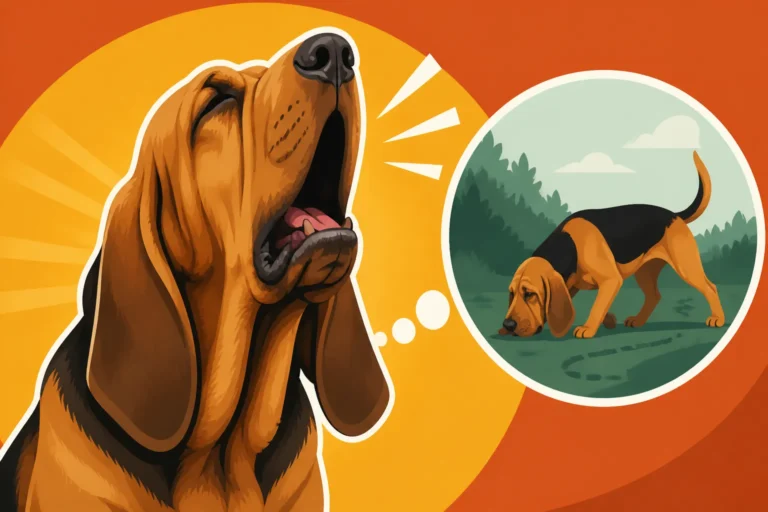
Bloodhounds are, by their very nature, scent machines. Their entire physiology, from those long, sweeping ears that gather scent particles to their loose skin that creates scent traps, is designed for trailing. It's a fundamental part of who they are. Think of it this way: a Bloodhound's brain is wired to process scent information at an incredibly high level, far beyond what most other breeds can comprehend. This isn't a learned behavior as much as it is an innate ability, a superpower they're born with.
For a rescue, this inherent drive can be a huge asset. Imagine a Bloodhound who spent years in a shelter, or perhaps a difficult home situation, where their natural instincts were never allowed to flourish. The pent-up energy, the unfulfilled desire to work their nose, is still there. When you introduce them to scent work, it's often like opening a floodgate of joyful purpose. They finally get to do what they were put on this earth to do. This profound engagement can be incredibly satisfying for them and for you, helping them to settle into their new home and truly thrive. It taps into a primal satisfaction that goes beyond simple play.
The Power of Positive Reinforcement
Working with a rescue, especially one whose background might include neglect or trauma, requires immense patience and a steadfast commitment to positive reinforcement. The good news is that scent work, by its very design, lends itself perfectly to this approach. There's no "failure" in scent work, only information. Your Bloodhound isn't being judged on speed or precision in the same way an obedience trial might. They're being celebrated for using their nose.
Every time your Bloodhound finds the scent article or follows the trail, they're inherently rewarded by the act itself and the praise you lavish on them. This builds incredible confidence. For a dog that might be insecure or wary of new situations, the success in scent work translates into a belief in themselves. It helps them understand that this new human, you, is a partner in an exciting adventure, not a source of unpredictable demands. You become a reliable source of joy and validation. You'll find that their bond with you strengthens exponentially when they see you as their cheering squad in their natural element.
Assessing Your Rescue Bloodhound Before Starting Scent Training
Before you dive headfirst into scent training, it's crucial to take a step back and truly assess your rescue Bloodhound. Their past experiences, unknown as some details might be, will inevitably shape how they react to new stimuli and training. Rushing into things without understanding their comfort levels could be counterproductive.
Temperament and Comfort Levels
The first step is simply getting to know your dog. How do they react to new people? Loud noises? Strange environments? Do they startle easily? Do they seem confident or a bit shy? For some rescues, the world is a big, scary place, and introducing them to a novel activity might feel overwhelming at first. You want to ensure they feel safe and secure in your home before asking them to engage in mentally demanding work. A stressed dog cannot learn effectively.
Start by observing their natural curiosity. Do they sniff everything on walks? Are they interested in new smells around the house or yard? If they're hesitant or overly anxious, focus on building their confidence in general daily life first. Simple things like consistent routines, predictable interactions, and safe spaces can make a huge difference. Think about creating a "decompression period" where they can simply adjust to their new life without expectations. Only when they seem relaxed and engaged in their environment should you consider introducing formal scent work. Remember, Settling a Bloodhound That Has Changed Homes is paramount before layering on new challenges.
Physical Health and Limitations
Scent work, particularly trailing, can be physically demanding. While it might seem like just sniffing, it often involves covering ground, navigating varied terrain, and sometimes working for extended periods. Before you begin any formal training, a thorough veterinary check-up is non-negotiable. Your vet can assess their overall health, check for any underlying conditions, and ensure they are fit for the activity.
This is especially important for larger breeds like Bloodhounds, who can be prone to orthopedic issues like Hip and Elbow Dysplasia in the Bloodhound. Even if they show no outward signs of lameness, a vet can identify potential areas of concern that might be exacerbated by physical exertion. Discussing the type of scent work you plan to do (e.g., casual backyard nose work versus full-blown mantrailing) with your vet will help them provide tailored advice. You want to set your Bloodhound up for success and ensure they're comfortable throughout the process, preventing injuries or discomfort that could turn them off the activity.
Understanding Past Experiences
While you might never know the full story of your rescue Bloodhound's past, any clues you have can be incredibly helpful. Was your Bloodhound found as a stray, perhaps having had to use their nose to survive? Or did they come from a home where they were mostly confined? These details, even vague ones, can influence their training approach. A dog that's had to forage for food might be highly motivated by food rewards in scent work, while a dog from a neglectful situation might need extra reassurance and patience.
Even if the past is a complete mystery, assume a gentle approach. Never push or force them. If they show signs of stress or disengagement, such as excessive yawning, lip-licking, or trying to disengage, take a break. The goal is to make scent work a positive, empowering experience, not another source of anxiety. Building trust is the foundation for any successful training, and this is even more critical with a rescue.
| Assessment Area | Questions to Consider | Red Flags (Proceed with Caution) | Green Lights (Ready to Explore) |
|---|---|---|---|
| General Temperament | How does the dog react to new environments/people? | Extreme shyness, aggression, panic attacks | Curious, calm, adaptable, seeks interaction |
| Motivation/Curiosity | Does the dog explore new smells naturally? What motivates them? | Indifferent to surroundings, easily distracted | Engages nose frequently, food/toy motivated |
| Physical Health | Any limping, pain, or health issues? | Untreated pain, significant lameness, extreme obesity | Healthy, mobile, vet-cleared |
| Stress Signals | Does the dog show stress (lip-lick, yawn, pant)? | Persistent stress signals in new situations | Relaxed body language, recovers quickly from stress |
| Focus Ability | Can the dog maintain attention for short periods? | Cannot focus for more than a few seconds, easily overstimulated | Can focus on a task briefly, enjoys puzzle toys |
Practical Steps to Introduce Scent Work to Your Rescue Bloodhound
Once you've assessed your rescue Bloodhound and they seem ready, the journey of scent work can begin! The key is to start simple, make it fun, and always end on a positive note. Remember, this isn't about competition initially; it's about engagement and enjoyment.
Starting with Basic Nose Work Games
You don't need fancy equipment or a vast field to start. Begin right in your living room or a quiet corner of your yard. Simple "find it" games are perfect for building confidence and understanding the concept. Take a high-value treat – something truly irresistible – and let your Bloodhound watch you hide it under a cup or behind a small barrier. Encourage them to find it, praising them enthusiastically when they do. This teaches them that using their nose leads to great rewards.
As they get the hang of it, gradually increase the difficulty. Hide treats in different rooms, under a towel, or inside a box. The idea is to make them think with their nose. You can even use a specific scent, like birch or anise, available in essential oil form (diluted safely, of course, or on cotton swabs in a scent work kit). Introduce the scent to them, then hide a treat that also carries that scent. This helps them connect the specific odor with the reward. This initial phase is all about building a positive association and showing them how much fun it is to use their incredible olfactory abilities. For inspiration on getting started, BAXTER & Bella offers some excellent online resources for beginners, focusing on positive reinforcement.
Gradually Introducing a Long Line and Harness
For actual trailing, you'll need the right gear. A well-fitting harness that allows for full range of motion without restricting their shoulders is crucial. Avoid collars that put pressure on their throat, especially when they're pulling into a scent. A comfortable harness, available on platforms like Amazon, distributes pressure evenly across their chest and back. Equally important is a long line – typically 10 to 30 feet – that gives them freedom to work a scent without being off-leash, which is rarely advisable for a Bloodhound.
Introduce the harness and long line slowly. Let them wear the harness for short periods around the house, associating it with good things like treats or mealtime. Once they're comfortable, attach the long line and let them drag it around the yard under supervision. The goal is for them to feel no apprehension about the equipment. When you're ready to start short trails, hold the end of the line loosely, allowing them to lead. This is their job, and your role is to be a supportive anchor, not a director. Remember, Why a Bloodhound Works on a Long Line, Not a Collar is a fundamental aspect of their training.
Laying Simple, Short Trails
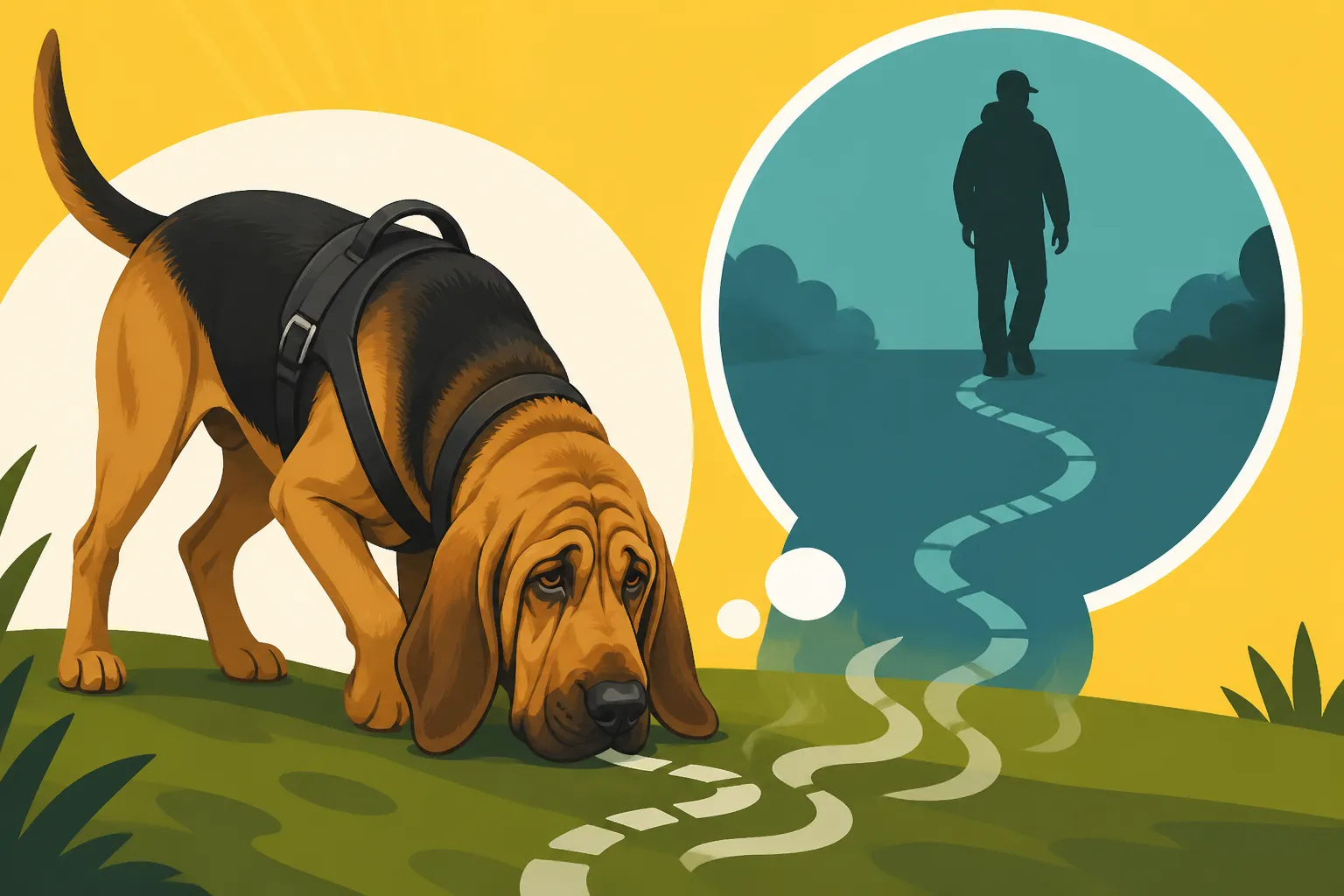
The actual process of laying a trail for your rescue Bloodhound is an art that starts very simply. Have a friend or family member walk a short, straight line (20-30 yards) on a relatively clear surface like a lawn. At the end of the trail, the "runaway" should leave a high-value reward – a favorite toy or a handful of extra special treats – and then quickly leave the area out of sight. Wait a few minutes (start with very fresh trails) and then bring your Bloodhound to the starting point.
Present a "scent article" – something the runaway touched like a glove or a small piece of cloth – to your Bloodhound and give a command like "Find!" or "Seek!" Let their nose do the work. Don't pull them; simply follow. When they reach the reward at the end, celebrate lavishly! This immediate positive feedback reinforces the entire process. Gradually, you can increase the length, age, and complexity of the trails. Focus on building success and confidence with each small step.
Overcoming Common Challenges with a Rescue Bloodhound in Scent Work
While Bloodhounds are naturally gifted scent dogs, working with a rescue can present unique challenges. Their past can sometimes manifest as behavioral quirks or anxieties that need extra understanding and patience to navigate.
Building Confidence in New Environments
Many rescue Bloodhounds come with a history of confinement or lack of socialization, making new environments a source of stress rather than excitement. When you start scent work, you might notice them hesitant to work in unfamiliar places, even if they're eager at home. They might pull back, appear distracted, or simply shut down. This isn't stubbornness; it's often fear or overwhelm.
To combat this, start all new training in a familiar, low-stress environment – your backyard, a quiet park you visit regularly. Once they're confident there, gradually introduce new locations, making them as positive as possible. Before laying a trail, spend some time just letting them explore the new area on the long line, sniff around, and get comfortable. Bring high-value treats and reward them simply for existing calmly in the new space. Over time, as their confidence grows, they'll learn that new places mean new, exciting smells and adventures with you. Sometimes, simple counter-conditioning, where good things happen in new places, is more effective than direct training in the initial stages.
Addressing Fear or Trauma Responses
A rescue Bloodhound's past might include experiences that trigger fear or trauma responses. For instance, if they were kept in a noisy environment, they might be extremely sensitive to sounds while working a trail. If they were punished harshly, they might be wary of your body language or tone of voice. These are not things to "train out" but rather to acknowledge and work around with immense sensitivity.
If your Bloodhound suddenly stops on a trail, tucks their tail, or shows other signs of distress, immediately investigate the cause. Is it a strange object? A loud noise? A shadow? Instead of pushing them forward, validate their fear. Reassure them calmly, perhaps taking a break or moving to a different area. Never scold a Bloodhound for a fear response; it will only exacerbate the issue. Sometimes, just having you there as a calm, reassuring presence is enough to help them overcome it. Consider working with a certified professional dog trainer specializing in positive reinforcement and rescue dogs if these responses are severe. The goal is to make scent work a healing, joyful experience, not a reminder of past anxieties.
Sustaining Focus with Bloodhound Independence
Bloodhounds are notoriously independent thinkers, especially when their nose is engaged. They were bred to follow a scent for miles, often out of sight and hearing of their handler. This means that once they're on a trail, their focus can be singular, making it seem like Why a Bloodhound Ignores a Cue It Knows when you try to redirect them. This isn't defiance; it's instinct.
To manage this, ensure your trails are well-designed to lead to a clear "end" with a significant reward. This teaches them to see the completion of the trail as the ultimate goal, rather than getting sidetracked by every interesting smell along the way. Use your voice to encourage them, but don't try to micromanage their nose. Let them work it out. If they lose the trail, simply guide them back to where they last had it with a gentle nudge, or allow them to cast about to rediscover it. Their independent nature is precisely what makes them so good at this work; your job is to channel it, not suppress it. Consistent practice and celebrating their independent problem-solving will solidify their focus on the task at hand.
The Rewarding Journey of Scent Work for a Rescue Bloodhound
Embarking on scent work with your rescue Bloodhound is more than just a training exercise; it's an incredibly enriching journey that profoundly impacts both of you. It offers not only a healthy outlet for their natural talents but also deeply strengthens the bond you share.
Enhanced Bonding and Trust
There’s something uniquely powerful about witnessing your Bloodhound totally engrossed in following a scent, and knowing that you are their partner in that primal pursuit. As you follow behind them on the long line, giving them the space and trust to do what they were born to do, a deep connection forms. They rely on you to provide the opportunity, the safety, and the celebration at the end of the trail. You become their anchor and their biggest fan.
This shared activity fosters immense trust. For a rescue dog who might have learned to be wary of humans, scent work can be incredibly healing. It's a non-confrontational activity where they are consistently rewarded for their natural behaviors. They learn that you are a benevolent leader, someone who understands and respects their innate drives. This mutual respect and understanding lay the groundwork for a secure, loving relationship, extending far beyond the trailing field and into every aspect of their life with you.
Mental Stimulation and Fulfillment
Bloodhounds are not dogs that are content to simply lie on the couch all day, even if they have the physical ability to do so. Their brilliant noses and active minds crave purpose. A lack of mental stimulation can lead to boredom, and boredom, especially in a smart dog like a Bloodhound, often translates into destructive behaviors around the house. They might chew inappropriate items, dig in the yard, or engage in excessive barking or baying.
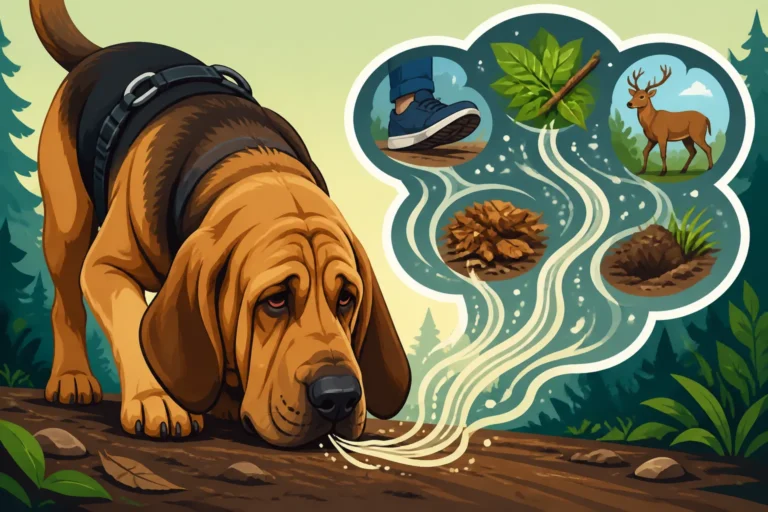
Scent work provides an unparalleled level of mental engagement. Think about What a Bloodhound Is Actually Smelling on a Trail – it's a complex puzzle of decomposing skin cells, unique environmental factors, and the subtle nuances of human odor. Deciphering this rich tapestry of scent is incredibly tiring, in the best possible way. Even a relatively short scenting session can leave a Bloodhound more fulfilled and tired than a much longer physical walk. It provides an outlet for their intelligence and instinct, preventing boredom and promoting a calmer, more content dog at home.
A Path to Improved Behavior and Confidence
Many behavioral issues in rescue dogs stem from anxiety, lack of confidence, or unfulfilled needs. A Bloodhound who is worried about their surroundings might be reactive on walks, or one who isn't getting enough mental exercise might be destructive indoors. Scent work can address these underlying issues by building their self-assurance and providing an appropriate channel for their energy.
When a Bloodhound regularly engages in successful scent work, their overall confidence often soars. They learn to trust their own senses and abilities, and that confidence spills over into other areas of their life. Anxious behaviors might lessen as they feel more secure and have a productive outlet for their instincts. It can turn a hesitant, wary dog into a joyful, engaged companion. It truly is a transformative activity for many rescue Bloodhounds, giving them not just a job, but a renewed sense of purpose and belonging. After all, Whether a Pet Bloodhound Should Do Scent Work Classes is often a question not of ability, but of unlocking potential.
Disclaimer
This article is for general informational purposes only and does not constitute professional advice. Laws, prices and regulations vary by location and change over time. Consult a qualified professional for guidance on your specific situation.