Why a Bloodhound Pauses Before It Obeys
It's a familiar scene for many Bloodhound owners: you give a simple command like "sit" or "come," and your hound just… stares. Or maybe they dip their nose for one more sniff before slowly, deliberately, considering your request. This isn't defiance, nor is it a sign your Bloodhound isn't intelligent. Instead, it's a deeply ingrained characteristic of the breed, a pause born from their extraordinary olfactory world and their independent nature. This guide will delve into the fascinating reasons behind your Bloodhound's thoughtful hesitation and offer practical strategies to encourage quicker, more enthusiastic responses, all while respecting the unique essence of these incredible hounds.
The Bloodhound's Innate Drive: Scent Above All Else
When we talk about a Bloodhound's "pause," it's crucial to understand that their world is primarily defined by scent. For them, every breath is a symphony of odors, a complex narrative far more compelling than anything happening in the visual or auditory realm. This profound connection to scent is the root cause of much of their perceived hesitation.
The Olfactory World Dominates Their Reality
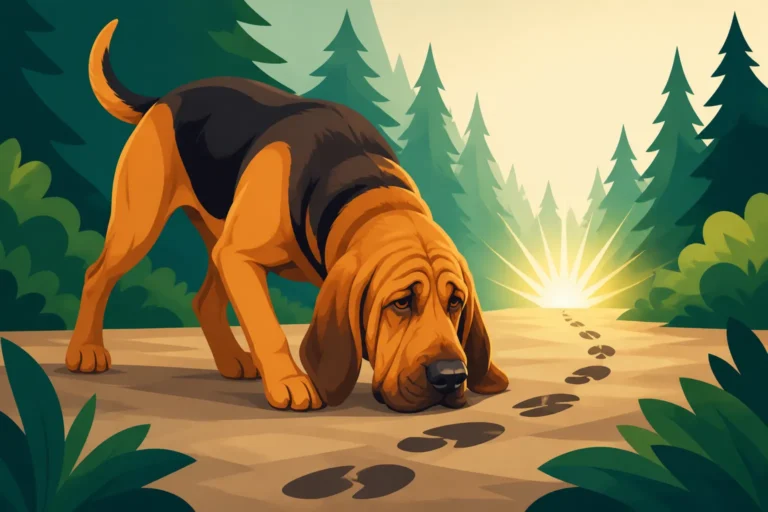
Imagine having a superpower that allows you to read an entire history book in a single glance. That's what scent is to a Bloodhound. They possess an astounding number of scent receptors, far more than most other breeds, and their physical attributes, like those long, pendulous ears and abundant loose skin, actually aid in sweeping and trapping scent particles. This isn't just a quirky trait; it's a biological imperative. Every time they step outside, or even when a faint new scent drifts indoors, it's like a siren call to their innermost being. Their brain is constantly processing this intricate tapestry of smells, and it’s a full-time job.
When you issue a command, your Bloodhound isn't necessarily ignoring you. Instead, their highly specialized brain is likely still deeply immersed in analyzing the lingering scent of the squirrel that just darted across the yard, or the faint odor of spilled coffee from last night. Their reality is so dominated by this olfactory input that verbal cues often register as secondary, temporarily overshadowed by the sheer volume of information their nose is feeding them. It's not a choice to disregard you; it's the profound, almost overwhelming, pull of their primary sense. This can be especially pronounced in novel environments where the scent landscape is particularly rich.
The "Processing Delay" Is Often Scent-Related
That momentary halt before your Bloodhound responds to your voice isn't typically a rebellious act. More often than not, it's their brain's way of juggling multiple, incredibly strong inputs. You’ve given a verbal cue, but simultaneously, they might have just caught the nuanced scent of a distant dog or the faint trail of a person who walked by hours ago. Their brain, while brilliant, takes a beat to shift focus from the overwhelming sensory data of their nose to the less potent, yet important, auditory signal from you. This creates what we perceive as a "delay."
Think of it like this: if you were engrossed in a thrilling novel and someone asked you a question, you'd likely need a moment to pull your mind away from the story and fully comprehend the query. For a Bloodhound, their "novel" is the scent environment around them, and it’s constantly updating and incredibly captivating. The pause is that split second where they’re mentally putting down their book to listen to you. In a high-scent environment, such as a dog park or a busy walking trail, this "processing delay" will naturally be more pronounced. Understanding that this is a hardwired instinct, rather than mere stubbornness, is the first step in building a more effective communication strategy with your hound.
Understanding the Bloodhound's Independent Nature
Beyond their unparalleled sense of smell, Bloodhounds also possess a distinct independent streak, a trait that was carefully cultivated over centuries for their specific working purpose. This inherent self-reliance contributes significantly to their tendency to pause and consider before acting.
Bred for Independent Problem Solving
Historically, Bloodhounds weren't developed to be highly biddable, "yes-sir" type dogs that would stick glued to their handler's side. Quite the opposite! They were bred to follow cold trails, often for miles and hours, independently of their human companions. Their job was to put their nose down and solve the problem of finding the missing person or animal, even if it meant venturing out of sight and sound. This required incredible focus and self-reliance, with less emphasis on constant human direction. They needed to trust their own instincts and their phenomenal nose above all else. This heritage means that a Bloodhound comes hardwired with a deep capacity for making their own decisions when presented with a compelling stimulus.
This is a fundamental difference between a Bloodhound and, say, a Border Collie, who was bred to work in extremely close partnership with a shepherd, responding to subtle cues at a distance. When you ask a Bloodhound to "stay" while they're tracking a fascinating scent, their instinct isn't to instantly obey; it's to weigh the importance of your command against the ancient, powerful drive to pursue the trail. This independence is a hallmark of the breed, and it’s why phrases like Why Off Leash Is Not a Goal With a Bloodhound ring so true. It's not that they don't love you; it's that their genetic programming prioritizes the hunt.
Their Intelligence Is Different, Not Lesser
Some owners, frustrated by the pause, might mistakenly conclude their Bloodhound isn't particularly intelligent. Nothing could be further from the truth! Bloodhounds are incredibly smart, but their intelligence is highly specialized and often manifests in ways that defy traditional obedience metrics. Their mental prowess is geared towards complex problem-solving related to scent, memory, and discernment – skills vital for trailing, but not necessarily for snappy heeling or instant recalls in a distracting environment. They are constantly analyzing, evaluating, and strategizing their olfactory world.
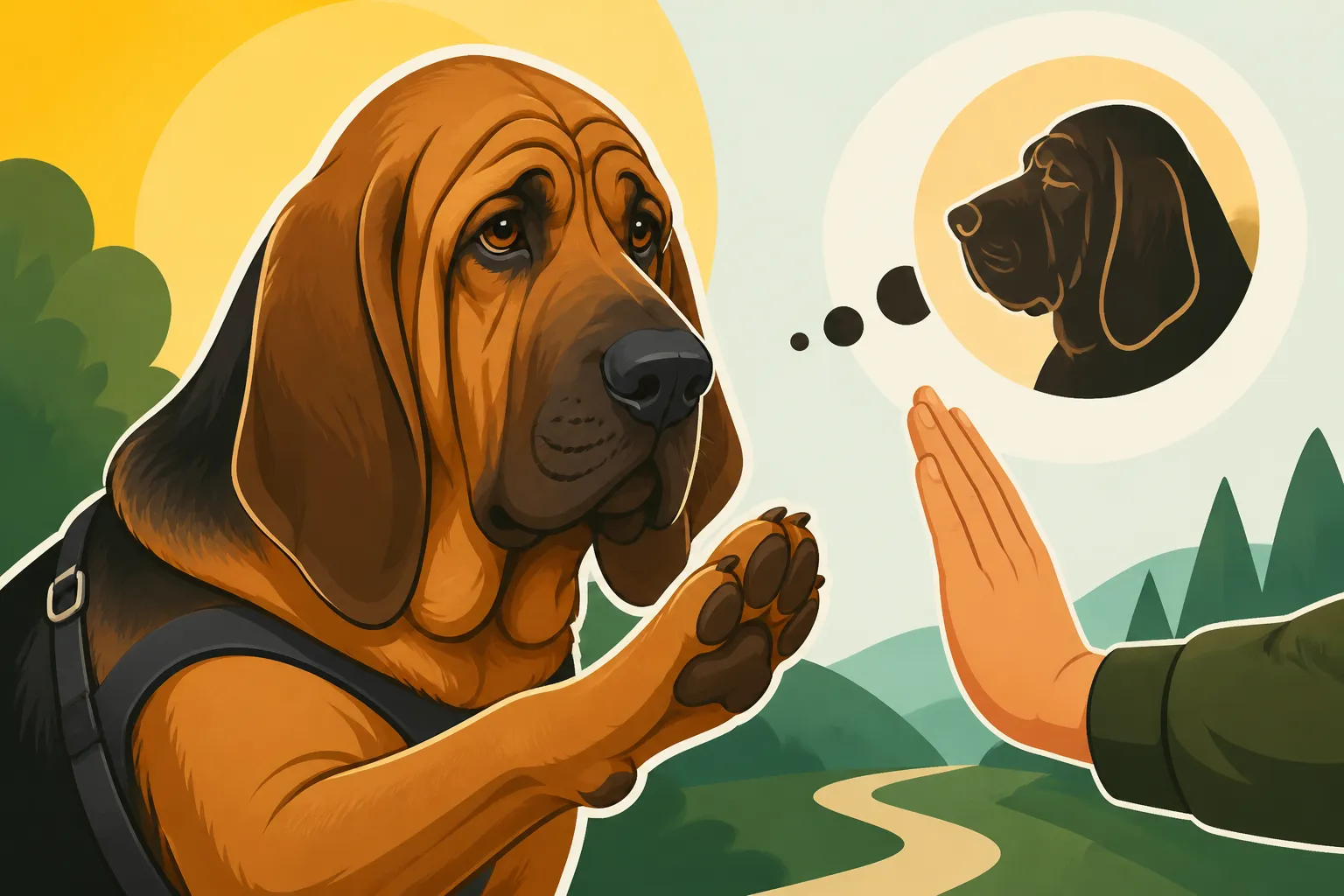
When a Bloodhound pauses, it's often because they are genuinely thinking. They might be weighing the value of the command you've given against the irresistible information their nose is providing, or against the comfort of their current napping spot. It's a calculation, a thoughtful consideration, rather than outright defiance or a lack of understanding. They're not just waiting to be stubborn; they're genuinely processing. They might be asking themselves, "Is what my human is asking more important or rewarding than this amazing scent I've just discovered?" Recognizing this thoughtful deliberation as a form of intelligence can transform your approach to training and communication.
Common Scenarios Where the Pause Happens
Understanding why your Bloodhound pauses is one thing, but recognizing when and where these pauses are most likely to occur can help you anticipate and manage them effectively. Certain situations naturally amplify their inclination to stop and think.
The "Yard Sniff" Pause
Picture this: you've let your Bloodhound out into the yard. A few minutes later, you call them to come back inside for dinner or bedtime. You shout their name, then "Come!" And what do they do? Their tail might give a little wag, their ears might twitch, but their nose remains glued to that intriguing patch of grass by the fence where a stray cat might have passed by last night. This is the classic "yard sniff" pause. They've heard you, they acknowledge you, but that scent is just so compelling.
In this scenario, their body language often tells the story. You might see their tail slowly wagging, their ears swiveling slightly towards your voice, but their powerful head remains down, their jowls nearly sweeping the ground. This intense focus is a testament to their innate drive to unravel every olfactory mystery. For them, that faint odor on the lawn is a thrilling detective novel, and your call to "come" is merely an interruption. It takes a conscious effort for them to disengage from their primary passion and switch gears to your request. It's a battle between instinct and learned behavior, and instinct often gets the first round.
The Distracted Walk Pause
A walk with a Bloodhound is rarely a straightforward point A to point B journey. It's a sensory expedition for them. You're making good progress, and suddenly, they stop dead in their tracks. Their nose is pressed firmly against a lamppost, a discarded leaf, or even just a seemingly blank patch of pavement. They are utterly absorbed, seemingly deaf to your gentle tugs on the leash or your repeated commands. This is the "distracted walk" pause, and it can be incredibly frustrating if you don't understand its origin.
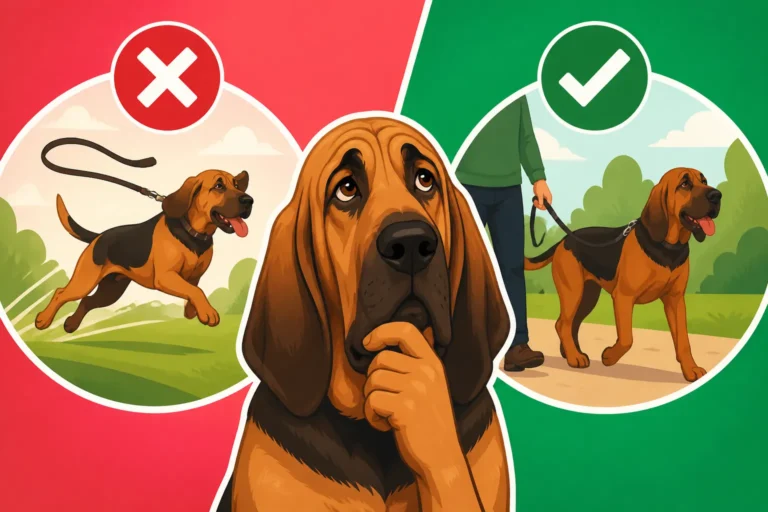
The pavement and urban environment, for us, might seem mundane. For a Bloodhound, it's a bustling information highway. Every curb, every fire hydrant, every crack in the sidewalk is a scent post, a newspaper full of stories left by countless other animals and people. Their powerful nose is trying to read every headline, every article, and process all that data. Your command simply can't compete with the sheer volume and intrigue of the scent world they're immersed in. This is precisely why Why Off Leash Is Not a Goal With a Bloodhound is such critical advice. A long line is indispensable here, allowing them some freedom to explore while keeping them safely connected to you.
The "Are You Serious?" Pause Indoors
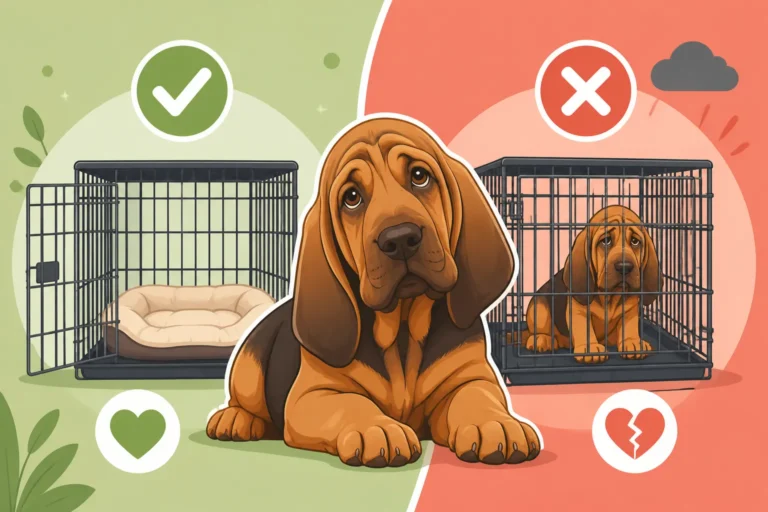
While outdoor environments are obviously rich in scent, your Bloodhound might still exhibit the "pause" even within the confines of your home. You might ask them to move from their favorite couch spot, or perhaps to go to their crate. Instead of a quick response, you might get a slow blink, a heavy sigh, and a prolonged glance that seems to ask, "Is this really necessary right now?" This indoor pause is often less about an overwhelming scent and more about their thoughtful, independent nature intersecting with their desire for comfort or routine.
Inside, the scents might be less dramatic than a rabbit trail, but they are still there – the lingering smell of dinner, the faint trace of a visitor, or even just the scent signature of a particular blanket. However, the indoor pause often highlights their deliberate, almost philosophical, approach to life. They are not necessarily being stubborn, but rather, they are processing your request within their own internal framework. They might be weighing the effort of moving against the perceived reward or consequence, or simply evaluating if your request truly warrants immediate action. This reflective quality is part of their charm, even if it tests our patience sometimes!
Strategies for Encouraging Quicker Responses
While a Bloodhound's pause is often an innate trait, there are definitely things you can do to shorten that thoughtful deliberation and encourage a more prompt response. It's all about making obedience incredibly appealing and clear, so it competes more effectively with those irresistible scents.
Building a Strong Reinforcement History
The single most effective way to encourage quicker responses from your Bloodhound is to make obeying you the most rewarding activity in their entire life. Bloodhounds are incredibly food motivated, and they absolutely thrive on praise and positive reinforcement. This means building a strong "paycheck" system where every correct, prompt response earns them something truly valuable. Forget dry kibble as a reward for a tricky "come" in a busy park; think cooked chicken, cheese, or high-quality commercial treats. The higher the value of the reward, the more quickly they will learn to prioritize your requests over other distractions.
Consistency is absolutely key here. Every time your Bloodhound chooses to obey, even after a slight pause, ensure they receive an immediate, enthusiastic reward. This consistent positive feedback builds a powerful association: "When I listen to my human, amazing things happen!" If you're struggling to find high-value treats that truly motivate your hound, a quick search on Amazon for "high value dog training treats" will yield a plethora of options. Remember, your Bloodhound isn't working for free; they're constantly evaluating the "return on investment" for their actions. Make that investment worthwhile for them. What a Bloodhound Will Work For outlines this further.
Timing and Clarity of Commands
When you give a command, how you deliver it and how you follow through can significantly impact your Bloodhound's response time. Clarity and precise timing are paramount. Use a clear, concise verbal cue, and avoid repeating yourself endlessly. If you say "Sit!" and your Bloodhound pauses, resist the urge to immediately repeat "Sit! Sit! Sit!" This often teaches them that they don't need to respond until the third or fourth prompt. Instead, give the command once, wait patiently for their response (even if it's a slow one), and then immediately reward them the moment they comply.
Introducing a marker word ("Yes!" or "Good!") or a clicker precisely at the moment of the desired behavior, followed by the high-value treat, can dramatically speed up their understanding and response. This clear communication tells them exactly what they did right. If they don't respond at all after a reasonable pause, gently guide them into position and then reward, still associating the action with the positive outcome. Over time, they'll learn that the prompt execution of your singular command leads directly to a valuable reward, rather than waiting for you to get exasperated.
Training in Varying Environments
Expecting your Bloodhound to offer a lightning-fast recall in a crowded park if they haven't mastered it in your quiet living room is setting yourself up for disappointment. Training for quicker responses requires a gradual increase in distractions and complexity. Start all new commands and work on improving response times in the calmest, lowest-distraction environment possible – your living room or a quiet backyard. Once they're responding consistently and promptly there, slowly introduce minor distractions.
For instance, practice "come" while a family member is quietly walking across the room, then with a toy on the floor, then in a slightly busier part of your house. Only when they are reliably responding in these varied, low-distraction indoor settings should you move your training outdoors to a quiet part of your yard, then a quiet park, and eventually a busier area. This systematic approach, as discussed in detail in The First Year With a Bloodhound That Already Wants to Trail, helps your Bloodhound generalize their learning and practice prioritizing your commands even when the world outside is screaming with tempting scents.
Embrace Their Bloodhound-ness: Working With the Pause
While we strive for quicker responses, it's equally important to embrace the unique qualities that make a Bloodhound who they are. Fighting against their natural instincts is a losing battle; instead, we can channel those instincts into productive outlets that make them happier and more biddable overall.
Incorporating Scent Work into Training
Instead of constantly battling their powerful nose and the resulting pauses, a truly enlightened Bloodhound owner learns to lean into this incredible gift. Scent work isn't just a hobby for a Bloodhound; it's a fundamental need. Engaging them in structured scent games and formal mantrailing training can provide immense mental stimulation and satisfaction. A Bloodhound that has had its olfactory needs met is generally a more content, calmer, and surprisingly, a more responsive companion in other aspects of life.
Think about it: if their brain is always buzzing with unprocessed scent information, they're less likely to focus on you. By giving them dedicated "work" for their nose, you provide an outlet for that intense drive. Start with simple hide-and-seek games with treats, then progress to more complex trailing scenarios. Mantrailing Is the Answer to a Bloodhound, Not Obedience highlights how transformative this can be. There are excellent online resources, such as those offered by BAXTER & Bella, that can guide you through introductory scent work, helping you channel your Bloodhound’s natural talents. This not only builds their confidence but also strengthens your bond, as you are facilitating their most cherished activity. You’ll find that Whether Nose Work Tires a Bloodhound More Than Walking is a resounding yes!
Patience and Realistic Expectations
Perhaps the most crucial strategy of all is cultivating a deep well of patience and setting realistic expectations. Your Bloodhound will likely never be the dog that executes every command with instantaneous, military-grade precision. That thoughtful pause, that momentary dip of the nose before they turn to you, is part of their fundamental nature. It's what makes them such unique and fascinating creatures. Trying to force them into a mold that doesn't fit their breed characteristics will only lead to frustration for both of you and could damage the trust in your relationship.
Instead of seeing the pause as a flaw, try to view it as a demonstration of their intelligence and dedication to their primary sense. Appreciate the deliberation, the moment they choose you over the tantalizing world of scent. Celebrate the effort, even if it's not instant. By understanding and respecting this inherent trait, you can build a more harmonious relationship with your Bloodhound, one based on mutual respect rather than constant struggle. Remember, they are Whether a Bloodhound Is Stubborn or Just Busy, and usually, it's the latter.
Essential Gear and Tools for Responsive Bloodhounds
Having the right equipment is not just about safety; it's about effective communication and training, especially when dealing with a scent-driven breed prone to pausing. The right tools can bridge the gap between your commands and your Bloodhound's inherent drives.
The Right Collar and Harness for Communication
For a Bloodhound, the choice of collar and harness is crucial for both their comfort and your ability to communicate effectively. A simple flat collar, while fine for ID tags, is often insufficient for walks or training, as a determined Bloodhound can easily pull on it, causing discomfort or damage to their neck and throat. Given their size and strength, a proper harness is essential. Look for a well-fitting Y-front harness or a no-pull front-clip harness. These designs distribute pressure across their chest and shoulders, preventing injury and giving you better control, especially when they lock onto a scent and decide to pause or pull.
A harness should fit snugly but comfortably, allowing full range of motion without chafing. It provides a clearer, more humane way to direct your Bloodhound without causing pain or distraction. When they're engrossed in a scent and you need to redirect them, a gentle guidance from a harness is far more effective and less likely to be perceived negatively than a sharp tug on a collar. This investment in good gear is an investment in clearer communication and a safer, more enjoyable experience for both of you. You'll want to choose carefully, as Which Harness a Bloodhound Trails In details.
Long Lines and Secure Fencing
Given a Bloodhound's independent nature and their uncanny ability to follow a scent for miles, off-leash freedom is almost never a safe option outside of very specific, controlled environments. This is where long lines become your absolute best friend. A long line, ranging from 15 to 30 feet or even more, allows your Bloodhound to explore a wider area, engage their nose, and feel a sense of freedom, all while remaining safely connected to you. It's perfect for practicing recall in open spaces or allowing them to investigate a fascinating scent without actually losing them.
| Line Type | Length | Primary Use | Pros | Cons |
|---|---|---|---|---|
| Standard Leash | 4-6 feet | Daily walks, close control | Good for urban areas, keeping dog close | Limits exploration, doesn't prevent pulling as well |
| Training Leash | 6-10 feet | Obedience training, slightly more room to roam | Versatile, some freedom for sniffing | Still limited for full scent work |
| Long Line | 15-50 feet | Recall training, scent work, safe exploration in open areas | Mimics off-leash freedom, allows natural scenting behavior | Can tangle easily, requires space, handler needs to be alert |
| Flexi/Retractable | Varies, typically 10-26 feet | Casual walks, limited freedom | Can adjust length on the fly | Jerky action, can injure handler or dog, teaches pulling |
Table: Comparison of Leash and Line Types for Bloodhounds
Beyond leashes and lines, secure fencing is non-negotiable for any Bloodhound owner. These dogs are master escape artists if a compelling scent is on the other side. A six-foot solid fence is generally recommended, and even then, checking for potential digging spots or weak points is critical. An invisible fence is rarely sufficient for a Bloodhound, as their desire to follow a scent will often override the deterrent. Investing in a robust, physical barrier for your yard provides peace of mind and keeps your determined scent hound safely contained. For more on this, see What Fencing Actually Holds a Bloodhound.
Disclaimer
This article is for general informational purposes only and does not constitute professional advice. Laws, prices and regulations vary by location and change over time. Consult a qualified professional for guidance on your specific situation.