Whether a Bloodhound Rescue Screens Adopters Hard
Bringing a magnificent Bloodhound into your life is a dream for many, but the journey through rescue adoption can sometimes feel like navigating a maze of paperwork and deeply personal questions. It’s understandable to feel a bit overwhelmed or even a little judged when you encounter a rescue organization's rigorous screening process. After all, you just want to give a loving home to a dog in need! But trust me, there's a very good reason Bloodhound rescues ask so many questions and dig so deep into your background and lifestyle. They're not trying to be difficult; they're trying to find the absolute perfect match for a breed that comes with very specific needs and, frankly, a lot of dedication from its human companions. This guide will walk you through why Bloodhound rescues are so thorough, what their screening process typically involves, and how you can best prepare to demonstrate that you’re the ideal home for one of these incredible hounds.
Why Bloodhound Rescues Are So Diligent
It might seem like an over-the-top interrogation, but every question a Bloodhound rescue asks serves a vital purpose. These organizations pour their hearts, time, and limited resources into caring for these dogs, often rehabilitating them from difficult situations. Their diligence isn't about creating hurdles for you; it's about protecting the Bloodhounds in their care and ensuring that once adopted, they find their forever home for good.
Understanding the Bloodhound's Unique Needs
Bloodhounds are not just big, lovable dogs; they are a breed with a powerful, innate drive and distinct physical characteristics that require a specific kind of environment and owner. Their legendary noses, for instance, aren't just a party trick—they are the core of their being. A Bloodhound lives to follow a scent, and this instinct can override almost everything else. Rescues want to ensure potential adopters understand that Why Off Leash Is Not a Goal With a Bloodhound and that securing your property with appropriate fencing is paramount. They also need to know you're prepared for their incredible stamina when on a trail, but also their propensity to be couch potatoes when not working.
Beyond their nose, Bloodhounds have a very particular physical makeup. Their long, pendulous ears and abundant skin folds require constant vigilance and regular cleaning to prevent infections. A Bloodhound's Ears Are a Standing Infection Risk is a reality many new owners aren't prepared for, and rescues want to make sure you grasp the commitment. Similarly, Skin Fold Dermatitis on a Bloodhound is another common issue due to their deep wrinkles. These aren't minor inconveniences; they are aspects of daily care that can become serious health problems without consistent attention. Rescues screen heavily for an owner's willingness to embrace this level of daily hygiene.
Preventing Returns and Failures
One of the biggest heartbreaks for a rescue organization is when an adopted dog is returned. This is traumatic for the dog, who has often already experienced instability, and it strains the rescue's resources. Bloodhounds, in particular, often end up in rescue because their previous owners weren't prepared for their unique traits. Perhaps they couldn't handle the baying, the drooling, the destruction an under-exercised or bored Bloodhound can inflict, or the sheer determination of a dog bent on following a scent.
By thoroughly screening adopters, rescues aim to predict and prevent these mismatches. They look for homes that demonstrate an understanding of the breed's challenges and a commitment to working through them. This proactive approach saves both the dog and the adopter from the pain of a failed placement. A rescue will often ask if you have experience with scent hounds or large breeds, not to exclude you if you don't, but to gauge your readiness to learn and adapt. They want to ensure you know that The Baying a Bloodhound Cannot Be Trained Out Of is a core part of their communication, not a nuisance to be silenced.
The Lifelong Commitment
Adopting a Bloodhound is signing up for a commitment that could last a decade or more, though unfortunately, How Long a Bloodhound Lives is often shorter than their size predicts. Rescues are deeply aware of the health challenges common to the breed, such as bloat, which can be fatal without immediate, expensive veterinary intervention. Bloat Is What Kills Most Bloodhounds is a stark reality that means potential owners need to be prepared for significant veterinary costs. This isn't just about love; it's about financial stability and access to emergency care.
They want to know you're not just ready for the puppy cuteness or the impressive nose work, but for the potential medical bills, the ongoing maintenance, and the sheer volume of drool and shed hair. A Bloodhound can truly be Everything on a Bloodhound Hangs Down and Has to Be Cleaned, and a rescue wants to ensure you're ready for a life where towels are your best friend and clean floors are a distant memory. This long-term commitment includes providing appropriate nutrition, exercise, training, and regular veterinary care, not just when issues arise. They're looking for someone who sees the dog as a family member for life, through thick and thin.
What a Typical Bloodhound Rescue Application Looks Like
The application process is usually the first formal step in adopting a Bloodhound from a rescue. Don't be surprised by its length or the detail it demands. It's their primary tool for understanding your intentions, capabilities, and living situation. Think of it as a comprehensive interview designed to create a detailed profile of your potential home.
The Initial Inquiry and Personal Information
Rescues will usually start with basic contact information, but quickly move into more specific details about your household. This includes the number of adults and children in the home, their ages, and their prior experience with dogs. They might ask about your work schedule and how much time the dog would spend alone. For a Bloodhound, a breed that thrives on companionship and can be destructive when bored or under-stimulated, this is a critical piece of information. They'll want to know who will be the primary caregiver and how the responsibilities will be shared.
They might ask about your previous pet ownership history, including what happened to past pets. This isn't an accusation; it's an effort to understand your commitment and the circumstances under which a pet might leave your care. Transparency here is key. If a previous pet passed away, they might ask about the cause and your coping mechanisms. It’s all part of building a picture of your reliability and emotional capacity for pet ownership.
Home Environment and Lifestyle Questions
This section is where the rescue truly begins to assess the suitability of your living space for a Bloodhound. Expect detailed questions about your residence: do you own or rent? If you rent, they'll often require landlord contact information to verify that dogs are allowed, and if there are breed or size restrictions. This prevents situations where a dog is adopted only to be evicted. They'll ask about your yard: is it fenced? What type of fence? How high? This is crucial for a breed with such a powerful scent drive. How High a Fence a Bloodhound Needs is often higher than many people realize, and a secure containment plan is non-negotiable for most rescues.
Questions about your general lifestyle are also common. How active are you? What kind of exercise do you envision for your Bloodhound? Knowing that Mantrailing Is the Answer to a Bloodhound, Not Obedience is a huge plus, as it shows you've researched the breed's needs for mental and physical stimulation. They might inquire about your willingness to attend training classes or engage in scent work. They’ll also ask about other pets in the home, including cats, other dogs, or even small caged animals, to assess potential compatibility and the dog's safety. For instance, knowing that you regularly order specific large breed food from retailers like Chewy or specialty providers like Ollie demonstrates a practical understanding of a Bloodhound's needs.
Veterinary and Personal References
This is often one of the most critical parts of the application. Rescues will contact your current and previous veterinarians. They'll verify that your past and present pets have received regular preventative care, including vaccinations, heartworm prevention, and routine check-ups. They'll want to see a history of responsible pet ownership, including spaying or neutering if applicable, and addressing any health issues promptly. A vet check confirms that you understand the importance of proactive health management and aren't just reacting to emergencies. This is particularly relevant given the breed's susceptibility to conditions like hip and elbow dysplasia, as detailed in Hip and Elbow Dysplasia in the Bloodhound.
Personal references, often friends or colleagues, are asked to provide insight into your character, reliability, and how you interact with animals. They might be asked about your home environment, your patience, and your dedication. It's wise to inform your references that they will be contacted by the rescue and to encourage them to be honest and thorough. These references help paint a picture of you beyond the written application, offering a glimpse into your day-to-day life and how a Bloodhound would fit into it.
The Interview and Home Visit Process
Once your application has been reviewed and references checked, the rescue will typically move to the interview and home visit stages. These are designed to expand upon the information gathered and to observe your environment firsthand, ensuring it's a safe and suitable place for a Bloodhound.
Diving Deeper into Your Readiness
The interview, often conducted by phone or video call, is your opportunity to elaborate on your application responses and ask any burning questions you might have. The rescue coordinator will use this time to delve into your understanding of the Bloodhound breed, your expectations, and your readiness for potential challenges. They might present hypothetical scenarios: "What would you do if your Bloodhound started baying incessantly at the mailman?" or "How would you handle a dog determined to follow a scent trail across a busy street?"
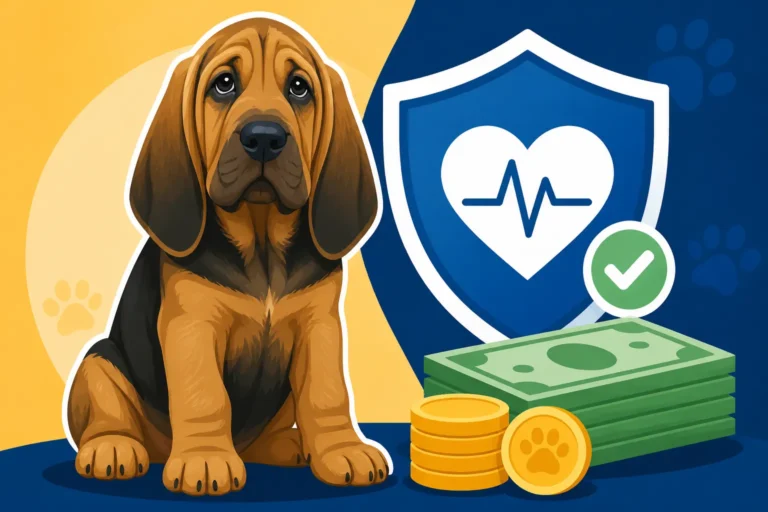
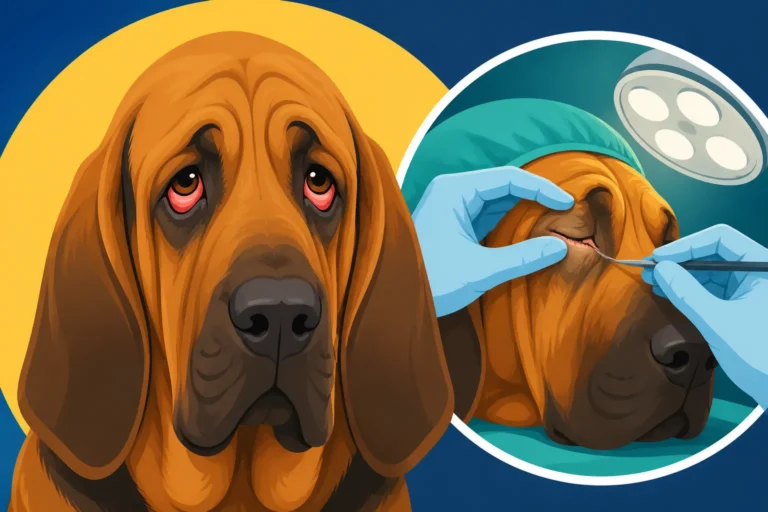
This isn't a test with right or wrong answers, but an assessment of your problem-solving skills, your research into the breed, and your commitment to positive reinforcement training. They want to see that you've thought about Why a Bloodhound Ignores a Cue It Knows when its nose is engaged and have a plan for managing such powerful instincts. It's also a chance for them to discuss the financial aspects, such as whether you have an emergency fund or pet insurance with a company like Healthy Paws, which is crucial given that A Bloodhound's Money Is Spent in the Operating Room for unexpected medical emergencies.
Assessing the Physical Environment
The home visit is a critical step, allowing a rescue volunteer to see where the Bloodhound would live. They're not looking for a spotless show home, but rather a safe, secure, and appropriate environment. They'll observe your yard's fencing, checking for gaps, loose gates, or potential escape routes. They'll look at the general cleanliness and safety of your home, ensuring there are no obvious hazards. If you have other pets, they might assess how they interact with the volunteer or even a calm foster dog if possible.
They will also consider the general layout and space. While Bloodhounds are not usually high-energy dogs indoors, they are large, sprawling animals that need room to move, lay down, and not feel confined. They'll also note if there's a dedicated space for the dog, such as a crate area or a dog bed. This visit is also a chance for the rescue to get a feel for the neighborhood and local amenities, like nearby parks or trails, that could be beneficial for a Bloodhound's exercise needs.
Addressing Concerns and Education
Throughout the interview and home visit, rescue volunteers are also educating you. They'll offer insights into the breed's quirks and potential issues. If they see something that concerns them, such as a lower fence than recommended or a misunderstanding about the breed's exercise requirements, they'll bring it up. This isn't a pass/fail moment, but an opportunity for dialogue and education. They might suggest modifications to your fence or recommend specific types of training or enrichment activities.
For example, if you mention wanting an off-leash dog park companion, they might gently explain Why Off Leash Is Not a Goal With a Bloodhound and suggest alternative activities like Mantrailing Is the Answer to a Bloodhound, Not Obedience. They may also provide information on feeding schedules designed to prevent bloat, a serious concern for the breed, reinforcing the importance of guidance like Feeding a Bloodhound So It Does Not Bloat. Their goal is to set both you and the Bloodhound up for success, providing resources and guidance to help you become the best Bloodhound owner you can be.
After Approval: The Adoption Contract and Support
Once you've successfully navigated the screening process and received approval, the final steps involve signing an adoption contract and transitioning your new Bloodhound into your home. This phase is about formalizing the commitment and ensuring you have the support you need as you embark on this exciting journey.
What to Expect in an Adoption Agreement
The adoption contract is a legally binding document that outlines the responsibilities of the adopter and the expectations of the rescue organization. It typically covers several key areas:
- Health and Veterinary Care: The contract will require you to provide ongoing veterinary care, including annual check-ups, vaccinations, and heartworm/flea prevention. It often stipulates that the dog must be spayed or neutered (if not already done by the rescue) within a certain timeframe and provides details about any known health issues the dog has and how they have been managed.
- Identification: Most contracts require you to keep identification tags on the dog and ensure its microchip registration is updated with your contact information. This is especially important for a breed prone to wandering if it catches a scent, as detailed in discussions like How Far a Loose Bloodhound Will Travel.
- Return Policy: Crucially, adoption contracts almost always state that if you are unable to keep the Bloodhound at any point, you must return the dog to the rescue organization. This prevents dogs from being re-homed repeatedly, surrendered to shelters, or sold. It's a safety net for the dog.
- Living Conditions: The contract may reiterate requirements about appropriate housing, fencing, and care. Some may even have clauses about not allowing the dog to be tied out unsupervised or kept purely outdoors.
- Updates: Many rescues appreciate or require periodic updates on the dog's well-being, especially during the initial adjustment period.
Review the contract thoroughly and ask any questions before signing. It’s a formal representation of the rescue’s dedication to the dog's welfare.
Ongoing Support and Resources from the Rescue
A reputable Bloodhound rescue doesn't just hand over a dog and disappear. They often provide ongoing support and resources to help you and your new companion succeed. This can include:
- Behavioral Advice: If you encounter challenges like excessive baying or issues with house training, the rescue might offer guidance, connect you with a trainer, or share resources. They've likely dealt with similar issues many times over.
- Health Information: They can provide valuable insights into the Bloodhound's specific health needs, perhaps recommending supplements or dietary considerations, or even where to find specific grooming tools or cleaning solutions available from stores like Chewy that are tailored for a Bloodhound’s unique features.
- Community: Many rescues foster a sense of community among their adopters, often through online groups or social events. This provides a network of experienced Bloodhound owners who can offer advice and camaraderie. Sharing stories and tips about managing the daily realities of owning a Bloodhound, from preventing ear infections to wiping down their drool-covered jowls, is invaluable.
- Pre-negotiated Discounts: Sometimes, rescues have partnerships with pet supply companies or even pet insurance providers, allowing adopters access to discounts. For instance, they might have special offers for first-time Healthy Paws policyholders or a discount code for high-quality food from Ollie.
This continued relationship shows that the rescue's commitment to the Bloodhound extends far beyond the adoption day.
Preparing Your Home for Your New Bloodhound
Once approved, the excitement builds, and it's time to get your home ready for your new family member. This means more than just buying a food bowl. Consider:
- Secure Fencing: Double-check your fence for any potential escape routes. A Bloodhound can find the smallest weakness. Many owners will reinforce gates with additional locks or even concrete under the fence line to prevent digging out. Remember, for a Bloodhound, a secure yard is not a luxury, it's a necessity.
- Designated Space: Set up a comfortable, quiet area for your Bloodhound, whether it's a large crate with soft bedding, or a dedicated dog bed in a low-traffic area. Having a safe retreat is important for them to decompress.
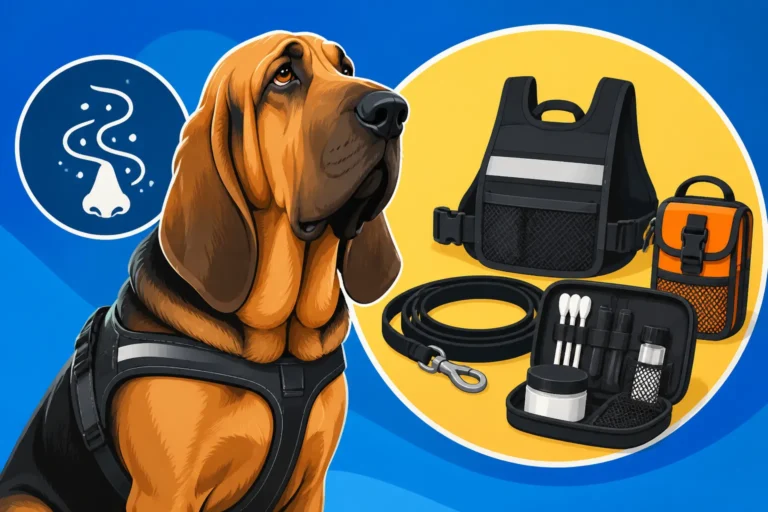
- Supplies: Stock up on appropriate food (considering advice from the rescue and possibly looking into brands like Ollie for their tailored nutrition plans), wide, flat-bottomed bowls (to keep those long ears out!), ear cleaner, fold wipes, plenty of towels for drool, and durable chew toys. A good quality harness and a sturdy long line are also essential for walks, as discussed in What a Mantrailing Harness and Long Line Cost.
- Baby-Proofing for Dogs: Get down on their level and look for anything they might chew, swallow, or knock over. Bloodhounds are strong and curious, and things that might be safe for a smaller dog might not be for a large, determined hound. Put away valuables, secure cabinets, and ensure no toxic substances are within reach.
The goal is to create an environment where your Bloodhound feels safe, comfortable, and where their unique needs are met, reducing stress for everyone involved.
| Aspect of Screening | Why it's Important for Bloodhounds | What Rescues Look For |
|---|---|---|
| Home Environment | Prone to wandering, needs secure containment. Large size. | Secure, high fencing (e.g., 6ft solid fence), ample indoor space, landlord approval if renting. |
| Experience/Lifestyle | Powerful scent drive, independent, baying, high maintenance grooming. | Understanding of breed traits, commitment to training (especially scent work), active lifestyle, daily grooming dedication. |
| Financial Preparedness | Prone to significant health issues (bloat, eye/ear infections), large size costs. | Stable income, emergency fund, pet insurance (e.g., Healthy Paws), willingness to cover vet bills for chronic conditions. |
| Veterinary History | Past pet care indicates future responsibility. | Regular preventative care (vaccines, heartworm), prompt treatment of issues, spay/neuter history. |
| Commitment | Long lifespan potential (even with risks), emotional investment. | Demonstrated patience, resilience, and a clear intent to provide a forever home through all challenges. |
Disclaimer
This article is for general informational purposes only and does not constitute professional advice. Laws, prices and regulations vary by location and change over time. Consult a qualified professional for guidance on your specific situation.