How Long a Bloodhound Takes to Recover From a Gastropexy
Bringing your majestic Bloodhound home after a gastropexy surgery, whether it was a planned preventive procedure or an emergency that saved their life from bloat, is a mix of relief and anxiety. You want to do everything right, but the sheer size and unique needs of these wonderful hounds can make the recovery process seem daunting. This guide is here to walk you through exactly what to expect, from the moment they wobble out of the vet's office to when they're back to their full, glorious self.
The Immediate Aftermath: The First 24-48 Hours Post-Gastropexy
Those first couple of days are often the most nerve-wracking for any Bloodhound owner after surgery. Your big hound is likely still feeling the effects of anesthesia and pain medication, and it's your job to create a calm, safe environment for their initial healing.
Coming Home from the Clinic
When your Bloodhound first arrives home, they're probably going to be a little wobbly, maybe a bit disoriented, and certainly not their usual enthusiastic self. This is completely normal. The car ride home should be as quiet and smooth as possible. Ideally, have someone else drive so you can sit with your hound, offering gentle reassurance. Once home, guide them to a designated, quiet recovery space. This should be a comfortable, easily accessible spot, free from stairs, boisterous children, or other pets for the first few days. A soft dog bed on the floor in a low-traffic area is perfect.
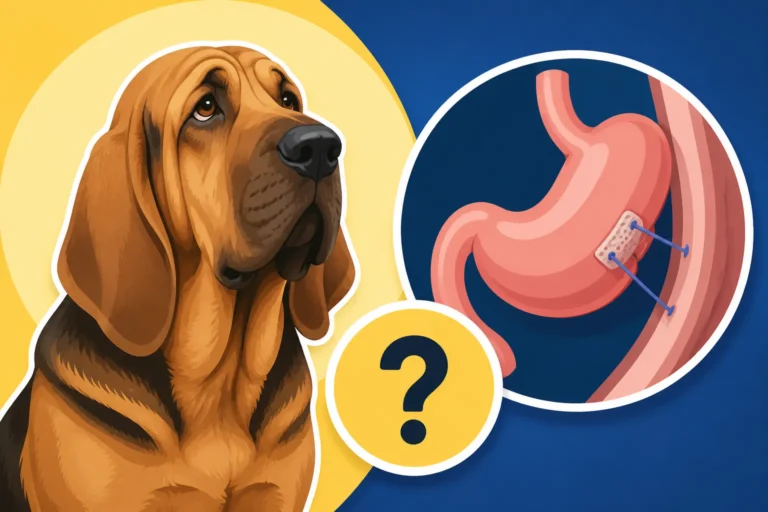
Expect them to be sleepy, and don't be alarmed if their appetite is a little off for the first 24 hours. Small sips of water can be offered, but introducing food too quickly might lead to an upset stomach. Your vet will provide specific instructions on when and how much to feed. The main goal here is rest and minimizing any stress. Remember that the gastropexy, while designed to prevent future gastric torsion, is still a major abdominal surgery, and their body needs time to begin the healing process.
Managing Pain and Discomfort
Pain management is absolutely crucial during this initial phase. Your veterinarian will send you home with a precise schedule of pain medications, typically including non-steroidal anti-inflammatory drugs (NSAIDs) and possibly other pain relievers. It is incredibly important to stick to this schedule diligently, even if your Bloodhound seems comfortable. Their large size means they might be stoic about discomfort, but consistent pain relief aids healing and encourages a smoother recovery.
Keep a close eye on their behavior. Are they restless? Whining softly? Reluctant to lie down or get up? These can all be subtle signs that their pain isn't adequately controlled, and it warrants a call to your vet. Don't try to "tough it out" or adjust medications yourself. Furthermore, that dreaded "cone of shame" – an Elizabethan collar or e-collar – is a non-negotiable accessory for at least the first two weeks. Bloodhounds are incredibly adept at reaching and licking incisions, and even a moment of licking can introduce bacteria or pull sutures, leading to a much more serious problem. Think of it as a temporary fashion statement for their health.
The First Two Weeks: Critical Healing and Restrictions
The period following the initial 48 hours is all about protecting the surgical site and ensuring the internal stitches holding the stomach to the body wall have a chance to properly knit together. This stage demands strict adherence to your vet's instructions.
Incision Care and Monitoring
Your Bloodhound's surgical incision will be a visible reminder of their procedure. It's vital to inspect it gently but thoroughly at least twice a day. Look for any signs of trouble: excessive redness, swelling, warmth to the touch, or any discharge (other than a tiny bit of clear or slightly blood-tinged fluid in the very first day or so). A small amount of bruising around the incision is also quite common due to the surgery itself.
Your vet will advise you on how to keep the incision clean and dry. Typically, this means gently wiping away any debris with a clean, damp cloth (no scrubbing!) and ensuring your Bloodhound doesn't get wet in that area – no baths or swimming. Most internal sutures used for a gastropexy are absorbable, meaning they dissolve on their own. However, if external staples or stitches were used, your vet will schedule an appointment for their removal, usually around 10 to 14 days post-op. If you ever have any doubt about the incision's appearance, take a photo and send it to your vet or call them immediately. Don't wait.
Activity Restrictions and Leash Walks
This is often the hardest part for active Bloodhounds and their owners. For the first two weeks, activity must be severely restricted. This means:
- Strict leash walks only for bathroom breaks. These should be short, slow, and purposeful – no sniffing around for squirrels.
- No jumping: This includes jumping on or off furniture, in and out of cars, or going up or down stairs unsupervised. Consider blocking off stair access if you have them.
- No running, playing, or roughhousing: Absolutely no zoomies, tug-of-war, or wrestling with other pets.
- Keep them calm: Encourage quiet time and provide mental stimulation with puzzle toys that don't require much physical exertion.
The reason for these stringent rules is simple: excessive movement can put strain on the internal incision, potentially tearing the delicate healing tissue and compromising the gastropexy. A setback like that could mean further pain, more vet visits, or even a need for revision surgery, which no one wants. Patience here is truly a virtue. This also applies to external incisions, which need to remain intact. A sudden stretch or twist could cause the external wound to reopen, increasing the risk of infection.
Diet and Hydration
After the initial post-op day, your vet will guide you on reintroducing food. The general rule is to start with small, bland meals several times a day. Think plain cooked chicken and rice, or a specific veterinary recovery diet if recommended. The goal is to avoid overfilling the stomach while it's still healing and sensitive. Continue this practice of smaller, more frequent meals, which is also a good long-term strategy for Bloodhounds to reduce bloat risk in general. You can find more specific advice on Feeding a Bloodhound So It Does Not Bloat.
Ensure fresh water is always available, and encourage hydration. Dehydration can hinder healing, so keep an eye on their water intake. Some Bloodhounds might be reluctant to drink due to discomfort, so ensure the bowl is easily accessible and consider adding a little low-sodium chicken broth to their water if your vet approves. This careful approach to diet and hydration helps keep their digestive system calm and supports the body's natural healing processes.
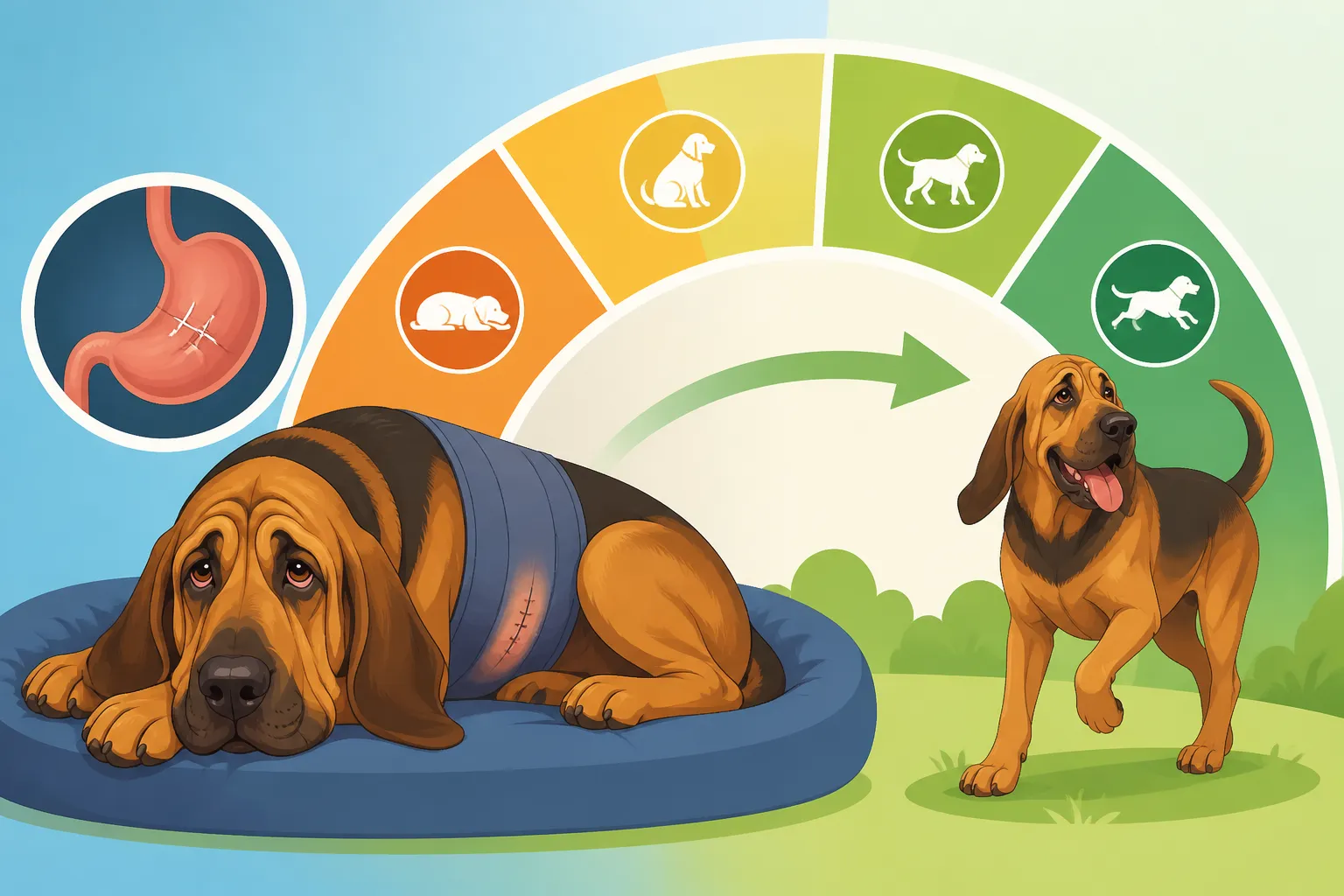
| Recovery Phase | Typical Duration | Key Focus | Activity Level | Incision Care |
|---|---|---|---|---|
| Immediate Post-Op | 24-48 hours | Pain management, quiet rest | Very limited, supervised bathroom breaks | Monitor for significant swelling/discharge |
| Weeks 1-2 | ~10-14 days | Incision healing, internal adhesion | Strict leash walks only, no jumping | Daily inspection, keep clean & dry, e-collar on |
| Weeks 3-6 | ~2-4 weeks | Gradual strengthening, further internal healing | Gradually increase leash activity | Continue monitoring, e-collar may be removed |
| Full Recovery | 6-8 weeks+ | Return to normal activity, long-term health | Back to regular exercise | Occasional check, no special care |
Weeks 3-6: Gradual Return to Normalcy
Once you've navigated the first two critical weeks, you'll start to see your Bloodhound feeling more like themselves. This phase is about carefully increasing activity levels while continuing to protect the healing internal structures.
Slowly Increasing Activity Levels
Around the 2-week mark, assuming the incision looks great and your vet gives the green light, you can begin to gradually increase your Bloodhound's activity. This doesn't mean unleashing them at the dog park! Think of it as slowly adding minutes to their controlled leash walks. Start with a few extra minutes each day, building up stamina. You might introduce very gentle, controlled play sessions, but still no roughhousing, jumping, or intense running. Stair use should still be limited and supervised.
The key word here is gradual. Pushing too hard, too fast, can still cause issues, even if the external wound looks closed. The internal sutures are still strengthening, and the adhesion between the stomach and body wall is maturing. It's often tempting to let them do more when they seem so energetic, but remember that the true strength of the gastropexy connection isn't fully established for a good 6-8 weeks. Think of it like a broken bone; even after the cast comes off, you don't immediately run a marathon.
Monitoring for Late Complications
While the most common complications typically arise in the first two weeks, it's still important to be vigilant for any signs of trouble throughout the 6-week recovery period. An internal infection, though less common, could still manifest with lethargy, fever, or a sudden change in appetite. Keep an eye on any unusual swelling or tenderness around the surgical site, even if the skin looks fine. Follow-up appointments with your veterinarian are important to ensure everything is progressing as it should. They can palpate the area and ensure the adhesion feels strong and healthy.
Sometimes, after the initial discomfort subsides, a Bloodhound might start to itch at the incision site as it heals. This can sometimes be managed with antihistamines if approved by your vet, but the e-collar should stay on if there's any risk of licking or chewing. Remember that even with a successful gastropexy, you'll still want to maintain good feeding practices, such as feeding multiple small meals a day and avoiding intense exercise immediately after eating. If you're wondering about ongoing dietary needs, you might find more guidance in articles like Whether a Gastropexied Bloodhound Still Needs Split Meals.
The Role of Pet Insurance
Let's be real, veterinary care, especially surgery, can be expensive. This is where having pet insurance like Healthy Paws can truly be a lifesaver. Whether your Bloodhound's gastropexy was a planned, preventive procedure or an emergency that cost several thousand dollars, good pet insurance can provide immense financial relief. Policies often cover a significant portion of unexpected veterinary bills, including emergency surgery, post-operative care, medications, and follow-up visits.
In the event of a complication, which thankfully is rare but always a possibility with any surgery, Healthy Paws can help cover the costs of additional diagnostics or treatments. This means you can make decisions based on your Bloodhound's health needs, rather than being solely driven by the cost. Knowing you have that safety net allows you to focus purely on your companion's recovery, without the added stress of a mounting vet bill. It really helps to plan ahead for these kinds of potential expenses, as a Bloodhound's money is indeed often A Bloodhound's Money Is Spent in the Operating Room.
Full Recovery and Long-Term Considerations
After approximately six to eight weeks, your Bloodhound should be well on their way to full recovery, and you can both breathe a sigh of relief. This doesn't mean forgetting about bloat prevention entirely, but it does mean a return to a more normal, active life.
When Is a Bloodhound "Fully Recovered"?
For most Bloodhounds, the "full recovery" mark is generally considered to be around 6 to 8 weeks post-surgery. By this time, the internal tissues should be fully healed and strengthened, and the adhesion of the stomach to the body wall should be robust. Your Bloodhound should be back to their normal energy levels, enjoying their walks, play, and all the sniffing adventures they love. Physically, they should show no signs of discomfort related to the surgery.
However, sometimes the mental recovery takes a little longer. Some dogs might be a bit more cautious or sensitive around their abdomen for a while, or they might take a bit of time to fully trust their bodies again after the ordeal. Continue with positive reinforcement, keep routines consistent, and help them gradually regain confidence. The good news is that with a successful gastropexy, the risk of a life-threatening gastric dilatation-volvulus (GDV), which is what makes bloat so dangerous, is drastically reduced. This offers incredible peace of mind and significantly improves their long-term prognosis. Knowing that you've given your beloved hound this protection is invaluable, especially considering How Fast Bloat Kills a Bloodhound.
Lifetime Management and Bloat Prevention
While a gastropexy dramatically reduces the risk of gastric torsion, it's important to understand that it doesn't completely eliminate the possibility of bloat (gastric dilatation) without the twisting. This means that while the most life-threatening aspect is largely prevented, you should still continue to practice good bloat-prevention strategies throughout your Bloodhound's life. This includes:
- Feeding multiple small meals a day: As mentioned earlier, this reduces the amount of gas and food in the stomach at any one time.
- Avoiding vigorous exercise around meal times: Wait at least an hour before and after eating for any strenuous activity.
- Managing stress: Anxious dogs can be more prone to bloat.
- Providing constant access to fresh water: But avoid gulping large amounts immediately after meals or exercise.
- Considering a slow-feeder bowl: If your Bloodhound tends to eat too quickly.
It's natural to wonder about the ongoing efficacy. While a gastropexy is highly effective, it's not a 100% guarantee against any form of bloat. However, it's the single most effective measure you can take to prevent the fatal twisting. This helps prevent many of the situations described in What Emergency Bloat Surgery Costs on a Bloodhound and gives your Bloodhound a much better chance at a long, healthy life. For more detail on this, you can look into Whether a Bloodhound With a Gastropexy Can Still Bloat. Regular check-ups with your vet are essential to monitor overall health, especially as Aging in a Bloodhound Starts at Six. Your proactive care and vigilance will continue to make a huge difference in their well-being.
Disclaimer
The information provided in this article is for general educational purposes only and is not a substitute for professional veterinary advice. Always consult with a qualified veterinarian regarding your Bloodhound's specific health concerns, diagnosis, and treatment plans.