Why a Bloodhound’s Bloat Costs More After Midnight
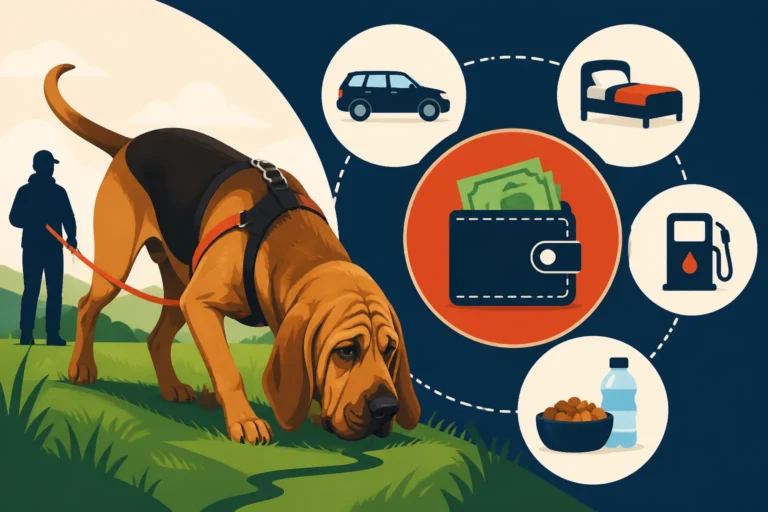
The sudden, terrifying realization that your beloved Bloodhound is bloating in the dead of night is every owner's worst nightmare. It's a race against the clock where every minute counts, and unfortunately, the clock doesn't care about business hours. When bloat strikes after midnight, not only are you grappling with the potential loss of your loyal companion, but you're also facing a veterinary bill that can quickly escalate far beyond what you might expect during daylight hours. This guide will walk you through exactly why those late-night emergency visits for a Bloodhound's bloat carry such a significant financial burden and what you can do to be prepared.
The Harsh Reality of Emergency Veterinary Care Hours
Emergency veterinary care operates under a completely different set of circumstances and demands compared to your regular daytime vet clinic. The costs reflect the immediate availability of specialized staff, facilities, and equipment, all ready to spring into action when a critical situation like bloat arises, especially when the rest of the world is asleep.
What "After Midnight" Really Means for Vet Staffing
When the clock ticks past midnight, most general practice veterinary clinics have long since closed their doors. This means that if your Bloodhound shows signs of bloat—retching without producing anything, a distended abdomen, restlessness, or discomfort—your only recourse is typically a dedicated 24-hour emergency veterinary hospital or a specialized referral center. These facilities are designed to handle critical cases around the clock, but their staffing models are inherently different and more costly.
During the day, a veterinary hospital might have multiple veterinarians, a large team of licensed veterinary technicians, assistants, and reception staff to manage a steady flow of appointments, surgeries, and minor emergencies. After midnight, however, the team is often much smaller, yet still incredibly specialized. You'll find fewer vets, but they are often emergency and critical care specialists, backed by a lean but highly skilled team of technicians who are trained to monitor critically ill patients, assist in complex surgeries, and manage intensive care. This smaller, highly specialized team means higher individual workloads and, inevitably, higher compensation to attract and retain professionals willing to work these demanding, often stressful hours. It’s not just about keeping the lights on; it’s about having a full surgical team and diagnostic capabilities ready to go at a moment's notice.
The Overhead Costs of 24/7 Operations
Think about any service that runs 24/7—hospitals, fire departments, certain industrial operations. They all have significantly higher overheads than those that operate during standard business hours, and veterinary emergency clinics are no different. These clinics must maintain a full suite of specialized equipment that might only be used infrequently but must be immediately available for life-saving procedures. This includes advanced diagnostic imaging like digital X-ray machines, ultrasound, and sometimes even CT scanners, which are crucial for quickly diagnosing conditions like GDV.
Beyond the machinery, there's the facility itself. Emergency clinics often have dedicated surgical suites, intensive care units (ICUs) with oxygen cages, specialized monitoring equipment (ECG, blood pressure, pulse oximetry), and comprehensive in-house laboratories that can provide rapid results for bloodwork, electrolytes, and other vital indicators. All of this equipment needs to be serviced, maintained, and ready for use at any time. The facility also needs to be heated, cooled, cleaned, and secured 24 hours a day, every day of the year. The cost of keeping these facilities fully operational and staffed with highly trained professionals around the clock directly contributes to the higher fees charged for after-hours emergency services.
The Urgency and Complexity of Bloodhound Bloat Surgery
Bloat, or Gastric Dilatation-Volvulus (GDV), is not just any emergency; it's a rapidly progressing, life-threatening condition that requires immediate, aggressive intervention. For a large, deep-chested breed like a Bloodhound, the risk is tragically high, and the financial implications reflect the intensity and speed of treatment required.
Why Bloat is an Immediate Life-or-Death Emergency
When a Bloodhound's stomach distends with gas and then twists on its axis (volvulus), it's a medical catastrophe unfolding in minutes, not hours. This twisting cuts off blood supply to the stomach, leading to tissue death, and also impedes blood flow back to the heart, causing circulatory shock. The pressure on the diaphragm makes it hard for the dog to breathe, compounding the crisis. Every second counts, and the window for successful intervention is incredibly narrow. As an owner, recognizing the Signs a Bloodhound Is Bloating and acting swiftly is paramount. You might have as little as The Half Hour a Bloating Bloodhound Has before irreversible damage occurs.
The speed at which this condition progresses is why an emergency vet won't waste a moment. They understand that delay dramatically reduces the chances of survival. There's no "wait and see" when it comes to bloat; it’s an immediate, full-scale medical and surgical emergency that requires the entire emergency team to mobilize instantly, regardless of the time of day or night.
Specialized Diagnostics and Pre-Operative Stabilization
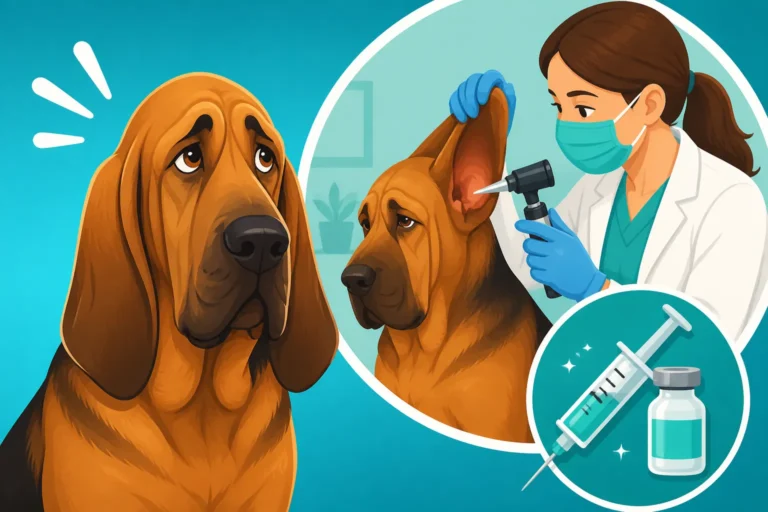
Upon arrival at the emergency clinic with a suspected bloat case, your Bloodhound will immediately undergo a battery of crucial diagnostic tests and stabilization procedures. This isn't just a simple check-up. The emergency team will typically perform:
- X-rays: Crucial for confirming the diagnosis of GDV and assessing the degree of stomach rotation. This is usually done very quickly after arrival.
- Bloodwork: A full blood panel, including a complete blood count (CBC), chemistry profile, and often a lactate level, helps assess the dog's overall health, hydration status, and the extent of organ damage. Elevated lactate levels, for instance, can indicate tissue necrosis and a poorer prognosis.
- Intravenous (IV) fluids: Essential for combating shock and stabilizing blood pressure, which is often severely compromised in bloat cases. Large-bore IV catheters are placed immediately to deliver fluids rapidly.
- Pain medication: Critically important for the dog's comfort and to reduce stress, which can worsen shock.
- Oxygen therapy: Many dogs with bloat have difficulty breathing due to the pressure on their diaphragm, so supplemental oxygen is often administered.
These initial steps are non-negotiable and cannot wait. They require immediate access to advanced equipment, a fully stocked pharmacy, and trained personnel who can interpret results and administer treatments under intense pressure. The cost of these diagnostics and stabilization efforts is often a significant portion of the initial emergency bill, reflecting the critical resources consumed in this urgent phase.
The Surgical Procedure Itself: More Than Just Untwisting
The surgery for GDV is complex, demanding, and requires a highly skilled surgical team. It's not merely about "untwisting" the stomach; it involves a series of critical steps to address the immediate crisis and prevent future occurrences.
The Intricacies of Gastric Dilatation-Volvulus GDV Repair
Once your Bloodhound is stabilized, they will be rushed to surgery. The surgeon's primary tasks are to carefully de-rotate the stomach and then assess the viability of the stomach wall and other abdominal organs. The process typically involves:
- Decompression: The stomach, often tightly distended, needs to be carefully decompressed, sometimes using a needle or tube, to allow for easier manipulation.
- De-rotation: The twisted stomach is then carefully returned to its normal anatomical position. This can be challenging due to the size and weight of the organ.
- Assessment of Organ Damage: This is a crucial step. The surgeon meticulously examines the stomach wall for areas of necrosis (dead tissue) due to compromised blood supply. If portions of the stomach are severely damaged, they may need to be removed, which complicates the surgery and increases recovery time. The spleen, which often gets entangled and damaged during the torsion, also needs to be assessed. In many cases, if the spleen's blood supply is compromised or it's severely damaged, a splenectomy (removal of the spleen) is necessary. You might be surprised to learn Whether a Bloodhound Loses Its Spleen to Bloat, but it's a common, life-saving measure.
- Gastropexy: Perhaps the most critical part of the surgery, once the stomach is back in place, is to perform a gastropexy. This procedure involves surgically attaching the stomach to the abdominal wall to prevent future twisting. While it doesn't prevent dilation (the stomach filling with gas), it significantly reduces the risk of recurrence of the life-threatening volvulus. It's often included as part of the emergency surgery to prevent a second, potentially fatal, bloat episode. Therefore, understanding Whether a Bloodhound's Bloat Surgery Includes the Gastropexy is important, as it's almost always part of the procedure. This complex surgery, especially under emergency conditions, requires an experienced veterinary surgeon and a skilled surgical support team.
Post-Operative Care in an Emergency Setting
The surgery itself is only half the battle. The post-operative period for a Bloodhound recovering from bloat is intensive and critical, often requiring several days of hospitalization in the emergency facility's ICU. This extended, specialized care further contributes to the higher costs.
During recovery, your Bloodhound will need:
- Continuous monitoring: This includes vital signs (heart rate, respiratory rate, temperature), ECG monitoring for cardiac arrhythmias (which are common after bloat due to toxins released from damaged tissues), blood pressure checks, and oxygen saturation.
- Intravenous fluids and medications: Continued IV fluids are essential for hydration and supporting circulation, along with strong pain medications, antibiotics to prevent infection, and drugs to manage stomach motility or arrhythmias.
- Nutritional support: Carefully introduced feeding, often starting with small, frequent meals of easily digestible food. Brands like Ollie or Chewy offer a variety of options that might be suitable for post-op recovery, though your vet will recommend specifics.
- Dedicated nursing care: Licensed veterinary technicians provide round-the-clock observation, administer medications, monitor catheters, and ensure comfort. This level of one-on-one attention is critical for a patient recovering from such a traumatic event.
The duration of this intensive care varies, but it's common for a Bloodhound to need to stay in the hospital for multiple days. For a better understanding of the typical stay, you can look into How Long a Bloodhound Stays In After Bloat Surgery. This constant vigilance and specialized care provided by a dedicated emergency team significantly drive up the daily hospitalization costs, especially during those after-midnight hours when staffing costs are at their peak.
Financial Implications and Planning for the Unforeseen
The cost of emergency bloat surgery for a Bloodhound can be staggering, easily reaching into the thousands of dollars. Understanding the components of this bill and having a plan in place is crucial for any Bloodhound owner.
Understanding Emergency Surcharges and Fees
One of the most immediate reasons for the higher cost after midnight is the application of emergency surcharges. Many emergency veterinary clinics have a higher base examination fee for after-hours visits, often referred to as an "emergency fee" or "after-hours surcharge." This fee is applied simply for bringing your pet in outside of regular business hours, regardless of the severity of the condition. It helps offset the increased operational costs of maintaining a 24/7 facility and having staff ready at any moment.
Beyond the initial fee, every service performed—from diagnostics like X-rays and bloodwork to the complex surgery and intensive post-operative care—will also have a higher associated cost during emergency hours. This means that if a full surgical team, anesthesiologist, and multiple technicians are called in specifically for your Bloodhound's bloat surgery at 2 AM, those individuals' time and expertise are billed at a premium rate. It's not uncommon for clinics to have a tiered pricing structure, with the highest rates applied during overnight hours, weekends, and holidays. These surcharges ensure the clinic can continue to provide essential life-saving services when most other businesses are closed.
The Role of Pet Insurance and Emergency Funds
Facing a bill of several thousand dollars in the middle of a crisis is incredibly stressful. This is where proactive financial planning becomes a lifesaeline.
Pet Insurance: Companies like Healthy Paws offer pet insurance plans that can cover a significant portion of emergency veterinary bills, including those for bloat surgery. However, it's crucial to understand the specifics of your policy, including the deductible, reimbursement percentage, and any waiting periods for specific conditions. If your Bloodhound develops bloat within a waiting period, the policy may not cover it. Therefore, enrolling your Bloodhound in pet insurance as early as possible is highly recommended. It’s also wise to check if your chosen policy caps payouts for conditions like bloat, though many comprehensive plans do not for emergency care.
Emergency Fund: Even with pet insurance, you'll still be responsible for the deductible and the unreimbursed portion of the bill. This is why building a dedicated emergency fund for your Bloodhound is paramount. Many experienced owners recommend having at least a few thousand dollars readily accessible. Knowing Whether a Bloodhound Owner Needs an Emergency Fund isn't a question, it's a certainty. This fund provides peace of mind and allows you to make medical decisions based on what's best for your dog, rather than being limited by immediate financial constraints.
Credit and Financing: In desperate situations, some veterinary hospitals partner with third-party financing companies (like CareCredit) that offer deferred interest payment plans. While these can be a lifesaver, they do require credit approval and diligent repayment to avoid high interest charges. It's an option to explore if you find yourself in an emergency without sufficient funds or insurance.
Mitigating Bloat Risk and Associated Costs
While you can't entirely eliminate the risk of bloat in a Bloodhound, you can take significant steps to reduce its likelihood and lessen the financial blow if it does occur.
Proactive Measures and Their Costs
Prevention and preparedness are your best allies against the exorbitant costs of emergency bloat surgery.
Preventive Gastropexy: One of the most impactful proactive measures is a prophylactic gastropexy. This elective surgery, performed before bloat occurs, permanently tacks the stomach to the abdominal wall, preventing it from twisting. While it doesn't stop the stomach from dilating with gas, it effectively prevents the deadly volvulus. The cost of a planned gastropexy is significantly lower than an emergency bloat surgery because it's scheduled, performed during regular business hours, and typically involves a healthier patient. Consider researching The Case for Tacking a Bloodhound's Stomach Down Early and asking your veterinarian about the cost of a preventive gastropexy on a Bloodhound compared to the emergency procedure. Often, owners choose to combine this with a spay or neuter to minimize anesthesia events and cost. For example, comparing What a Preventive Gastropexy Costs on a Bloodhound to an emergency surgery highlights the financial wisdom of this choice.
Feeding Practices: How you feed your Bloodhound can also play a role in reducing bloat risk. Splitting their daily food allowance into two or three smaller meals instead of one large one is often recommended. Avoid strenuous exercise or excessive water intake immediately before or after meals. Using a slow-feeder bowl can help prevent your Bloodhound from gulping down their food too quickly. Brands like Chewy offer a wide array of slow-feeder bowls and puzzle feeders. High-quality dog food from reputable sources, whether traditional kibble or fresh food options like Ollie, can also contribute to overall digestive health, but remember that even the best diet doesn't entirely remove bloat risk. You can learn more about specific dietary strategies in articles like Feeding a Bloodhound So It Does Not Bloat.
Being Prepared for the Worst-Case Scenario
Even with the best preventive measures, bloat can still strike. Being prepared for the worst-case scenario means knowing exactly what to do and where to go.
- Know Your Emergency Vet: Before an emergency hits, identify the nearest 24-hour emergency veterinary hospital. Program their number into your phone, know their location, and understand their intake procedures. Don't wait until you're in a panic. It's always a good idea to know Whether a Bloodhound Owner Should Call Ahead to the Clinic when you're on your way with a suspected bloat case, as this allows them to prepare for your arrival.
- Recognize the Signs: Educate yourself and every member of your household on the subtle and obvious signs of bloat. Early recognition is critical for a positive outcome. These include a distended abdomen, unproductive retching, restlessness, pain when touched around the abdomen, pale gums, and weakness.
- Immediate Transport: Have a plan for immediate transport. This means ensuring your vehicle is always ready and you have someone who can help you safely load a large, distressed Bloodhound if needed.
- Financial Readiness: Whether through a robust pet insurance policy (like those from Healthy Paws) or a dedicated savings account, ensure you have access to funds that can cover a significant emergency vet bill. The stress of a medical emergency is hard enough without the added burden of financial panic.
By understanding why after-midnight bloat emergencies are so costly and taking proactive steps, you can significantly improve your Bloodhound's chances of survival and ease the financial strain on yourself. It's an investment in their health and your peace of mind.
Comparison of Prophylactic vs. Emergency Gastropexy Costs
While specific prices vary widely by region and veterinary practice, this table illustrates the general differences in cost factors between a planned, preventive gastropexy and an emergency gastropexy performed during a bloat crisis.
| Feature | Prophylactic Gastropexy (Planned) | Emergency Gastropexy (During GDV) |
|---|---|---|
| Timing | Scheduled during regular business hours | Unscheduled, after-hours (nights, weekends, holidays) |
| Patient Status | Healthy, stable, non-critical | Critical, in shock, rapidly deteriorating |
| Primary Goal | Prevent future GDV episodes | Life-saving treatment for immediate GDV |
| Diagnostic Workup | Routine pre-anesthetic bloodwork, possibly imaging | Urgent X-rays, extensive bloodwork, lactate, ECG, emergency stabilization |
| Surgical Complexity | Generally straightforward, less risk due to healthy patient | Highly complex, involves de-rotation, tissue assessment, possible splenectomy |
| Anesthesia Risk | Lower | Significantly higher due to patient's critical condition |
| Hospital Stay | Typically 1-2 days | Often 3-5+ days in intensive care |
| Post-Op Monitoring | Routine recovery monitoring | Intensive 24/7 monitoring for shock, arrhythmias, pain management |
| Associated Costs | Surgeon's fee, anesthesia, hospitalization, medications | Emergency surcharges, higher fees for all services, extensive ICU care |
| Overall Cost (General) | Considerably lower (often thousands less than emergency surgery) | Very high (can reach into tens of thousands in severe cases) |
| Insurance Coverage | May be covered if part of a wellness plan or specific rider (check policy) | Generally covered by accident/illness policies (after deductible) |
Disclaimer
This article is for general informational purposes only and does not constitute professional advice. Laws, prices and regulations vary by location and change over time. Consult a qualified professional for guidance on your specific situation.