Whether Ear Cleaning Should Start in Puppyhood for a Bloodhound
The droopy, magnificent ears of a Bloodhound are truly one of their most iconic features, but let's be real – they're also a constant source of worry for us owners. That long, heavy ear leather, those deep folds, they create an environment where problems can brew faster than you can say "scent trail." It's a question many new Bloodhound parents wrestle with: when should you actually start cleaning those ears? The simple, empathetic answer is, the moment you bring your puppy home. This guide will walk you through why starting early is not just beneficial, but absolutely essential for your Bloodhound's lifelong health and your sanity.
Understanding the Bloodhound's Ear Predicament
Before we even talk about cleaning, it's crucial to understand why Bloodhound ears are such a management challenge. It's not just about looking cute; their unique anatomy is a blueprint for potential health issues that demand proactive attention.
The Anatomy of a Challenge
Picture those long, heavy ear flaps, often reaching past their muzzle. These aren't just for show; they actually help sweep scent towards their incredible noses when they're working a trail. However, what's a fantastic adaptation for scent work becomes a major headache for hygiene. These ears effectively seal off the ear canal, creating a warm, dark, and often damp environment with very little airflow. Think of it as a tiny, furry greenhouse for bacteria and yeast.
This lack of air circulation means moisture gets trapped easily. Whether it's from bath time, a romp in dewy grass, or just the natural secretions of the ear, that moisture has nowhere to go. Add to that the fact that Bloodhounds have a lot of hair inside their ear canals, which can also trap debris and further reduce airflow. It’s a perfect storm for microbes to flourish. This is a common frustration for Bloodhound owners, as it feels like you're constantly fighting against nature itself. You can find more details on Why a Bloodhound's Ear Canal Stays Damp and Whether a Bloodhound's Ear Leather Blocks Airflow to understand the full scope of this issue.
The Hidden Risks and Costs
If left unmanaged, this warm, moist environment quickly becomes a breeding ground for infections. We're not talking about just a little itch; these can be painful, persistent, and debilitating conditions. Yeast infections often present with a distinct, pungent odor and dark, waxy discharge, while bacterial infections can be even more severe, leading to thick pus and intense pain. Your poor hound might constantly shake its head, scratch at its ears, or even cry out when you touch them.
Beyond the immediate discomfort for your beloved companion, chronic ear infections can lead to serious long-term problems. The inflammation can cause the ear canal to narrow and scar, making future infections even harder to treat. In severe cases, constant head shaking can lead to aural hematomas—blood blisters on the ear flap that often require surgical draining. Eventually, untreated chronic infections can even lead to hearing loss or necessitate a total ear canal ablation, a major and expensive surgery. Knowing A Bloodhound's Ears Are a Standing Infection Risk is crucial for any owner, and understanding What a Bloodhound's Ear Infection Costs to Treat will quickly show you the financial burden of neglect. It’s a burden you really don't want to carry, both for your dog's sake and your wallet.
Why Puppyhood is the Golden Window for Ear Care
Given the inherent challenges of Bloodhound ears, prevention and early intervention are your best friends. And there's no better time to start than when your Bloodhound is a curious, adaptable puppy.
Building Positive Associations
Bringing a new puppy home is a whirlwind of discovery for them. Everything is new, and they're learning how to interact with their world – and with you! This is your golden opportunity to introduce ear cleaning as a normal, even pleasant, part of their routine. A puppy's brain is like a sponge, soaking up experiences. If their first encounters with ear cleaning are gentle, positive, and paired with delicious treats, they're far more likely to accept it throughout their lives.
Imagine trying to wrestle an adult, 100-pound Bloodhound who's never had its ears touched and finds the experience terrifying. It's a battle you'll likely lose, and it could lead to you needing veterinary sedation for routine care, which adds stress and cost. Starting early means your puppy learns that ear handling means yummy rewards and gentle praise, not a scary, painful ordeal. It turns a potential struggle into a cooperative activity. Learning How to Hold a Bloodhound Still for Ear Cleaning as a puppy will save you immense effort down the line, and understanding that Whether a Bloodhound Learns to Accept Ear Cleaning truly depends on those early experiences is key.
Establishing an Unbreakable Routine
Consistency is paramount when it comes to Bloodhound ear care. By starting a regular cleaning schedule in puppyhood, you establish a routine that becomes second nature for both you and your dog. It's not just about the physical act of cleaning; it's about embedding this habit into your weekly (or even more frequent) grooming schedule. Your puppy will come to expect it, and you'll develop the muscle memory and confidence needed to do it effectively.
This early routine also allows you to quickly recognize what a "normal" Bloodhound ear looks like and smells like. You'll become intimately familiar with the healthy appearance of their ear canal, the typical amount of ear wax, and any characteristic scent. This familiarity empowers you to spot the subtle first signs of trouble – a slight increase in redness, a faintly off odor, or a tiny bit more discharge than usual – before it escalates into a full-blown infection. Early detection means faster, less invasive, and cheaper treatment. It truly sets the foundation for a lifetime of healthier ears.
Practical Steps for Your Bloodhound Puppy's Ear Regimen
So, you're convinced that starting early is the way to go. Now, let's get down to the practicalities of how to actually do it without turning it into a wrestling match.
Gathering Your Tools and Choosing the Right Cleaner
Before you begin, make sure you have everything you need laid out. This minimizes fumbling and keeps the experience calm and efficient. You'll want:
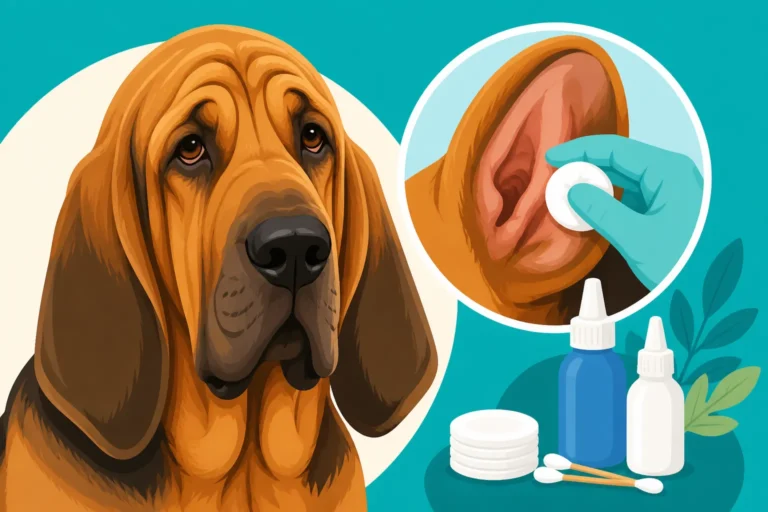
- Veterinary-approved ear cleaner: This is non-negotiable. Do not use alcohol, hydrogen peroxide, or home remedies without consulting your vet. There are many gentle, pH-balanced solutions designed specifically for canine ears. You can find excellent options from brands like Virbac or Zymox readily available on online retailers like Chewy or Amazon. Ask your vet for a recommendation, especially one formulated for waxy or yeast-prone ears. Knowing What to Clean a Bloodhound's Ears With specifically can save you a lot of trial and error.
- Cotton balls or gauze squares: These are for wiping away debris and excess cleaner. Avoid cotton swabs (Q-tips) for deep cleaning inside the canal, as they can push debris further in and damage delicate structures.
- Plenty of high-value treats: Think small, soft, super-tasty treats your puppy absolutely loves.
- A towel: Especially for after you've applied the cleaner, as your puppy will likely shake its head!
- A quiet, comfortable space: Somewhere you and your puppy can relax without distractions.
A Gentle Step-by-Step Cleaning Guide
With your supplies ready, approach ear cleaning as a calm, positive interaction. Remember, patience is your best friend.
- Get Comfortable: Have your puppy in a comfortable position, perhaps sitting or lying down with their head in your lap. Start by simply petting their head and ears.
- Lift and Look: Gently lift one of your Bloodhound's ear flaps to expose the ear canal. Take a moment to just look inside. Praise and reward for tolerance.
- Apply Cleaner: Following the instructions on your cleaner, fill the ear canal with the solution. Don't be shy; you want to thoroughly flush it. Most cleaners will have a nozzle designed to prevent you from going too deep.
- Massage: Keep the ear flap held down and gently massage the base of the ear for about 20-30 seconds. You should hear a squishy sound as the cleaner breaks up wax and debris. This part feels good to many dogs!
- Let Them Shake: Release the ear flap and let your puppy shake its head. This helps dislodge loosened debris and cleaner. Be ready with your towel to catch any spray!
- Wipe Clean: Use your cotton balls or gauze to gently wipe the visible parts of the ear flap and the outer opening of the ear canal. Don't probe deep with your fingers or any object. You're just cleaning what you can easily see and reach.
- Reward Heavily: Immediately after, offer lots of praise and those high-value treats. Make it the best part of the whole process.
- Repeat: Move to the other ear and repeat the process.
The frequency of cleaning really depends on your individual Bloodhound, but a good starting point for prevention is once a week. If your dog is prone to issues, you might increase it to twice a week or as directed by your vet. Here's a quick guide:
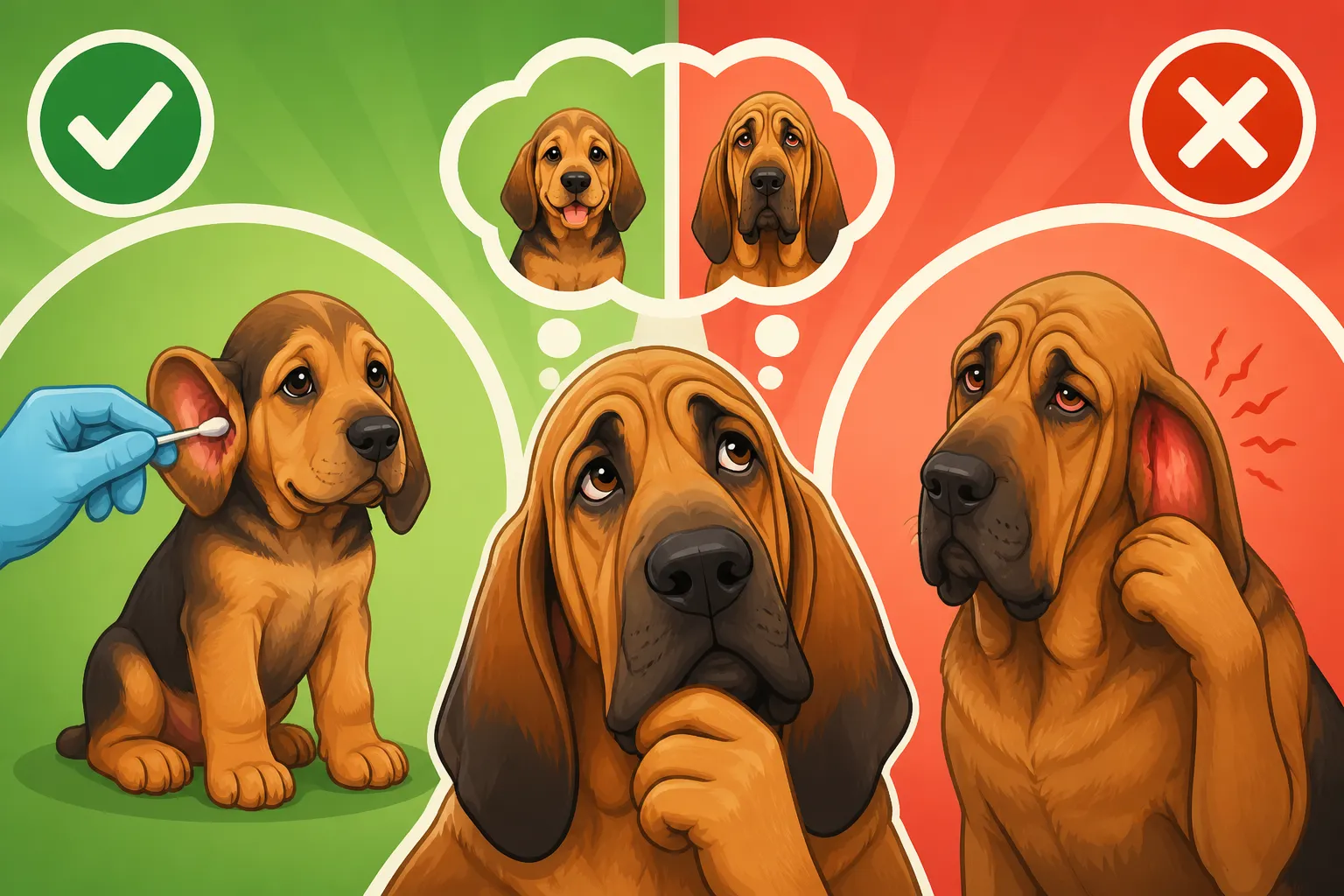
| Feature | Healthy Bloodhound Ear | Potentially Infected Bloodhound Ear |
|---|---|---|
| Odor | Mild, slightly waxy, or odorless | Strong, yeasty, foul, or pungent |
| Discharge | Minimal, light brown or clear wax | Excessive dark brown, black, yellow, green, or pus-like matter |
| Color | Pale pink | Red, inflamed, swollen |
| Temperature | Cool to the touch | Warm or hot to the touch |
| Behavior | No signs of discomfort, normal head carriage | Head shaking, scratching, pawing, rubbing, painful to touch |
| Cleaning Needs | Weekly preventative cleaning | Immediate veterinary attention, possibly more frequent cleaning |
Recognizing Trouble Early
Even with a diligent cleaning routine, Bloodhounds can still sometimes get ear infections. The key is to catch them at the very first sign. Become familiar with the subtle cues your puppy might give. This includes increased head shaking, persistent scratching at the ears, or a change in the ear's odor or discharge. You might also notice redness inside the ear flap, swelling, or your puppy holding one ear slightly lower than the other.
If you observe any of these symptoms, don't wait. Contact your veterinarian promptly. Early intervention can prevent a minor irritation from becoming a severe, painful, and costly infection. Never try to diagnose or treat a suspected infection yourself with leftover medications or home remedies. A vet needs to assess the ear, determine the type of infection (bacterial, yeast, or both, or even mites), and prescribe the appropriate medication. You can read more about Signs a Bloodhound's Ear Is Infected to help you identify these issues quickly.
The Lifelong Rewards of Early Ear Care
The time and effort you invest in your Bloodhound puppy's ear care, starting from day one, will pay dividends throughout their entire life. This isn't just about avoiding problems; it's about fostering a healthier, happier hound and a stronger bond between you.
Preventing Chronic Pain and Serious Illness
By establishing regular, gentle ear cleaning from puppyhood, you drastically reduce the likelihood of your Bloodhound developing painful, chronic ear infections. Chronic ear problems are not just an annoyance; they can significantly diminish your dog's quality of life, leading to constant discomfort, irritability, and even aggression due to pain. A dog that is constantly battling itchy, painful ears cannot focus on training, enjoy playtime, or fully engage with their family.
Regular cleaning helps keep the ear canal environment balanced, discouraging the overgrowth of opportunistic pathogens. This proactive approach can prevent the need for strong antibiotics, antifungals, and even invasive surgeries like ear canal ablation. It means less time at the vet for painful ear treatments and more time enjoying adventures with your healthy hound. It’s also important to realize When a Bloodhound's Ear Infection Becomes Permanent if not managed properly, which is a situation no owner wants to face.
A Healthier, Happier Bloodhound (and Owner)
Ultimately, consistent ear care translates into a healthier, happier Bloodhound. A dog free from the irritation and pain of ear infections is a more comfortable, more confident, and more cooperative companion. They'll be more eager to learn, more playful, and simply more enjoyable to be around. Think of the peace of mind you'll have, knowing you're doing everything you can to prevent a common and often debilitating issue for your breed.
From a practical standpoint, preventative care is almost always less expensive than treating a severe, chronic problem. While you'll invest in ear cleaner and cotton balls from reputable sources like Chewy or Amazon, these costs pale in comparison to emergency vet visits, long courses of prescription medications, or surgical interventions. The routine for How Often a Bloodhound's Ears Need Cleaning might seem frequent, but it's a small commitment for such a huge return on investment in their health. By starting early and staying consistent, you're giving your Bloodhound the gift of comfortable, healthy ears, allowing them to focus on what they do best: being an incredible, scent-driven companion.
Disclaimer
This article is for general informational purposes only and does not constitute professional advice. Laws, prices and regulations vary by location and change over time. Consult a qualified professional for guidance on your specific situation.