Whether a Bloodhound Needs a Cardiac Exam Before Breeding
As a Bloodhound owner and enthusiast, you know that bringing these magnificent, scent-driven hounds into the world is a huge responsibility. It’s natural to feel a bit overwhelmed when you start looking at all the health screenings recommended for breeding, and one question that often comes up, especially for such a large breed, is about their heart health. Deciding whether your beloved Bloodhound needs a cardiac exam before breeding isn't just a box to check; it’s about safeguarding the future of the breed and ensuring the health and happiness of countless puppies and their families down the line. This guide will walk you through everything you need to know about cardiac health and breeding Bloodhounds.
The Essential Role of Cardiac Screening in Bloodhound Breeding
It’s no secret that Bloodhounds, like many large and giant dog breeds, come with their own unique set of health considerations. Their powerful frames and deep chests are iconic, but they also bring certain predispositions to health challenges, including those affecting the heart. For any responsible breeder, understanding and proactively addressing these potential issues is paramount.
Why Heart Health is a Significant Concern for Large Breeds
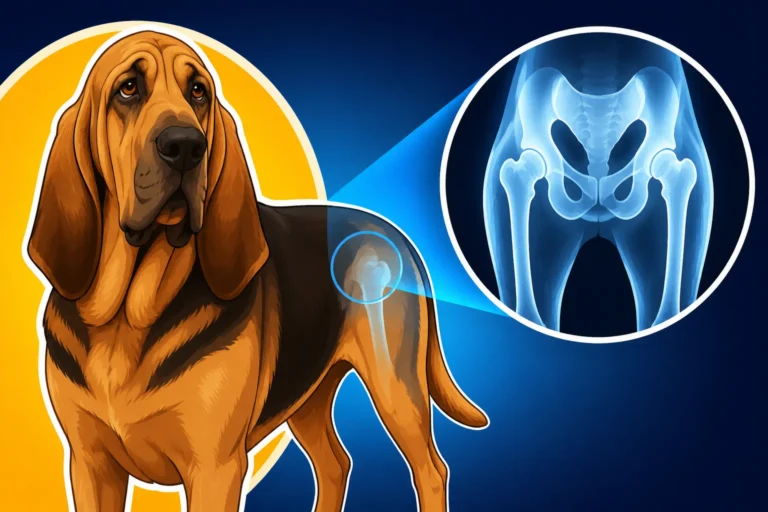
When we talk about large dog breeds, there's often a heightened awareness around joint issues like Hip and Elbow Dysplasia in the Bloodhound, but cardiac health is equally, if not more, critical. Larger dogs often have hearts that work harder to circulate blood throughout their extensive bodies. This increased workload, combined with genetic factors, can predispose them to certain heart conditions that might not be as prevalent or severe in smaller breeds. Imagine a pump designed to move water through a small garden hose versus one powering a city's main water supply – the demands are vastly different, and the potential for wear and tear can be greater. For Bloodhounds, their sheer size and robust build mean their cardiovascular system is under constant demand, making thorough cardiac assessment a non-negotiable part of responsible breeding practices.
Common Cardiac Conditions Affecting Bloodhounds
While Bloodhounds are generally a hardy breed, they aren't immune to inherited cardiac diseases. One of the most significant concerns for Bloodhounds, as for many large breeds, is Dilated Cardiomyopathy, or DCM. This condition causes the heart muscle to become thin and weak, leading to an enlarged heart that struggles to pump blood effectively. Dogs with DCM can develop congestive heart failure, irregular heart rhythms, and, tragically, sudden death. Another condition sometimes seen in larger breeds, though less frequently cited specifically for Bloodhounds compared to some other breeds, is Subvalvular Aortic Stenosis (SAS), a narrowing below the aortic valve that obstructs blood flow from the heart.
It's crucial to understand that these conditions can be insidious, often progressing silently in the early stages without obvious symptoms. A dog might appear perfectly healthy and active, yet harbor a genetic predisposition or early signs of heart disease. This silent progression is precisely why pre-breeding cardiac exams are so vital. Relying solely on observable symptoms means that by the time a problem is noticed, it may be advanced, and potentially passed on to offspring. The goal of screening is to identify these issues before they manifest clinically, protecting the health of the potential breeding animal and preventing the propagation of genetic diseases. Knowing the signs a Bloodhound's heart is failing is important for owners, but breeders need to be proactive. You can learn more about Heart Disease in the Bloodhound in our detailed guide.
The Ethical Imperative of Pre-Breeding Screening
For a dedicated Bloodhound breeder, the decision to screen isn't just about compliance; it's an ethical cornerstone. Each puppy born carries the genetic legacy of its parents. To knowingly breed a dog with an inherited heart condition is to potentially condemn an entire litter to a shortened lifespan, chronic illness, and significant veterinary expenses for their future families. The cost of emergency vet visits and potential surgeries, like what might happen if a serious condition goes undiagnosed, can be astronomical. A Bloodhound's money is indeed spent in the operating room for unexpected emergencies.
Prospective puppy buyers, understandably, want assurance that their new family member has the best possible start in life. Providing documentation of comprehensive health screenings, including cardiac exams, builds trust and demonstrates a commitment to the long-term health and well-being of the breed. It shows that you prioritize health over convenience or profit, upholding the integrity of the Bloodhound line. This diligence protects the breed's future, preserves its reputation, and ensures that the magnificent qualities we cherish in Bloodhounds are passed on responsibly, reducing the prevalence of devastating genetic conditions.
What a Thorough Cardiac Exam for Breeding Entails
When you decide to pursue a cardiac exam for your breeding Bloodhound, it’s not just a quick listen with a stethoscope. While that’s certainly the first step, a comprehensive evaluation involves a suite of diagnostics designed to provide a clear picture of your dog's heart health. This multi-faceted approach is what truly gives breeders peace of mind.
Initial Veterinary Assessment and Auscultation
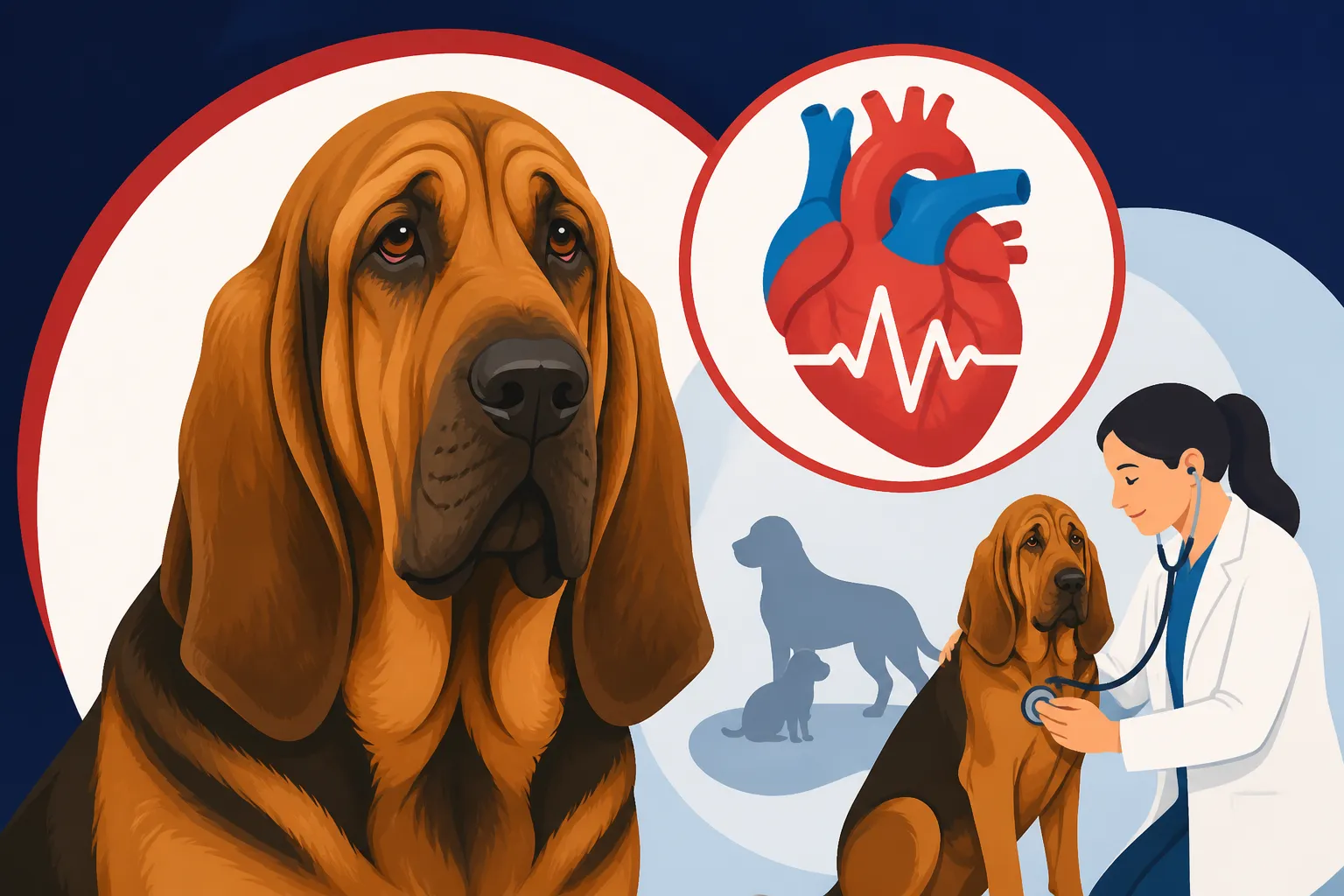
Every good cardiac exam starts with a thorough physical assessment by your veterinarian. They’ll listen to your Bloodhound’s heart with a stethoscope – a process known as auscultation – to check for any abnormal sounds, most notably heart murmurs. A heart murmur is essentially an extra sound caused by turbulent blood flow through the heart. Now, it’s important to remember that not all murmurs are cause for alarm. Sometimes, particularly in large, rapidly growing puppies or very athletic dogs, a "physiologic" or "innocent" murmur can be detected, which doesn't indicate structural heart disease. However, any murmur, regardless of perceived severity, warrants further investigation when considering a dog for breeding.
Your vet will also check your dog’s pulse, assess their gum color, and feel for any abnormalities in their chest. They'll also review your Bloodhound's history, noting any instances of lethargy, exercise intolerance, coughing, or fainting, though these are often signs of more advanced disease. This initial step serves as a crucial filter, guiding the decision on whether more advanced diagnostics are needed. If your general practitioner detects anything suspicious, or if they simply recommend a specialist due to the breed's predispositions, the next steps will involve a board-certified veterinary cardiologist.
Advanced Diagnostics: Echocardiogram and Holter Monitoring
For a true breeding evaluation, relying solely on auscultation isn't enough. The gold standard for assessing heart health in breeding dogs involves specialized diagnostics:
-
Echocardiogram: This is essentially an ultrasound of the heart. It provides real-time images of the heart's structure, allowing the cardiologist to visualize the heart chambers, valves, and major blood vessels. They can measure the thickness of the heart muscle, the size of the chambers, and observe how well the heart is contracting and relaxing. An echocardiogram can detect subtle changes indicative of conditions like DCM, SAS, or other structural abnormalities that might lead to Heart Disease in the Bloodhound. It's non-invasive and provides invaluable information that a stethoscope simply cannot. During the exam, your Bloodhound will lie calmly on a padded table, often on their side, while the cardiologist uses a probe with gel to capture images. It typically requires a calm demeanor from your dog, but rarely sedation.
-
Holter Monitoring: A Holter monitor is a portable ECG device that your Bloodhound wears for 24 hours. While an echocardiogram looks at the heart’s structure, a Holter monitor assesses its electrical activity over an extended period. This is particularly useful for detecting intermittent arrhythmias (irregular heartbeats) that might not be present during a brief exam at the clinic. Some cardiac conditions, especially certain forms of DCM, can manifest as dangerous arrhythmias before significant structural changes are visible on an echo. The monitor is usually housed in a small vest or wrapped device that your dog wears comfortably during their normal daily activities. The data collected helps the cardiologist identify if there are any concerning irregular heart rhythms that could impact the dog's health or be passed on.
These advanced tests are often performed by a board-certified veterinary cardiologist, who has specialized training in interpreting these complex results. Their expertise is vital for making accurate diagnoses and providing precise recommendations for breeding.
Interpreting Results and Making Breeding Decisions
Once the cardiologist has completed the exams, they will provide a detailed report outlining their findings. This report is critical for making informed breeding decisions.
- Clearance: If your Bloodhound receives a "clear" report, meaning no significant cardiac abnormalities were detected, you can proceed with breeding with greater confidence regarding heart health. This doesn't mean zero risk, but it significantly reduces the likelihood of passing on inherited cardiac disease.
- Minor Findings: Sometimes, minor findings might be noted that are not considered immediately disqualifying but warrant careful consideration or re-evaluation. The cardiologist will provide guidance on whether these findings could progress or have genetic implications.
- Significant Findings: If a significant cardiac disease is diagnosed, such as early-stage DCM or a severe murmur indicative of structural defect, the responsible decision is typically to remove that individual from your breeding program. This is often a heartbreaking decision, especially if the dog is otherwise exceptional, but it's essential for protecting the breed.
The Orthopedic Foundation for Animals (OFA) maintains a public database for cardiac clearances, similar to those for hips and elbows. Submitting your Bloodhound's cardiac exam results to OFA allows for transparency and contributes valuable data to the breed's overall health statistics. Prospective puppy owners can then easily verify the health clearances of your breeding dogs, which is a huge benefit to anyone looking for a well-bred Bloodhound.
Guidelines and Recommendations for Bloodhound Breeders
Navigating the world of health clearances for breeding can feel like a labyrinth, but thankfully, established guidelines exist to help Bloodhound breeders make the best choices for their dogs and the future of the breed. Adhering to these recommendations is a hallmark of a truly dedicated breeder.
American Bloodhound Club and OFA Recommendations
The American Bloodhound Club (ABC) is the national parent club for the breed in the United States, and as such, it plays a critical role in promoting the health and well-being of Bloodhounds. The ABC strongly encourages, and in many cases, outright recommends, specific health screenings for breeding animals. For cardiac health, they typically align with the recommendations from the Orthopedic Foundation for Animals (OFA).
The OFA's Cardiac Database is a voluntary certification program that allows breeders to screen their dogs for congenital and adult-onset cardiac diseases. For Bloodhounds, the OFA recommends a cardiac evaluation performed by a board-certified veterinary cardiologist (Diplomate of the American College of Veterinary Internal Medicine, Cardiology specialty). This evaluation should include auscultation for murmurs and, crucially, an echocardiogram. The OFA emphasizes the importance of these thorough evaluations because many inherited heart diseases can be subtle in their early stages and require advanced imaging to detect. By following these guidelines, breeders contribute to a robust database that tracks the prevalence of cardiac issues, helping to reduce their incidence over generations. This process is part of what the American Bloodhound Club asks breeders to screen for, beyond just looking at obvious physical traits.
The Timing and Frequency of Cardiac Exams
So, when is the best time to have these critical exams done? For breeding purposes, the OFA provides specific age guidelines. Generally, for a preliminary cardiac evaluation, dogs can be screened as early as 12 months of age. However, for a definitive cardiac clearance for breeding, the OFA recommends that the echocardiogram and auscultation be performed after the dog is 12 months old, and ideally repeated closer to the actual breeding time, especially if the dog is older. Some inherited heart conditions can be late-onset, meaning they might not manifest until a dog is a few years old.
If you have a potential breeding dog that's still young, say 18 months, a "preliminary" cardiac clearance might be acceptable, but many experienced breeders prefer a definitive clearance closer to the dog's prime breeding age, often around two to three years old. This offers a higher degree of certainty that the dog does not have an adult-onset condition. Regular follow-up exams, particularly before subsequent breedings, are also a wise practice, as a dog’s cardiac health can change over time. It’s an ongoing commitment, not a one-and-done check-up.
Financial Considerations and Long-Term Value
Let's be realistic: specialized cardiac exams can be an investment. An echocardiogram performed by a board-certified cardiologist, especially in a major metropolitan area like Dallas or Seattle, might range from $500 to $1,000 or more, and a 24-hour Holter monitor could add another few hundred dollars. These costs are a legitimate concern for breeders, especially those operating on a smaller scale. However, it's vital to view these expenses not as an optional add-on but as a fundamental cost of doing business responsibly in the breeding world.
Consider the alternative: breeding a Bloodhound with an undiagnosed heart condition. The financial and emotional toll on the puppy owners, and on you as the breeder, can be immense. Imagine a family getting a puppy that develops severe DCM by two years old, facing thousands of dollars in veterinary bills for diagnostics, medications, and ultimately, a shortened lifespan. Pet insurance providers like Healthy Paws exist to help owners manage these unexpected costs, but preventive screening reduces the chances of them being needed in the first place for inherited conditions. Investing in comprehensive cardiac screening upfront saves heartache and money in the long run. It protects your reputation, supports the health of the breed, and most importantly, ensures that the puppies you bring into the world have the best chance at a long, healthy, and happy life. It is the definition of long-term value.
Beyond the Cardiac Exam: A Holistic Approach to Breeding Bloodhounds
While cardiac health is a cornerstone of responsible Bloodhound breeding, it’s just one piece of a much larger puzzle. A truly dedicated breeder understands that a holistic approach, encompassing a wide array of health screenings and careful consideration of temperament and longevity, is what truly defines excellence.
Genetic Testing for Other Conditions
Bloodhounds, like all purebred dogs, have predispositions to other inherited conditions that breeders must address. Alongside cardiac evaluations, ethical breeders prioritize screenings for:
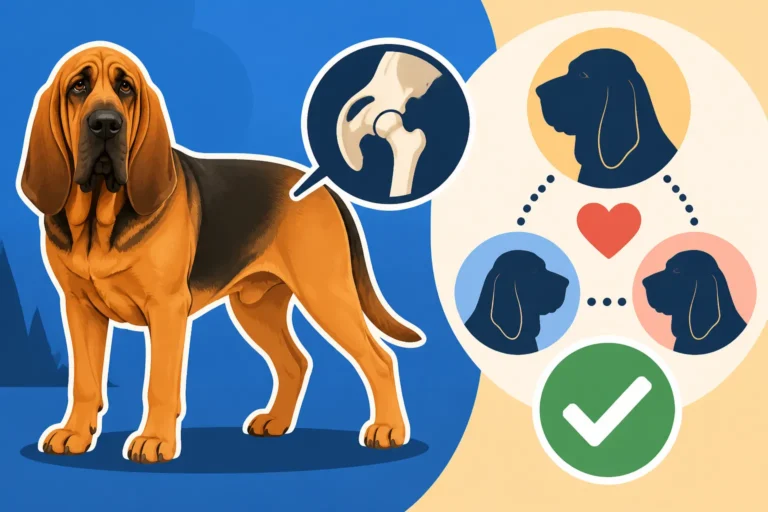
- Orthopedic Health: Hip and Elbow Dysplasia in the Bloodhound are unfortunately common concerns in large breeds. The OFA provides certification for these joints through X-rays, ensuring that breeding stock has structurally sound hips and elbows. This helps minimize the risk of painful arthritis and mobility issues in offspring.
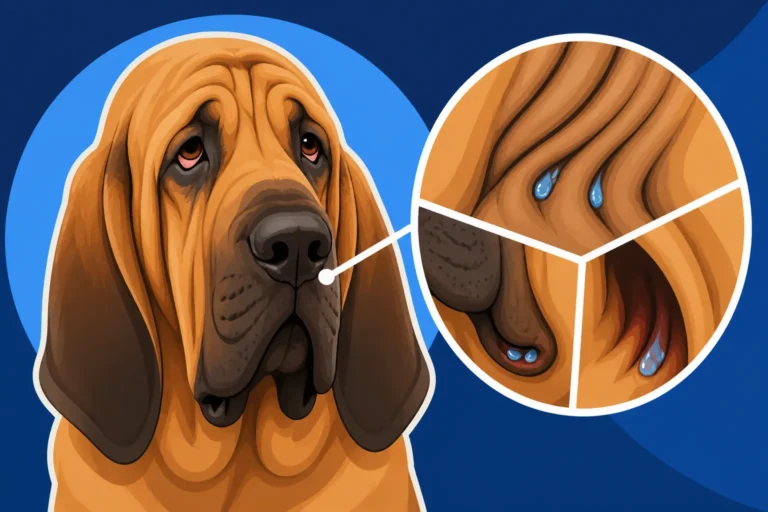
- Ocular Health: Bloodhounds are known for their distinctive, loose skin around their eyes, which can predispose them to certain eye conditions. Breeders should screen for issues like entropion (inward rolling eyelids), ectropion (outward drooping eyelids), and other inherited eye diseases. The American College of Veterinary Ophthalmologists (ACVO) offers eye certification exams to identify these problems. You can learn more about The Four Eye Problems a Bloodhound Is Born Toward to understand the range of issues.
- Thyroid Health: Hypothyroidism in a Bloodhound is another condition that can have a genetic component. Thyroid dysfunction can lead to a variety of health problems, including weight gain, skin issues, and lethargy. Testing for thyroid levels ensures that breeding dogs have healthy endocrine systems.
- Other Breed-Specific Concerns: Depending on emerging research and breed-specific concerns, breeders might also consider screenings for conditions like epilepsy or specific blood disorders. The landscape of canine genetic testing is constantly evolving, and staying current with the latest recommendations is key. For example, some breeders might even screen for genetic markers associated with increased bloat risk, though this is not a universal recommendation yet. Understanding What the American Bloodhound Club Asks Breeders to Screen will give you a full picture of their comprehensive recommendations.
A responsible breeder is not just avoiding problems; they're actively promoting health and vitality in every aspect of their breeding program. This multi-faceted approach ensures that the puppies they produce are not only beautiful but also robust and genetically sound.
Temperament and Longevity: The Complete Picture
Beyond physical health, a truly holistic breeding program considers temperament. Bloodhounds are renowned for their gentle, affectionate nature and unwavering determination on a trail. However, like any breed, individual temperaments can vary, and sometimes less desirable traits like excessive shyness, aggression, or extreme anxiety can have a genetic component. Breeding dogs should possess stable, typical Bloodhound temperaments, as this contributes significantly to their success as family companions or working dogs. The goal is to produce puppies that are confident, sociable, and well-adjusted.
Longevity is another critical, though often challenging, consideration. While Bloodhounds aren't known for being the longest-lived giant breed, with a median age of around 8-10 years, breeders strive to produce dogs that live full, healthy lives. By carefully selecting breeding stock that comes from lines known for good health and reasonable longevity, and by thoroughly screening for inherited conditions, breeders contribute to improving the overall lifespan and quality of life for future generations. This commitment means looking at the health of siblings, parents, and even grandparents. It's about preserving the incredible spirit of the Bloodhound for as long as possible. If you're a prospective owner, choosing a puppy from a breeder who emphasizes these factors offers significant benefits, and having pet insurance from a provider like Healthy Paws can provide an additional safety net for unexpected health issues, even with the best breeding practices.
Supporting Puppy Buyers: A Partnership in Health
Ultimately, all this meticulous screening and careful planning culminates in providing healthy, well-adjusted puppies to their forever homes. Responsible breeders don't just hand over a puppy; they provide a wealth of information, support, and a transparent health guarantee.
This includes:
- Sharing Health Clearances: Providing copies of all health certifications for both parents.
- Educating New Owners: Explaining potential breed-specific health concerns and how to mitigate risks, such as how to prevent bloat or how to keep a Bloodhound lean on purpose.
- Ongoing Support: Being available to answer questions and offer advice throughout the puppy's life.
When new owners choose a puppy from a breeder who has taken a holistic approach to health, they’re not just getting a dog; they're getting a partner for life, backed by generations of thoughtful breeding. It's a testament to the fact that while a Bloodhound's nose outvotes its handler on the trail, a breeder's conscience must always guide their decisions in the whelping box.
Disclaimer
The information provided in this article is for educational purposes only and is not a substitute for professional veterinary advice. Always consult with a qualified veterinarian or a board-certified veterinary cardiologist for any health concerns or before making any decisions related to your Bloodhound's care, breeding, or health screenings.