Whether Panosteitis Explains a Young Bloodhound’s Limp
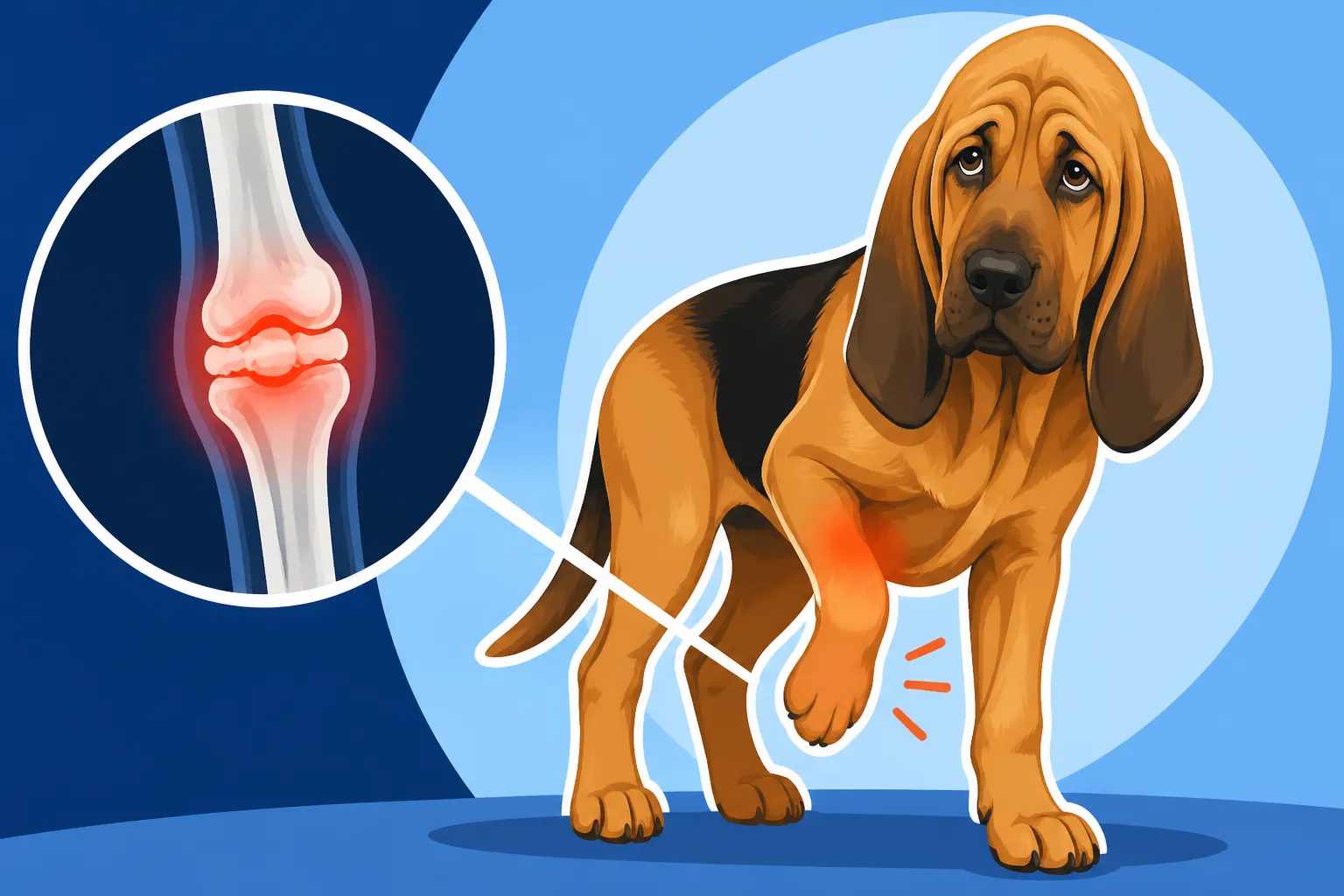
It’s incredibly unsettling to see your energetic Bloodhound puppy suddenly start limping. One day they're bounding around, full of boundless enthusiasm, and the next they're favoring a leg, often with no clear injury or event. Your mind immediately jumps to serious, expensive joint issues, but thankfully, sometimes the answer is a lot simpler. This guide is here to shed light on a common, yet often misunderstood, condition called panosteitis, which frequently explains why a young Bloodhound might limp, helping you understand what it is, how to recognize it, and what steps to take to bring your pup comfort.
Understanding Panosteitis in Young Bloodhounds
When your Bloodhound puppy suddenly develops a limp, especially without any apparent trauma, it can be a terrifying experience. Many owners immediately fear the worst: crippling genetic conditions or costly surgeries. But for growing large-breed dogs like our beloved Bloodhounds, a condition often referred to as "growing pains" can be the culprit. This condition is officially known as panosteitis.
Panosteitis is an inflammatory condition affecting the long bones in a dog's legs. Think of it as temporary inflammation of the outer surface (periosteum) and marrow cavity of the bones. It's not a permanent defect or structural issue, but rather a painful, self-limiting condition that resolves as your puppy matures. The exact cause isn't fully understood, but it's widely believed to be related to the rapid growth spurts that large breeds experience. When a Bloodhound puppy shoots up like a weed, the bone growth can outpace the development of the blood supply or other supporting structures, leading to inflammation and discomfort.
Our magnificent Bloodhounds are particularly susceptible to panosteitis due to their impressive growth rate and ultimate size. While any large or giant breed can get it, Bloodhounds fit right into that demographic of dogs that hit their adult height and weight much faster than smaller breeds. You'll typically see panosteitis manifest in puppies between 5 to 18 months of age, though it can sometimes appear a bit earlier or linger slightly longer. What makes it particularly frustrating and confusing for owners is its "waxing and waning" nature. A puppy might limp severely on one leg for a few days, then seemingly recover completely, only for the limp to reappear a week later in a different leg. This migratory lameness is a hallmark sign and often throws owners off, making them think their dog is repeatedly injuring itself.
Recognizing the Signs Your Bloodhound Has Panosteitis
Spotting the signs of panosteitis can be tricky, precisely because of its unpredictable nature. One day, your Bloodhound might be trotting along fine, and the next, they're noticeably limping on a front leg. A few days later, that limp might be gone, only to reappear in a hind leg, or even shift back to the original limb. This "shifting leg lameness" is one of the most classic indicators that you might be dealing with panosteitis rather than a straightforward injury.
Beyond the intermittent limping, you'll likely notice your Bloodhound puppy showing signs of pain when you gently palpate, or feel, the affected long bones in their legs. These are typically the humerus, radius, ulna (front legs), femur, and tibia (hind legs). They might flinch, pull their leg away, or even vocalize if you touch a particularly tender spot. The intensity of the pain can vary from mild discomfort to severe lameness that makes them reluctant to put weight on the limb at all. Unlike a fracture or severe sprain, you usually won't see obvious swelling, bruising, or deformities on the outside of the limb. Everything might look perfectly normal, which only adds to the mystery for concerned owners.
In some cases, especially if the pain is significant, your Bloodhound might exhibit more generalized symptoms. They might become more lethargic than usual, not wanting to play or exercise as much. A slight loss of appetite is also possible, though less common. Very rarely, a low-grade fever might accompany the pain. The onset is often sudden, with your puppy waking up with a limp or developing one after a normal play session. Equally sudden can be the resolution, leaving you wondering if it was all in your head until it inevitably returns. Keeping an eye out for these subtle and often changing signs is crucial for understanding what's going on with your growing pup.
Diagnosing and Managing Panosteitis in Bloodhounds
If you suspect your Bloodhound puppy is suffering from panosteitis, the first and most important step is a visit to your veterinarian. While panosteitis is a common cause of limping in young, large-breed dogs, it's absolutely vital to rule out more serious conditions. Your vet will perform a thorough physical examination, feeling for pain in the long bones and assessing your dog's gait. They'll also want to discuss your puppy's history, including when the limping started, if it shifts legs, and any other symptoms you've observed.
X-rays are often the definitive diagnostic tool for panosteitis. While early stages might not show changes, as the condition progresses, your vet can identify characteristic patchy or mottled areas of increased bone density within the marrow cavity of the long bones. These changes confirm the diagnosis and, importantly, help rule out other orthopedic issues that can cause similar symptoms, such as Hip Dysplasia in a Bloodhound or Elbow Dysplasia in a Bloodhound. Getting a clear diagnosis is essential not just for peace of mind, but for setting a proper course of action. You can learn more about specific orthopedic issues by reading about Signs a Bloodhound Puppy Has Elbow Dysplasia or The Age a Bloodhound's Hips Are X-Rayed.
Managing panosteitis primarily focuses on pain relief and supportive care. Since the condition is self-limiting and resolves on its own as your Bloodhound matures, there's no "cure" in the traditional sense. Your vet will likely prescribe non-steroidal anti-inflammatory drugs (NSAIDs) to help manage the pain and reduce inflammation. It's crucial to follow their dosage instructions carefully. Rest is also a critical component of management. While it might be challenging to keep an active Bloodhound puppy quiet, controlled exercise, avoiding strenuous play, long runs, or jumping, will help alleviate stress on the inflamed bones. This might mean shorter, leashed walks instead of free-roaming romps.
Dietary considerations also play a role. Ensuring your Bloodhound puppy is on a high-quality, large-breed puppy food designed for slow and steady growth is important. Over-nutrition or feeding an adult-formula food too early can sometimes exacerbate growth-related issues. You can find out more about proper nutrition and growth by exploring topics like How Fast a Bloodhound Puppy Should Grow and Overfeeding a Bloodhound Puppy Harms Its Joints. The good news is that the prognosis for panosteitis is excellent. Most puppies fully recover without any long-term effects once their growth plates close, usually by 18-24 months of age.
During this time, having pet insurance can be a huge relief. Diagnostic X-rays, multiple vet visits, and ongoing pain medication can add up. Providers like Healthy Paws often cover these unexpected illness costs, making it easier to provide the best care without financial stress. Planning for such possibilities is an important part of A Bloodhound's Money Is Spent in the Operating Room.
Differentiating Panosteitis from Other Causes of Limping in Young Bloodhounds
It's absolutely critical to differentiate panosteitis from other conditions that can cause a young Bloodhound to limp, as some require immediate and specific medical intervention. While the symptoms can sometimes overlap, understanding the nuances is key.
Hip and Elbow Dysplasia: These are common orthopedic conditions in large breeds. Hip dysplasia involves an abnormal formation of the hip socket, leading to instability and arthritis. Elbow Dysplasia in a Bloodhound is a complex condition affecting the elbow joint, often leading to pain and lameness. Unlike panosteitis, which causes bone inflammation, dysplasia involves structural abnormalities in the joints themselves. The lameness from dysplasia is often more persistent, tends to worsen with exercise, and might not shift from leg to leg as dramatically as panosteitis. Diagnosis typically involves specific X-ray views of the hips and elbows, often requiring sedation. Early diagnosis and management are crucial for these conditions, making it important not to assume it's just "growing pains."
Trauma and Injury: A sprain, strain, or even a fracture can, of course, cause limping. If your Bloodhound puppy has had a fall, run-in with another dog, or stepped awkwardly, an acute injury is a strong possibility. These usually present with sudden, non-shifting lameness, often with localized swelling, heat, or obvious pain at the site of injury. Your vet will thoroughly examine your dog for these signs.
Osteochondritis Dissecans (OCD): This condition, also common in rapidly growing large breeds, involves a disturbance in the cartilage development in joints, most commonly the shoulder, elbow, stifle (knee), or hock (ankle). A flap of cartilage can detach, causing pain and lameness. Like dysplasia, OCD is a structural joint issue, not an inflammation of the bone shaft. The lameness tends to be consistent in the affected joint and may lead to noticeable swelling.
Infections and Nutritional Imbalances: While less common, certain bone infections (osteomyelitis) or severe nutritional deficiencies/excesses can also cause lameness. These are typically accompanied by more systemic signs of illness, such as high fever, severe lethargy, and general poor health, which are not typical for panosteitis. Ensuring proper large-breed specific nutrition can help avoid some of these issues, as discussed in Keeping a Bloodhound Lean on Purpose.
Here's a quick comparison table to help understand the key differences:
| Feature | Panosteitis (Growing Pains) | Hip/Elbow Dysplasia | Trauma/Injury | OCD (Osteochondritis Dissecans) |
|---|---|---|---|---|
| Typical Age | 5-18 months (rapid growth) | 4 months to adulthood | Any age | 5-12 months (rapid growth) |
| Lameness Pattern | Intermittent, shifting legs | Persistent, often worsens | Sudden, localized, non-shifting | Persistent, localized |
| Pain Location | Long bone shafts | Hip or elbow joints | Specific injury site | Specific joint (e.g., shoulder, elbow) |
| Visible Signs | None, or mild tenderness | Might have muscle atrophy over time | Swelling, bruising, deformity | Joint swelling, decreased range of motion |
| X-ray Findings | Patchy bone density in shafts | Joint malformation, arthritis | Fracture, sprain, soft tissue damage | Cartilage flap, joint changes |
| Prognosis | Self-limiting, resolves with age | Manageable, lifelong condition | Varies with severity | May require surgery, lifelong arthritis |
| Treatment Focus | Pain management, rest | Pain relief, surgery (sometimes) | Rest, immobilization, surgery | Surgery (often), pain relief |
This table highlights why a proper veterinary examination and diagnostic imaging are indispensable when your Bloodhound puppy starts limping. Never hesitate to consult your vet; they are your best resource for accurately diagnosing and managing your beloved companion's health. Pet insurance like Healthy Paws can often alleviate the financial burden of these diagnostic procedures and treatments, allowing you to focus on your Bloodhound's recovery.
Disclaimer
The information provided in this article is for general informational purposes only and is not intended as a substitute for professional veterinary advice, diagnosis, or treatment. Always seek the advice of your veterinarian or other qualified health provider with any questions you may have regarding a medical condition. Never disregard professional veterinary advice or delay in seeking it because of something you have read in this article.