Whether Eight Years Is Normal for a Bloodhound
It's a heartbreaking reality for many Bloodhound owners: these magnificent, gentle giants often don't stay with us as long as we desperately wish. The question of whether eight years is a normal lifespan for a Bloodhound is one that weighs heavily on the hearts of many, bringing a mix of relief and profound sadness when facing this milestone. This guide aims to shed light on the typical Bloodhound lifespan, common health challenges that impact their longevity, and practical steps you can take to foster a longer, healthier life for your cherished companion.
Understanding the Typical Bloodhound Lifespan
When you welcome a Bloodhound into your home, you're not just getting a dog; you're gaining a family member, a loyal companion whose deep wrinkles and even deeper bay instantly win your heart. The thought of their departure is a painful one, often coming sooner than many first-time owners expect. It’s natural to wonder, "How long do Bloodhounds really live?" and to compare their longevity to other breeds you might be familiar with.
The Hard Truth: Bloodhound Longevity Averages
The unvarnished truth is that Bloodhounds, while robust and powerful, typically have a shorter lifespan than many smaller or even some similarly sized breeds. The average lifespan for a Bloodhound generally falls within the range of 7 to 10 years. This means that if your Bloodhound reaches eight years old, they are indeed living a "normal" lifespan, firmly within the expected range for the breed. While this might be a comfort in knowing your dog is not unusually short-lived, it doesn't diminish the feeling that eight years simply isn't enough time with such a special animal. Many owners feel a profound ache knowing their dog is considered a senior at an age when a Labrador Retriever might still be bouncing around like a youngster. To truly grasp the extent of this, you might want to consider The Median Age a Bloodhound Reaches.
This average isn't just a number pulled from thin air; it's based on extensive data collected from veterinary records and breed health surveys. Factors like genetics, nutrition, environment, and overall care all play a role in where an individual Bloodhound falls within this spectrum. While some Bloodhounds defy the odds and live to be 11 or 12, these are often the exceptions rather than the rule. Understanding this average helps set realistic expectations, though it never makes saying goodbye any easier. It also highlights why focusing on quality of life and preventive care from day one is so crucial for these wonderful dogs.
Comparing Bloodhounds to Other Large Breeds
It's tempting to compare your Bloodhound's potential lifespan to that of other large breeds, and often, this comparison can be disheartening. Breeds like Golden Retrievers and Labrador Retrievers often live to 10-12 years, sometimes even longer. Even other working breeds, depending on their specific genetic predispositions, might exceed the Bloodhound's typical age. This disparity often leads owners to ask, Why a Bloodhound Dies Younger Than Its Size Predicts.
Here’s a quick comparison of average lifespans for some popular large breeds:
| Breed | Average Lifespan (Years) |
|---|---|
| Bloodhound | 7-10 |
| Golden Retriever | 10-12 |
| Labrador Retriever | 10-12 |
| German Shepherd Dog | 9-13 |
| Rottweiler | 8-10 |
| Great Dane | 7-10 |
| Boxer | 9-12 |
As you can see, Bloodhounds share a similar, often shorter, lifespan with other giant breeds like Great Danes and Rottweilers. This trend in larger dog breeds, often referred to as the "large dog paradox," suggests that while bigger dogs age faster, their cells might undergo oxidative stress more rapidly, or they may be prone to certain health conditions that accelerate their aging process. It’s a sad reality that often the bigger the dog, the shorter their time with us.
When "Normal" Feels Too Short
For many of us, "normal" feels like a cruel word when it comes to our beloved dogs. Eight years with a Bloodhound, filled with their goofy antics, their insistent baying, and their boundless affection, passes far too quickly. It’s a common frustration to feel like you’ve just hit their stride, really understood their quirks, and then suddenly, they’re showing signs of age. This feeling of "too short" is a valid one, and it stems from the immense bond we form with these incredible animals. They become so deeply ingrained in our daily lives that the brevity of their time with us can feel like a profound injustice.
This emotional aspect is critical. It’s not just about statistics; it’s about the individual dog who brings so much joy. The shorter average lifespan means that the period of senior care can begin relatively early. While a small dog might be considered elderly at 10 or 12, for a Bloodhound, Aging in a Bloodhound Starts at Six. This means owners need to be prepared for the physical and behavioral changes of old age much sooner, from slowing down on walks to needing more assistance with daily activities. It underscores the importance of cherishing every moment and being hyper-vigilant about their health throughout their lives.
Major Health Challenges Influencing Bloodhound Lifespan
Bloodhounds, for all their admirable qualities, are predisposed to several significant health issues that can unfortunately curtail their lives. Being aware of these challenges is the first step in proactive care, allowing you to work with your veterinarian to mitigate risks and catch problems early.
The Silent Killer: Gastric Dilatation-Volvulus (Bloat)
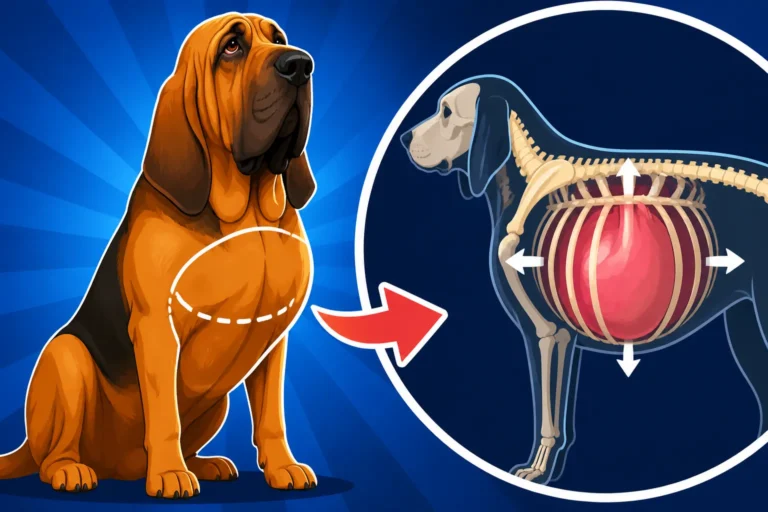
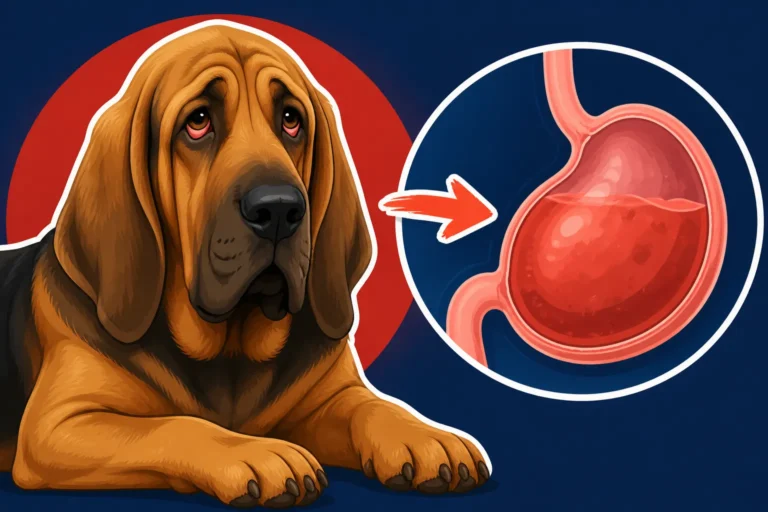
Perhaps the most feared condition among Bloodhound owners is Gastric Dilatation-Volvulus, or GDV, commonly known as bloat. This is an acute, life-threatening condition where the stomach fills with gas, food, or fluid (dilatation) and then twists upon itself (volvulus), cutting off blood supply. It's incredibly painful and rapidly fatal if not treated immediately. Bloodhounds are particularly susceptible due to their deep, narrow chests, a conformational trait that makes their stomach more prone to twisting. Bloat Is What Kills Most Bloodhounds and is a primary reason why Bloodhound owners often experience devastating, sudden losses.
Symptoms can appear rapidly: unproductive retching, a distended abdomen, restlessness, and pain. The time from onset to critical condition can be mere hours. Because of this high risk, many Bloodhound owners consider a preventive surgery called a gastropexy, which tacks the stomach to the abdominal wall to prevent twisting. This procedure doesn't prevent the stomach from filling with gas (bloat), but it does prevent the deadly twist (volvulus). Deciding whether to pursue this surgery is a significant consideration, and you can learn more about The Gastropexy Decision Every Bloodhound Owner Faces. Early detection and immediate emergency veterinary care are paramount when bloat occurs, but prevention is always the best approach for this breed.
Orthopedic Issues: Hips, Elbows, and Mobility
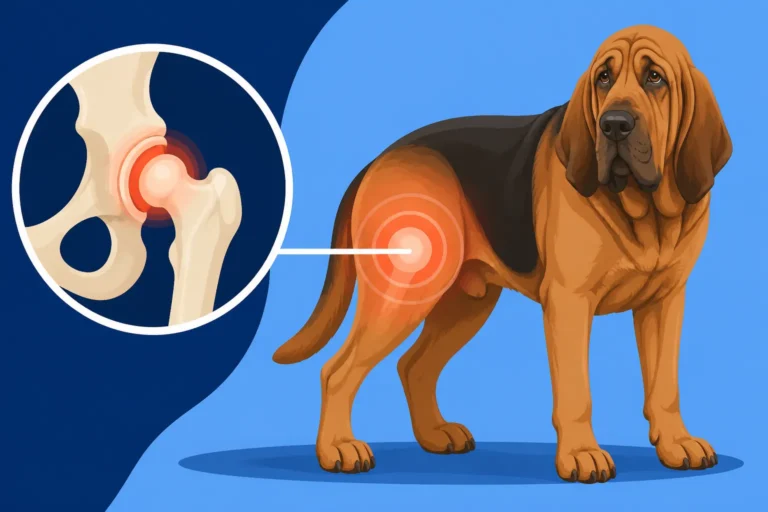
As large, heavy dogs, Bloodhounds are prone to various orthopedic problems that can significantly impact their quality of life and, in severe cases, even lead to euthanasia due if pain cannot be managed. Hip and elbow dysplasia are common genetic conditions where the joints don't form correctly, leading to arthritis, pain, and lameness. These conditions can start to manifest even in young dogs, hindering their ability to move freely and enjoy activities. You can find detailed information on this topic in Hip and Elbow Dysplasia in the Bloodhound.
While not typically fatal, the chronic pain and reduced mobility associated with severe dysplasia can greatly diminish a Bloodhound's quality of life. Managing these conditions requires a commitment to pain medication, joint supplements, controlled exercise, and sometimes expensive surgeries. The financial strain can also be significant, even with pet insurance from providers like Healthy Paws. Severe cases can lead to difficult decisions for owners, especially as the dog ages and other health issues arise, making their overall comfort paramount. Responsible breeders screen for these conditions, but even with careful breeding, they can still occur.
Chronic Infections and Breed-Specific Vulnerabilities
The Bloodhound's iconic features—those long, pendulous ears, deep facial wrinkles, and droopy eyes—while endearing, unfortunately create perfect environments for chronic infections and other health issues.
- Ear Infections: Their long, heavy ears block airflow into the ear canal, creating a warm, moist environment ripe for bacterial and yeast infections. These can be recurring, painful, and challenging to manage. Left untreated, chronic infections can lead to permanent ear canal changes and even require expensive surgery. This constant battle with ear issues is why A Bloodhound's Ears Are a Standing Infection Risk.
- Eye Problems: Bloodhounds are predisposed to several eye conditions due to their loose facial skin. Ectropion (outward-rolling eyelids) and entropion (inward-rolling eyelids) are common. Ectropion exposes the delicate conjunctiva and eye surface to dust and debris, leading to irritation and chronic discharge. Entropion causes eyelashes to rub against the cornea, leading to pain, ulcers, and potential vision loss. Cherry eye, where the third eyelid gland prolapses, is also seen. These conditions often require surgical correction to prevent ongoing discomfort and damage. To understand these better, refer to The Four Eye Problems a Bloodhound Is Born Toward.
- Skin Fold Dermatitis: The Bloodhound's characteristic loose skin and deep wrinkles, particularly around the face, neck, and lips, can trap moisture, food debris, and bacteria. This creates a prime breeding ground for infection, leading to a condition known as skin fold dermatitis. These areas can become red, inflamed, itchy, and emit a foul odor. While often manageable with diligent cleaning and topical treatments, severe cases can require antibiotics and can be a source of constant discomfort for the dog.
While these conditions are rarely life-threatening on their own, the chronic pain, discomfort, and impact on overall health can diminish a Bloodhound's quality of life and put stress on their immune system, indirectly influencing their longevity. The ongoing treatment costs, even with comprehensive pet insurance plans like those offered by Healthy Paws, can add up significantly over their lifetime.
Cardiac Concerns and Cancer Risk
Like many large breeds, Bloodhounds are not immune to more systemic diseases such as heart conditions and various forms of cancer. Dilated Cardiomyopathy (DCM), a disease of the heart muscle where the heart becomes enlarged and weakened, is a concern in some Bloodhound lines. While less common than in some other giant breeds, it can lead to heart failure and sudden death. Understanding Heart Disease in the Bloodhound is vital for any owner. Regular veterinary check-ups, including listening for heart murmurs, can sometimes catch early signs.
Cancer is another leading cause of death in older dogs across all breeds, and Bloodhounds are no exception. Various forms of cancer, including osteosarcoma (bone cancer), lymphoma, and mast cell tumors, can affect them. The unfortunate reality is that many Bloodhounds succumb to cancer in their later years, despite advancements in veterinary oncology. This is a significant factor when looking at What Most Bloodhounds Actually Die Of. Early detection through regular veterinary exams and being observant of any lumps, bumps, or changes in your dog's behavior or appetite can sometimes make a difference in treatment options and prognosis, but it remains a heartbreaking reality for many owners.
Proactive Care: Extending Your Bloodhound's Healthy Years
While some health challenges are inherent to the breed, there’s a great deal you can do as an owner to actively promote a longer, healthier, and happier life for your Bloodhound. Proactive care is truly the cornerstone of Bloodhound ownership.
Prioritizing Preventive Veterinary Care and Screenings
Regular veterinary care is absolutely non-negotiable for a Bloodhound. These aren't dogs you can just take to the vet when they're sick; preventive care is key to catching potential issues before they become life-threatening. Annual or bi-annual check-ups, depending on your dog's age and health status, allow your vet to perform thorough physical examinations, listen to their heart and lungs, check their joints, and generally assess their overall well-being. This is especially important as they approach Aging in a Bloodhound Starts at Six.
Beyond routine exams, specific screenings are crucial:
- Bloat Prevention: Discussing a preventive gastropexy with your vet is highly recommended, ideally performed at the same time as spay/neuter surgery if age appropriate. This one procedure could literally save your Bloodhound's life.
- Orthopedic Evaluations: Regular monitoring for signs of lameness or discomfort, especially in growing puppies. Your vet might recommend X-rays if concerns arise.
- Ear and Eye Health: Your vet can guide you on the best cleaning protocols and spot early signs of infection or developing eye conditions.
- Blood Work: As Bloodhounds age, routine blood tests can help monitor organ function, detect underlying diseases like hypothyroidism, and establish baselines for future comparisons.
- Cancer Screenings: Being vigilant about any new lumps or bumps and having them checked out promptly is crucial. Your vet can perform fine needle aspirates or biopsies as needed.
Investing in pet insurance, such as a comprehensive plan from Healthy Paws, can provide immense peace of mind when facing the potentially high costs of diagnostics, surgeries, and long-term treatments for these common Bloodhound health issues. It's truly a financial buffer that can allow you to make decisions based on your dog's needs rather than your wallet.
Tailoring Diet and Exercise for Longevity
Proper nutrition and appropriate exercise are fundamental pillars of Bloodhound health. These large dogs require a balanced diet formulated for large breeds, especially during their critical growth phases, to support healthy bone and joint development.
-
Dietary Considerations:
- Portion Control: Avoid overfeeding, as excess weight puts immense strain on their joints and can exacerbate conditions like hip and elbow dysplasia. Keeping a Bloodhound lean is vital.
- Slow Feeding: To reduce the risk of bloat, feed multiple smaller meals throughout the day rather than one large one. Using slow-feeder bowls or puzzle feeders can also help prevent them from gobbling their food too quickly.
- Post-Meal Rest: Ensure your Bloodhound rests for at least an hour before and after meals. Vigorous exercise, excitement, or excessive drinking around meal times can increase bloat risk.
- Quality Food: Choose a high-quality dog food appropriate for their life stage, ideally one that contains beneficial ingredients for joint health like glucosamine and chondroitin.
-
Exercise Regiment:
- Appropriate Intensity: Bloodhounds need regular, moderate exercise, but they aren't built for extreme athletic feats, especially when young. Over-exercising a growing puppy can damage developing joints. Think long, leisurely walks, not high-impact running or jumping.
- Mental Stimulation: Their most powerful asset is their nose, and engaging it is critical for their well-being. Daily scent work, even simple "find it" games in the house or yard, provides immense mental enrichment and helps burn energy in a way that aligns with their natural instincts. This is why Mantrailing Is the Answer to a Bloodhound, Not Obedience for their mental and physical fulfillment.
- Leash Walking: Due to their intense drive to follow a scent, Bloodhounds should almost always be walked on a leash, ideally with a comfortable harness. This prevents them from escaping to follow a fascinating odor into dangerous situations.
Managing Stress and Enriching Their Environment
A Bloodhound's mental and emotional well-being significantly contributes to their overall health and longevity. Chronic stress can suppress the immune system and exacerbate existing health issues.
- Consistent Routine: Bloodhounds thrive on routine. A predictable schedule for feeding, walks, potty breaks, and playtime can reduce anxiety and make them feel secure.
- Positive Reinforcement: These sensitive hounds respond best to positive reinforcement training. Harsh corrections or punishment can lead to fear and withdrawal, increasing stress.
- Socialization: Early and ongoing positive socialization with various people, places, and other animals helps them grow into well-adjusted, confident adults less prone to anxiety.
- Comfortable Environment: Provide a comfortable, quiet space for them to rest. Large, orthopedic beds are excellent for their joints, especially as they age. Ensure they have access to fresh water at all times.
- Mental Enrichment: Beyond scent work, provide puzzle toys, chew toys, and interactive play sessions. A bored Bloodhound can become destructive or anxious, leading to unwanted behaviors and stress. For instance, The First Year With a Bloodhound That Already Wants to Trail involves channeling their natural instincts positively.
- Grooming as Bonding: Regular grooming sessions for their ears, eyes, and folds not only prevent infections but also serve as valuable bonding time, reducing stress and making these necessary tasks more tolerable.
Embracing the Journey: Quality of Life in Senior Bloodhounds
As your Bloodhound crosses that 8-year mark, you'll likely notice changes that signal they're entering their senior years. While the thought of them aging can be bittersweet, these years can also be incredibly rewarding, full of quiet companionship and deep affection.
Recognizing Signs of Aging in Your Bloodhound
Being attuned to the subtle shifts in your Bloodhound's behavior and physical condition is crucial for supporting them through their golden years. Remember, Aging in a Bloodhound Starts at Six, so some changes may begin earlier than expected.
- Changes in Mobility: You might notice them slowing down on walks, having difficulty getting up from a lying position, or being less enthusiastic about stairs. Arthritis or worsening dysplasia can be contributors. They might even develop a slight limp after activity, or struggle to jump into the car, which might require a ramp.
- Decreased Energy and Stamina: While still enjoying a good sniffari, they may tire more easily. Long walks might become shorter, and playtime might consist of gentler interactions. They might sleep more during the day or be less interested in active games.
- Sensory Decline: Their vision or hearing may start to decline. They might bump into furniture, be startled more easily, or not respond as readily to their name or commands. Their sense of smell, while still incredible, might not be quite as sharp as in their prime.
- Coat and Skin Changes: Their coat might become duller, or you might notice more graying around their muzzle and eyes. Their skin might become drier or less elastic, and old calluses might become more pronounced. Keeping their folds clean and dry remains critically important, perhaps even more so.
- Appetite and Thirst Changes: Some senior Bloodhounds may have a reduced appetite, while others might drink more water, which could be a sign of underlying health issues like kidney disease or diabetes. Any significant change in eating or drinking habits warrants a vet visit.
- Behavioral Shifts: They might become less tolerant of boisterous children or other pets, more prone to anxiety, or display increased clinginess. Cognitive dysfunction, similar to dementia in humans, can also cause disorientation, changes in sleep patterns, or house-soiling.
Adapting Care for the Senior Years
As your Bloodhound ages, their care routine will need to adapt to their evolving needs. This often means becoming even more attentive and patient.
- Regular Vet Check-ups: Senior Bloodhounds benefit from more frequent veterinary visits, often every six months. These visits focus on early detection of age-related diseases, pain management for arthritis, and addressing any new concerns. Your vet might recommend more frequent blood tests, urinalysis, or blood pressure monitoring.
- Pain Management: If your Bloodhound shows signs of arthritis or joint pain, work with your vet to develop a pain management plan. This might include NSAIDs (non-steroidal anti-inflammatory drugs), joint supplements (glucosamine, chondroitin, fish oil), or alternative therapies like acupuncture or therapeutic laser. Products like those offered by Healthy Paws can cover chronic conditions, which is essential for managing pain long-term.
- Environmental Adjustments: Make your home senior-friendly. Provide orthopedic beds for comfort, use ramps or steps to help them access furniture or vehicles, and ensure non-slip rugs on slick floors. Keep food and water bowls easily accessible, perhaps even elevated if they struggle to bend down.
- Gentle Exercise: Continue with short, frequent, low-impact walks. Swimming can be an excellent non-weight-bearing exercise for stiff joints. Mental stimulation through scent games is still crucial, perhaps adapted to indoor environments or shorter durations.
- Dietary Adjustments: Your vet may recommend a senior-specific dog food that is lower in calories, higher in fiber, and contains added joint support. Ensure they maintain a healthy weight to reduce strain on their joints.
- Enhanced Grooming: Continue meticulous ear, eye, and fold care. They might not be as able to groom themselves, so regular brushing and cleaning become even more important. Pay extra attention to their nails, as less activity means less natural wear.
- Patience and Understanding: Your senior Bloodhound relies on you for comfort and security. Be patient with accidents, confusion, or slower responses. Reassure them with gentle words and touches, and give them plenty of love.
Supporting Their Golden Age with Love and Comfort
The final years with your Bloodhound are precious. Even if they are slowing down, their capacity for love and companionship remains undiminished. Focusing on their comfort, happiness, and dignity becomes the paramount goal.
- Cherish the Moments: Take extra time for cuddles, gentle grooming, and quiet companionship. These moments create lasting memories and reinforce your bond. Even a brief, slow "sniffari" can bring immense joy to an old Bloodhound.
- Maintain Routine, With Flexibility: While routine is good, be flexible. If they're having a bad day, adjust their activities. If they need more potty breaks, accommodate them. Their comfort now takes precedence over strict schedules.
- Mental Engagement: Continue to engage their minds with gentle puzzle toys or easy scent games. Keeping their brains active can help slow cognitive decline and keep them happier.
- Advocacy: Be your Bloodhound's advocate. Don't hesitate to seek second opinions or consult specialists if you feel their pain isn't adequately managed or if a new symptom arises. You know your dog best.
- End-of-Life Discussions: While incredibly difficult, having honest conversations with your veterinarian about your Bloodhound's quality of life as they decline is an act of profound love. Understanding when palliative care is no longer sufficient and making compassionate decisions when the time comes is the hardest, but most important, part of senior pet ownership.
Though their time with us is often shorter than we wish, every day with a Bloodhound is a gift. By understanding their unique needs and challenges, and by committing to proactive, loving care, we can ensure they live their normal lifespan—and hopefully beyond—with as much joy, comfort, and dignity as possible.
Disclaimer
The information provided in this article is for general informational purposes only and is not a substitute for professional veterinary advice. Always consult with a qualified veterinarian for any health concerns or before making any decisions about your Bloodhound's medical care.