Whether Adding a Gastropexy to a Bloodhound’s Neuter Is Cheaper
The decision to neuter your beloved Bloodhound is a significant one, and often, owners find themselves navigating a maze of medical considerations, especially when faced with the looming threat of bloat. It’s completely understandable to wonder if combining a preventive gastropexy with the routine neuter surgery could be a more efficient, less stressful, and potentially more affordable option. This guide will delve deep into the ins and outs of performing both procedures simultaneously, helping you understand the financial and practical implications, so you can make the best choice for your long-eared companion.
Understanding Gastropexy and Bloat Risk
Bloat, medically known as Gastric Dilatation-Volvulus (GDV), is a terrifying reality for many deep-chested breeds, and our magnificent Bloodhounds are unfortunately high on that list. It's a condition where the stomach fills with gas and twists on itself, cutting off blood supply and quickly becoming fatal. The speed at which it can progress leaves owners feeling helpless, often with mere hours to seek emergency veterinary care.
Why Gastropexy Is Crucial for Bloodhounds
For Bloodhounds, their distinctive deep, narrow chest conformation makes them particularly susceptible to bloat. It's not just a concern; it's a very real threat that can strike suddenly, often without warning. Imagine your cheerful, lumbering hound suddenly restless, pacing, trying to vomit but producing nothing, and then its abdomen starts to distend rapidly. That moment of panic, the frantic drive to the emergency clinic, is something no Bloodhound owner ever wants to experience. A preventive gastropexy aims to prevent the stomach from twisting, a crucial intervention that can literally save your dog's life.
When we talk about bloat, it's important to understand the severity. Many owners are shocked to learn that Bloat Is What Kills Most Bloodhounds. This isn't just a minor health scare; it's the leading cause of death in many large, deep-chested breeds. While the gastropexy doesn't prevent the stomach from dilating with gas, it does prevent the deadly twist that causes the most damage and leads to rapid deterioration. This distinction is vital for any Bloodhound owner to grasp, as it highlights the true life-saving potential of the procedure.
The Core Purpose of a Gastropexy
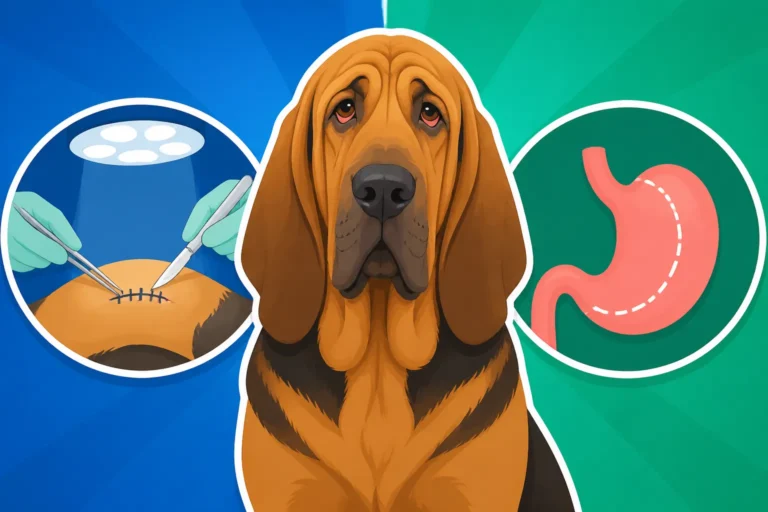
At its heart, a gastropexy is a surgical procedure where the stomach is permanently attached to the abdominal wall. Think of it as anchoring a ship to prevent it from capsizing. This attachment prevents the stomach from rotating or twisting, which is the "volvulus" part of GDV. Without the ability to twist, even if your Bloodhound's stomach fills with gas (the "dilatation"), it can't enter the life-threatening state of cutting off blood flow or blocking the exit.
The goal isn't just to add an extra surgical line item; it's about buying peace of mind and, more importantly, buying your dog critical time should gas accumulation occur. It transforms a dire emergency into a treatable upset stomach. For many, the question isn't if they should get a gastropexy, but What a Preventive Gastropexy Does for a Bloodhound and when the best time is to perform it. The procedure greatly reduces the risk of the fatal twist, transforming the prognosis for a bloat incident from critical to typically manageable.
The Standard Neuter Procedure for a Male Bloodhound
Neutering is a common surgical procedure that many male dogs undergo, typically to prevent reproduction, reduce certain health risks, and sometimes to manage behavioral issues. While it's considered routine, for a large breed like a Bloodhound, any surgery requires careful planning and execution.
What a Standard Neuter Involves
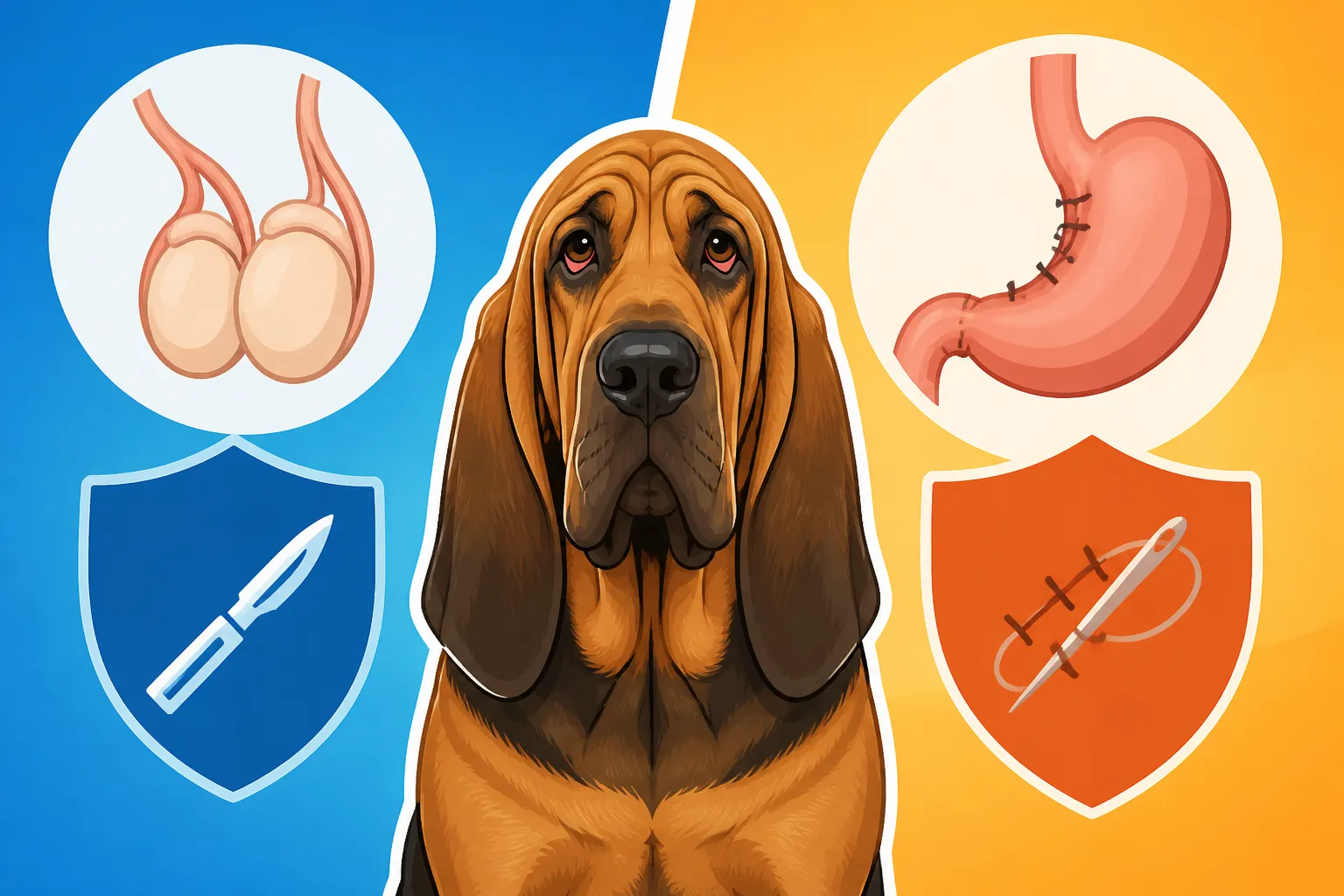
A standard neuter, or orchiectomy, involves the surgical removal of both testicles. Your Bloodhound will be put under general anesthesia, and the surgeon will make an incision in front of the scrotum to access and remove the testicles. The blood vessels and spermatic cords are tied off, and the incision is then carefully closed. The entire procedure is generally quick and straightforward for experienced veterinary teams.
During this process, your Bloodhound will have an IV catheter for fluids and medications, and monitoring equipment will track their heart rate, respiration, and oxygen levels. The anesthesia itself is a significant component of any surgical cost, covering the anesthetic agents, the time an anesthetist spends monitoring, and the use of specialized equipment. This setup is standard for most elective surgeries, laying the groundwork for why combining procedures can be appealing.
Typical Timing for a Bloodhound's Neuter
Most veterinarians recommend neutering dogs between six months and two years of age, though recent research has prompted more nuanced discussions, especially for larger breeds. For Bloodhounds, the timing often needs to balance growth plate closure with the benefits of neutering. Early neutering has been linked to potential orthopedic concerns in some large breeds, while later neutering might miss opportunities to prevent certain behavioral patterns or increase the risk of certain cancers.
Many owners opt to neuter their Bloodhound around 12 to 18 months of age, once they've reached a good portion of their adult size but before they've fully matured sexually. This timing often coincides with the ideal window for a preventive gastropexy, making the idea of combining the two procedures particularly attractive. Understanding The Age a Bloodhound Should Have a Gastropexy is crucial, and it frequently aligns well with typical neuter schedules.
Combining Procedures: The Financial Upside
The idea of combining a gastropexy with a neuter isn't just about convenience; it often makes significant financial sense. When you think about all the separate components that go into any surgical procedure, it becomes clear how much overlap there is, and how those overlaps can translate into real savings.
Shared Anesthesia and Facilities
One of the biggest cost drivers in any surgery is anesthesia and the use of the veterinary facility. When your Bloodhound goes in for a single procedure, say just a neuter, they undergo pre-anesthetic blood work, are sedated, put under general anesthesia, and monitored throughout. The operating room is prepped, staff are on hand, and recovery space is utilized. If you were to bring your Bloodhound back for a separate gastropexy a few months later, you would repeat almost all of these steps, incurring duplicate charges for many services.
By combining the neuter and gastropexy, your Bloodhound undergoes one round of pre-anesthetic diagnostics, one induction of anesthesia, one full day in the hospital, and one recovery period. This consolidation eliminates redundant fees for things like the initial consultation, blood work, IV fluids, anesthetic drugs, surgical suite usage, and post-operative monitoring. For a large breed like a Bloodhound, where anesthesia requirements can be more complex and costly due to their size, these savings can be quite substantial. It's often where A Bloodhound's Money Is Spent in the Operating Room.
Reduced Recovery Time and Owner Burden
Beyond the direct veterinary bills, there's the hidden cost of recovery – your time, emotional stress, and potential lost wages. Caring for a dog recovering from surgery means restricting activity, administering medications, monitoring incisions, and often, sleepless nights. Performing two separate surgeries means two distinct periods of this intensive care.
When you combine the procedures, you consolidate that recovery period. Instead of your Bloodhound having a few weeks of restricted activity after neuter, then returning to normal, only to face another few weeks of recovery after a gastropexy, you have one extended recovery period. This means fewer days off work for you, fewer disruptions to your routine, and less overall stress for both you and your dog. Imagine trying to keep a lively, scent-driven Bloodhound calm and contained twice – it’s a challenge! Consolidating it to one period can be a huge relief, both for your schedule and your sanity.
The Cost Savings Breakdown
Let's look at a hypothetical breakdown (remembering I can't give specific numbers, but illustrate the structure of costs).
| Cost Component | Standalone Neuter | Standalone Gastropexy | Combined Procedure | Savings (per component) |
|---|---|---|---|---|
| Pre-anesthetic Bloodwork | Yes | Yes | Yes | X |
| Anesthesia Induction & Monitoring | Yes | Yes | Yes (one extended session) | X |
| IV Fluids & Medications | Yes | Yes | Yes | X |
| Surgical Suite Usage | Yes | Yes | Yes | X |
| Surgeon's Fee | Yes | Yes | Yes (for two procedures) | No direct savings on fees, but indirect savings on time due to concurrent work |
| Post-Op Pain Medication | Yes | Yes | Yes | X |
| Hospital Stay (initial) | Yes | Yes | Yes | X |
As you can see, the "Yes" checks for shared components in the "Combined Procedure" column represent one charge instead of two. For example, you pay for pre-anesthetic bloodwork once, not twice. You pay for the initial setup of the surgical suite once. This cumulative effect adds up significantly. While a surgeon will still charge for both procedures, the bulk of the overhead associated with separate anesthesia and facility use is streamlined. Many veterinarians offer a reduced overall price for the gastropexy when performed at the same time as another abdominal surgery like a neuter because the patient is already under anesthesia and the abdomen is already open for access. This is why The Age a Gastropexy Is Cheapest on a Bloodhound often coincides with their spay or neuter.
Potential Downsides and Considerations of Combination Surgery
While combining surgeries offers compelling advantages, it's not without its own set of considerations. Owners must weigh these factors carefully with their veterinarian to ensure it's the right choice for their individual Bloodhound.
Increased Surgical Time and Anesthesia Risk
The primary concern with any combined surgery is the increased time your Bloodhound will spend under anesthesia. A neuter alone is relatively quick, but adding a gastropexy extends the duration significantly. Longer anesthesia times inherently carry a slightly elevated risk, particularly for breeds prone to certain cardiac issues or those with sensitive systems. While modern veterinary anesthesia is incredibly safe, especially with advanced monitoring, any extension requires careful consideration.
Your veterinarian will carefully assess your Bloodhound's overall health before recommending a combined procedure. This includes thorough pre-anesthetic blood work, a physical exam, and potentially a cardiac screening if there are any murmurs or concerns. A healthy, young Bloodhound with no underlying health issues is generally a good candidate, but for those with any pre-existing conditions, your vet might advise against it. It's crucial to have an open conversation about the specific risks for your dog.
Potential for More Intensive Recovery
While combining surgeries means only one overall recovery period, it's important to understand that this single period might be more intensive than recovering from just a neuter. Your Bloodhound will have two surgical sites – one in the groin area for the neuter and one on the abdomen for the gastropexy. This means a larger total incision area and potentially more discomfort in the initial days.
Managing pain will be paramount, and your vet will prescribe appropriate medications. Activity restriction will also be stricter and possibly longer than for a standalone neuter. You’ll need to prevent your Bloodhound from licking or chewing both incisions, which might mean wearing a cone (Elizabethan collar) or a recovery suit for a longer duration. For a Bloodhound, known for their expressive nature and sometimes dramatic reactions, this can be an extra challenge. They also tend to be large, rambunctious pups, making strict crate rest or leash-only outings a true test of an owner's patience.
Finding a Vet Comfortable with Both
Not all veterinary clinics are equally equipped or experienced to perform a gastropexy, especially in conjunction with another surgery on a large breed like a Bloodhound. While many general practitioners are proficient at neuters, gastropexies require a higher level of surgical skill and a deeper understanding of the potential complications.
It’s essential to choose a veterinary practice and surgeon who are not only comfortable with performing both procedures but also have a good track record with large breed surgeries. Don't be shy about asking your vet about their experience with gastropexies in Bloodhounds or similar deep-chested breeds. In some cases, your vet might recommend referral to a board-certified veterinary surgeon, particularly if they are not routinely performing gastropexies or if your Bloodhound has any complicating health factors. While a specialist might have a higher fee structure, the expertise can be invaluable for such an important, preventative surgery. The question of Whether a Laparoscopic Gastropexy Costs More on a Bloodhound is also worth exploring, as some specialists offer this less invasive option, which can affect both cost and recovery.
Post-Operative Care and Recovery for Dual Procedures
Bringing your Bloodhound home after a combined neuter and gastropexy requires diligence and patience. The recovery period is critical for proper healing and to prevent complications. This isn't just about managing pain; it's about meticulous wound care, activity restriction, and a keen eye for any signs of trouble.
Managing Dual Incisions
Your Bloodhound will have two surgical sites that need careful attention: the scrotal area incision for the neuter and the abdominal incision for the gastropexy. The abdominal incision is generally larger and more structurally significant, as it involves the stomach wall. You'll need to check both incisions daily for signs of redness, swelling, discharge, or any opening.
Preventing your Bloodhound from licking or chewing at either incision is paramount. An Elizabethan collar (e-collar or "cone of shame") is usually necessary, and for Bloodhounds, you might need a larger or more robust one than you'd expect. Some owners find recovery suits, soft cones, or even inflatable collars to be more tolerable for their dog, but ensure whatever you choose effectively covers both sites. Supplies like these can often be found at stores like Chewy, which offers a wide array of recovery gear. Keeping the incisions clean and dry, as instructed by your vet, is essential for uncomplicated healing.
Pain Management and Activity Restriction
Your veterinarian will send your Bloodhound home with a regimen of pain medication, often including anti-inflammatories and possibly an opioid for the first few days. It is crucial to administer these exactly as prescribed, even if your Bloodhound seems comfortable. Pain control is not only humane but also aids in the healing process by reducing stress and promoting rest.
Activity restriction is perhaps the biggest challenge with a Bloodhound. For several weeks (typically 2-4, depending on the vet's specific instructions), your dog will need strict leash walks only, no running, jumping, stairs, or rough play. This means no off-leash park visits, no wrestling with housemates, and absolutely no scaling fences. Crate rest or confining them to a small, safe area might be necessary. Given that Bloodhounds are often energetic, especially as adolescents, this can be incredibly difficult. However, ignoring these restrictions can lead to incision dehiscence (re-opening) or complications with the gastropexy site, necessitating further, costly intervention. Remember, How Long a Bloodhound Takes to Recover From a Gastropexy is usually a few weeks, and combining it with a neuter will likely keep you on the longer side of that estimate.
Long-Term Outlook After Combined Surgery
Once your Bloodhound has fully recovered from the combined neuter and gastropexy, the long-term outlook is generally excellent. The neuter will prevent unwanted pregnancies and mitigate risks of certain reproductive cancers, while the gastropexy will drastically reduce the lifetime risk of fatal bloat. This dual protection provides a huge sense of relief for owners.
It's important to remember that while a gastropexy prevents the stomach from twisting, it does not prevent the stomach from filling with gas. So, while the immediate life-threatening crisis of a twisted stomach is largely averted, you might still see signs of a gassy, uncomfortable Bloodhound who needs veterinary attention. However, these situations are typically far less urgent and much more treatable. Knowing Whether a Bloodhound With a Gastropexy Can Still Bloat is essential for continued vigilance, though the severity is vastly reduced. Your Bloodhound should be able to resume all normal activities after the full recovery period, enjoying a long, healthy, and happy life, free from the imminent threat of GDV.
Making the Decision: Factors to Weigh
Deciding whether to combine these two important surgeries for your Bloodhound involves more than just looking at the price tag. It’s about careful consideration of health, logistics, and your own capabilities as a caregiver.
Consulting with Your Veterinarian
This cannot be stressed enough: your veterinarian is your primary resource and guide in this decision. They know your Bloodhound’s individual health history, temperament, and local risks. Have a detailed conversation with them about the pros and cons of combined surgery for your specific dog. Ask them about their experience with gastropexies, their preferred technique (open vs. laparoscopic), and what their estimated recovery protocol entails.
Your vet will assess factors like your Bloodhound's age, current health status, any pre-existing conditions (like a heart murmur), and even their anxiety levels, which can impact anesthetic risk. They can provide a comprehensive estimate that details the costs of both procedures separately versus combined, allowing you to see the financial differences clearly. Don’t hesitate to ask for a second opinion if you feel it's necessary, especially if you have complex concerns or if your vet doesn't perform many gastropexies.
Considering Pet Insurance Coverage
Pet insurance can be a huge financial buffer for Bloodhound owners, given the breed's propensity for certain health issues. If you have pet insurance, it’s absolutely critical to understand what it will and won't cover regarding these procedures. Preventive gastropexy, while elective, is often covered by comprehensive plans because it mitigates a life-threatening condition. However, some policies might have waiting periods, or classify certain conditions differently.
Contact your pet insurance provider, like Healthy Paws, directly to confirm coverage details. Ask about your deductible, reimbursement percentage, and any exclusions. Find out if the policy differentiates between an elective gastropexy and an emergency one. Understanding this before surgery can prevent unwelcome financial surprises. Many owners find peace of mind knowing that a portion of these significant surgical costs could be recouped, making the decision to opt for preventive surgery much easier.
Evaluating Your Bloodhound's Individual Health
Every Bloodhound is an individual, and their health profile should be the ultimate determinant in your decision-making process. A young, robust Bloodhound with no known health concerns might be an ideal candidate for a combined procedure, as the anesthetic risk is generally lower and their recovery tends to be smoother.
However, if your Bloodhound has any underlying conditions – even something as seemingly minor as a persistent cough, or if they are prone to anxiety – these factors need to be seriously weighed. A longer anesthetic time could exacerbate respiratory issues, and a highly anxious dog might have a more challenging recovery period, making it harder to manage pain and restrict activity. Discuss all these nuances with your vet. Sometimes, splitting the surgeries, though more costly upfront, might be the safest option for a particularly sensitive or compromised dog. Ultimately, your goal is to minimize risk and ensure the best possible outcome for your cherished Bloodhound.
Disclaimer
This article is for general informational purposes only and does not constitute professional advice. Laws, prices and regulations vary by location and change over time. Consult a qualified professional for guidance on your specific situation.