Whether a Bloodhound’s Eyelid Repair Is Done in Two Stages
The unique structure of a Bloodhound's face, with its deep-set eyes and abundant loose skin, can unfortunately lead to a host of frustrating and often painful eyelid issues. Owners frequently wonder if their beloved hound's eye repair will be a single, straightforward procedure, or if they'll face the emotional and financial strain of multiple surgeries. This guide will walk you through the complexities of Bloodhound eyelid repair, helping you understand when a two-stage approach might be recommended and what to expect for your furry family member.
Understanding Bloodhound Eyelid Concerns
Living with a Bloodhound means accepting their distinctive looks, but sometimes those very features become a source of significant discomfort and health problems. Their magnificent, droopy eyes, a hallmark of the breed, are particularly susceptible to issues that often require veterinary intervention.
The Unique Challenges of Bloodhound Eyes
Bloodhounds possess an extraordinary amount of loose skin, particularly around their heads and faces. This contributes to their famed "wrinkles" and "haw," the visible lower eyelid. While these features are part of their charm and even aid in scenting by collecting odor particles, they also create anatomical predispositions to several eye conditions. The most common culprits are entropion and ectropion, two sides of the same eyelid coin, both of which can lead to chronic irritation, pain, and even vision impairment. It's a tough reality to face, knowing the very characteristics that make our hounds unique can cause them such distress.
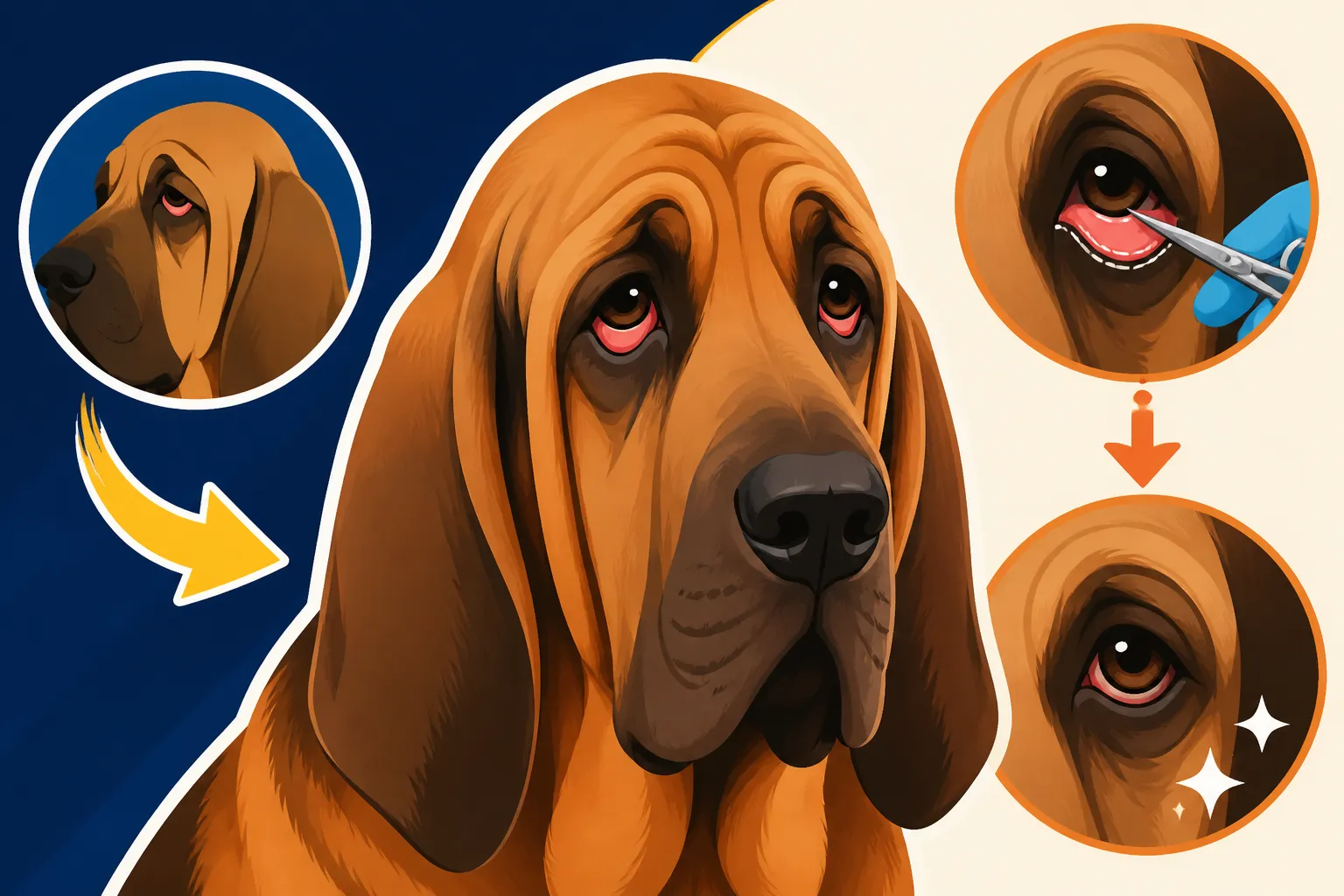
Ectropion, for instance, is when the lower eyelid sags or rolls outward, exposing the delicate conjunctiva (the pink lining of the eyelid) and sometimes the entire lower rim of the eye. This creates a pocket where dirt, dust, and debris can easily accumulate, leading to chronic dryness, irritation, and frequent infections. Imagine constantly having a grit in your eye – that's what many Bloodhounds experience daily without intervention. You might notice your Bloodhound’s haw is constantly red, weeping, or appears inflamed. This condition often gives the dog a perpetually "sad" or "tired" look, even when they're perfectly happy. Owners often worry, and rightly so, about Why a Bloodhound's Lower Lid Hangs Away From the Eye and what it means for their dog's long-term comfort.
On the flip side, entropion is equally, if not more, painful. This occurs when a portion of the eyelid, usually the lower one, rolls inward, causing the eyelashes and fur to rub directly against the cornea (the clear surface of the eyeball). This constant friction is incredibly irritating and can lead to corneal ulcers, scarring, and even blindness if left untreated. Signs like excessive tearing, squinting, rubbing at the face, and holding the affected eye partially or completely closed are huge red flags. It’s a serious condition that absolutely requires attention, because What Entropion Does to a Bloodhound's Eye can rapidly escalate from uncomfortable to vision-threatening.
When Surgery Becomes Necessary
For mild cases of ectropion, keeping the eyes clean and lubricated with vet-prescribed drops might offer some temporary relief. However, this is rarely a long-term solution, and it certainly doesn't address the underlying anatomical problem. For entropion, topical treatments are usually insufficient to prevent the painful rubbing, especially if the inversion is significant. When the eyelid issues cause chronic irritation, repeated infections, corneal damage, or significantly impair the dog's quality of life, surgery becomes not just an option, but a necessity.
Your veterinarian will likely assess the severity of the condition, your Bloodhound's age, and any secondary complications like ulcers. They'll also consider how much the condition impacts your dog's daily comfort and function. It's a decision made with your Bloodhound's best interest at heart, aiming to prevent further pain and preserve their vision. The goal of surgery is to precisely alter the eyelid's structure to restore it to a normal, functional position. This often involves removing a small section of skin and muscle, then carefully suturing the remaining tissue to create the correct tension, allowing the eyelid to sit properly. It's a delicate procedure that requires precision and experience. Understanding When a Bloodhound's Eyelids Need Surgery is crucial for any Bloodhound owner, as early intervention can often lead to better outcomes.
The Staging of Eyelid Repair in Bloodhounds
One of the most common questions after learning your Bloodhound needs eyelid surgery is whether it's a one-and-done deal or if you'll be facing multiple trips to the operating room. The answer isn't always straightforward, as it depends on several factors specific to your individual hound and the nature of their condition.
Why Two Stages Might Be Considered
While a single surgery is always the hope, there are definite scenarios where a veterinarian, particularly a board-certified veterinary ophthalmologist, might recommend a two-stage approach for eyelid repair. This isn't usually done to make things harder, but rather to achieve the best possible long-term outcome and minimize risks. One common reason for a staged approach is dealing with very severe cases, especially those with extensive loose skin or significant deformity. In these situations, attempting to correct everything in one go might lead to overcorrection or undercorrection, or put too much tension on the delicate tissues, potentially leading to complications during healing.
Consider a young Bloodhound puppy with severe entropion. Sometimes, a "tacking" procedure is performed first, which involves placing temporary sutures to evert the eyelid. This gives the puppy relief, allows the eye to heal, and provides a chance to see how the facial structures develop as the puppy grows. If the issue persists or changes with growth, a more permanent, definitive surgery can be performed later. This approach is common because a puppy's head and facial structure are still changing rapidly. Performing a full, permanent correction too early could result in an improper fit once they're fully grown, necessitating further surgery down the line anyway. This interim step gives the puppy relief and buys time. This is often the case when looking at The Age a Bloodhound Has Its Eyelids Tacked.
Another instance where a two-stage repair might be beneficial is when dealing with ectropion that's so pronounced it impacts a large portion of the lid. A significant amount of tissue may need to be removed or reshaped, and a staged approach allows the surgeon to make an initial correction, let the tissues heal and settle, and then assess if a secondary, fine-tuning procedure is needed. This incremental approach can reduce the risk of surgical complications, such as excessive scarring or an unnatural appearance, and ensures the best functional and cosmetic result. It's all about precision and allowing the body to adjust.
The Single-Stage Approach
Thankfully, for many Bloodhounds requiring eyelid surgery, a single-stage repair is often sufficient and indeed the preferred method. This is typically the case for moderate entropion or ectropion where the extent of correction needed can be accurately gauged and performed in one surgical session. A single procedure means less anesthesia time for your dog, which always carries inherent risks, and a quicker overall recovery period. It also reduces the financial burden and stress on the owner, as you're not planning multiple surgeries.
In these instances, the surgeon will carefully measure and mark the areas of the eyelid to be altered. They'll remove the necessary amount of skin and muscle, then meticulously suture the eyelid into its correct position. The goal is to achieve a natural, functional eyelid margin that no longer causes irritation to the eye. For many Bloodhounds, this single, well-executed surgery is all that's needed to resolve their discomfort and protect their vision. The recovery period, while still requiring careful post-operative management like keeping the Elizabethan collar on, can be relatively smooth. While the article How Long a Bloodhound Takes to Recover From a Gastropexy refers to a different surgery, the general principles of anesthetic recovery and post-op care apply across various procedures.
Factors Influencing the Decision
Deciding whether to perform a single-stage or two-stage eyelid repair is a complex process that your veterinary ophthalmologist will carefully consider. It's not a one-size-fits-all answer. Several key factors weigh into this decision, always with your Bloodhound's health and well-being as the top priority.
Firstly, the severity and type of the eyelid condition are paramount. A mild, uncomplicated case of entropion affecting just a small section of the lower lid is far more likely to be corrected in a single surgery than a severe, chronic case of ectropion with extensive tissue laxity and secondary infections. Whether both eyes are affected and to what degree also plays a role. Secondly, your Bloodhound's age is a significant factor. As mentioned, puppies are still growing and changing, so a temporary tacking might be preferable to a permanent correction that could become misaligned as their head develops. An adult Bloodhound with stable facial structure offers a more predictable outcome for a single, definitive repair.
The overall health of your Bloodhound is also crucial. If they have other health issues that make prolonged anesthesia risky, a staged approach might be avoided in favor of the least invasive, single procedure possible, even if it means a less-than-perfect cosmetic outcome. Furthermore, the presence of secondary complications, such as severe corneal ulcers or chronic infections, might influence the timing and staging of the surgery. Sometimes, these issues need to be stabilized and treated before definitive eyelid repair can safely proceed. Finally, your ability to provide diligent post-operative care is a consideration. Multiple surgeries mean multiple recovery periods with Elizabethan collars, medication, and restricted activity. Your vet will want to ensure you're prepared for the commitment.
What to Expect from Eyelid Repair
Undergoing any surgery with your beloved Bloodhound can be a nerve-wracking experience. Knowing what to expect every step of the way, from the initial consultation to long-term care, can help ease some of that anxiety and prepare you for the journey ahead.
Pre-Surgical Consultations and Preparation
Before any surgical decision is finalized, your Bloodhound will undergo a thorough examination, often by a veterinary ophthalmologist who specializes in eye conditions. This initial consultation is critical. The specialist will perform a comprehensive eye exam, which might include specific tests like a Schirmer tear test (to check for dry eye), fluorescein staining (to detect corneal ulcers), and possibly an intraocular pressure measurement. They will carefully assess the degree of entropion or ectropion, looking at how the eyelids sit and how much skin needs to be adjusted. You might find that Whether an Ophthalmologist Charges More for a Bloodhound is a question on your mind, and while their specialized expertise comes at a cost, it's often well worth it for the precision and experience they bring to these delicate procedures.
Beyond the eye exam, your Bloodhound will need a general physical examination and often pre-anesthetic bloodwork to ensure they are healthy enough for surgery. This helps catch any underlying issues that could complicate anesthesia or recovery. What a Bloodhound's Pre Anesthetic Bloodwork Costs is an important part of the overall expense, but it's a non-negotiable step to ensure your hound's safety. This is also your opportunity to ask every question you have, no matter how small. Understanding the surgical plan, potential risks, and the expected recovery process will empower you as an owner.
The Surgical Process and Recovery
On the day of surgery, your Bloodhound will be admitted to the clinic. They'll receive pre-anesthetic medications to help them relax before general anesthesia is administered. The surgical team will monitor their vital signs closely throughout the procedure. The surgeon will then meticulously perform the eyelid repair, which, as discussed, may involve removing a small, precise amount of skin and muscle, or performing a tacking procedure. Fine sutures are used to reshape the eyelid and secure it in its new, corrected position. These sutures are often dissolvable, but sometimes external sutures need to be removed a week or two later.
Post-operatively, your Bloodhound will wake up in a recovery area, often sporting an Elizabethan collar (the dreaded "cone of shame") to prevent them from rubbing or scratching at their surgical site, which could lead to infection or disrupt the sutures. They'll be sent home with pain medication, anti-inflammatory drugs, and often antibiotic eye drops or ointment. It's vital to administer these exactly as prescribed. Activity will be restricted, meaning no running, jumping, or rough play for several weeks. Keeping the cone on is probably the most challenging part of recovery for many owners, but it is absolutely essential for successful healing. You'll also have follow-up appointments to monitor healing, assess the eyelid's position, and remove any non-dissolvable sutures. These recheck appointments, similar to What a Bloodhound's Post Surgery Rechecks Cost, are a crucial part of ensuring a good long-term outcome.
Potential Outcomes and Long-Term Care
For most Bloodhounds, eyelid surgery is highly successful in resolving the discomfort and protecting the eye from damage. The goal is a functional eyelid, not necessarily a cosmetically perfect one, though often the appearance improves significantly. The success rate is generally high, especially when performed by an experienced veterinary ophthalmologist. However, it's important to have realistic expectations. While the surgery often provides lasting relief, in some complex cases, particularly with severe ectropion or if the issue was corrected at a young age, a subsequent minor touch-up procedure might be needed years down the line.
Long-term care after surgery typically involves regular monitoring of the eyes for any signs of recurrence or new issues. If your Bloodhound also suffered from dry eye due to chronic irritation, they might still need lifelong eye drops to manage that specific condition. The question of Whether a Bloodhound With Dry Eye Needs Drops for Life depends on the underlying cause and whether the surgery fully resolved it. Owners should be prepared for potential ongoing care, which might include regular cleaning around the eyes to prevent buildup, especially in their deep facial folds. The primary aim of the surgery is always to improve the dog's comfort and health, making the cosmetic improvement a welcome bonus. It’s important to remember that Whether a Bloodhound's Eyelid Surgery Is Cosmetic is rarely the deciding factor; it’s about their health.
Financial Considerations and Support
Understanding the potential costs associated with Bloodhound eyelid repair, and how to manage them, is a critical part of being a responsible owner. These specialized procedures can be quite an investment, and whether it's a single or two-stage process will directly impact your budget.
Cost Implications of Staged vs. Single Surgery
When it comes to the financial aspect of eyelid repair, the difference between a single-stage and a two-stage surgery can be substantial. A single, comprehensive procedure, while still a significant expense, typically involves one set of anesthesia fees, one surgical fee, and one recovery period. All the immediate pre- and post-operative care, medications, and follow-up visits are consolidated around that one event. This provides a more predictable, albeit high, cost. You'll typically be given a detailed estimate that covers everything.
However, opting for or being recommended a two-stage repair means you'll essentially be incurring costs for two separate surgical events. This usually translates to two anesthesia cycles, two distinct surgical charges, and two recovery periods that each require medications and follow-up visits. While the second surgery might be less extensive than the first, the cumulative cost of repeated procedures, diagnostics, and recovery supplies can easily exceed that of a single, more complex surgery. For example, if an initial tacking is done on a puppy and then a full entropion repair later, you're essentially paying for two surgeries. The amount What Ectropion Surgery Costs on a Bloodhound can vary widely based on location and specialist, but know that a two-stage approach means doubling up on many line items in the bill.
| Factor | Single-Stage Repair | Two-Stage Repair |
|---|---|---|
| Anesthesia | One full anesthetic event | Two separate anesthetic events |
| Surgical Fees | One comprehensive surgical fee | Two separate surgical fees (initial + follow-up) |
| Post-Op Medications | One course of pain meds, eye drops/ointments | Two courses of pain meds, eye drops/ointments |
| Elizabethan Collar | One for the recovery period | One or two, depending on condition and healing speed |
| Follow-Up Visits | Typically 1-3 recheck appointments | At least 2-4 rechecks, spread over two recoveries |
| Overall Cost Potential | High, but consolidated | Potentially higher due to duplication of fixed costs |
| Recovery Time | One defined period | Two distinct recovery periods, spaced out |
| Stress to Pet & Owner | High for one period | Intermittent high stress over longer period |
Pet Insurance and Financial Planning
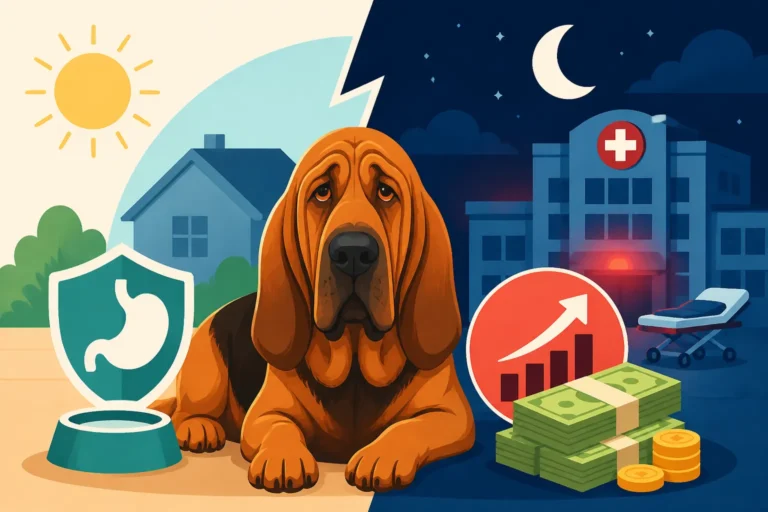
Given the potential costs, particularly for two-stage surgeries, pet insurance can be an absolute lifesaver for Bloodhound owners. However, it's crucial to understand what your policy covers, especially regarding pre-existing or congenital conditions. Most pet insurance policies, including reputable providers like Healthy Paws, will not cover conditions that were present or showed symptoms before your policy's effective date or waiting periods. This is a critical point for Bloodhounds, as eyelid issues are often considered congenital or breed-predisposed. Therefore, enrolling your Bloodhound in pet insurance as early as possible, ideally as a puppy before any symptoms arise, is paramount to ensure these conditions might be covered. Always check with your provider about their specific stance on breed-specific conditions and when coverage for them begins. The question of Whether a Bloodhound Insurer Excludes Eyelids as Congenital is one you must ask upfront.
Beyond insurance, having an emergency fund specifically for your Bloodhound's health needs is highly recommended. These hounds can be prone to several health issues, and medical bills can add up quickly. Consider setting aside a dedicated savings account or having a line of credit available. Many veterinary clinics also offer financing options through third-party services, which can help break down a large bill into more manageable monthly payments. Don't be shy about discussing costs and payment options with your veterinary team; they want your Bloodhound to get the care they need, and they're usually happy to help you explore all possibilities.
Managing Post-Operative Supplies and Medication
The costs don't always end with the surgeon's bill. After eyelid repair, your Bloodhound will likely need a range of post-operative supplies and medications. This almost always includes an Elizabethan collar, which might need to be replaced if it gets damaged or soiled. You'll also have a course of pain medication, anti-inflammatories, and often several types of eye drops or ointments. Some of these medications can be quite expensive, and if they're needed long-term, they can become an ongoing cost.
Many owners find that they can save money on some of these supplies and non-prescription items by shopping online. Sites like Chewy offer a vast selection of Elizabethan collars, recovery suits, and even specialized food for dogs who might need softer meals during recovery. For prescription medications, your vet might offer a prescription that you can fill at a human pharmacy, which can sometimes be more cost-effective than buying directly from the clinic. Additionally, companies like Ollie provide fresh, human-grade dog food that could be gentler on your dog's stomach during recovery, should your vet recommend a temporary diet change. It's always a good idea to discuss options with your vet regarding where to source medications to ensure you're getting authentic products. If you are wondering Whether a Bloodhound Owner Can Buy Eye Drops Cheaper, the answer is often yes, but always verify the source and ensure it's exactly what your vet prescribed.
Disclaimer
This article is for general informational purposes only and does not constitute professional advice. Laws, prices and regulations vary by location and change over time. Consult a qualified professional for guidance on your specific situation.