Whether a Bloodhound Escapes From a Yard It Likes
It’s a common heartache among Bloodhound owners: you love your big, wrinkly scent hound, you've given them a wonderful home with a yard they seem to adore, and yet, one day, you look up and they’re simply gone. You might wonder, "Does a Bloodhound truly escape from a yard it likes?" The simple, often painful, answer is yes. This breed isn't driven by affection for a patch of grass, but by an ancient, powerful instinct that can override comfort, familiarity, and even their deep bond with you. This guide will delve into why a Bloodhound's love for scent trumps its fondness for home, how they manage to Houdini their way out, and what you can realistically do to keep your magnificent tracker safe and sound.
The Bloodhound's Drive: Why "Like" Isn't Enough
Many dog owners assume that if their dog is happy, well-fed, and loves its home, it won't stray. For most breeds, this holds true. A comfortable bed, a favorite toy, and the presence of their beloved humans are usually enough to keep them within their established boundaries. But Bloodhounds? They operate on a completely different set of priorities, etched into their very DNA over centuries. Their primary directive isn't companionship or comfort; it's scent.
The Primacy of Scent Over Comfort
Imagine having a superpower that is constantly "on," drawing you to incredible, invisible pathways. That's a Bloodhound's nose. For them, a yard, no matter how lovely or expansive, is merely a waiting room for the next grand adventure. The faint scent of a rabbit that hopped across the lawn hours ago, the lingering trail of a neighbor who walked by on the sidewalk, or the distant whiff of a deer that crossed the property line a mile down the road – these aren't just interesting smells; they are compelling narratives that demand to be followed.
This instinct is so strong that it overrides almost everything else. A Bloodhound isn't thinking, "Oh, I really love napping on that sunny spot on the patio," when a fresh trail calls to them. Instead, their brain is saying, "Must follow! This story needs an ending!" It's less about disliking their yard and more about an uncontrollable, all-consuming urge to pursue a scent. This is why you'll often hear that Why Off Leash Is Not a Goal With a Bloodhound; their nose is their master when it comes to the outdoors. They're not being disobedient, they're simply being a Bloodhound.
The Impulsivity of a New Trail
The moment a Bloodhound catches a truly fresh, interesting scent that leads beyond their perceived boundaries, a switch flips. There's often no hesitation, no pondering of consequences. It's an immediate, almost trance-like focus that propels them forward. This isn't a malicious act; it's a hardwired response. Their entire being is designed for sustained trailing, for untangling complex scent puzzles. A new trail is an invitation they simply cannot refuse.
This impulsivity means that even the most well-trained Bloodhound, in a moment of scent-induced euphoria, can surprise you. They might have been perfectly happy digging up a molehill or chewing on their favorite toy just moments before, but that fresh whiff of something exciting on the other side of the fence transforms them into a canine detective on a mission. It's this powerful, innate drive that makes securing your yard so profoundly important, far beyond what might be necessary for other breeds.
Common Escape Methods for a Determined Bloodhound
You might have a fence that looks perfectly adequate, and your Bloodhound seems content. But the moment a compelling scent presents itself, their perceived limitations suddenly vanish. Bloodhounds are incredibly resourceful and surprisingly athletic when their nose is leading the way. They aren't just escaping; they're solving a puzzle, and the reward is the continuation of that irresistible scent trail.
Climbing and Jumping
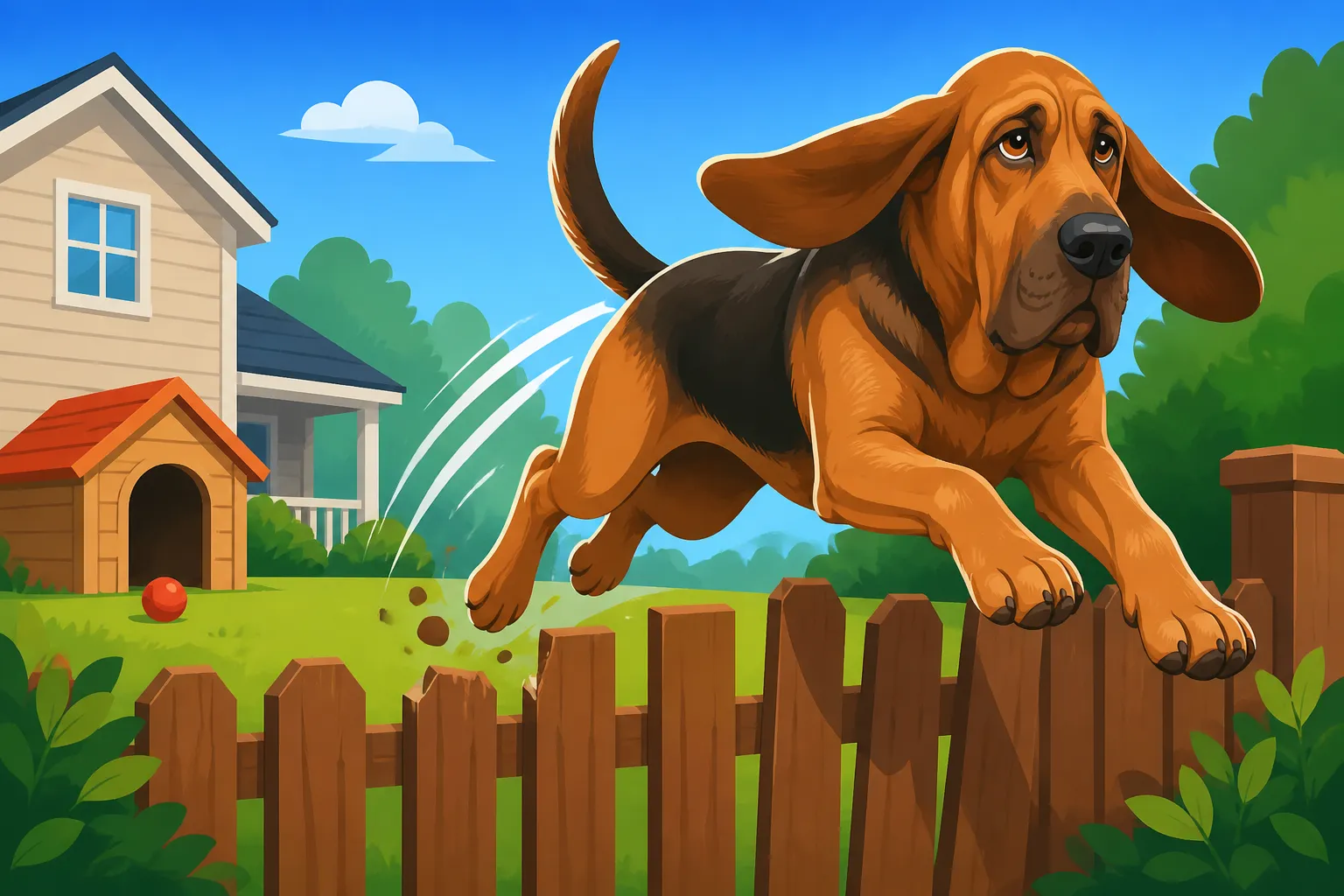
Despite their loose skin, heavy build, and sometimes goofy demeanor, Bloodhounds can be surprisingly adept climbers and jumpers. They might not clear an Olympic high jump, but they are incredibly persistent and can often find purchase where you'd least expect it. A fence that seems too tall can become a ladder if there's a slight lean, a tree branch nearby, or even just enough rough texture for their paws to grip.
Many owners are shocked to discover their seemingly docile hound has scaled a six-foot fence. They aren't necessarily graceful about it, but their sheer determination, fueled by that siren call of scent, can empower them to overcome obstacles that seem insurmountable. Don't underestimate their ability to push, scramble, and leverage their body weight. What might be an ordinary barrier to another dog is merely a challenge to be overcome for a Bloodhound hot on a trail. When considering What Fencing Actually Holds a Bloodhound, you must think beyond simple height.
Digging and Tunneling
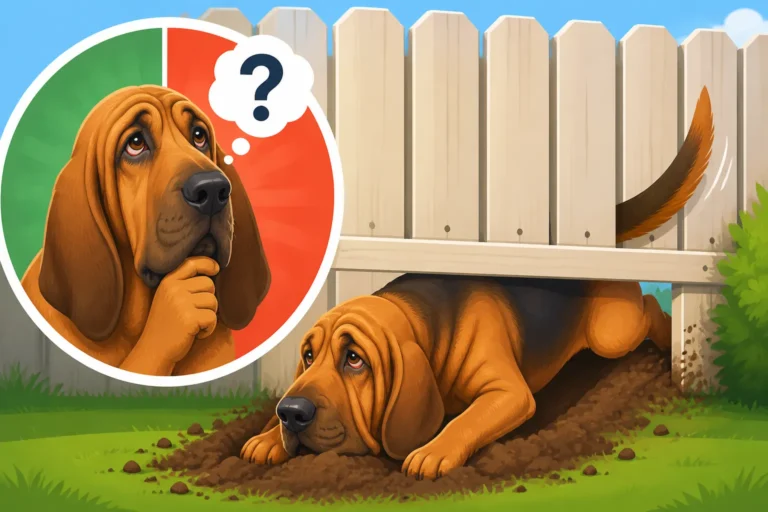
The Bloodhound's powerful paws and inherent curiosity make them natural diggers. While they might dig for fun or to unearth a buried treasure in the yard, when motivated by an escape, their digging becomes focused and relentless. They'll test fence lines, looking for any soft spots, loose soil, or weak points. A small gap at the bottom of a gate or a slightly raised section of chain link can become the starting point for an elaborate tunnel.
Once they start, it's difficult to deter them. The scent is their guiding light, and the earth is just another material to be moved out of the way. Owners often come home to find a neat, or not-so-neat, tunnel under their fence line, with their Bloodhound long gone. It's a testament to their single-mindedness. For more on this, you might be interested in Whether a Bloodhound Digs Under a Fence. This digging instinct is often tied to their desire to follow subterranean scent trails or to simply access what's on the other side.
Gate Latches and Weak Points
Bloodhounds are intelligent, observant dogs, and they quickly learn how things work, especially if it leads to something interesting. They pay attention to how you open gates, and they're quite capable of experimenting with latches. A simple thumb latch or a basic hook can be easily manipulated by a clever Bloodhound. They might nose it, paw at it, or even lean against it repeatedly until it gives way.
Beyond latches, any structural weakness in a fence is an open invitation. Loose boards, sections where the fence meets the house, or even areas where posts have rotted can be exploited. A Bloodhound will test these weak points with their body weight, pushing and wiggling until they create an opening large enough to squeeze through. Remember, they're not just looking for an easy exit; they're responding to the primal urge to follow a trail, and any imperfection in your barrier becomes an opportunity. Their persistence in trying to get through a gate or fence can be astounding, which is why owners often wonder Whether a Bloodhound Pushes Through a Gate.
Preventing Escapes: Fortifying Your Perimeter and Your Relationship
Given a Bloodhound's unparalleled drive to follow scent, relying solely on their "love" for their yard or even their obedience is a recipe for heartbreak. Preventing escapes requires a multi-pronged approach: robust physical security, ample mental and physical enrichment, and a clear understanding of their unique motivations.
Physical Barrier Reinforcement
When it comes to keeping a Bloodhound contained, you need to think like a detective trying to get out, not just a dog owner putting up a fence. Your perimeter needs to be an escape-proof fortress.
- Height Matters, but Not Just Up: While a tall fence (at least 6 feet, preferably 8 feet for a truly determined individual) is crucial to deter jumpers, you also need to consider How High a Bloodhound Can Climb a Fence. Some Bloodhounds are surprisingly agile. If your fence has horizontal slats or a rough texture, it might be climbable. Consider adding "coyote rollers" or inward-sloping extensions to the top to prevent them from getting a grip and going over.
- Dig-Proofing the Base: This is paramount. Burying galvanized wire mesh or a concrete footing along the entire base of your fence can prevent tunneling. You can also lay large rocks or heavy pavers along the interior perimeter. For wooden fences, sinking the bottom board several inches into the ground or attaching a wire skirt can make a huge difference. This negates their instinct to tunnel right under the perceived barrier.
- Gate Security is Non-Negotiable: Simple latches won't cut it. Install sturdy, self-latching gates with multiple locking mechanisms, such as a barrel bolt at the top and bottom, or even a padlock. Ensure there are no gaps between the gate and the posts where a persistent nose can wedge itself. A gate that sags or has loose hinges is an open invitation for a smart Bloodhound.
- No Invisible Fences: Seriously, forget them. While some owners might consider them for other breeds, for a Bloodhound, an invisible fence is usually just a temporary deterrent at best, and often completely ineffective. The urge to follow a scent is so powerful that they will run right through the shock, knowing full well it's coming, because the reward of the trail outweighs the momentary discomfort. This is why it's crucial to understand Whether an Invisible Fence Stops a Bloodhound – spoiler alert: it typically doesn't, not reliably anyway.
Mental and Physical Enrichment
A Bloodhound that is bored, under-stimulated, or has unfulfilled scenting drives is far more likely to seek out an escape. Their "empty afternoon" needs to be filled with purpose.
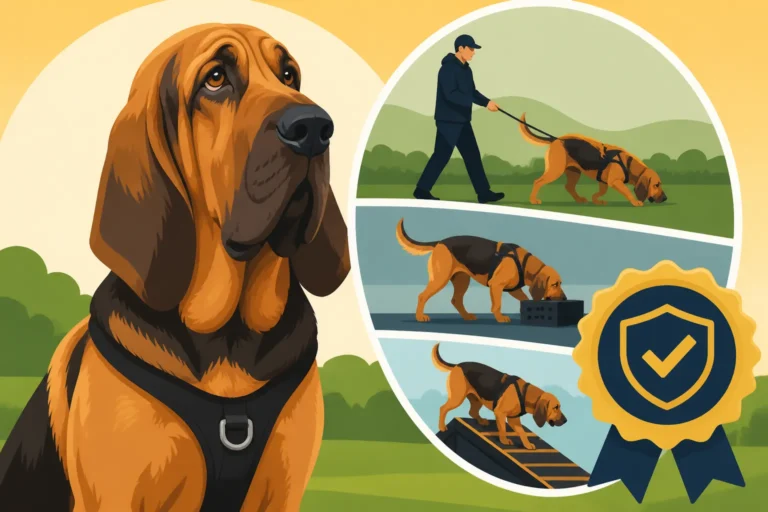
- Scent Work is Their Purpose: This cannot be stressed enough. Bloodhounds need to use their nose. If you don't provide them with structured scent work, they will find their own, often by escaping. This doesn't mean you have to join a professional search and rescue team (though many Bloodhound owners do!). You can start with simple "find it" games in the house, hide-and-seek with treats, or even laying short, easy trails in your secured yard. Look into local nose work classes or even online courses, such as those offered by BAXTER & Bella, which can teach you the basics of engaging your Bloodhound's natural talents.
- Regular, Controlled Exercise: Beyond scent work, Bloodhounds need physical exercise to burn off energy. Long walks on a sturdy leash and harness are essential. Remember, going for a stroll isn't just about potty breaks; it's about engaging with the world safely. A long line can provide a sense of freedom in a safe, open area, allowing them to explore scents more freely than on a standard leash. On Amazon, you can find a variety of durable long lines that can be incredibly useful for controlled outdoor exploration.
- Interactive Toys and Chews: When they are in the yard, ensure they have plenty of engaging toys. Durable puzzle toys that dispense treats, long-lasting chews, and even sturdy balls can help keep their minds and mouths busy, reducing the likelihood of them fixating on the fence line. A Bloodhound with What a Bloodhound Does With an Empty Afternoon is a Bloodhound looking for trouble. Rotate toys regularly to keep them novel and interesting.
Training for Boundaries (with caveats)
While training won't override a Bloodhound's primal scent drive, it can absolutely contribute to better overall management and responsiveness, making them less likely to attempt an escape if the temptation isn't overwhelming.
- Recall Training: This is challenging for a Bloodhound, but vital. Practice recall consistently in a variety of environments, starting in low-distraction areas and gradually increasing the difficulty. Use high-value rewards. The goal isn't necessarily to call them off a screaming hot trail, but to have them respond in less intense situations, or if they've just started to wander.
- "Stay" and "Wait" Commands at Gates: Teach your Bloodhound to wait patiently at all exits. This can create a habit of pausing before crossing a threshold, giving you precious seconds to react if they do try to bolt. Never allow them to push past you when exiting the house or yard.
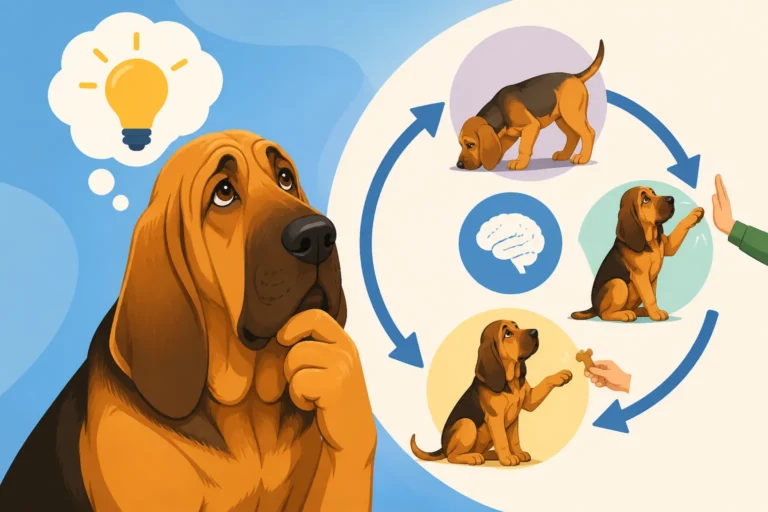
- Positive Reinforcement: Bloodhounds respond best to positive, reward-based training. Harsh corrections or punishment are counterproductive and can damage your bond. Keep training sessions short, fun, and engaging, using food, toys, and praise as motivators. This is why Mantrailing Is the Answer to a Bloodhound, Not Obedience is often highlighted—it taps into their intrinsic motivation rather than trying to force compliance against their nature.
No matter how good your training, remember that a Bloodhound's nose will always be their strongest motivator. Always assume the scent will win.
What to Do When a Bloodhound Goes AWOL
Despite your best efforts, sometimes a determined Bloodhound will still find a way out. It’s a terrifying moment for any owner, but having a plan in place can make all the difference in a swift and safe reunion. Don't waste precious time panicking; act quickly and strategically.
Immediate Action Plan
The first few minutes and hours are critical when your Bloodhound goes missing.
- Search Immediately and Systematically: Don't just wander aimlessly. Grab a leash, high-value treats, and a familiar, scent-rich item (like their favorite blanket or your unwashed shirt). Start by calling their name loudly and clearly, walking the perimeter of your property and expanding outwards in concentric circles. Check all usual haunts: neighbor's yards, local parks, walking trails.
- Alert Neighbors and Local Shelters: Inform your immediate neighbors, especially those with fences that might have been compromised or who might have seen your dog. Contact your local animal shelters, humane societies, and animal control agencies immediately. Provide them with a detailed description and a photo. Make sure your dog is microchipped and that your contact information is up to date, as Whether a Microchip Is Enough for a Bloodhound is a common question, but it's only useful if the information is current.
- Leverage Social Media: Post clear photos and details about your missing Bloodhound on local lost pet Facebook groups, Nextdoor, and other community forums. Share characteristics that make them unique, like specific markings or their distinctive bay. Ask friends and family to share widely.
- Put Out Scent Markers: Place their unwashed bed, a worn piece of your clothing, or their favorite toy near the escape point. The familiar scent might help them orient themselves if they circle back. If your Bloodhound is prone to escaping, you might also want to have a Whether a Bloodhound Needs a Tracking Collar equipped with GPS. This is an investment that can truly pay off in those terrifying moments.
Utilizing Their Instincts for Recovery
The very trait that makes Bloodhounds prone to escaping – their incredible nose – can also be your greatest asset in finding them.
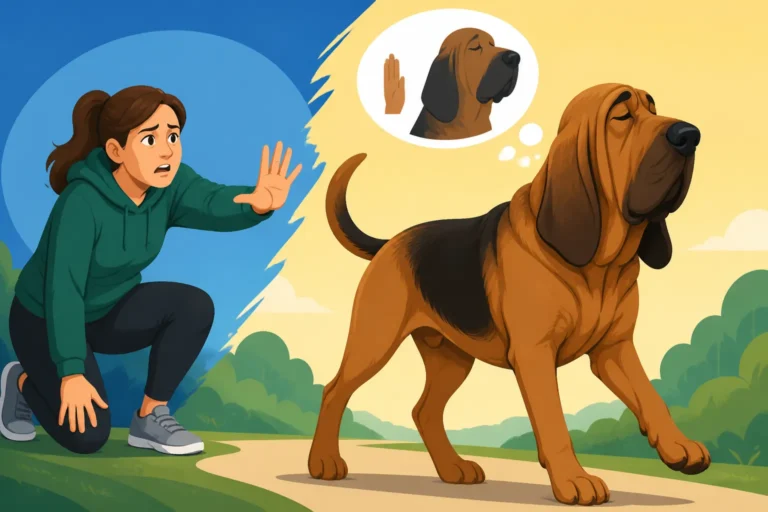
- Don't Chase, Entice: If you spot your Bloodhound in the distance, resist the urge to chase them. This can often scare them further away, or they might interpret it as a game of chase. Instead, crouch down, call their name in a happy, excited voice, and offer a high-value treat or a favorite toy. If they're focused on a trail, they might ignore you, but it's worth a try.
- Lay a "Come Home" Trail: If you know the general direction they went, and it's safe to do so, you can try to lay a reverse trail. Walk back towards your home, dropping small, irresistible treats every few feet. The idea is that if they eventually lift their nose from their current trail, they might pick up your scent and the food, leading them back.
- Patience and Persistence: Finding a lost Bloodhound can take time. How Far a Loose Bloodhound Will Travel can be surprisingly vast, especially if they're following a compelling scent. Don't give up hope. Continue to check with shelters, update social media posts, and re-walk areas where they might have been seen. Sometimes, they will eventually tire or get confused and seek out human contact.
- Professional Trackers (Human and Canine): In serious situations, especially if your Bloodhound has been missing for a while, you might consider contacting a professional pet tracker or even another scent hound team. The irony isn't lost on us, but sometimes it takes a nose to find a nose!
| Escape Method | Prevention Strategy | Key Considerations |
|---|---|---|
| Jumping/Climbing | Minimum 6-8 ft fence; add inward-sloping extensions or coyote rollers. | Check for climbable textures or nearby objects (trees, sheds). |
| Digging/Tunneling | Bury wire mesh or concrete footing along fence base; lay heavy pavers. | Regularly inspect fence line for disturbed earth or new holes. |
| Gate Manipulation | Install multiple, sturdy, self-latching locks; padlock if possible. | Ensure no gaps between gate and posts; check hinges for sagging. |
| Pushing Through | Reinforce weak fence sections; ensure all boards/panels are securely fastened. | Regular maintenance checks for loose spots or wear and tear. |
| Invisible Fence | DO NOT RELY ON THIS. | Bloodhounds will often ignore static correction for a strong scent drive. |
This article is for general informational purposes only and does not constitute professional advice. Laws, prices and regulations vary by location and change over time. Consult a qualified professional for guidance on your specific situation.