How Often a Bloodhound Needs to Work to Stay Sharp
One of the biggest concerns for Bloodhound owners, especially those new to the breed, is how to keep that incredible nose engaged and effective. It’s not just about giving them a job; it's about maintaining their unique ability, ensuring they don’t get bored, and keeping them fulfilled. This guide will walk you through the essential frequency and methods to keep your Bloodhound's scenting abilities sharp, happy, and truly working.
Understanding the Bloodhound's Innate Drive for Scent Work
Let's be real: a Bloodhound's nose isn't just a part of its face; it's its entire world. These dogs are practically born with a blueprint for trailing in their DNA, and it's unlike anything else in the canine kingdom. Their drive isn't something you install or teach; it's a fundamental, deeply ingrained instinct that needs an outlet. Trying to suppress it is like trying to stop the tide – you're just going to make everyone miserable.
Think about how a Bloodhound is physically built. Those long, pendulous ears aren't just for show; they actually help sweep scent particles up towards their super-sensitive noses. And all that loose skin? It traps scent, too, acting like a natural scent sponge that funnels odor molecules right where they need to go. Their olfactory system is so finely tuned that it's practically a superpower. For a Bloodhound, ignoring a compelling scent is like a human trying to ignore a loud, insistent alarm. It's difficult, if not impossible, and profoundly frustrating for them. This means that scent work isn't just a fun pastime; it's a core component of their mental and emotional well-being. They thrive on the challenge, the problem-solving, and the sheer joy of following a trail. You'll find that A Bloodhound's Nose Outvotes Its Handler every single time when a good scent is on the ground.
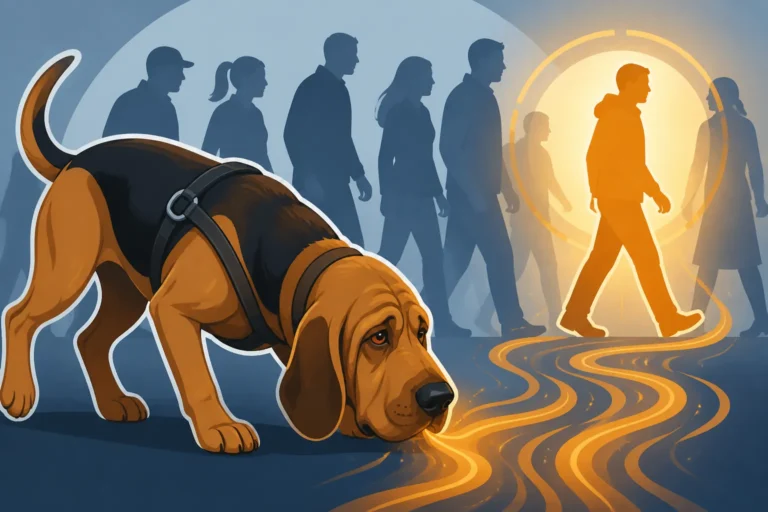
When your Bloodhound is on a trail, they're not just sniffing randomly. They're processing an incredible amount of information, differentiating between individual human scents, discerning the age of a trail, and navigating complex environments. Understanding What a Bloodhound Is Actually Smelling on a Trail helps you appreciate the incredible mental workout they're getting. Without regular opportunities to engage this powerful instinct, a Bloodhound can become bored, restless, and even destructive. Their boundless energy and intelligence, when not channeled, can manifest in ways no owner wants to deal with, like chewing up furniture, incessant baying, or even developing anxiety. They need to use their brains, and for a Bloodhound, using their brain primarily means using their nose.
How Frequently is "Often Enough" to Stay Sharp?
This is the million-dollar question for many Bloodhound owners, and it's usually where people get a little stressed. There's no single, rigid answer, because "sharpness" can mean different things for a pet Bloodhound versus a working search and rescue dog. However, the consistent underlying principle is that regularity is far more important than intensity in keeping that nose truly sharp.
For a Bloodhound in an active working role, such as search and rescue, or for a dedicated hobbyist aiming for trailing titles, several focused sessions a week are generally recommended. This might look like 3-5 dedicated trailing sessions, each lasting anywhere from 20 to 60 minutes, depending on the complexity of the trail and the dog's endurance. These aren't casual walks; these are structured exercises designed to challenge their scenting abilities, often with varying trail ages, surfaces, and environments. The goal is to keep them at peak performance, constantly refining their skills and stamina. Think of it like an athlete needing consistent practice to stay at the top of their game.
For the average pet Bloodhound, whose owner wants to keep them mentally stimulated and happy, the frequency can be a bit more flexible but should still be a priority. Aim for at least 2-3 dedicated scent work sessions a week. These don't have to be formal trailing exercises. They could be:
- Short "runaway" trails: Have a family member or friend walk a short, clear trail and hide, then let your Bloodhound follow their scent.
- Backyard scent games: Hide treats or a favorite toy in the yard and let your Bloodhound sniff them out.
- "Urban" trails: Follow a person's scent for a few blocks in a quiet neighborhood, letting your dog truly work through the distractions.
In addition to these focused sessions, daily "nose games" can make a huge difference. Snuffle mats, treat-dispensing toys, or even just hiding your dog's kibble around the house for them to find can engage their nose and brain in short bursts. This supplementary mental stimulation helps bridge the gaps between more intensive training sessions. It's truly amazing how Nose Work Tires a Bloodhound More Than Walking, offering a deep mental workout that physical exercise alone can't provide.
What happens if they don't get enough work? Their nose won't simply "forget" how to trail, but its efficiency and confidence can diminish. They might become more easily distracted, less persistent, or simply lose some of the sheer joy they derive from the work. More critically, an under-stimulated Bloodhound is a bored Bloodhound, and a bored Bloodhound is often a destructive Bloodhound. They might turn their considerable energy to counter-surfing, excessive baying, or redecorating your home with their teeth. Regular scent work helps prevent these behavioral issues by fulfilling a deep-seated need.
Here’s a quick overview of recommended frequencies:
| Bloodhound Role | Minimum Focused Scent Work | Supplementary Nose Games/Enrichment | Notes |
|---|---|---|---|
| Dedicated Trailing/SAR | 3-5 times per week | Daily | Sessions 30-60 min, varied complexity. High stamina required. |
| Serious Hobbyist | 2-3 times per week | Daily | Sessions 20-45 min, focus on skill building. |
| Well-Adjusted Pet | 2 times per week | Daily (short bursts) | Sessions 15-30 min. Focus on fun, confidence. |
| Companion, Light Activity | Once a week | 3-4 times per week (short) | Shorter, less challenging sessions. Prevent boredom. |
Remember, consistency is key. Even if a session is short, making it regular helps keep those neural pathways firing and that incredible nose ready for action. You're not just training a skill; you're nurturing a part of who they are.
Structuring Scent Work Sessions for Maximum Benefit
When it comes to keeping your Bloodhound's nose sharp, it’s not just about how often you work them, but how you conduct those sessions. Quality always trumps quantity. A well-structured, engaging 20-minute session will yield far better results and keep your dog more motivated than an hour of aimless wandering.
Optimal Session Length and Focus:
For a Bloodhound, a 20-30 minute focused trailing session is often ideal. Longer sessions can lead to fatigue and mental burnout, especially for younger dogs or those just starting out. The goal is to keep them engaged and wanting more, ending before they lose interest or become physically tired. During these sessions, eliminate distractions as much as possible, especially when they are learning. This means finding quiet parks, open fields, or even dedicated trailing areas. The focus should be entirely on the scent puzzle in front of them, allowing them to truly immerse themselves in the work. Even for a serious working dog, short, intense bursts of problem-solving are more effective than long, drawn-out exercises.
Variety is the Spice of Life (and Scent Work):
Imagine if you only ever read the same type of book or watched the same movie. You'd get bored quickly! The same applies to your Bloodhound. Varying the types of trails you set is crucial for developing a truly "sharp" and adaptable nose.
- Surfaces: Introduce trails over different surfaces like grass, concrete, asphalt, dirt, gravel, and even through shallow water or light brush. Each surface holds and disperses scent differently, challenging your dog to adapt.
- Environments: Work in different locations – a quiet suburban park, a bustling urban sidewalk (once advanced), a dense wooded area, or open fields. The varying air currents and environmental factors will push their abilities.
- Trail Age: Start with "fresh" trails (laid just minutes before) and gradually increase the age as your Bloodhound gains experience. A truly sharp Bloodhound can follow How Old a Trail a Bloodhound Can Follow.
- Runaways/Hiders: Use different people as "runaways" to expose your Bloodhound to various individual scents. This prevents them from becoming reliant on just one person's scent.
The Power of Positive Reinforcement and Rewards:
Bloodhounds are incredibly sensitive and motivated by positive experiences. Harsh corrections or force will quickly sour them to scent work. Instead, focus on making every session fun and rewarding.
- High-Value Rewards: When they successfully complete a trail or make a good decision, reward them with something truly exciting. This could be high-value food treats (small, soft, easily swallowed), a favorite squeaky toy, or exuberant praise and a brief game of tug. Many owners find that small pieces of cooked meat or cheese work wonders.
- End on a High Note: Always try to end your session on a success. Even if you had a challenging trail, set up a super easy one at the end that you know your Bloodhound will ace, and then reward them lavishly. This leaves them feeling successful and eager for the next session.
- Praise and Encouragement: Your enthusiasm is contagious! Cheer them on, tell them they're brilliant, and let them know you appreciate their hard work.
Essential Gear:
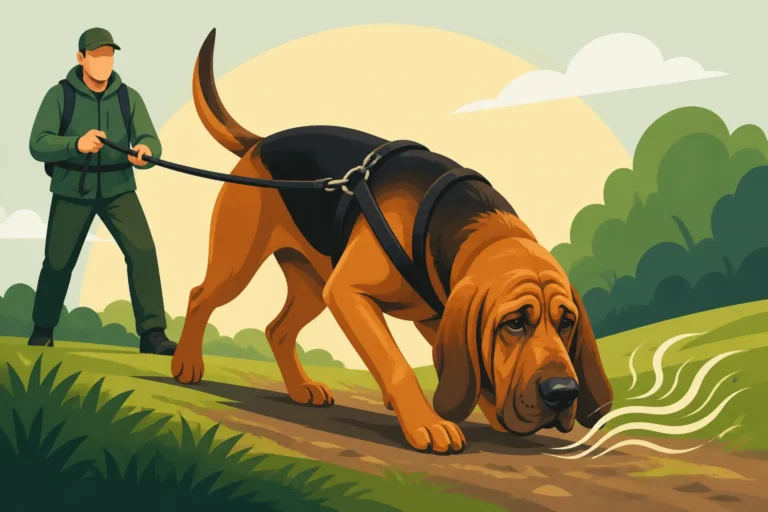
Having the right equipment makes a huge difference in safety and effectiveness. A proper tracking harness and a long line are non-negotiable for serious scent work. The harness distributes pressure evenly across their chest, preventing strain on their neck and allowing them to pull comfortably as they work. A long line (typically 15-30 feet) gives them the freedom to work ahead and explore the scent cone without being completely off-leash, which is rarely a good idea for a Bloodhound. You can find excellent quality tracking harnesses and long lines on platforms like Amazon, ensuring you have the right tools for the job. Many online resources, including comprehensive programs from BAXTER & Bella, also offer structured training guidance that often includes recommendations for specific gear and how to use it effectively in your scent work journey.
Recognizing When Your Bloodhound is "Sharp" and What Keeps Them That Way
How do you know if your Bloodhound's nose is truly "sharp"? It's more than just finding the person at the end of the trail. It's about their demeanor, their focus, and their ability to problem-solve through complex scent puzzles.
Signs of a Sharp Bloodhound:
A Bloodhound with a truly sharp nose exhibits several key behaviors:
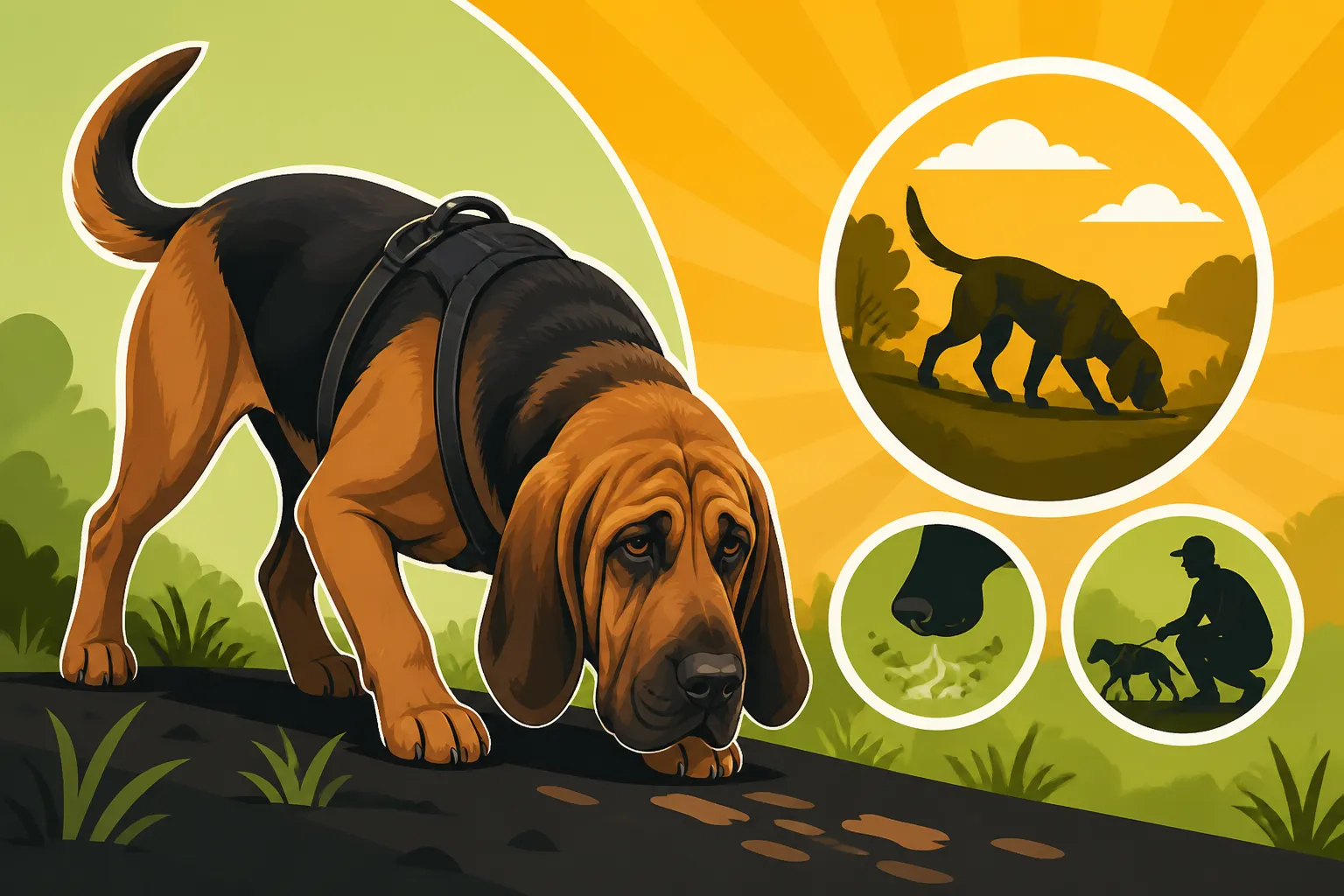
- Purposeful Trailing: They move with a clear intention, nose glued to the ground, systematically working the scent. There’s no hesitant sniffing or random wandering. They are "on the job."
- Confidence: They show minimal frustration when a trail gets faint or crosses confusing areas. Instead, they’ll methodically work loops, casts, or back-tracks until they regain the scent. This confidence comes from experience and successful problem-solving.
- Minimal Distraction: While a Bloodhound is never immune to environmental distractions, a sharp dog will quickly re-engage with the primary scent when given the opportunity. Other dogs, squirrels, or interesting smells might momentarily catch their attention, but their primary focus remains the trail.
- Clear Indication: At the end of a successful trail, they offer a clear "find" indication, whether it's pawing at the hider, baying at them, or returning to you with a specific signal.
- Stamina: They can maintain their focus and physical effort for the duration of the trail, without burning out too quickly. For some trails, How Long a Bloodhound Can Work Before It Tires can be quite impressive, but it's built up over time.
Factors Influencing and Maintaining Sharpness:
Several elements contribute to keeping a Bloodhound's nose in top form:
- Health and Nutrition: A healthy dog is a good working dog. Regular veterinary check-ups, a balanced diet, and appropriate exercise are fundamental. Any underlying health issues, even minor ones, can impact their focus and stamina. For example, joint discomfort can make sustained trailing painful, and ear infections can be incredibly distracting.
- Mental Stimulation Beyond Scent Work: While scent work is paramount, other forms of mental enrichment also contribute to overall brain health and problem-solving skills. Puzzle toys, basic obedience training (in short, fun sessions), and interactive play keep their minds agile.
- Consistent Routine: Dogs thrive on routine. While trail locations and types should vary, having a predictable schedule for scent work helps them anticipate and prepare for their "job." This consistency builds good habits and strengthens their drive.
- Handler Skill and Trust: Your role as the handler is vital. Learning to "read" your Bloodhound, understanding their subtle cues, and trusting their nose are critical. If you constantly second-guess them or try to micromanage, you can undermine their confidence. Educate yourself on trailing techniques, learn about scent theory, and be patient. Resources like the American Bloodhound Club or local scent work clubs can offer invaluable guidance.
- Age Considerations: A young Bloodhound puppy might need more frequent, very short, and highly rewarding sessions to build their initial drive and confidence. As they mature, they can handle longer, more complex trails. As a Bloodhound enters its senior years, typically when Aging in a Bloodhound Starts at Six, their physical stamina might decrease, but their mental desire to work often remains strong. You might need to adjust the length and difficulty of trails, opting for shorter, less physically demanding routes, but continuing regular scent work is still incredibly beneficial for their mental well-being. Don't assume an older dog can't still learn or enjoy scent work; often, Whether an Old Bloodhound Still Learns to Trail is a resounding yes!
Ultimately, keeping a Bloodhound's nose sharp is an ongoing commitment to understanding and nurturing their incredible natural abilities. It's a rewarding journey that strengthens your bond and provides immense fulfillment for your unique companion.
Disclaimer
This article is for general informational purposes only and does not constitute professional advice. Laws, prices and regulations vary by location and change over time. Consult a qualified professional for guidance on your specific situation.