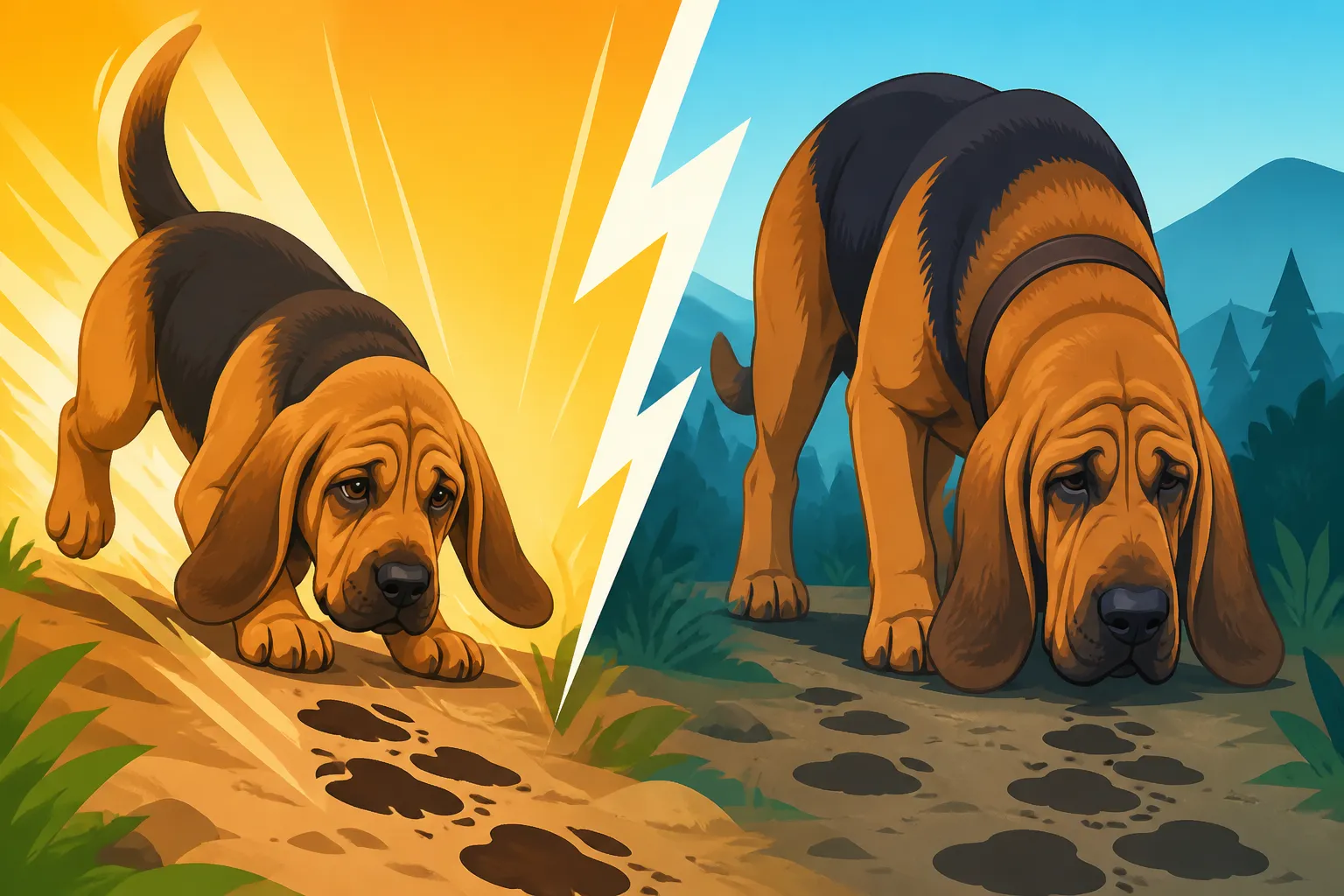
Whether a Young Bloodhound Learns to Trail Faster Than an Adult
It’s a question many new Bloodhound owners ponder as their floppy-eared puppy tumbles through the yard, or when they consider bringing an older rescue into their home: when is the best time to start trailing? The truth is, whether a young Bloodhound learns to trail faster than an adult isn't as straightforward as you might think. Both age groups present unique advantages and challenges on the path to becoming a skilled scent dog, and understanding these can make all the difference in your training journey. This guide will delve into the nuances of training Bloodhounds at different life stages, helping you set realistic expectations and embrace the process, no matter your dog's age.
Understanding the Bloodhound's Natural Trailing Instinct
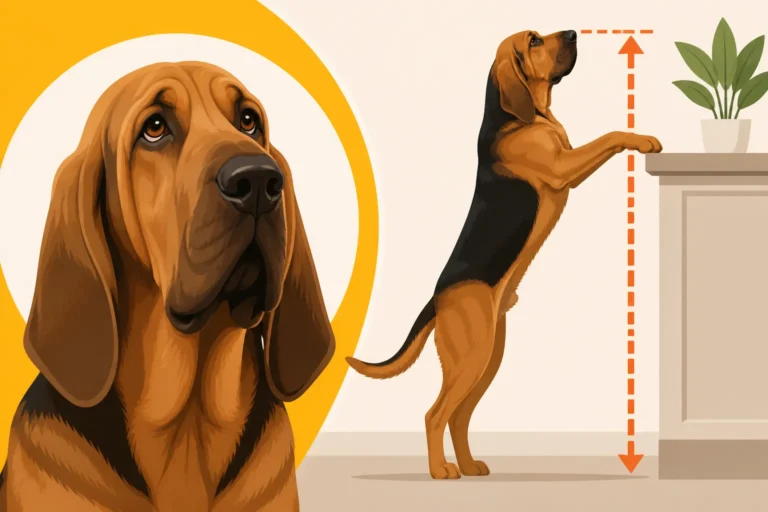
Before we even talk about age, it's crucial to grasp what makes a Bloodhound tick: that incredible nose. These dogs aren't just good at smelling; they are masters of olfaction, driven by an instinct to follow a scent trail with unparalleled focus and determination. It's this deep-seated drive that underpins all trailing work, regardless of when you begin. Their entire anatomy, from those long, scent-gathering ears to the deep wrinkles on their face, is designed to enhance their ability to track.
The Innate Drive vs. Learned Skill
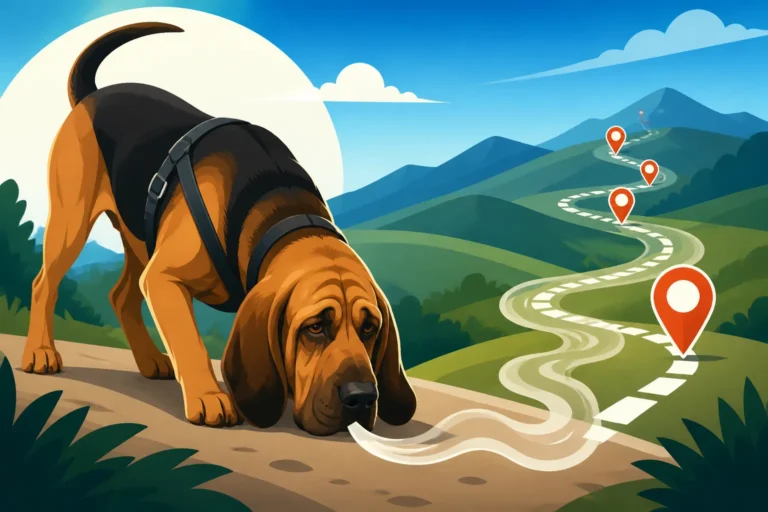
A Bloodhound's ability to smell is largely innate. They are born with millions more olfactory receptors than most other breeds, giving them a biological superpower. This means they can smell and follow a trail from a very young age. However, simply having the nose isn't enough to make them a successful trailing dog in a structured sense. Trailing, as we often think of it, involves a partnership with a human, understanding specific cues, working through distractions, and maintaining focus over varying terrain and conditions. This is where learned skill comes into play. It's about channeling that raw, undeniable instinct into a controllable, effective practice. It’s the difference between a dog sniffing around a park and a dog methodically following a specific person's scent for miles.
How a Young Bloodhound's Nose Develops
Puppies, with their fresh, unbiased minds, are like sponges. They are constantly exploring the world through their noses. A young Bloodhound puppy's scent perception is already incredibly sophisticated, even if their brain hasn't quite caught up with their body or their focus. They're developing neural pathways and making associations every single day. Introducing them to novel scents and short, fun trailing games helps to build their confidence and reinforce that "nose work equals good things." Think of it as laying the groundwork for a massive, complex building. The blueprint for their nose is there from birth, but how they learn to interpret and utilize that blueprint effectively is shaped by early experiences. While their physical endurance for long trails might not be developed yet, their mental capacity to absorb new experiences and form positive associations with scent is at its peak.
The Advantages of Starting Scent Work Young
There's a natural inclination for many owners to start training early, and for good reason. Beginning scent work with a Bloodhound puppy offers several distinct advantages, though it also comes with its own set of considerations. The most significant benefit often lies in shaping their approach from the very beginning. For detailed guidance on getting started, you'll find Starting a Bloodhound Puppy on a Trail a valuable resource.
Building Foundation and Positive Associations
When you introduce a Bloodhound puppy to scent work, you're not just teaching them to follow a trail; you're building a deeply positive foundation for all future training. Puppies are incredibly impressionable. If their first experiences with trailing are fun, rewarding, and low-pressure, they'll develop a lifelong love for the work. This means short, simple trails that always end in success and a big celebration. You're creating an association where engaging their nose brings immense joy and rewards, whether it's their favorite squeaky toy or a handful of high-value treats. This early positive reinforcement can be invaluable, as it teaches them that listening to their nose is a desirable behavior in partnership with you, rather than just an independent activity. Products available on platforms like Amazon, such as puppy-friendly harnesses and easy-to-clean long lines, can be immensely helpful in these early stages.
Early Socialization and Environmental Exposure
Beyond just the scent work itself, starting training young allows you to integrate crucial socialization and environmental exposure into the process. A well-socialized puppy is one that can handle various environments, surfaces, sounds, and distractions with confidence. When training for trailing, your Bloodhound will encounter all sorts of real-world scenarios – busy parks, quiet forests, urban pavements, changing weather conditions. Introducing these elements gradually and positively during puppyhood ensures they grow into a resilient and adaptable trailing dog. If they've experienced many different situations while learning to use their nose, they're less likely to be flustered by unexpected sights or sounds when on a critical trail later in life. This broad exposure is key to building a dog that can focus on scent regardless of what's happening around them.
The Puppy's Learning Curve and Attention Span
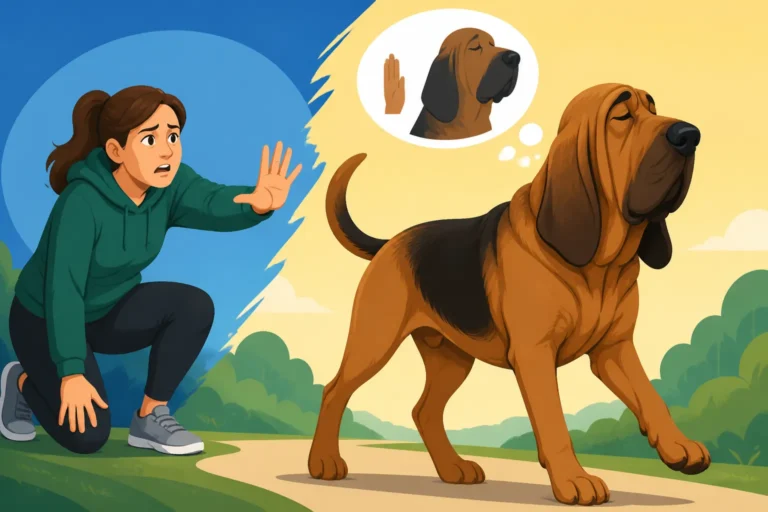
While puppies are eager learners, they also have notoriously short attention spans. This means training sessions need to be brief, engaging, and frequent. You can't expect a 12-week-old Bloodhound to follow a mile-long trail through a crowded shopping center. Instead, you'll be focusing on very short, clear "runaway" trails with a familiar person or object. The learning curve is steep because everything is new, but their capacity for absorption is immense. The challenge lies in managing their boundless energy and easily distracted nature. Consistency is key here; short, successful sessions daily are far more effective than long, infrequent ones. Understanding How Long a Bloodhound's Attention Lasts in a Session is vital for structuring these early training efforts. Many online platforms, like BAXTER & Bella, offer structured puppy training programs that can be adapted for early scent work, emphasizing positive reinforcement and short, manageable lessons.
The Benefits and Considerations of Training an Adult Bloodhound
Now, let's talk about the older dogs. Sometimes, you might adopt an adult Bloodhound, or perhaps life circumstances prevented you from starting scent work earlier. The good news is, an adult Bloodhound can absolutely learn to trail and often brings a different set of strengths to the table. Don't let anyone tell you an old dog can't learn new tricks, especially when that trick taps into their deepest instincts. If you're considering starting with an older dog, the article Whether a Rescue Bloodhound Can Be Started on Scent offers excellent insights.
Maturity, Focus, and Prior Experience
One of the biggest advantages of training an adult Bloodhound is their maturity. An adult dog, especially one past the boisterous puppy and adolescent phases, often possesses a longer attention span and a more settled demeanor. They might be able to focus for longer periods, process information more calmly, and have a better understanding of basic obedience cues, which can be a huge asset in controlling them on a long line. If an adult Bloodhound has had some positive training experiences in other areas, they often generalize those learning skills to new tasks more readily. Their physical stamina is also typically more developed, allowing for longer, more challenging trails sooner than a puppy. This maturity can translate into a more dedicated and less easily distracted worker, even if the initial spark of novelty isn't quite as potent as with a puppy.
Overcoming Pre-existing Habits or Lack of Exposure
The flip side of training an adult is that they might come with pre-existing habits, or simply a complete lack of exposure to formal training. An adult Bloodhound who has never been asked to focus their nose in a structured way might take a little longer to understand the game. They might have learned to pull on the leash as a general habit, making the transition to working on a long line more challenging initially. Or, they might be easily distracted by other dogs, people, or noises if they haven't been properly socialized. These aren't insurmountable obstacles, but they do mean you might spend more time "un-training" old behaviors or slowly building confidence in new environments before the actual trailing work can really take off. Patience, consistency, and positive reinforcement are even more critical when helping an adult dog reshape their understanding of the world and their role in it.
Adjusting Training Methods for the Adult Learner
Training an adult Bloodhound often requires a slightly different approach than with a puppy. While the core principles of positive reinforcement remain, you might need to lean more heavily on their existing understanding of cues, or use higher-value rewards to capture their attention and motivate them. You're working with a dog whose personality and habits are more fully formed. This means being flexible and observant. If an adult dog is struggling with a particular concept, it might be due to a past negative experience or simply a lack of clarity in your communication, rather than an inability to learn. Breaking tasks down into smaller, simpler steps is just as important as with a puppy, but the type of steps might differ. For instance, rather than simply introducing a scent article, you might need to spend more time building a strong "find it" game with an object they adore, thereby transferring that enthusiasm to the scent article. Understanding What a Bloodhound Will Work For is particularly important when motivating an adult learner.
Tailoring Your Approach: Young vs. Adult Training Strategies
Ultimately, the goal is the same whether you start with a puppy or an adult: to develop a confident, capable trailing Bloodhound who loves to use their incredible nose. The path to get there just looks a little different for each age group.
Setting Realistic Expectations for Both Age Groups
It's vital to set realistic expectations. A puppy might pick up the idea of trailing quickly due to their natural curiosity and developing brain, but their physical stamina, focus, and ability to ignore distractions will take time to build. You might see rapid bursts of progress followed by plateaus or even regression as they go through adolescent phases. For an adult, the initial learning phase might be slower if they have no prior experience, but once they grasp the concept, their mature focus and stamina can lead to more consistent progress over longer trails.
Here's a quick comparison:
| Trait | Young Bloodhound (Puppy/Adolescent) | Adult Bloodhound |
|---|---|---|
| Learning Speed | Can be fast to pick up concepts if kept fun and brief. | Might be slower initially, but can be more consistent once concept is grasped. |
| Attention Span | Short, requires frequent, very brief sessions. | Longer, can handle more extended training sessions. |
| Stamina | Limited, needs short trails to avoid overexertion. | Generally greater, suitable for longer and more challenging trails. |
| Distraction Mgmt. | Easily distracted, needs structured environments. | Can be better, but might have ingrained habits or fears. |
| Motivation | Highly food/toy driven, novelty is motivating. | Often motivated by partnership, success, and high-value rewards. |
| Physical Dev. | Still growing, joints need protection from strenuous work. | Fully developed, capable of more intense physical demands. |
| Behavior | Can be excitable, prone to "puppy brain" moments. | More settled, but may have pre-existing issues needing address. |
| Foundation | Building from scratch, ideal for shaping habits. | May need to re-shape old habits or build entirely new ones. |
Remember that The Age a Bloodhound Can Start Serious Trailing is usually after their growth plates have closed, but introductory scent games can begin much earlier.
Recommended Training Resources and Tools
Regardless of age, effective trailing requires the right tools and knowledge. A good, well-fitting harness that doesn't restrict movement and a long line (15-30 feet or more) are essential. You can find many options on Amazon, but always prioritize comfort and durability. For learning how to train, look for experienced trailing instructors or organizations that offer mantrailing classes. These often use positive reinforcement methods, which are crucial for Bloodhounds. Online resources and books by reputable trainers specializing in scent work are also invaluable. Programs like those offered by BAXTER & Bella can provide foundational obedience and communication skills that are transferable to trailing, helping owners learn how to motivate and engage their dogs effectively. Learning Mantrailing Is the Answer to a Bloodhound, Not Obedience will help shift your focus to what truly motivates your Bloodhound.
The Ultimate Goal: A Capable and Confident Trailing Bloodhound
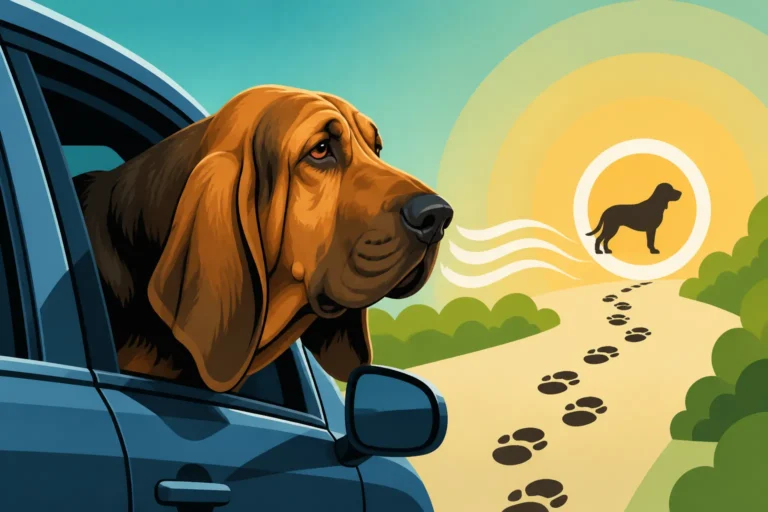
Whether you're starting with a wiggly puppy or a seasoned adult, the ultimate goal is to cultivate a capable and confident Bloodhound who enjoys their work. It's not about speed of learning so much as it is about consistency, patience, and building a strong bond with your dog based on trust and mutual understanding. Every Bloodhound is an individual, and their unique personality and experiences will influence their progress. Celebrate every success, learn from every challenge, and embrace the incredible journey of working with one of the most remarkable noses in the animal kingdom. Understanding What a Bloodhound Is Actually Smelling on a Trail can deepen your appreciation for their efforts and help you better support them.
Disclaimer
This article is for general informational purposes only and does not constitute professional advice. Laws, prices and regulations vary by location and change over time. Consult a qualified professional for guidance on your specific situation.