Wiping a Bloodhound’s Folds Before They Sour
There's nothing quite like the majestic, soulful gaze of a Bloodhound, complete with those wonderfully expressive, loose folds of skin that give them such character. But if you’re a Bloodhound owner, you already know that these iconic wrinkles, while adorable, are also prime real estate for moisture, dirt, and bacteria to set up shop. This often leads to a persistent, sour smell, skin irritation, and even painful infections if not managed properly. This guide is here to walk you through the proactive, consistent care your Bloodhound’s beautiful, distinctive folds absolutely need to stay clean, healthy, and happy.
Understanding the Bloodhound's Unique Skin Folds
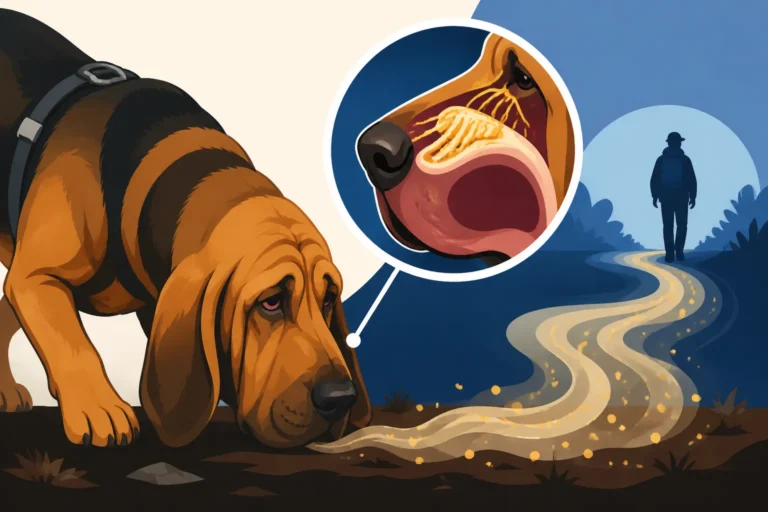
The Bloodhound's skin is a marvel of nature, designed to aid in scent trailing by trapping scent particles. However, this remarkable adaptation also presents a significant challenge for owners. Those abundant folds, particularly around the face, neck, and jowls, create warm, moist environments that are perfect breeding grounds for all sorts of unwelcome guests. Ignoring these areas is simply not an option, as it leads to discomfort for your dog and a less-than-pleasant odor for your home.
Where the Folds Are and Why They're a Problem
When we talk about a Bloodhound's folds, we're not just talking about the obvious dewlap under their chin. Where a Bloodhound's Folds Are is a comprehensive map of these unique anatomical features. You'll find deep wrinkles across their brow, which contribute to that endearing "sad" expression, and pronounced jowls that hang down around their mouth. The neck often boasts several loose rolls of skin, leading down to a significant dewlap on the chest. And don't forget the folds around the eyes, which often expose the delicate conjunctiva, or the subtle wrinkles that can form under their armpits or in their groin area due to their generally loose skin.
Each of these areas, by its very nature, traps moisture. After your Bloodhound drinks, the jowls and lip folds hold water. After a walk in the dew-kissed grass or a splash in a muddy puddle, the neck folds can remain damp. Even normal drooling, which is a Bloodhound specialty, keeps the areas around their mouth perpetually moist. This constant dampness, combined with dead skin cells, food particles, and environmental grime, creates an ideal anaerobic environment for bacterial and yeast overgrowth. Without regular intervention, it’s a recipe for trouble.
The Science Behind Skin Fold Dermatitis
The medical term for the irritation and infection that occurs in these skin folds is pyoderma or skin fold dermatitis. It’s not just a superficial issue; it can be quite painful for your dog. The constant friction between the skin surfaces, exacerbated by moisture, causes inflammation. This inflamed skin is then susceptible to bacterial and yeast infections, most commonly Staphylococcus intermedius and Malassezia pachydermatis. These microorganisms thrive in warm, dark, moist environments, which is exactly what a Bloodhound's deep folds provide.
What Fold Dermatitis Does to a Bloodhound is a deep dive into the specifics, but in essence, it causes redness, itching, a strong, foul odor, and eventually, the skin can become thickened, greasy, and even ulcerated. You might notice your dog rubbing their face on furniture, pawing at their neck, or becoming generally irritable. Early detection and consistent cleaning are paramount to preventing this condition from taking hold. Once it progresses, it often requires veterinary intervention with medicated shampoos, topical ointments, and sometimes even oral antibiotics or antifungals, which is a far more involved process than simple daily wiping.
Common Misconceptions About Bloodhound Folds
It's easy to assume that a Bloodhound's wrinkles are just part of their charm and don't need much special attention. Many new owners, especially those not familiar with breeds prone to skin fold issues, often misunderstand the level of care required. One common misconception is that the folds will "air out" on their own, or that a quick rub with a towel after getting wet is sufficient. This is rarely the case, particularly with the deeper, less accessible folds. The dense nature of their skin means air circulation is minimal.
Another misconception is that any strong odor is just "the way a Bloodhound smells." While Bloodhounds do have a characteristic "houndy" scent, a sour, yeasty, or overtly pungent smell often indicates an underlying issue, usually a developing skin fold infection. Whether a Bloodhound Carries an Odor From Its Folds delves into this. It's crucial to differentiate between a natural breed scent and a sign of poor hygiene or infection. A healthy, clean Bloodhound should not have an offensive odor emanating from its folds. If you notice it, consider it a red flag signaling the need for more diligent cleaning or a vet check-up.
The Daily Ritual: Why and How Often to Wipe
For Bloodhounds, fold care isn't a sometimes thing; it's an every-day thing. Establishing a routine is critical, not just for hygiene but also for your dog's overall comfort and health. Think of it as preventative medicine you can administer right at home. It prevents minor irritations from escalating into painful, costly infections and keeps your beloved companion smelling fresh and feeling good.
The Immediate Benefits of Regular Wiping
The most immediate benefit of regular fold wiping is preventing the accumulation of moisture and debris. Imagine having water trapped in a skin fold on your own body – it wouldn't take long for it to become itchy, irritated, and uncomfortable. The same goes for your Bloodhound. By wiping away saliva, food particles, and environmental grime, you instantly reduce the fuel for bacterial and yeast growth. This means less itching, less redness, and a significantly diminished chance of those tell-tale sour smells.
Furthermore, consistent wiping also allows you to regularly inspect your dog's skin. You become intimately familiar with what their healthy skin looks and feels like. This means you're much more likely to spot early signs of trouble, like a slight redness, a subtle change in texture, or an emerging rash, before it becomes a full-blown problem. Early intervention is key to managing any skin issue effectively and often prevents the need for more aggressive treatments. It's a small investment of time for a big payoff in health and comfort.
Establishing a Consistent Cleaning Schedule
So, how often should you actually wipe those folds? For most Bloodhounds, daily wiping is the bare minimum, especially for the facial and neck folds. How Often a Bloodhound's Folds Need Wiping highlights that certain areas, like the jowls and lip folds, might need attention multiple times a day, particularly after meals or a big drink of water. Think of it like brushing your own teeth – it’s a non-negotiable part of daily hygiene.
To make it a positive experience, try to integrate it into your existing routine. Maybe it's first thing in the morning when you're having your coffee, or right after their evening meal. Use a calm, reassuring tone and offer plenty of praise and a high-value treat during and immediately after the cleaning session. Start when your Bloodhound is a puppy, if possible, to get them accustomed to the handling. Make it a bonding experience, not a chore. A well-socialized Bloodhound will tolerate this much better, making the process smoother for everyone involved. Consistency is key; skipping days makes it harder to manage and more likely your dog will resist.
Signs Your Bloodhound's Folds Need More Attention
Even with a consistent routine, sometimes life happens, or your dog might be experiencing a flare-up due to allergies or environmental factors. It’s important to know the Signs a Bloodhound's Fold Is Turning and recognize when your current cleaning regimen isn't quite cutting it. Look for increased redness or inflammation within the folds. You might notice the skin appearing moist or greasy, even shortly after cleaning. A stronger, more pungent or yeasty odor is another major indicator that bacteria or yeast are gaining the upper hand.
Your Bloodhound might also exhibit behavioral changes, such as excessive rubbing of their face against furniture or the floor, pawing at their neck, or shaking their head more frequently. They might become sensitive to touch in these areas, flinching or pulling away when you try to clean them. If you see hair loss, crusts, pustules, or actual open sores within the folds, these are clear signs of an active infection that requires immediate veterinary attention. Don't wait; addressing these issues quickly can prevent them from becoming more severe and painful.
Essential Tools and Supplies for Fold Care
Having the right tools on hand makes the daily fold-cleaning ritual much more efficient and effective. You don't need a massive array of specialized gadgets, but a few key items will make a world of difference in keeping those folds pristine and healthy.
Choosing the Right Wipes and Cleansers
When it comes to cleaning solutions, gentle is always the name of the game. For routine daily wiping, many owners find simple, fragrance-free baby wipes or pet-specific wipes to be effective. However, Whether Baby Wipes Are Safe on a Bloodhound is a crucial question to consider. While many are fine, always check the ingredients for alcohol, strong perfumes, or propylene glycol, which can be irritating. Opt for wipes designed for sensitive skin. For areas prone to yeast or bacterial overgrowth, wipes containing chlorhexidine or ketoconazole are excellent choices, but these are generally recommended by your vet for active issues or prevention in highly susceptible dogs.
You can often find these specialized wipes through online retailers like Chewy or Amazon, making it easy to keep a supply on hand. For general cleaning, a soft, damp cloth with plain warm water can also work wonders, especially if your dog has very sensitive skin. The most important thing is that whatever you use is non-irritating, safe if ingested (since they'll be licking their jowls), and effective at removing debris and moisture. Always have plenty of clean, dry cloths or paper towels for drying the folds after wiping, as leaving them damp defeats the purpose!
Snoods and Specialized Bowls: Beyond Wiping
Sometimes, the simplest solutions are the most overlooked. For Bloodhounds, whose long, pendulous ears and copious jowls are constantly dipping into their food and water, specialized equipment can make a huge difference. A "snood" is essentially a fabric tube that you slip over your dog's head, covering their ears and sometimes their jowls, to keep them out of their bowls while they eat and drink. This prevents their beautiful ears from becoming wet, dirty, and food-laden, reducing the need for constant ear cleaning and preventing irritation on the ear leather itself.
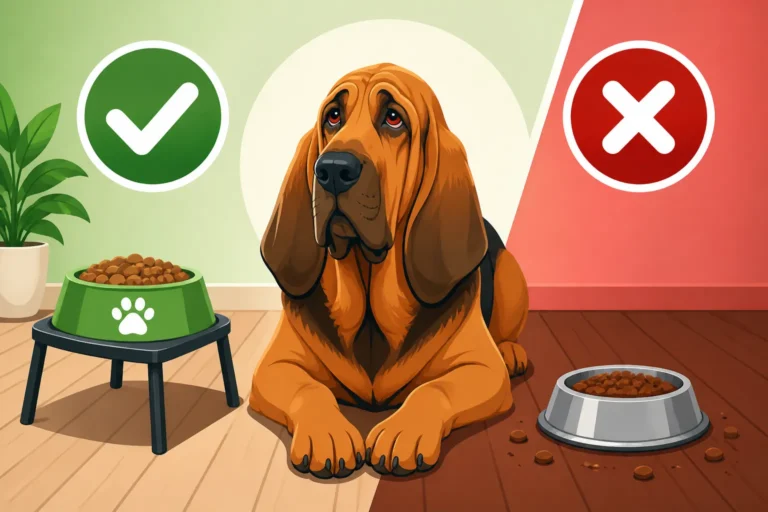
Similarly, specific bowl designs can minimize mess and keep those long jowls cleaner. Narrow, deep bowls prevent the ears from dipping in, and some designs even have slanted sides or inner lips to contain splashes. Which Bowl Shape Keeps a Bloodhound's Ears Out can give you more specific guidance. While these don't eliminate the need for wiping, they significantly reduce the amount of post-meal and post-drink cleanup required, thereby reducing the time moisture sits in the folds. Investing in these items, often available on Amazon or Chewy, can save you a lot of effort and your Bloodhound a lot of discomfort in the long run.
What to Avoid in Bloodhound Fold Care Products
Just as important as knowing what to use, is knowing what to avoid. Harsh chemicals, strong fragrances, and alcohol-based products are big no-nos. These can strip the natural oils from your Bloodhound’s skin, leading to dryness, irritation, and even open sores, which ironically makes them more susceptible to infection. Avoid human-grade cosmetic products unless specifically advised by your vet, as human skin pH and needs are very different from a dog’s.
Also, be wary of heavily perfumed "deodorizing" sprays or powders. While they might mask the smell temporarily, they don't address the underlying issue of moisture and bacterial growth. In fact, powders can clump and create more irritation within the folds, further exacerbating the problem. If you're constantly fighting a foul odor, it's a sign that your cleaning routine or products aren't effective, or that there's an active infection that needs professional attention, not just a cover-up. Always prioritize gentle, effective cleaning over masking odors with artificial scents.
A Step-by-Step Guide to Cleaning Each Fold Area
The various folds on a Bloodhound's body each present unique challenges and require slightly different approaches. Getting familiar with these nuances will help you clean them thoroughly and keep your dog comfortable. Remember, patience and positive reinforcement are your best tools.
Tackling the Deep Neck Rolls and Chest Wrinkles
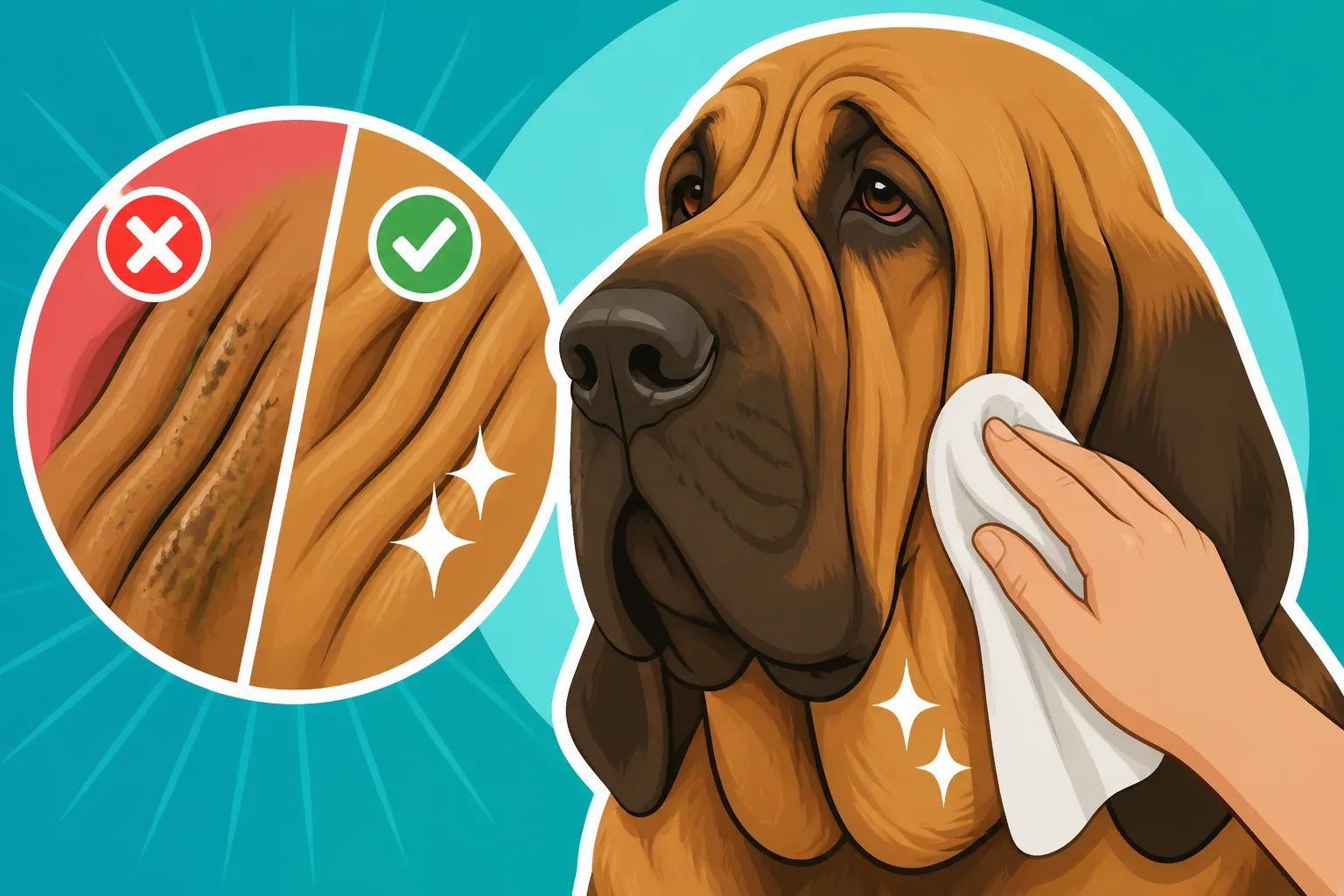
The neck rolls and dewlap area are particularly prone to moisture and friction, especially in active Bloodhounds or those with more pronounced skin laxity. Whether a Bloodhound's Neck Roll Traps Moisture is a definite "yes." To clean these, gently pull the skin taut to expose the deepest parts of the folds. Use a soft, damp cloth or a pet-safe cleansing wipe. Carefully work the cloth into all the crevices, wiping away any dirt, drool, or debris. You'll often be surprised by how much accumulates in these hidden spots.
After cleaning, and this is absolutely critical, ensure the area is completely dry. Use a separate, clean, dry cloth or paper towel to gently blot and air dry the folds. You can even use a cool setting on a hairdryer, held at a safe distance, if your dog tolerates it, to ensure no moisture remains. Leaving these deep folds damp, even with a clean product, is an invitation for yeast and bacteria to flourish. Repeat this daily, and more often if your Bloodhound has been particularly active, swimming, or getting wet.
Managing the Jowls and Lip Folds
The jowls and lip folds are perhaps the most high-traffic areas, constantly in contact with food, water, and saliva. Whether a Bloodhound's Lip Fold Is the Worst One is a strong contender because of this constant exposure and the difficulty of keeping them dry. After every meal and after your Bloodhound drinks water, take a moment to wipe their jowls. Use a dedicated pet wipe or a soft, damp cloth. Gently lift the jowls and wipe the inside of the folds, paying close attention to the deep pockets where food can easily get trapped.
For the lip folds, specifically, you might notice them becoming discolored or developing a sour smell. Use a smaller corner of your cloth or wipe to get right into the corners of their mouth and along the gum line where food and saliva accumulate. Again, the drying step is non-negotiable. Blot the entire area thoroughly. Some owners find that a medicated wipe containing an antifungal or antibacterial ingredient (prescribed by a vet) is helpful for these areas if they are constantly battling a yeasty smell, or as a preventative measure. Remember that your Bloodhound will be licking these areas, so ensure any product you use is safe for them to ingest in small amounts. Whether a Bloodhound's Jowls Should Be Wiped After Drinking is a resounding yes to prevent lingering moisture.
Addressing the Eye and Brow Folds
The folds around a Bloodhound’s eyes are another sensitive area. Their characteristic drooping eyelids (ectropion) often mean that the conjunctiva is more exposed, leading to more tear production and tear staining. The deep brow wrinkles can also trap moisture. Whether a Bloodhound's Face Wrinkles Need Daily Wiping absolutely holds true for these areas. For the eye folds, you'll want to use a very gentle, eye-safe product or simply a clean, damp cloth with warm water. Avoid any harsh chemicals, fragrances, or alcohol.
Wipe gently from the inner corner of the eye outwards, ensuring you don't actually touch the eyeball itself. Remove any tear stains, crusts, or debris that have accumulated. For the brow folds, gently pull the skin to expose the creases and wipe thoroughly. Again, drying is important here, but be extra careful not to rub vigorously around the delicate eye area. If you notice any excessive redness, discharge, or your Bloodhound is squinting or pawing at their eyes, that's a sign to contact your veterinarian, as it could be an eye infection or a more serious issue beyond simple fold care. Daily Eye Care for a Bloodhound provides more details on this topic.
When to Seek Professional Veterinary Help
Despite your best efforts with daily cleaning, sometimes a Bloodhound's folds can still develop problems that require more than just home care. Knowing when to escalate your concerns to a veterinarian is crucial for your dog's health and comfort.
Recognizing the Signs of Infection or Irritation
You're wiping diligently, you're using the right products, but something still seems off. This is where your keen observation as an owner becomes vital. Signs a Bloodhound's Fold Has Become Infected include persistent redness and inflammation that doesn't improve with regular cleaning, an intensified foul or yeasty odor that won't go away, and noticeable discharge that might be yellow, green, or even bloody. The skin itself might look raw, broken, or develop crusts and pustules.
Your Bloodhound's behavior will also give you clues. If they are constantly scratching, rubbing their face or neck, or seem unusually sensitive to being touched in these areas, it's a strong indication of discomfort or pain. They might become lethargic or lose their appetite if the infection is severe. Don't try to self-diagnose or treat with over-the-counter human products; dog skin infections need specific veterinary care to ensure proper healing and prevent recurrence. A quick vet visit can often save weeks of discomfort and more complicated treatment down the line.
When a Medicated Approach is Necessary
Once a skin fold infection has taken hold, routine cleaning with non-medicated wipes simply isn't enough. Your veterinarian will likely prescribe a medicated approach. This could involve topical treatments, such as ointments or sprays containing antibiotics, antifungals, or anti-inflammatory agents. They might also recommend specialized medicated shampoos to be used in conjunction with your regular bathing routine. Whether a Bloodhound's Fold Infection Needs Antibiotics is often yes, especially for bacterial pyoderma.
In more severe or widespread cases, oral medications might be necessary. This could include oral antibiotics to combat bacterial infections or oral antifungals for yeast overgrowth. Sometimes, a short course of steroids might be prescribed to reduce inflammation and itching, providing your Bloodhound with immediate relief. It's crucial to follow your vet's instructions precisely, completing the full course of medication even if symptoms seem to improve quickly, to prevent recurrence and antibiotic resistance. Your vet may also recommend a skin cytology or culture to identify the specific type of bacteria or yeast present, ensuring the most effective treatment.
Surgical Options for Persistent Fold Problems
While most skin fold issues can be managed with diligent cleaning and medical treatment, in rare and severe cases, surgical intervention might be considered. This procedure is called a "fold resection" or "cheiloplasty" (for lip folds) and involves surgically removing the excess skin that forms the deep, problematic folds. This eliminates the deep crevices that trap moisture and become perpetually infected. It's usually considered only when medical management has repeatedly failed, or the dog is experiencing chronic, severe pain and infection that significantly impacts their quality of life.
The decision for surgery is a serious one, as it involves anesthesia and recovery, and it forever changes your Bloodhound's appearance. It's not a cosmetic procedure; it's performed for medical necessity to alleviate chronic suffering. Your veterinarian, possibly in consultation with a veterinary dermatologist or surgeon, will discuss the risks and benefits thoroughly. While it can offer a permanent solution for those with intractable problems, for the vast majority of Bloodhounds, consistent, proactive home care is sufficient to keep their beautiful folds healthy.
Preventing Future Fold Issues and Maintaining Health
Preventing problems is always better than treating them, and this holds especially true for Bloodhound skin fold care. By addressing underlying factors and maintaining a healthy lifestyle, you can significantly reduce the likelihood of future irritation and infections.
Diet and Allergy Management's Role in Skin Health
What goes into your Bloodhound's body can have a profound impact on their skin health. A high-quality, balanced diet provides the essential nutrients needed for a healthy skin barrier and immune system. Some Bloodhounds may also suffer from food allergies or sensitivities, which can manifest as skin issues, including increased inflammation and itchiness in their folds. If you're consistently battling fold problems despite diligent cleaning, your vet might suggest an elimination diet or specialized allergy testing.
There are many excellent dog food brands out there, and some owners find success with brands like Ollie, which offers fresh, human-grade food that can be beneficial for sensitive dogs. Always consult with your veterinarian before making significant dietary changes, especially if you suspect allergies. They can help you identify potential triggers and recommend an appropriate diet that supports overall skin health, reducing the inflammatory load that can worsen fold dermatitis.
Environmental Control and Moisture Reduction
Beyond diet, managing your Bloodhound's environment plays a significant role in preventing fold issues. One key factor is moisture. Whether a Bloodhound's Folds Get Worse in Summer is often true due to increased humidity and outdoor activity. After walks in wet grass, baths, or even just heavy drooling during hot weather, ensure those folds are promptly and thoroughly dried. A quick pat-down isn't enough; you need to lift the folds and gently blot every crevice.
Consider investing in absorbent bedding and ensuring your home environment is clean and free of excessive dust and allergens. If your Bloodhound swims regularly, make sure to give their entire body, especially their folds, a thorough rinse with fresh water and dry them completely afterward. Good airflow around their sleeping areas can also help. Simply being mindful of moisture exposure and taking immediate steps to dry their skin can drastically reduce the conditions that lead to skin fold dermatitis.
Long-term Strategies for a Healthy Bloodhound Coat and Skin
Maintaining a healthy Bloodhound coat and skin is a holistic, ongoing effort. It starts with consistent daily fold care, as we've discussed, but extends to regular bathing, nail trims, and overall good nutrition. While Bloodhounds have short coats that don't require extensive grooming, occasional bathing with a gentle, pH-balanced dog shampoo can help keep their skin clean and free of build-up. Always ensure you thoroughly dry all their folds after a bath.
Regular veterinary check-ups are also crucial. Your vet can monitor your Bloodhound's skin health, provide guidance on preventative care, and address any concerns promptly. Consider using a good quality fish oil supplement, which can support skin and coat health, but always discuss supplements with your vet first. Being proactive, attentive, and consistent in your care routine is the best long-term strategy for ensuring your Bloodhound's folds remain healthy, clean, and free from the discomfort of irritation and infection. It's a commitment, but one that leads to a happier, healthier companion.
| Fold Area | Primary Challenge | Recommended Cleaning Frequency | Suggested Tools/Techniques |
|---|---|---|---|
| Neck Rolls | Moisture, debris, heat | Daily | Soft cloth, gentle cleanser, dry thoroughly |
| Jowls/Lip Folds | Drool, food residue, sour smell | Multiple times daily (after meals) | Medicated wipes, dental wipes, gentle drying |
| Eye/Brow Folds | Tear staining, irritation | Daily | Sterile eye wipes, damp cloth (water only) |
| Underarm/Groin | Friction, sweat, yeast | Weekly, or as needed | Antifungal wipes, medicated shampoo |
Disclaimer
This article is for general informational purposes only and does not constitute professional advice. Laws, prices and regulations vary by location and change over time. Consult a qualified professional for guidance on your specific situation.