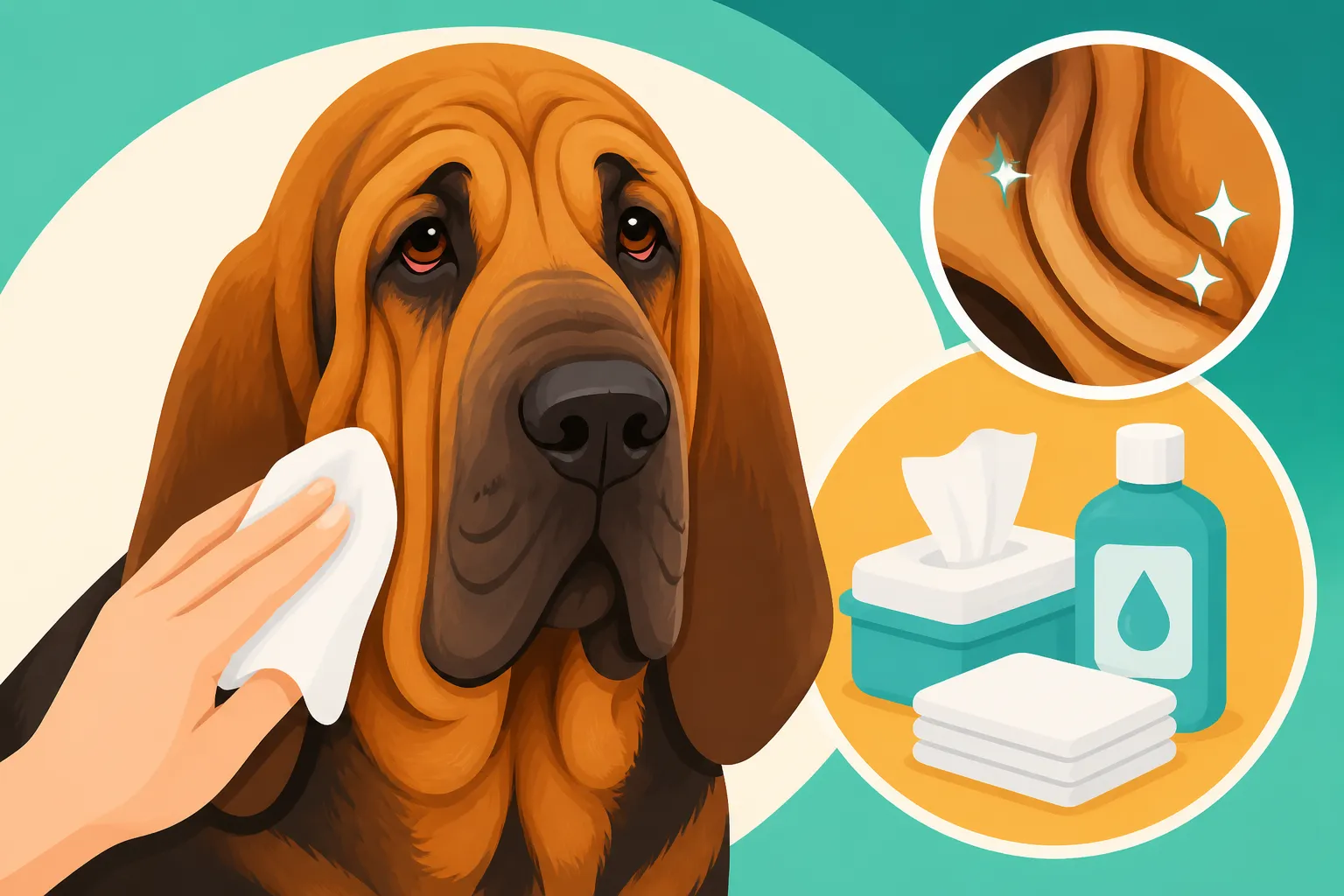
What to Wipe a Bloodhound’s Folds With
Owning a Bloodhound means accepting a whole new level of daily care, especially when it comes to those magnificent, expressive folds of skin. It's not just about aesthetics; these folds, while contributing to their incredible scenting ability, also create perfect little pockets for moisture, debris, and all sorts of microscopic nasties to thrive. If you've found yourself staring at your hound's damp, perhaps even a little aromatic, wrinkles and wondering what on earth is safe and effective to use, you're in the right place. This guide is all about giving you the practical, empathetic advice you need to keep your Bloodhound's skin healthy and comfortable, preventing those minor damp spots from turning into painful, itchy infections.
The Daily Reality of Bloodhound Folds
Let's be real, those glorious folds and wrinkles are a hallmark of the Bloodhound breed, giving them that famously solemn and wise expression. But what looks majestic on the outside presents a unique set of challenges on the inside, or rather, underneath those folds. Every Bloodhound owner quickly learns that this isn't just a surface-level concern; it's a deep dive into dermatology.
Why Those Folds Get So Messy
Imagine constantly wearing a damp blanket, and that's a bit like what the skin under a Bloodhound's folds experiences. Their distinctive loose skin creates numerous crevices – around the eyes, over the brow, down the sides of the face, and especially around the mouth and neck. These aren't just decorative; they're designed to help trap scent particles, but they also trap a whole lot of other things. Food particles, drool, water, dust, dirt from sniffing the ground, and even tears from their often-droopy eyes can all get caught in these hidden pockets.
Once trapped, these substances create a warm, moist, and dark environment – the perfect breeding ground for bacteria and yeast. You might notice a slightly sweet or musty smell, or even a more pronounced, pungent odor, indicating that something's brewing. It's a constant battle against gravity and nature, and if you're not diligent, these areas can quickly become irritated, red, and inflamed. Think about how a toddler's diaper rash develops if left unchecked – it's a similar principle at play here, just with more fur and gravity. The sheer volume of skin means there's always a new spot to keep an eye on. Where a Bloodhound's Folds Sit gives you a good map of the usual suspects.
The Stakes: What Happens If You Don't Wipe Them
Neglecting your Bloodhound's folds isn't just about a little dirt; it can lead to serious discomfort and costly veterinary visits. Initially, you might see some mild redness, perhaps a bit of discharge. This is the first sign of skin fold dermatitis, a common condition in breeds with abundant loose skin. If left unaddressed, this irritation can escalate into a full-blown infection. Bacteria and yeast thrive in these conditions, leading to intense itching, pain, and even open sores. Your Bloodhound might start rubbing their face on furniture, pawing at their ears (which also gather debris from those long, pendulous ears!), or shaking their head excessively, trying to relieve the discomfort.
A severe infection can cause hair loss in the affected areas, thickened skin, and a truly foul odor. It's heartbreaking to see your gentle giant in pain because of something preventable. Beyond the immediate discomfort, chronic infections can become harder to treat, sometimes requiring rounds of antibiotics, antifungals, medicated shampoos, and even sedated cleanings at the vet. In extreme, long-standing cases, the skin can become so damaged and scarred that surgery is considered to remove excess folds, though this is rare and usually a last resort. This is why preventative, consistent fold care is absolutely non-negotiable for a Bloodhound owner. It's truly a part of The Weekly Routine a Bloodhound Owner Cannot Skip.
Essential Tools for Fold Care
Navigating the world of Bloodhound fold care can feel overwhelming with all the products out there. But trust me, you don't need a fancy arsenal to start. The key is consistency and using gentle, appropriate products. Think simple, effective, and always kind to your hound's sensitive skin.
Soft Cloths and Gauze: Your First Line of Defense
Before you even think about solutions, you need the right tools for application and wiping. Disposable gauze pads or soft, clean cotton cloths are your best friends here. I always keep a stack of clean, soft washcloths specifically for my Bloodhound's face and folds. The texture of a good quality washcloth is gentle enough not to irritate delicate skin, yet effective enough to pick up grime and excess moisture. Gauze pads, readily available in most drugstores or on sites like Chewy, are also excellent because they're lint-free and come in various sizes, making them perfect for reaching into smaller, deeper folds without leaving behind fibers that could cause further irritation.
Avoid using harsh scrubbing pads or anything with a rough texture, as this can abrade the skin and make it more susceptible to infection. Similarly, while paper towels might seem convenient, many brands are too coarse and can leave tiny paper fibers behind. The goal is gentle, thorough cleaning, not exfoliation! Make sure whatever you use is clean for each cleaning session. Reusing a damp cloth is an open invitation for bacterial growth, which is exactly what we're trying to prevent. Think of it like cleaning a baby's bottom – you wouldn't reuse a wipe, would you? The same goes for your beloved Bloodhound.
Mild Cleansers for General Grime
For daily maintenance and general cleaning, a mild, non-irritating cleanser is often all you need. The goal here is to remove dirt, drool, and moisture without stripping the skin of its natural oils or causing dryness.
- Plain Warm Water: Honestly, for many Bloodhounds without active irritation, a soft cloth dampened with just warm water is incredibly effective. It's non-toxic, readily available, and completely free of chemicals that could cause a reaction. This is often my go-to for a quick wipe after meals or a particularly slobbery drink of water.
- Diluted Chlorhexidine Solution: For a step up, especially if you notice a slight odor or persistent dampness, a very dilute chlorhexidine solution can be wonderful. Chlorhexidine is an antiseptic often used in veterinary medicine, known for its antibacterial and antifungal properties. You can find pre-diluted wipes or a solution concentrate at pet stores or through your vet. If using a concentrate, always dilute it exactly as recommended on the packaging (usually to about 2-4%) to avoid irritation. You want to gently wipe, not soak, the folds with this. It's a powerful ally against developing infections.
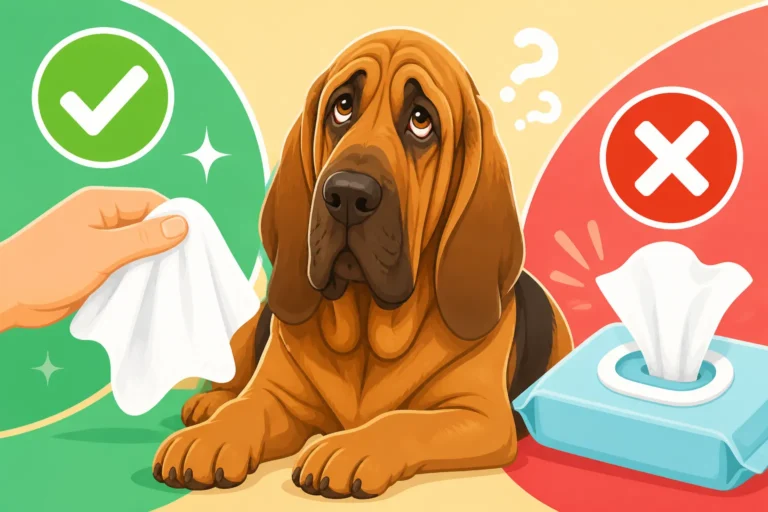
- Gentle Pet Wipes: There are many excellent pet-specific wipes on the market, often containing soothing ingredients like aloe vera or witch hazel, and sometimes a mild antiseptic like boric acid or chlorhexidine. Look for wipes that are alcohol-free and fragrance-free. Products like those available on Amazon from reputable pet brands often list "hypoallergenic" or "for sensitive skin" on the label. These can be super convenient for quick clean-ups when you're on the go or for routine daily maintenance. Just be sure to read the ingredients carefully and test a small area first if your dog has particularly sensitive skin.
Here's a quick comparison of common cleaning options:
| Product Type | Pros | Cons | Best Use Case |
|---|---|---|---|
| Warm Water & Soft Cloth | Cheapest, always available, non-irritating, chemical-free. | No antiseptic properties, less effective on existing odor/bacteria. | Daily routine cleaning, post-meal wipes, sensitive skin. |
| Diluted Chlorhexidine | Excellent antiseptic (antibacterial/antifungal), helps prevent infections, vet-recommended. | Needs proper dilution if concentrated, can be slightly drying if overused or too strong. | Regular maintenance, early signs of irritation/odor, prevention of infection. |
| Gentle Pet Wipes | Convenient, pre-moistened, often contain soothing ingredients, good for quick clean-ups. | Can be more expensive, ingredients vary widely, some may contain irritants. | On-the-go, daily light cleaning, general freshening. |
| Medicated Wipes (Rx/OTC) | Targeted for specific issues (yeast/bacteria), higher potency antiseptics. | Stronger, can be irritating if not used correctly, often more expensive. | Active infection, strong odor, vet-prescribed treatment. |
| Antifungal Washes | Effective for yeast infections, can cover larger areas. | Requires rinsing, more involved than wiping, not for daily use. | Established yeast infections, overall skin health (bath time). |
Remember, consistency is far more important than any single "miracle" product. Regular, gentle cleaning with the right mild solution goes a long way.
When a Little More Help Is Needed
Sometimes, despite your best efforts with mild cleansers, your Bloodhound's folds might start to look a little angry, or that familiar musky smell might deepen. This is when you need to step up your game, usually with specific medicated products. But always, always consult your veterinarian if you suspect an actual infection, as prescription medications might be necessary.
Medicated Wipes for Early Irritation
If you notice early signs of irritation – slight redness, a bit more discharge than usual, or a stronger, yeasty smell – a medicated wipe can be a real game-changer. These wipes are specifically formulated with stronger antiseptic and antifungal agents than your standard pet wipe. Common ingredients might include higher concentrations of chlorhexidine, miconazole (an antifungal), or ketoconazole.
I've had clients whose Bloodhounds were prone to developing yeast infections in their lip folds (a very common spot for this breed, as per Whether a Bloodhound's Lip Fold Is the Worst One). They found that daily use of a medicated wipe, prescribed by their vet or recommended by a groomer, made a huge difference in keeping those flare-ups at bay. You can often find these over-the-counter from brands sold at pet specialty stores or even on Amazon, but always check with your vet first to ensure it's the right product for your dog's specific issue. These wipes are designed to target the fungal or bacterial growth before it gets out of hand, helping to soothe the skin and reduce inflammation. Just be mindful not to over-wipe or rub too aggressively, as the skin is already sensitive.
Antifungal Washes for Yeast and Bacteria
When irritation progresses beyond what a simple medicated wipe can handle, or if your vet confirms a full-blown yeast or bacterial infection, an antifungal or antibacterial wash might be necessary. These are often prescription-strength shampoos or rinses that you would use during bath time, or as a targeted topical treatment for specific areas.
For instance, if your Bloodhound has developed a nasty infection deep within its neck folds – an area that easily traps moisture, as discussed in Whether a Bloodhound's Neck Roll Traps Moisture – your vet might prescribe a chlorhexidine and miconazole shampoo. You would typically lather a small amount into the affected area, let it sit for 5-10 minutes to allow the active ingredients to work, and then rinse thoroughly. The key here is thorough rinsing because any residue left behind can itself cause irritation. Sometimes, if the infection is severe, these washes might need to be used daily for a short period, then tapered off to a maintenance schedule. These aren't your everyday cleaning products; they're therapeutic treatments for active problems. Remember, if you see Signs a Bloodhound's Fold Has Become Infected, it's time for a vet visit, not just a stronger wipe.
Drying Agents and Powders: A Word of Caution
The allure of keeping those folds dry is strong, and some owners consider using drying agents or powders. These products are often made with ingredients like zinc oxide, cornstarch, or other absorbent materials. The idea is to reduce moisture and friction, thus preventing irritation.
However, I approach these with significant caution for Bloodhounds. While they can help keep an already clean and dry fold dry, they pose a risk if used incorrectly or in an already irritated fold. Powders can clump when they come into contact with moisture, creating a paste that traps bacteria and yeast underneath. This can exacerbate the very problem you're trying to solve. Additionally, fine powders can be inhaled by your Bloodhound during application, potentially causing respiratory irritation.
If your vet specifically recommends a drying agent, perhaps one designed for pets and applied sparingly, follow their instructions meticulously. But generally, the best drying agent is simply air. After cleaning, gently pat the folds completely dry with a clean, soft cloth. If your dog is cooperative, you can even carefully use a hairdryer on a cool setting, held far away from the skin, to ensure the folds are thoroughly dry. This is often far safer and more effective than relying on powders. Always err on the side of natural drying rather than introducing a product that could inadvertently make things worse.
Step-by-Step Guide to Effective Fold Cleaning
Consistent and correct fold care is key to preventing discomfort and infection in your Bloodhound. It might seem daunting at first, but once you get into a rhythm, it becomes a quick and routine part of your day, much like brushing your own teeth.
Gathering Your Supplies and Setting the Scene
Before you even call your Bloodhound over, get everything ready. This minimizes fuss and makes the experience smoother for both of you.
- Choose Your Cleanser: Decide whether you'll use warm water, a mild pet wipe, or a diluted antiseptic solution based on your dog's current needs. If using a solution, have it pre-mixed.
- Grab Your Wiping Material: Have a generous stack of soft, clean gauze pads or cotton cloths within reach. You might need several, especially if your Bloodhound is particularly messy or has many deep folds.
- Treats, Treats, Treats! This is non-negotiable, especially when you're first introducing fold cleaning to your Bloodhound or reinforcing positive behavior. Small, high-value treats are perfect. Think freeze-dried liver, small pieces of cheese, or soft training treats.
- A Well-Lit, Comfortable Spot: Choose an area where you have good lighting so you can clearly see into the folds. A raised surface like a sturdy grooming table or a kitchen counter (if your dog is comfortable being lifted) can save your back. Otherwise, a comfy spot on the floor where your dog can relax is fine.
- Distraction (Optional but Recommended): Some Bloodhounds are wonderfully cooperative, but others might need a little distraction. A lick mat smeared with peanut butter (xylitol-free, of course!) or a durable chew toy can keep them occupied while you work.
By having everything prepared, you're signaling to your Bloodhound that this is a calm, routine activity, not a battle. This positive association is crucial for lifelong cooperation.
The Gentle Cleaning Technique
Now that you're ready, approach your Bloodhound calmly and make the experience as gentle and positive as possible.
- Start with Affection: Begin by petting and praising your Bloodhound. Offer a treat before you even touch their folds to set a positive tone.
- Examine the Folds: Gently lift each fold of skin, starting with the most accessible ones (like those on the forehead) and moving to the more challenging areas (like the lip folds or under the chin). Look for redness, dampness, debris, or any unusual discharge. Pay close attention to Where a Bloodhound's Folds Sit to ensure you're not missing any spots.
- Wipe Gently, Not Scrub: Take a clean, damp cloth or gauze pad. Gently wipe into the folds, moving from the inside out. Don't scrub! The goal is to lift away moisture and debris. For deeper folds, you might need to use your finger, wrapped in gauze, to gently reach into the crevices. If you're using a liquid cleanser, apply it to the cloth first, rather than directly to the dog's face.
- Use Fresh Wipes/Cloths: As soon as a wipe or cloth becomes soiled, discard it and grab a fresh one. This prevents spreading bacteria or dirt from one fold to another.
- Focus on Common Problem Areas: Give extra attention to the lip folds, which often catch food and drool. The skin under their chin and around their neck can also be prone to dampness, especially if they've been drinking a lot. Don't forget the folds around their eyes, which can accumulate tear stains and dirt, a common issue as their lower eyelids often droop. For the eyes, a separate, designated eye-safe wipe or plain saline solution is usually best. Daily Eye Care for a Bloodhound is a whole topic in itself!
- Be Thorough but Quick: Aim to clean each fold thoroughly, but don't drag out the process. A quick, efficient cleaning is better than a long, drawn-out struggle.
- Praise and Reward: Throughout the process, offer soft praise. As soon as you finish a fold or the entire session, immediately offer another high-value treat and enthusiastic praise. You want them to associate fold cleaning with good things!
Remember, consistency is key. How Often a Bloodhound's Folds Need Wiping truly depends on your individual dog, but for many, it's a daily ritual.
Post-Cleaning Care and Observation
Your job isn't quite done after the wiping. The drying step is just as important, if not more so, than the cleaning itself.
- Dry Thoroughly: Using a separate, clean, dry cloth or gauze pad, gently pat each fold completely dry. This is critical. Leaving any moisture behind, even a little, creates that perfect breeding ground we're trying to avoid. Take your time with this step, ensuring every crease is as dry as possible. As mentioned earlier, a cool-setting hairdryer can be a huge help if your dog tolerates it.
- Inspect One Last Time: After drying, take another quick look at all the folds. Are they clean? Are they dry? Do you see any lingering redness or irritation that might warrant closer attention tomorrow, or perhaps a call to the vet? Early detection of problems can save a lot of heartache and expense down the line.
- Reinforce Positive Behavior: End the entire session with a big celebration! More treats, belly rubs, a short play session – anything to cement the idea that fold cleaning is a positive, rewarding experience.
- Ongoing Observation: Keep an eye on your Bloodhound throughout the day. Are they still itching? Rubbing their face? Do you notice any new odors or discharge? Your continuous observation is your best tool for staying ahead of potential issues. If you start to notice Signs a Bloodhound's Fold Is Turning, don't hesitate to contact your vet. It's much easier to treat a problem when it's small.
Common Mistakes and How to Avoid Them
It’s easy to make a misstep when you’re dealing with something as unique as Bloodhound folds. Learning from common pitfalls can save you time, money, and most importantly, prevent discomfort for your furry friend.
Using the Wrong Products
This is probably the most frequent mistake I see owners make, often with the best intentions. Your Bloodhound's skin is far more sensitive than your own, and what works for humans can be disastrous for dogs.
- Human Products: Never use human shampoos, soaps, or facial cleansers on your Bloodhound's folds. Our products often contain perfumes, dyes, and ingredients that are too harsh or have a pH balance incompatible with canine skin, leading to dryness, irritation, and allergic reactions. Even "baby wipes" are often formulated with ingredients like propylene glycol or fragrances that can irritate sensitive dog skin.
- Alcohol-Based Products: Avoid anything with alcohol, as it will be incredibly drying and painful on irritated skin. While it might seem like a good way to "disinfect," it can cause more harm than good in the long run.
- Strong Scents or Dyes: These can be irritating and misleading. A heavily fragranced product might mask an odor temporarily, but it won't address the underlying bacterial or yeast issue, and the fragrance itself can be an irritant. Your Bloodhound's natural scent, even if a bit "houndy," is normal; a strong, unpleasant odor usually indicates a problem. Whether a Bloodhound Carries an Odor From Its Folds is a good read to understand the difference between normal and problematic smells.
- Home Remedies Without Vet Approval: While anecdotal advice abounds on the internet, avoid using things like apple cider vinegar, essential oils, or baking soda solutions without explicit veterinary guidance. Many of these can be irritating, toxic if ingested (and your Bloodhound will lick their face), or simply ineffective. Stick to products specifically formulated for pets or those recommended by a professional.
When in doubt, less is more, and always consult your vet. They can guide you toward appropriate veterinary-grade cleansers or over-the-counter options available on platforms like Chewy or your local pet store that are known to be safe and effective for Bloodhounds.
Neglecting Folds or Over-Cleaning
It's a delicate balance, isn't it? On one hand, neglecting those folds is a surefire path to infection. On the other, over-cleaning or cleaning too aggressively can also cause problems.
- Neglect: If you only clean the folds when you smell a problem or see visible redness, you're already behind the curve. By then, an infection has likely taken root, causing your Bloodhound discomfort and requiring more intensive (and expensive) treatment. Regular, preventative cleaning is the goal. For many Bloodhounds, this means a quick wipe-down once a day, perhaps twice for particularly slobbery or active individuals. How Many Minutes a Day a Bloodhound's Upkeep Takes can give you an idea of the time commitment.
- Over-Cleaning or Aggressive Scrubbing: While diligence is good, scrubbing too hard or cleaning with strong chemicals too frequently can strip the skin of its natural protective barrier, leading to dryness, micro-abrasions, and making it more susceptible to infection. Imagine scrubbing your own face raw every day – it wouldn't feel good, right? Always be gentle, using soft materials and mild products for routine cleaning. If a fold looks perfectly healthy and dry, a quick check might be enough that day, rather than a full deep clean. Your vet can advise you on the optimal frequency for your specific dog.
Ignoring the Signs of Trouble
Bloodhounds are often stoic, and sometimes the first sign of a problem isn't a loud complaint but a subtle change. Ignoring these early warning signs can lead to a quickly escalating infection.
- Persistent Redness or Inflammation: A little pinkness after cleaning is normal, but if an area remains red, swollen, or inflamed, it's a red flag.
- Strong, Persistent Odor: As mentioned, a "houndy" smell is one thing, but a strong, sweet, yeasty, or putrid odor is definitely not normal and indicates bacterial or fungal overgrowth. Whether a Bloodhound's Fold Smell Means Infection offers more insight.
- Discharge: Any yellowish, green, or thick discharge (beyond normal clear moisture or saliva) is a sign of infection.
- Itching, Rubbing, or Pawing: If your Bloodhound is constantly rubbing its face, pawing at its folds, or shaking its head, they're telling you something is bothering them.
- Pain Upon Touch: If your dog flinches, pulls away, or growls when you try to clean a specific fold, it's likely painful, indicating a significant problem.
If you observe any of these signs, don't try to self-diagnose or treat with stronger over-the-counter products without veterinary input. A quick trip to the vet can identify the specific type of infection (bacterial, yeast, or both) and get your Bloodhound on the correct course of treatment, whether that's prescription medicated wipes, oral antibiotics, or specific antifungal medications. Whether a Bloodhound's Fold Infection Needs Antibiotics is a serious question your vet can answer definitively. Early intervention is crucial for a swift and complete recovery.
Integrating Fold Care into Your Routine
For a Bloodhound owner, fold care isn't a chore; it's an essential act of love and responsible pet ownership. It needs to be as ingrained in your daily life as feeding them or taking them for a walk.
Making It a Positive Experience for Your Bloodhound
The secret to a cooperative Bloodhound is making every care routine a positive, low-stress, and rewarding experience. This isn't about dominance; it's about building trust and positive associations.
- Start Young (If Possible): If you have a Bloodhound puppy, start fold cleaning early and often. Even a quick, gentle wipe with warm water, followed by a treat, can set them up for a lifetime of accepting this routine. Puppies are sponges for learning, and positive early experiences are invaluable.
- Short, Frequent Sessions: Instead of one long, arduous cleaning session, opt for shorter, more frequent ones. A minute or two focusing on one or two key areas is far better than a ten-minute struggle that leaves both of you stressed. You can always come back to other areas later.
- Associate with Good Things: Always, always pair fold cleaning with high-value treats and enthusiastic praise. The moment you finish a fold, or even a particularly difficult area, reward them. You want them to think, "Oh, fold cleaning means delicious snacks!"
- Relaxed Demeanor: Your Bloodhound will pick up on your energy. If you're stressed or tense, they will be too. Approach the task calmly, speak in soothing tones, and make it a quiet, bonding moment.
- Be Patient: Some days will be easier than others. If your Bloodhound is particularly antsy or uncooperative, don't force it. Try again later when they're more relaxed. A calm, gentle approach will win out in the long run. Never punish them for being uncooperative; it will only make future sessions harder.
- Use the Right Tools: As discussed, soft cloths and appropriate cleansers make a big difference. If you're using a solution, ensure it's not too cold or too hot. Comfort is key.
- Incorporate into Other Routines: You can tie fold cleaning into other positive daily events, like after a meal (when they're probably already a bit slobbery) or before bedtime when things are winding down. This helps integrate it seamlessly into their day.
By consistently making fold care a positive experience, you'll find your Bloodhound not just tolerating it, but perhaps even looking forward to it (for the treats, if nothing else!).
The Lifelong Commitment to Bloodhound Wrinkles
Understanding that Bloodhound fold care is a lifelong commitment is crucial for anyone considering or currently owning this wonderful breed. It's not a temporary phase or something you can slack on once they're adults. Those folds are there for life, and so is the need to care for them.
- Prevention is Paramount: The old adage "an ounce of prevention is worth a pound of cure" couldn't be truer for Bloodhound folds. Daily maintenance significantly reduces the chances of developing painful, stubborn infections. This consistent routine will save you countless headaches and veterinary bills. Remember, Wiping a Bloodhound's Folds Before They Sour is the best strategy.
- Seasonal Considerations: Be mindful of environmental factors. Whether a Bloodhound's Folds Get Worse in Summer is a common question, and the answer is often yes. Heat and humidity can exacerbate moisture retention in the folds, making them more prone to issues. You might need to increase the frequency of cleaning during warmer months or after a humid outdoor adventure. After a rainy walk or a swim, ensure their folds are meticulously dried, not just their coat.
- Diet and Allergies: Sometimes, persistent fold issues can be linked to underlying allergies, either environmental or food-related. If your Bloodhound suffers from chronic skin infections in their folds despite diligent cleaning, discuss this with your vet. A change in diet (perhaps to a limited ingredient food like some offered by Ollie or other specialized brands) or allergy management might be necessary.
- Professional Guidance: Don't hesitate to seek professional advice. Your veterinarian is your best resource for diagnosing and treating fold issues. They can recommend specific medicated washes or wipes like Whether a Bloodhound's Folds Need a Medicated Wash, prescribe oral medications if needed, and offer personalized advice for your dog's unique skin. A professional groomer experienced with Bloodhounds can also provide tips on maintaining coat and skin health around those tricky areas.
- Financial Foresight: Factor fold care supplies into your budget. While mild cleansers and cloths aren't terribly expensive, regular purchases add up. If infections become frequent, the cost of vet visits, diagnostics, and prescription medications can be substantial. Consistent daily care truly minimizes these potential financial strains in the long run.
Owning a Bloodhound is a deeply rewarding experience, filled with the joy of their loyal companionship and incredible noses. Their unique physical traits, while charming, demand a dedicated approach to hygiene. By understanding what to wipe your Bloodhound's folds with, how to do it gently, and why it's so important, you're ensuring your beloved hound lives a healthy, comfortable, and happy life, free from the irritation of neglected wrinkles.
Disclaimer
This article is for general informational purposes only and does not constitute professional advice. Laws, prices and regulations vary by location and change over time. Consult a qualified professional for guidance on your specific situation.