How Often a Bloodhound’s Ear Tips Need Washing
If you're a Bloodhound owner, you know the struggle: those magnificent, long, velvety ears are a defining feature, but they’re also a magnet for everything from mud and burrs to stray bits of kibble. One common frustration is dealing with dirty ear tips, which can get surprisingly grimy even if the inner ear canal is meticulously cared for. This comprehensive guide will walk you through understanding why your Bloodhound's ear tips get so dirty and how often you truly need to wash them to keep them healthy and comfortable.
The Unique Design of a Bloodhound's Ears and Their Purpose
Bloodhounds are truly one-of-a-kind, and much of their distinctiveness comes from their incredible sense of smell, aided significantly by their distinctive ear structure. These aren't just floppy ears; they're finely tuned scent-gathering instruments, though this design comes with its own set of care challenges.
Beyond Appearance: The Trailing Function
When you watch a Bloodhound work, head low to the ground, you see those long, pendulous ears, known as "leathers," sweeping the terrain. This isn't just for show. As the Bloodhound moves, these ears actually help to funnel scent molecules towards their incredibly powerful nose. The folds and wrinkles on their face and neck, combined with those long ears, create a kind of "scent vacuum" that traps ground-level odors and directs them right where they need to go. It's an evolutionary masterpiece for tracking, allowing them to follow trails that are days, sometimes even weeks, old. This constant contact with the ground, however, is precisely what makes their ear tips such a hotspot for dirt and grime. They are literally sweeping the floor with their ears!
The Anatomy of the Pendulous Ear Leather
A Bloodhound's ear leather isn't just a simple flap; it's a complex structure. It's thick, heavy, and extends far below the jawline, often reaching the dog's chest when relaxed. The outer surface is covered in short, dense hair, while the inner surface, especially closer to the ear canal, might have finer hair. The sheer size and weight of these ears mean that they often drag on the ground, dangle into food and water bowls, and brush against everything your Bloodhound investigates with their nose. This continuous contact with the environment makes the tips, in particular, highly susceptible to accumulating dirt, debris, and even food particles. Understanding this fundamental design is key to appreciating why A Bloodhound's Ears Are a Standing Infection Risk and require such diligent care.
Why Bloodhound Ear Tips Specifically Demand Attention
It’s easy to focus on the deep, dark ear canal when thinking about ear health, but a Bloodhound's ear tips have their own unique vulnerabilities that demand specific attention. Neglecting them can lead to a host of unpleasant issues, both for your dog and your household.
Exposure to the Elements and the Ground
Imagine taking a piece of delicate velvet and dragging it through every puddle, mud patch, dusty trail, and thorny bush you encounter on a walk. That's essentially what your Bloodhound's ear tips do every single day. Their natural trailing posture means their ears are constantly sweeping the ground, picking up anything and everything. In the fall, burs become a nightmare. In spring, pollen and mud cling stubbornly. Whether Burrs Catch in a Bloodhound's Ear Leather is a very real concern for many owners. Even in a perfectly clean home, those tips dip into water bowls, brush against dusty floorboards, and catch food scraps from enthusiastic eaters. This constant exposure means they're not just getting a little dirty; they're actively collecting environmental grime.
Accumulation of Dirt, Debris, and Moisture
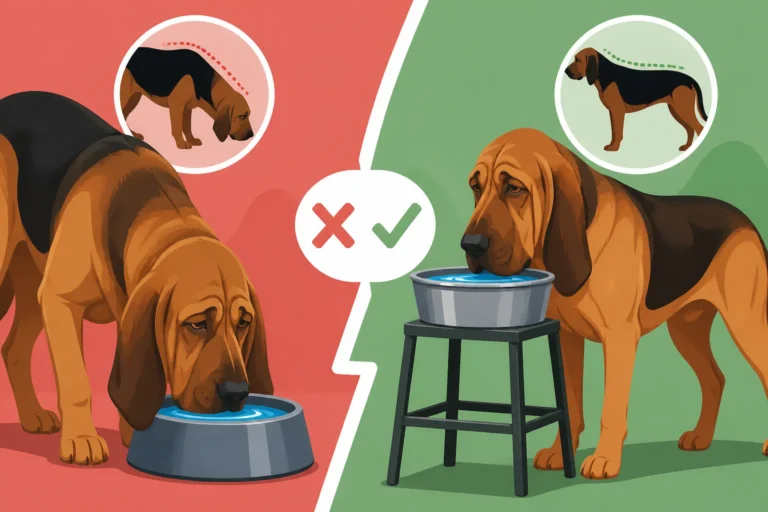
Beyond simple dirt, the unique environment created by pendulous ears can foster problems. The tips of the ears, especially the undersides, are prone to accumulating moisture. After a drink of water, a walk in the dew-laden grass, or even a vigorous shake, moisture can get trapped between the folds or simply cling to the fur. This dampness, combined with the collected dirt and debris, creates a perfect breeding ground for bacteria and yeast, leading to irritation, unpleasant odors, and potential skin issues. Owners often describe a distinct "Bloodhound smell" that can be exacerbated by neglected ear tips. Plus, if food particles from dinner get stuck to the tips, they can ferment and attract even more unwelcome guests. It’s not just about aesthetics; it’s about preventing discomfort and potential infection.
Factors Influencing How Often You Need to Wash Your Bloodhound's Ear Tips
There's no single magic number for how often to wash your Bloodhound's ear tips because every dog and every living situation is a little different. However, understanding the key factors that influence this frequency can help you tailor a routine that works best for your individual hound.
Lifestyle and Environment: The Adventurous Bloodhound
Consider your Bloodhound's daily life. Do they spend hours romping through fields, investigating every scent trail in the woods, or exploring muddy creek beds? If so, their ear tips are likely to be far dirtier, far more often, than a Bloodhound whose primary outdoor activity is a leashed walk around a paved neighborhood. A working Bloodhound involved in mantrailing or search and rescue will naturally have more exposure to grime, dust, and varied terrains. Even within the home, a slobbery eater or a dog that loves to bury its face in blankets can quickly soil those long ears. For these more adventurous or mess-prone hounds, a daily quick wipe might be necessary, with a more thorough wash every few days. Whether a Working Bloodhound Costs More to Keep Than a Pet One is often reflected in the extra grooming and care needed for their active lifestyle, including ear maintenance.
Individual Bloodhound Tendencies and Health
Just like people, every Bloodhound is an individual. Some are naturally cleaner, more careful eaters, or less inclined to roll in questionable puddles. Others are mud magnets, always finding the messiest spot to explore. Pay attention to your dog's specific habits. Does your Bloodhound constantly shake its head after drinking, slinging water (and whatever was in the bowl) onto its ear tips? Do they have particularly deep wrinkles or excessive skin folds around their face that trap more moisture and debris near the ears? Underlying health issues can also play a role. Bloodhounds with allergies might have more sensitive skin, making them prone to irritation if their ear tips are consistently damp or dirty. Similarly, a dog recovering from an ear infection might need more frequent, gentle cleaning of the outer ear and tips to support healing and prevent recurrence. Keeping a close eye on their behavior and any signs of irritation is crucial for adjusting your routine.
Establishing a Regular Ear Tip Cleaning Routine
Consistency is key when it comes to Bloodhound ear care. Just like a daily walk, a routine for their ears can make all the difference in preventing problems and keeping your hound comfortable. It's about finding that balance between necessary cleanliness and not overdoing it.
Daily Wipes vs. Deeper Washes
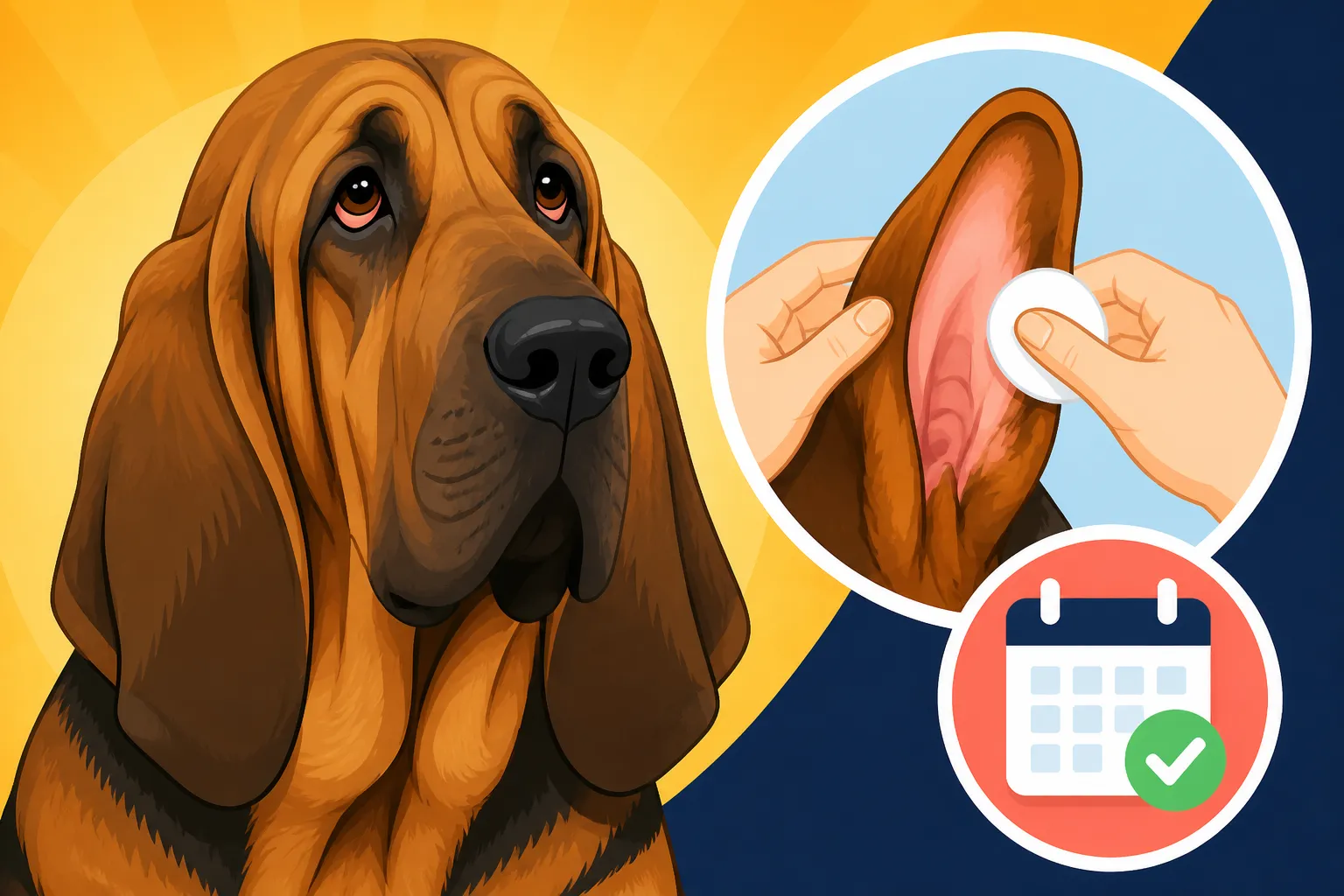
For most Bloodhounds, especially those who spend a good amount of time outdoors or are prone to slobber, a daily wipe-down of the ear tips is an excellent starting point. This isn't about deep cleaning the ear canal – that's a separate, less frequent task for which How Often a Bloodhound's Ears Need Cleaning covers more comprehensively – but rather tackling the external gunk. A soft, damp cloth, or a pet-specific ear wipe, can quickly remove surface dirt, food residue, and excess moisture from the tips. This daily ritual is preventative, stopping minor accumulations from becoming caked-on messes or irritation hot spots.
For a deeper wash, which might be needed a couple of times a week or after a particularly muddy adventure, you'll want to use a mild, dog-safe shampoo or a dedicated ear cleaning solution designed for the outer ear. This is when you can gently lather the tips, paying attention to any folds or crevices, and then rinse thoroughly. The goal isn't to get water down the ear canal, but to cleanse the external ear leather. Think of it like washing your own hands: daily hand sanitizer (wipes) and occasional soap and water (deeper wash).
The Right Tools and Products for the Job
Having the right supplies on hand makes the routine much easier. You'll want:
- Soft cloths or cotton rounds: For daily wiping. Avoid cotton balls as they can shred and leave fibers.
- Pet-specific ear wipes: These are often pre-moistened with gentle cleaning solutions and can be very convenient for quick clean-ups. Brands like Vet's Best or Earthbath offer good options you can find on sites like Chewy or Amazon.
- Mild dog shampoo: For deeper washes. Ensure it's gentle and hypoallergenic, if your dog has sensitive skin.
- A Bloodhound snood: Seriously, these are a game-changer! A snood is a fabric tube that you slip over your Bloodhound's head, covering their ears, especially during meal times. It keeps their ears out of their food and water, drastically reducing the amount of post-meal cleanup. What a Snood Does for a Bloodhound is something every owner should learn about early on.
- Plenty of treats: To make the experience positive!
Remember to always follow product instructions and consult your vet if you have any doubts about which products are best for your dog, especially if they have sensitive skin or a history of ear issues.
Recognizing the Signs of Neglected Ear Tips
It’s one thing to know how to clean your Bloodhound’s ear tips, and another to know when they’ve been neglected. Paying close attention to early warning signs can save you and your dog a lot of discomfort and potentially costly vet visits.
Staining, Odor, and Skin Irritation
One of the most immediate signs of neglected ear tips is visual. You might notice dark, brownish, or reddish staining on the fur, especially on the underside of the ear leathers. This staining often indicates a buildup of dirt, yeast, or sometimes even tear staining that has wicked down. Alongside this, a distinct, unpleasant odor is a major red flag. It won't be that typical "dog smell" but rather a yeasty, musky, or even sour scent. This smell is often caused by the proliferation of bacteria or yeast in a warm, moist, and dirty environment.
Beyond aesthetics, neglected ear tips can lead to actual skin irritation. Look for redness, flakiness, or even small bumps or scabs on the skin underneath the fur of the ear tips. Your Bloodhound might start scratching or rubbing their ears more frequently, not necessarily at the canal, but specifically at the tips or the surrounding jowls. They might even become sensitive to touch around their ears, pulling away when you try to pet them. Whether a Bloodhound's Ears Get Sore at the Tips is a clear indicator that attention is needed.
Preventing More Serious Ear Issues
While ear tip neglect primarily affects the outer ear, it can contribute to a broader environment that encourages more serious internal ear problems. The moisture and microbial buildup on the tips can eventually migrate closer to the ear canal opening. This creates a prime opportunity for full-blown ear infections. If an ear infection takes hold, you're looking at much more intensive and expensive treatment, including vet visits, ear cultures What a Bloodhound's Ear Culture Costs, prescription medications, and potentially even sedated ear cleanings.
Moreover, persistent moisture and irritation can lead to skin fold dermatitis, which can manifest not just around the eyes and jowls, but also in the deep creases where the ear leather meets the head. Preventing these issues starts with diligent basic hygiene, including regularly washing those prominent ear tips. By staying on top of tip cleanliness, you're not just making your dog more comfortable and smell better, you're actively safeguarding their overall ear health.
Practical Steps for Washing Your Bloodhound's Ear Tips
Once you've decided on your cleaning frequency, the next step is to make the actual process as smooth and stress-free as possible for both you and your Bloodhound. A little preparation and a calm demeanor go a long way.
Creating a Positive Experience
Let's be honest, not every dog loves having their ears handled, especially if previous experiences have been unpleasant or associated with discomfort. For your Bloodhound, whose ears are so central to their world, it's crucial to make ear tip washing a positive experience. Start by gathering all your supplies before you even call your dog over. Choose a quiet, comfortable space where you won't be interrupted.
Introduce the cleaning process gradually. Begin by simply touching and stroking their ears, offering praise and high-value treats. Work your way up to holding their ear tips, then gently wiping them, always pairing the action with positive reinforcement. If your Bloodhound seems anxious, keep sessions short and sweet. You might even consider using a snood to contain their ears during meal times before you attempt actual washing, so they get used to the sensation. The goal is to build trust and associate ear handling with good things, making future cleanings much easier.
Thorough Cleaning and Drying Techniques
When it's time for a proper wash, be methodical.
- Preparation: Have your chosen gentle dog shampoo or ear cleaner, soft cloths, and a towel ready. If you use a snood for meals, consider putting it on right before you start to keep the clean tips clean and to signal that "ear time" has begun.
- Lathering (for deep wash): If using shampoo, wet the ear tips with a small amount of warm water (avoiding the ear canal opening). Apply a pea-sized amount of shampoo to your fingers and gently work it into a lather on the outer and inner surfaces of the ear tips, paying close attention to any folds or grooves. Avoid scrubbing harshly; gentle massaging is sufficient. If you're just doing a daily wipe, skip the water and shampoo and simply use a pet ear wipe or a damp cloth to gently clean the surfaces.
- Rinsing (for deep wash): This is critical. You need to rinse all the shampoo off the ear tips thoroughly. Use a damp cloth or a very light stream of water (again, being extremely careful not to get water into the ear canal). Residual shampoo can cause irritation, so be diligent.
- Drying: Perhaps the most important step for Bloodhounds! Those long ears trap moisture. After rinsing, gently blot the ear tips dry with a clean, absorbent towel. You can also allow them to air dry in a warm, draft-free room, but ideally, you want them as dry as possible, as quickly as possible, to prevent a damp environment for yeast and bacteria. You can carefully use a hairdryer on a cool setting, held far from the ear, if your dog tolerates it, but manual blotting is usually sufficient. Remember, Why a Bloodhound's Ear Canal Stays Damp is a concern, and this applies to the outer ear tips too.
By following these steps, you’ll not only ensure clean ear tips but also contribute to your Bloodhound’s overall ear health and comfort.
Common Problems Arising from Neglected Ear Tips
Ignoring your Bloodhound’s ear tips might seem like a small oversight, but over time, it can snowball into significant discomfort for your dog and a headache for you. Understanding the potential pitfalls can motivate you to stick to that cleaning routine.
Staining, Odor, and Skin Irritation
The most immediate and noticeable consequence of neglected ear tips is the buildup of visible grime and the accompanying odor. Those once-velvety ear leathers can become stiff, greasy, and discolored with dark, crusty deposits. This isn't just aesthetically unappealing; it's a sign of bacterial and yeast overgrowth. The characteristic "Bloodhound smell" becomes more potent and unpleasant, often described as musty or cheesy. This is directly linked to the damp, dirty environment created by the long ears sweeping the ground and dipping into everything.
Beneath that accumulated gunk, the skin itself starts to suffer. Constant moisture and friction, combined with the irritation from microbial growth, can lead to redness, inflammation, and even hair loss on the ear tips. You might notice small scabs, flaky skin, or even hot spots – localized areas of intense skin irritation that your dog will compulsively lick or scratch, making the problem worse. This discomfort can lead to your Bloodhound frequently shaking their head, rubbing their ears against furniture, or pawing at them, all signs that their ear tips are causing them distress. Signs a Bloodhound's Ear Is Infected may begin with these external irritations before progressing to the internal canal.
Preventing More Serious Ear Issues
While the ear tips themselves are external, their neglect can absolutely contribute to deeper, more severe ear problems. The skin on the ear tips, if compromised by irritation or infection, can act as a gateway for pathogens to move into the more sensitive areas closer to the ear canal. If the skin breaks down from scratching or persistent dampness, it becomes an open invitation for bacteria and yeast to flourish and potentially invade the deeper ear structures.
Furthermore, a constantly damp and dirty ear tip environment means that bacteria and yeast are always present at the entrance of the ear canal. This constant presence increases the likelihood of these opportunistic organisms migrating into the warm, dark, and moist canal itself, leading to full-blown otitis externa (ear infections). These internal infections are far more serious, painful, and challenging to treat than simple external irritation. They often require veterinary intervention, including antibiotics, antifungals, and specialized ear cleaners, and can become chronic if not addressed promptly and thoroughly. In severe, long-standing cases, chronic ear infections can even lead to irreversible damage to the ear canal, potentially requiring extensive surgery. Thus, taking care of those external ear tips is a vital first line of defense against much more significant health concerns for your Bloodhound.
Tools and Techniques for Effective Ear Tip Washing
Having the right equipment and knowing how to use it properly can transform ear tip washing from a dreaded chore into a manageable part of your Bloodhound’s routine. It’s all about efficiency and gentleness.
Selecting the Best Cleaning Supplies
The market is flooded with pet care products, so choosing the right ones for your Bloodhound’s delicate ear tips is important.
- Gentle Pet Wipes: For daily maintenance, pre-moistened pet wipes are incredibly convenient. Look for wipes specifically formulated for dogs, ideally hypoallergenic and alcohol-free, to prevent irritation. Many brands are available on Amazon and Chewy, offering various ingredients like aloe vera or witch hazel, which can be soothing. Always check the ingredient list.
- Mild Dog Shampoo: For those deeper cleans, you'll need a shampoo. Again, prioritize mildness. Baby shampoo (human) is often recommended for puppies due to its gentleness, but a good quality dog shampoo designed for sensitive skin is usually best. Avoid anything with harsh dyes, fragrances, or strong chemicals that could strip natural oils or cause irritation.
- Soft Cloths/Gauze Pads: These are excellent for applying cleaning solutions and drying. Avoid cotton balls, as they can shred and leave fibers behind, particularly on wet fur. Gauze pads or soft microfiber cloths are more effective and won't leave irritating residue.
- Bloodhound Snood: This isn't a cleaning supply, but it’s a preventative tool that drastically reduces the need for constant ear tip washing, especially around meal times. By keeping those long ears out of food and water, you cut down on a huge source of grime. You can find various styles and fabrics for snoods online, including on Chewy.
Best Practices for Handling and Washing
Your approach to washing is just as important as the products you use. A calm, confident handler makes for a cooperative Bloodhound.
- Preparation is Key: Before you even start, gather everything you need. This prevents you from having to leave your dog mid-process, potentially breaking their focus or patience. Have treats ready to reward cooperation.
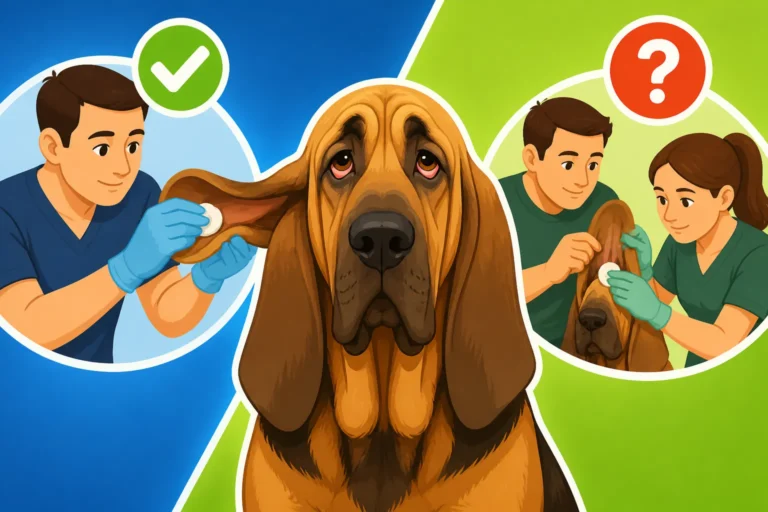
- Secure and Comfort Your Hound: Find a comfortable, non-slip surface where your Bloodhound feels secure. For a wiggly puppy, a raised table might be helpful (with supervision!). For an adult, the floor might be fine. Use a calm, reassuring voice. If possible, have another person gently hold or distract your dog, especially during the first few sessions.
- Gentle Application: Whether you're wiping daily or giving a deeper wash, be gentle. The skin on the ear tips can be surprisingly sensitive. For wipes, simply glide them over the dirty areas, using a fresh part of the wipe for each section if it's heavily soiled. For shampoo, apply a small amount to your fingers, lather it gently onto the fur and skin of the ear tips, and massage softly. Focus on the underside, where dirt tends to accumulate most.
- Thorough Rinsing (Crucial for Shampoo): If using shampoo, rinse thoroughly. Use a damp cloth to wipe away all suds and residue. Repeat this step multiple times if necessary. Leftover shampoo can cause irritation and dryness.
- Drying, Drying, Drying: This cannot be stressed enough for Bloodhounds. After washing, gently but firmly blot the ear tips dry with a clean, absorbent towel. Lift the ear leathers to ensure the underside and any folds are as dry as possible. Air drying alone isn't sufficient for a Bloodhound. If you have a dog-specific cool-setting dryer and your dog tolerates it, a quick pass can help, but always keep it on the lowest, coolest setting and far from the ear canal opening. Excessive moisture creates a perfect breeding ground for yeast and bacteria, defeating the purpose of your wash.
- Reward: Always end the session with praise, affection, and those high-value treats. You want your Bloodhound to associate ear care with positive experiences, making the next session easier.
By integrating these practices, you can ensure your Bloodhound’s ear tips are not only clean but also contribute to their overall health and happiness, preventing the discomfort and potential medical issues that can arise from neglected ear care.
Table: Factors Affecting Bloodhound Ear Tip Washing Frequency
| Factor | Description | Recommended Washing Frequency (Ear Tips) |
|---|---|---|
| Activity Level & Environment | ||
| Rural/Woods/Heavy Trailing | Frequent outdoor adventures, mud, burrs, dust, long grass exposure. | Daily wipe, 2-3 times/week deeper wash. |
| Urban/Paved/Leashed Walks | Primarily concrete/paved surfaces, less direct contact with heavy dirt. | Every 2-3 days wipe, once a week deeper wash. |
| Diet & Eating Habits | ||
| Sloppy Eater | Ears consistently dip into food/water bowls, leading to food residue and wetness. | Daily wipe (especially after meals), regular use of snood. |
| Neat Eater | Less contact with food/water, generally cleaner post-meal. | As needed, perhaps every few days. |
| Individual Physiology | ||
| Excessive Wrinkles/Folds | Deeper skin folds around the face and jowls that can trap moisture and debris near the ear tips. | Daily wipe, focusing on folds. |
| Allergies/Sensitive Skin | Prone to irritation, redness, or secondary infections. Requires extra vigilance. | Daily gentle wipe, prompt attention to redness. |
| Current Health Status | ||
| Recovering from Ear Infection | Vet-prescribed external cleaning regimen. (Always follow vet's specific instructions for the entire ear). | As directed by vet, often daily initially. |
| Healthy/No Issues | Generally good ear health, no current signs of irritation or infection. | Base frequency on activity and eating habits. |
Conclusion
Those magnificent, scent-sweeping ears are truly a Bloodhound's crowning glory, but they come with a responsibility: diligent care for those often-neglected ear tips. It’s a common frustration for Bloodhound owners to find their dog's ears caked with mud, food, or simply smelling a bit "houndy," but with a consistent routine, it doesn't have to be an overwhelming task. By understanding why their unique anatomy makes them prone to accumulating grime, recognizing the early signs of trouble, and arming yourself with the right tools and a gentle approach, you can keep your Bloodhound’s ear tips clean, comfortable, and healthy. Regular attention to the outer ear helps prevent minor irritations from escalating into painful infections, ensuring your beloved scent hound can continue to do what they do best, whether that's trailing a scent or simply snoozing on your couch, without the added discomfort of dirty ears.
Disclaimer
This article is for general informational purposes only and does not constitute professional advice. Laws, prices and regulations vary by location and change over time. Consult a qualified professional for guidance on your specific situation.