What a Bloodhound’s Evidence Is Worth to a Jury
It’s a natural human reaction to be skeptical about a dog's "testimony" in a courtroom. After all, how can a wagging tail or a focused sniff really hold weight when someone's freedom or fate hangs in the balance? This deeply ingrained doubt often leads people to question the validity of scent evidence provided by a Bloodhound. However, the legal system, in many places, has a surprisingly long and nuanced history with these incredible hounds. This guide will delve into what exactly a Bloodhound's evidence is worth to a jury, exploring its unique legal standing, how it's presented, and the critical factors that either bolster or challenge its credibility.
The Unparalleled Legal Status of the Bloodhound's Trail
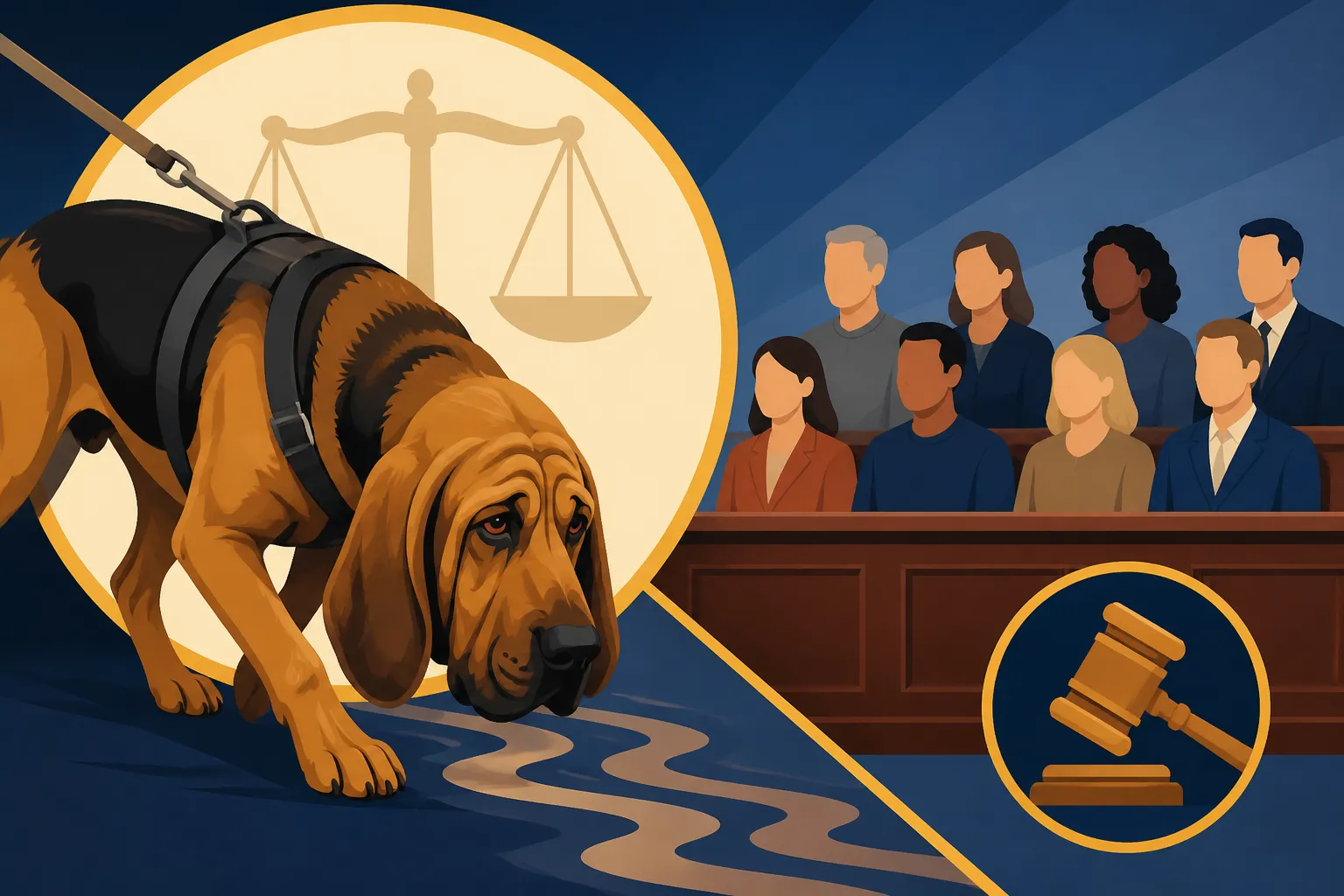
For centuries, the Bloodhound has held a singular, almost mythical, place in the annals of law enforcement. Unlike any other canine, the results of its tracking ability have been accepted as evidence in courts of law, a testament to its extraordinary olfactory capabilities and historical reliability. This isn't just a quirk of legal history; it's a recognition of a profound biological truth.
Why Bloodhounds Stand Apart in Court
When we talk about a dog's nose, we often lump all breeds together. But Bloodhounds are in a league of their own. Their olfactory system is incredibly specialized, designed not just to detect scent, but to follow it with an unparalleled tenacity and accuracy, even when the trail is old or contaminated. This isn't just about a strong nose; it's about the unique physical adaptations that enhance their scenting prowess, such as their long, pendulous ears that sweep scent particles towards their nose, and the ample folds of skin on their face that help trap scent around their muzzle. The Bloodhound Is the Only Dog Whose Evidence Stands in Court because of this unique blend of physiology and an unwavering drive to follow a specific scent.
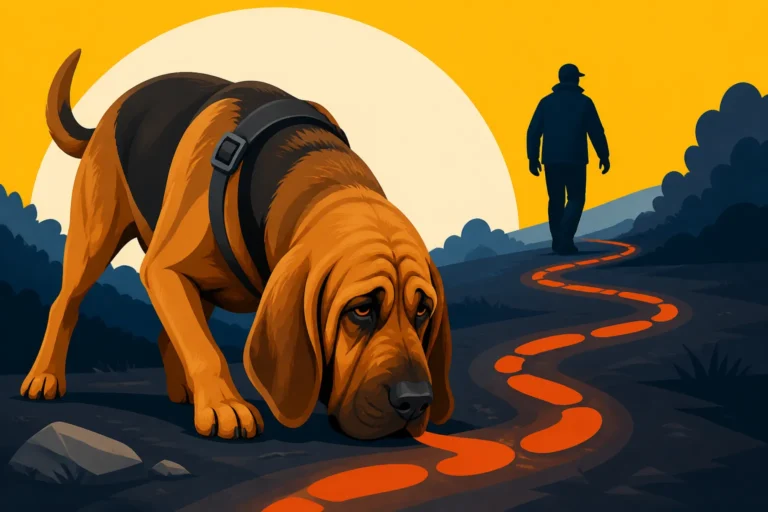
What makes their evidence so special is the individualization of the scent. A Bloodhound isn't just indicating that a person was there; it's trained to follow the unique scent signature of a specific person from a starting article. This distinction is crucial. While other breeds might be excellent at finding drugs or explosives, or even locating a general area where a person has been, the Bloodhound's singular focus on an individual human scent trail sets its contribution apart in a criminal investigation. This hyper-focus on a unique human odor allows their work to be presented as direct evidence of a suspect's presence or movement.
The Historical Precedent for Scent Evidence
The concept of using dogs to track people isn't new; it dates back centuries, but the Bloodhound specifically gained legal recognition much earlier than many realize. Accounts of Bloodhounds being used to track poachers, escaped prisoners, and even battlefield casualties are numerous. Over time, these consistent successes began to build a reputation, particularly in English common law, where the "Sleuth Hound" (an older term for the Bloodhound) was acknowledged for its tracking abilities. This long history meant that by the time modern legal systems began grappling with scientific evidence, the Bloodhound already had a well-established, albeit informal, track record.
The early acceptance wasn't without its growing pains, but the sheer consistency of their work, often leading to verifiable results, slowly but surely carved out a space for them in the courtroom. This historical context is often cited when new challenges to Bloodhound evidence arise, underscoring that their role isn't a sudden, unproven novelty but rather an evolution of a long-standing practice. It provides a foundation of reliability that many other types of animal evidence simply lack.
Judicial Acceptance Across Jurisdictions
The legal standing of Bloodhound evidence isn't monolithic; it varies by jurisdiction, primarily across states in the United States, and even within different countries. Generally, it's accepted as circumstantial evidence, meaning it doesn't directly prove guilt but can link a suspect to a crime scene or route. However, the specific conditions under which it's admitted, and the weight a jury is instructed to give it, can differ significantly.
Some jurisdictions have adopted strict foundational requirements, demanding proof of the dog's training, the handler's qualifications, and the circumstances of the trail itself (e.g., age of the trail, weather conditions). Others might be more lenient, allowing the evidence to be presented and letting the jury decide its weight. The trend has generally been towards greater scrutiny, requiring robust evidence of the Bloodhound's and handler's proficiency. Why No Other Breed Has the Bloodhound's Legal Standing is often tied to this historical acceptance and the meticulous development of standards for their deployment and training, aimed at ensuring the highest possible degree of reliability. It’s a testament to their enduring utility that despite evolving legal standards, their place remains, albeit carefully managed.
Presenting Bloodhound Evidence in the Courtroom
Getting Bloodhound evidence admitted into court is a multi-step process that relies heavily on establishing credibility. It's not enough to simply say, "The dog followed a trail." The prosecution must lay a thorough foundation to demonstrate the reliability of the dog, the handler, and the circumstances of the track itself.
The Handler's Testimony: More Than Just a Dog's Nose
The Bloodhound handler is the critical link between the dog's extraordinary abilities and the human understanding of the courtroom. When a Bloodhound's trail is presented as evidence, it is the handler who actually testifies. The dog, as remarkable as it is, cannot speak for itself. The handler's testimony focuses on several key areas:
- The Bloodhound's Training and Pedigree: This includes detailing the specific training regimen the dog underwent, its lineage (often from proven tracking lines), and its overall temperament. It establishes the dog as a professional tool, not just a pet.
- The Handler's Qualifications: Whether a Bloodhound Handler Must Be Qualified to Testify is not just a question of "should," it's a legal requirement. The handler must demonstrate extensive experience in handling Bloodhounds for tracking, including their own training, certifications (e.g., from organizations like the National Police Bloodhound Association or the American Bloodhound Club), and a log of successful tracks. This establishes the handler as an expert witness.
- The Circumstances of the Specific Trail: This is where the actual track is recounted. The handler will describe the starting point, the scent article used, the path taken by the dog, the environmental conditions (weather, terrain, contamination), and the ultimate outcome (e.g., where the trail ended, if a person was located). They explain the dog's behavior, interpreting its cues, and confirming that the dog was "on scent" throughout the process.
- Methodology and Chain of Custody: The handler will explain the standard operating procedures followed, from securing the scent article to managing the dog during the track. This addresses the scientific rigor and prevents arguments of mishandling or contamination.
The handler's ability to calmly and clearly articulate these points under cross-examination is paramount. Their credibility is inextricably linked to the dog's.
Documenting the Trail: From Scene to Verdict
The success of presenting Bloodhound evidence hinges on meticulous documentation. A trail isn't just followed; it's recorded in detail from the moment the dog is deployed. This documentation serves several purposes: it reinforces the handler's testimony, provides concrete data for review, and helps counter potential challenges from the defense.
Typical documentation includes:
- Detailed Incident Reports: These reports capture the initial call, the time of the dog's deployment, the conditions at the scene, and a description of the scent article.
- Trail Maps and GPS Data: The exact path taken by the Bloodhound is often mapped out, sometimes using GPS tracking devices worn by the handler or even the dog. This provides an objective record of the dog's movement, showing how it navigated obstacles or followed turns.
- Photographs and Video: Visual evidence of the track, the terrain, and the dog's behavior can be incredibly persuasive for a jury. It brings the abstract concept of scent trailing to life.
- Witness Statements: Any other officers or witnesses present during the trail will provide statements, corroborating the handler's account and the dog's actions.
This comprehensive approach transforms the ephemeral act of scent following into tangible evidence that can be analyzed and presented. The goal is to leave no stone unturned, building an ironclad case for the reliability of the Bloodhound's work.
Visualizing the Scent Journey for a Jury
One of the biggest challenges in presenting Bloodhound evidence is helping a jury, who cannot smell the way a dog can, understand and appreciate the incredible feat. Lawyers and handlers use various techniques to visualize the "scent journey" and make it comprehensible and impactful.
- Demonstrative Aids: Maps with highlighted routes, aerial photographs, and even simple diagrams can effectively show where the dog started, where it went, and where it ended. If GPS data was collected, it can be overlaid on satellite imagery.
- Expert Explanations: The handler, often aided by a prosecutor, will explain the science of scent, how a Bloodhound processes it, and why certain environmental factors (like wind or rain) affect a trail. They might draw analogies to human experiences, however imperfect, to convey the dog's focus.
- Narrative Storytelling: The handler's testimony isn't just a recitation of facts; it's a narrative that walks the jury through the trail. This can include describing the dog's focused body language, its "alerts" when it picked up a particularly strong scent, or its subtle adjustments to maintain the trail. What a Bloodhound Does at the End of a Trail, such as indicating the find or showing a change in behavior, is crucial to demonstrate success.
The aim is to paint a vivid picture for the jury, allowing them to follow the Bloodhound's diligent work mentally and appreciate its evidentiary value. It's about translating a highly specialized animal behavior into legally actionable information.
Scrutiny and Challenges to Bloodhound Trails
While Bloodhound evidence holds a unique position, it's far from impervious to challenge. The defense in a criminal case has every right, and indeed a duty, to scrutinize such evidence rigorously, seeking to diminish its weight or even prevent its admission.
Cross-Examination: Attacking the Dog, Handler, and Circumstances
Defense attorneys are adept at identifying potential weaknesses in any evidence, and Bloodhound trails offer several avenues for attack during cross-examination. Their goal is often to introduce reasonable doubt by highlighting possibilities for error or external influence.
Typical lines of questioning might include:
- Challenging the Dog's Reliability: "Isn't it true that a Bloodhound, despite its training, can sometimes be distracted by other scents, like local wildlife or even discarded food?" or "How can we be certain your Bloodhound was following the suspect's scent and not simply a generalized human scent in a public area?" This seeks to Whether a Bloodhound Can Be Wrong or mistaken.
- Questioning the Handler's Competence or Bias: "You've worked with this dog for years; isn't there a risk that you might unconsciously guide it towards what you expect to find, rather than letting it truly lead?" or "What specific certifications do you hold, and how often are you re-evaluated?" The defense might also inquire about the handler's personal investment in a successful outcome, suggesting a potential for bias.
- Critiquing the Environmental Conditions: "On the day of the track, the wind was reportedly quite strong; how certain are you that the scent wasn't dispersed or blown away from the actual path?" or "Given the amount of foot traffic in that area, isn't it highly probable that other human scents contaminated the trail?" Whether Rain Destroys a Bloodhound's Trail or other weather conditions can be significant factors.
- Highlighting Procedural Lapses: "Was the scent article handled without gloves prior to the dog's deployment, potentially contaminating it?" or "Was there any break in the track where the dog appeared to lose the scent for an extended period?"
The handler must be prepared to answer these questions confidently and factually, demonstrating the rigor of their training and methods.
The Need for Corroborating Evidence
In almost all jurisdictions, Bloodhound evidence is treated as circumstantial. This means it rarely stands alone as the sole piece of evidence leading to a conviction. The general rule is that Whether a Bloodhound's Trail Needs Corroborating Evidence is a resounding yes. It needs to be supported by other pieces of evidence that independently link the suspect to the crime.
Examples of corroborating evidence include:
- Forensic Evidence: DNA, fingerprints, shoeprints, or other trace evidence found along the trail or at the crime scene that matches the suspect.
- Eyewitness Testimony: A witness who saw the suspect in the area where the Bloodhound's trail began or ended.
- Confessions or Admissions: Statements made by the suspect that align with the Bloodhound's track.
- Alibi Weaknesses: The suspect's inability to provide a credible alibi for the time and location indicated by the Bloodhound's trail.
The Bloodhound's trail acts as a powerful directional indicator, narrowing down a search area or providing a strong circumstantial link, but it almost always functions as one piece in a larger evidentiary puzzle. This requirement helps protect against wrongful convictions, acknowledging that even the most reliable dog can operate under imperfect conditions.
Factors That Can Undermine a Bloodhound's Reliability
Even with the best training and handler, certain factors can cast doubt on the reliability of a Bloodhound's trail. Understanding these limitations is crucial for both prosecution and defense.
- Contamination of Scent Article: If the starting scent article (e.g., a dropped glove, a piece of clothing) has been handled by multiple people, or if its chain of custody is compromised, the defense can argue the dog was not trailing the suspect's unique scent.
- Age and Condition of the Trail: While Bloodhounds are renowned for following old trails, there are limits. Extremely old trails, or those exposed to harsh weather (heavy rain, strong winds, extreme heat), can be significantly degraded. The older and more degraded the trail, the easier it is for the defense to argue diminished reliability.
- Environmental Factors: Heavy rain can wash away scent particles. Strong winds can scatter or drift scent, making the actual ground zero unclear. High foot traffic areas can create a confusing "scent soup," making it difficult for the dog to isolate a single human trail.
- Handler Influence (Unintentional or Otherwise): Even a well-meaning handler can unintentionally influence their dog. For instance, if the handler knows a suspect was seen heading in a particular direction, they might inadvertently cue the dog, or the dog might pick up on subtle body language. While handlers are trained to avoid this, it's a common point of defense attack.
- Lack of Control Scent: In some cases, to bolster credibility, a handler might present the dog with a "control" scent from someone not involved in the crime to demonstrate the dog's ability to discriminate. If this isn't done, or if the dog fails a similar test, it can undermine the evidence.
These factors don't necessarily negate the Bloodhound's incredible abilities but highlight the real-world complexities that can arise. A thorough understanding of these points is critical for Whether a Bloodhound Has Ever Been Wrong in Court and how such cases have been handled.
| Factor Affecting Bloodhound Evidence | Potential Impact on Jury | How Prosecution Addresses It | How Defense Challenges It |
|---|---|---|---|
| Handler Qualification | Trust in the process | Provide certifications, experience logs | Question lack of recent training, specific expertise |
| Dog Training & Certification | Belief in dog's ability | Show extensive training records, successful prior tracks | Allege insufficient training for specific conditions |
| Scent Article Integrity | Doubt about target scent | Establish clear chain of custody, proper handling | Claim contamination, multiple handlers, unclear source |
| Environmental Conditions | Question trail viability | Detail specific weather, terrain analysis, dog's adaptation | Highlight adverse conditions (rain, wind, traffic) |
| Time Since Trail Laid | Concern about degradation | Explain Bloodhound's ability with aged scent | Argue trail too old to be reliable |
| Corroborating Evidence | Reinforce circumstantial link | Present supporting forensic, witness, or confessional data | Argue lack of supporting evidence, "dog alone" isn't enough |
The Indispensable Role of the Handler
While the Bloodhound's nose gets all the fame, it's the handler who orchestrates the entire process, making the dog's unique gifts useful in a legal context. Without a skilled, ethical, and experienced handler, the Bloodhound's potential is largely untapped, and its evidence would hold little to no weight.
Training and Certification: Building a Credible Team
A Bloodhound isn't just born knowing how to track for court; it's the product of thousands of hours of rigorous training, and the same goes for its handler. This isn't a casual hobby; it's a serious profession.
- For the Dog: Training starts in puppyhood, focusing on scent discrimination, perseverance, and ignoring distractions. Puppies are exposed to various environments and scent articles. This involves countless "runaways" where a person lays a trail and the dog follows, learning to stick to a specific human odor.
- For the Handler: Handlers undergo intensive training programs themselves. They learn canine behavior, scent theory, trail interpretation, crime scene preservation, legal protocols, and how to effectively communicate and manage their Bloodhound. They learn to "read" their dog, understanding subtle changes in tail action, head carriage, or breathing that indicate scent changes. Organizations like the National Police Bloodhound Association (NPBA) offer extensive training and certification programs for both dog and handler teams. These certifications are critical because they provide an independent validation of the team's proficiency.
When a handler testifies, demonstrating their own extensive training and the dog's, backed by formal certifications, lends immense credibility to the evidence. It proves that the team is not just reliant on instinct, but on a cultivated and refined skill set. This level of dedication is what truly enables a Bloodhound to perform consistently.
Maintaining the Bloodhound's Drive and Health
A Bloodhound's effectiveness in tracking, and therefore its value as a legal asset, is directly tied to its physical health and mental drive. This isn't a "set it and forget it" situation; it requires ongoing, dedicated care and maintenance.
- Physical Health: These large, active dogs need top-tier nutrition, regular veterinary care, and appropriate exercise to maintain their stamina and acute sense of smell. Owners and departments often invest in high-quality dog food, some choosing options readily available from retailers like Chewy, to ensure their Bloodhounds get the best possible fuel for their demanding work. Regular check-ups are essential to catch any health issues early that could impair their scenting ability or physical endurance on a long track. A Bloodhound's Ears Are a Standing Infection Risk and require meticulous cleaning, which is vital for a working dog to prevent discomfort or distraction.
- Mental Drive and Training Reinforcement: A Bloodhound's drive to track is innate, but it needs consistent channeling and reinforcement. Regular training sessions, even for certified dogs, are crucial to keep their skills sharp. This isn't just about practicing tracks; it's about keeping the dog engaged and excited about its work. Positive reinforcement, often involving specific toys or high-value treats, is key. Many handlers source these types of training aids from reputable pet supply sites, including Chewy, to ensure a steady supply of what motivates their particular hound. A bored or under-exercised Bloodhound might still track, but its performance could be compromised compared to a dog that is consistently stimulated and in peak physical condition.
Ethical Considerations and Best Practices
The power of Bloodhound evidence comes with significant ethical responsibilities. Handlers and law enforcement agencies must adhere to best practices to ensure the integrity and fairness of the evidence.
- Avoiding Confirmation Bias: Handlers must approach each track objectively, letting the dog lead rather than trying to steer it towards a preconceived notion of where a suspect might have gone. They are trained to observe and report, not interpret beyond the dog's clear indications.
- Proper Scent Article Handling: Extreme care must be taken to prevent contamination of the scent article. This means wearing gloves, using sterile bags, and maintaining a strict chain of custody from the moment the article is found until it is presented to the dog.
- Detailed Record Keeping: As mentioned, meticulous records of all training, certifications, and operational deployments are essential. This transparency allows for thorough review and challenge by the defense.
- Knowing When Not to Deploy: An ethical handler understands the limitations of their dog and the conditions. If a trail is too old, too contaminated, or environmental factors are too severe, an ethical handler will advise against deployment or acknowledge the potential unreliability of the results. Whether a Bloodhound Is Too Much Dog for Most People speaks to the dedication required, and this ethical backbone is part of that.
Adhering to these best practices not only strengthens the legal standing of Bloodhound evidence but also upholds the public's trust in law enforcement and the judicial process.
Practical Implications for Law Enforcement and Owners
Understanding the legal standing of Bloodhound evidence has real-world consequences, both for the agencies that utilize these specialized dogs and for individuals who might encounter them or even consider owning one.
When and Where Bloodhounds Are Deployed
Bloodhounds are primarily deployed in situations where a specific individual needs to be located based on their unique scent. This makes them invaluable in several critical scenarios:
- Missing Persons Cases: From a lost child who wandered from home to an elderly person with dementia who has gone missing from a care facility, Bloodhounds can follow trails that are hours, and sometimes even days, old. Their ability to discriminate individual scent through crowded areas or over varied terrain is unparalleled. Whether a Bloodhound Finds People With Dementia is a common and vital application.
- Fugitive Recovery/Suspect Apprehension: After a crime has been committed, if a suspect flees the scene, a Bloodhound can pick up their trail from a starting point (e.g., where a car was abandoned, where an item was dropped) and lead law enforcement directly to their hiding place or escape route. Whether a Bloodhound Is Used to Track Escaped Prisoners is a historical and current use.
- Search and Rescue (SAR): While other breeds excel at area searches, Bloodhounds are crucial for man-trailing, focusing on a specific person's scent. This makes them excellent for situations where a known individual is lost in a wilderness area. Whether a Bloodhound Works After a Disaster might involve them in specialized trailing roles within broader SAR efforts.
- Scene Confirmation: Sometimes, a Bloodhound might be used to confirm if a suspect was present at a specific location or took a particular path, even if the primary goal isn't to apprehend them at that moment. This helps build a circumstantial case.
The deployment of a Bloodhound is a serious operation, often involving multiple officers, careful scene management, and a commitment of resources. The decision to deploy is often made considering the age of the trail, the weather, and the availability of a certified team.
The Public Perception Versus Legal Reality
The image of a Bloodhound in popular culture often swings between two extremes: the bumbling, lovable drool-hound and the infallible "super sleuth." Neither fully captures the legal reality.
- Public Perception: Many people are still surprised that a dog's work can be used in court. There can be an underlying skepticism, a feeling that it's "just a dog." Conversely, some may have an almost blind faith, believing a Bloodhound never makes a mistake, fueled by dramatic television portrayals. This lack of nuanced understanding can lead to both undue dismissal and unrealistic expectations.
- Legal Reality: The legal system, while acknowledging the Bloodhound's extraordinary capabilities, approaches its evidence with careful, deliberate scrutiny. It recognizes the unique biological gifts but also understands the inherent limitations and variables of working with living creatures in complex environments. The legal process is designed to filter out the sensational and focus on the provable facts. The rigorous foundation requirements, the need for handler expertise, and the demand for corroborating evidence are all mechanisms to bridge the gap between public perception and legal reality, ensuring the evidence is used fairly and appropriately.
Educating the public about the true nature of Bloodhound evidence—its strengths, its limitations, and the human element involved—is important for fostering a more accurate understanding and trust in the judicial process.
Supporting These Canine Legal Assets
Bloodhounds are a specialized and valuable asset, but they require significant investment. For law enforcement agencies and even volunteer SAR organizations, supporting these teams is a continuous effort.
- Financial Investment: The costs associated with acquiring a well-bred Bloodhound puppy from a reputable breeder, training it, certifying the dog and handler, and providing ongoing veterinary care, high-quality food, and specialized equipment (like harnesses and long lines) are substantial. These are not cheap dogs to maintain, and departments often need to secure specific funding or rely on grants. What It Costs to Put a Bloodhound on a Trail quickly adds up.
- Community Engagement: Public support for K9 units, especially Bloodhound teams, is often vital. This can come in the form of donations to cover costs, volunteer "runaways" to help with training, or simply advocating for their continued use.
- Ethical Breeding and Care: For serious Bloodhound enthusiasts and ethical breeders, there's a responsibility to maintain the breed's working qualities and health. This includes comprehensive health screenings, careful selection of breeding stock, and ensuring puppies are raised in an environment that fosters their natural tracking drive. The American Bloodhound Club plays a significant role in promoting responsible breeding and preserving the working ability of the breed.
These dogs are living, breathing evidence-gatherers, and their continued contribution to justice depends on a commitment to their well-being, training, and the integrity of their work.
Disclaimer
This article is for general informational purposes only and does not constitute professional advice. Laws, prices and regulations vary by location and change over time. Consult a qualified professional for guidance on your specific situation.