Whether a Bloodhound Must Have Loose Skin
If you've ever laid eyes on a Bloodhound, you know they're practically synonymous with a generous helping of loose skin. It hangs, it drapes, it wrinkles, and it often creates that famously mournful expression we all adore. But it leaves many prospective owners wondering: is all that extra skin just part of their charm, or is there a specific requirement for it? And at what point does "ample" become "excessive"? This guide will dive deep into the world of Bloodhound skin, exploring its purpose, what the breed standard truly asks for, and how to best care for this defining characteristic of our beloved "sleuth hounds."
The Iconic Drapes: Understanding a Bloodhound's Skin
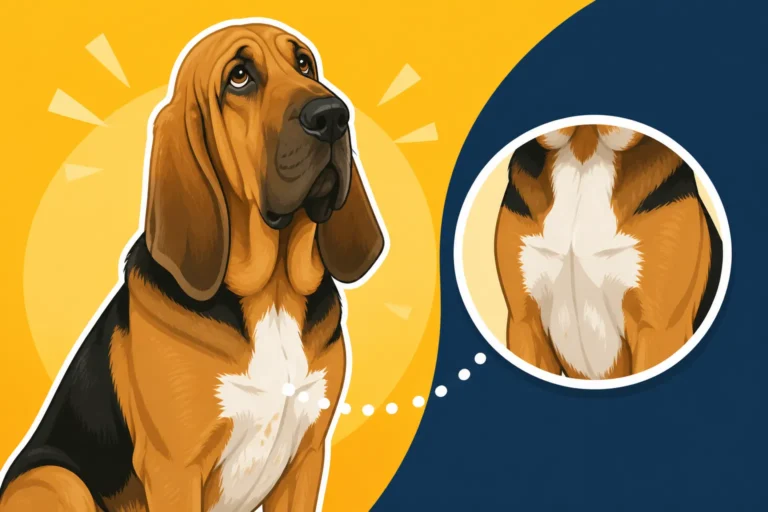
When you picture a Bloodhound, a few things immediately come to mind: those incredibly long ears, the deep, soulful eyes, and, of course, that abundance of loose, elastic skin that forms dramatic folds and wrinkles, particularly around their head and neck. It’s not just a cute quirk; this unique epidermal architecture is a hallmark of the breed, carefully developed over centuries for a very specific purpose. It’s what gives them their distinguished, somewhat ancient appearance, almost as if they are wearing a cloak a size too big, ready to collect every whisper of scent.
What "Loose Skin" Really Means for a Bloodhound
For a Bloodhound, "loose skin" isn't just a bit of extra fur. It refers to skin that is thick, pliable, and distinctly unattached to the underlying musculature and bone in many areas, allowing it to hang and fold freely. This isn't saggy skin in a negative sense, but rather a deliberate feature. You can often gather handfuls of it without much effort, especially around their neck, chest, and face. It creates what are often called "dewlaps" – the prominent folds of skin under the throat and neck – and deep wrinkles across the forehead and cheeks, giving them that pensive, thoughtful look. This skin needs to be elastic enough to move freely without tearing or causing discomfort when the dog moves, breathes deeply, or works a trail. It's a living, breathing part of their functionality.
The Distinctive Head and Neck Furnishings
The head and neck are where a Bloodhound's loose skin is most pronounced and arguably most functional. Their brow is often deeply furrowed, and the skin falls into heavy wrinkles, especially when they lower their head to sniff. These wrinkles, along with the long, pendulous ears, act almost like natural scent funnels, helping to cup and direct scent particles towards their incredibly sensitive nose. It's a beautiful example of form following function. The dewlap, that generous fold of skin hanging beneath the throat, contributes to this effect by increasing the surface area for scent collection and helping to hold scent closer to their face as they move through brush or over varied terrain. Why a Bloodhound's Ears Sweep Scent Toward Its Nose is another fascinating aspect of their scent-gathering anatomy. Without these "furnishings," a Bloodhound wouldn't be quite as effective at its life's calling.
Function Over Form: The Purpose of a Bloodhound's Loose Skin
It’s easy to look at a Bloodhound and think their loose skin is purely for aesthetics, giving them that endearing, somewhat comical look. But every unique feature of the Bloodhound breed has been purposefully developed over centuries to enhance its abilities as a scent hound. Their skin, far from being just a visual quirk, plays a vital role in their legendary trailing prowess and even provided a measure of protection in their historical roles. It's a testament to selective breeding for a specific, demanding job.
Trailing Advantage: Scent Trapping
The primary, most celebrated function of a Bloodhound's loose skin and deep facial wrinkles is scent trapping. Imagine their head down, nose to the ground, diligently following a faint trail. As they move, the large, pendulous ears and the generous folds of skin around their face and neck act like living nets. These folds, especially the lower eyelids (haws) and the deep wrinkles on the muzzle, effectively sweep and gather microscopic scent particles, holding them closer to the nose. This helps to concentrate the scent, making it easier for the dog to discern even the faintest of odors and follow a cold trail for miles. It's an ingenious natural adaptation that makes their incredible noses even more powerful. This ability to maintain constant contact with the scent picture is critical to their success. To truly appreciate their capabilities, you might explore What a Bloodhound is Actually Smelling on a Trail.
Protection During the Hunt
While modern Bloodhounds are primarily known for trailing missing persons or fugitives, their ancestors were bred for hunting large game. In the rough-and-tumble world of the hunt, loose skin offered a valuable layer of protection. If a Bloodhound encountered a boar or another animal with sharp claws or teeth, the loose skin could be grabbed or bitten without immediately causing injury to vital organs or deep tissue. Instead, the skin would stretch and give, often allowing the dog to escape with a superficial wound rather than something life-threatening. This inherent "bagginess" of their coat acted as a natural shield, a buffer against the physical dangers of their work. It's a subtle but important detail that speaks to their robust, working heritage, a reminder that every part of their anatomy serves a purpose in their challenging line of work.
The Breed Standard: What's Required for Loose Skin
Understanding the official breed standard is crucial for anyone interested in the Bloodhound, whether as a pet owner, a show enthusiast, or someone working with these incredible dogs. The standard outlines the ideal physical characteristics that define the breed, ensuring that Bloodhounds retain their historical traits and functional capabilities. For Bloodhounds, the description of their skin is quite explicit, emphasizing its abundance as a hallmark of the breed. It’s not just an optional extra; it's a fundamental part of what makes a Bloodhound a Bloodhound.
Decoding the Standard's Description
The various breed standards, such as those from the American Kennel Club (AKC) or the Fédération Cynologique Internationale (FCI), are quite clear about the requirement for loose skin. They typically use words like "plentiful," "loose," and "elastic." On the head, the skin should be deeply wrinkled, especially over the forehead and sides of the face, falling into folds when the head is carried low. The lower eyelids should typically show a good amount of the haw, creating that droopy-eyed look, although not to an extreme degree that compromises eye health. Around the neck, the standard calls for a profound dewlap, formed by a double fold of loose skin. This isn't just about having some loose skin, but having a distinct, characteristic amount that contributes to their unique appearance and, as we've discussed, their scenting ability. It's about proportion and expression, ensuring the dog embodies the essence of the breed.
The Difference Between "Ample" and "Excessive"
This is where things can get tricky and where responsible breeding truly comes into play. The standard desires ample and loose skin, but there’s a fine line before it becomes excessive. Excessive loose skin can lead to significant health problems that diminish the dog's quality of life and even its working ability. For example, while a certain amount of haw (the red mucous membrane of the lower eyelid) showing is characteristic, Whether a Bloodhound's Drooping Lid Is a Defect or the Standard points out that if the eyelids are so loose they sag excessively, creating severe ectropion, it can expose the eye to debris and infection. Similarly, while neck folds are desired, folds that are so deep and numerous that they constantly rub and trap moisture can lead to skin infections and irritation, a condition known as skin fold dermatitis. Breeders strive for the ideal balance: enough loose skin to be characteristic and functional, but not so much that it becomes a detriment to the dog's health or comfort. It’s a delicate balance that highlights the importance of choosing a reputable breeder who prioritizes health as much as conformation.
| Feature | Ideal (Ample Skin) | Excessive (Problematic Skin) |
|---|---|---|
| Head Wrinkles | Distinct, deep, and elastic, especially when head is lowered | So deep they obscure vision or constantly trap moisture/debris |
| Dewlap | Profound double fold under the throat and neck | So large it hinders movement, eating, or causes chafing |
| Eyelids | Lower lids may show haw; gives a "sad" or "pensive" look | Severe ectropion (lids sag far away from eye) or entropion (lids roll inward) causing irritation and chronic eye issues |
| Body Skin | Supple, hangs loosely over body, not tightly fitted | So abundant it creates constant skin-on-skin rubbing and irritation in other areas besides the head/neck, affecting gait |
| Functionality | Enhances scent trapping, allows for flexibility | Compromises vision, leads to chronic skin infections, affects gait and comfort |
Living with the Loose Skin: Care and Concerns
The beautiful, characteristic loose skin of a Bloodhound isn't just a part of their charm; it's a commitment for their owners. While it's essential to their breed identity and scenting prowess, it also comes with its own set of care requirements and potential health challenges. Ignoring these needs can quickly lead to discomfort for your Bloodhound and costly veterinary bills for you. A proactive approach to grooming and observation is key to keeping your lanky friend healthy and happy.
Common Health Issues Arising from Skin Folds
Those wonderful, expressive wrinkles and folds, particularly around the face, lips, and neck, can become breeding grounds for bacteria and yeast if not properly maintained. Skin Fold Dermatitis on a Bloodhound is a very real concern. Moisture, warmth, and friction in these deep crevices create the perfect environment for organisms to thrive, leading to inflammation, redness, itching, and a rather unpleasant odor. Where a Bloodhound's Folds Trap Moisture First is often in the lip folds (known as "chops"), around the eyes, and within the neck dewlap. This isn't just a cosmetic issue; it can be incredibly painful for your dog and, if left untreated, can lead to chronic infections requiring veterinary intervention, including antibiotics or antifungals. Some Bloodhounds may even develop irritation under their ears where the long ear leather rubs against the neck folds. It's a constant battle against nature, but one that is absolutely necessary for their well-being.
Essential Grooming for Skin Health
Given the predisposition to skin issues, a regular and thorough grooming routine for a Bloodhound's folds is non-negotiable. This means daily attention, especially for the facial and lip folds. After meals or drinks, it's crucial to Wiping a Bloodhound's Folds Before They Sour. Use a soft, damp cloth, or even specialized pet wipes, to gently clean out any food debris, moisture, or drool that has accumulated in the folds. Afterward, always ensure the folds are thoroughly dried to prevent that damp, warm environment that bacteria love. Some owners even use a light dusting of cornstarch or medicated powder (always consult your vet first!) to keep folds dry, though this is less common than simple cleaning and drying. For deeper cleaning or if you notice any redness, a gentle antiseptic wipe or wash prescribed by your vet can be invaluable. How Often a Bloodhound's Folds Need Wiping truly depends on the individual dog and its activities, but daily is a good baseline, with extra attention after messy meals or outdoor adventures. You can find many suitable cleaning supplies, from specialized wipes to gentle cleansers, on reputable pet supply sites like Chewy.
Beyond the Standard: Variations and What to Look For
While the breed standard provides a blueprint for the ideal Bloodhound, not every dog will perfectly conform, and even within the "normal" range, there can be variations. What's most important for Bloodhound owners is to distinguish between characteristic features and those that might indicate a problem. Understanding these nuances helps ensure your dog receives the right care and lives a comfortable life, free from the burdens of excessive physical traits. It's about prioritizing health and functionality above all else.
When Loose Skin Becomes a Problem
The line between "ample" and "excessive" can sometimes feel blurry, but there are clear indicators when a Bloodhound's loose skin transitions from a breed characteristic to a health concern. If your Bloodhound's facial folds are so deep they constantly trap dirt and moisture, leading to persistent infections despite diligent cleaning, or if their lower eyelids sag so dramatically that the conjunctiva is perpetually irritated, these are signs of an issue. Chronic eye problems, such as conjunctivitis, corneal ulcers, or dry eye, can arise from severe ectropion, necessitating frequent vet visits and potentially surgery. Similarly, if the dewlap or other body folds cause constant chafing or restrict movement, it's a problem. A healthy Bloodhound should be able to move freely, eat comfortably, and have clear, bright eyes without constant discharge or irritation, and its skin should be healthy underneath all those magnificent folds.
The Impact on Movement and Comfort
Excessive skin can genuinely impede a Bloodhound's comfort and even its ability to perform its natural functions. A Bloodhound is a working dog, built for endurance and keen scenting. If their vision is consistently obscured by overhanging skin, or if their gait is altered because deep folds are chafing between their legs or under their chest, their overall quality of life is diminished. Imagine trying to run or even walk briskly with clothes that are constantly getting caught or rubbing painfully. That's what it can be like for a Bloodhound with poorly managed or genuinely excessive skin. It can affect their willingness to exercise, their ability to concentrate on a trail, and simply their daily joy. Responsible ownership means being vigilant for these signs and consulting with a veterinarian who understands the unique needs of the breed. Sometimes, minor surgical adjustments, like eyelid tacking, are necessary to ensure the dog's comfort and long-term health.
The Breeder's Role: Balancing Aesthetics and Health
Choosing a Bloodhound puppy means choosing a breeder who understands the delicate balance between adhering to the breed standard and prioritizing the long-term health and well-being of their dogs. The goal should always be a functional, healthy Bloodhound, not one that exaggerates certain traits to an unhealthy degree. This is a critical discussion point when you're looking for a new family member, as it speaks volumes about a breeder's ethics and commitment to the breed.
Responsible Breeding and Skin Type
A responsible Bloodhound breeder will actively strive to produce dogs with the correct amount of loose skin—ample and functional, but not so excessive that it predisposes the dog to chronic health problems. They understand the difference between the desired "Bloodhound expression" and problematic conformational issues like severe ectropion or excessively deep, infection-prone folds. These breeders carefully select their breeding stock, considering not just physical appearance but also the health history of the parents and their lines. They should be able to discuss the incidence of skin fold dermatitis or eye issues in their dogs and explain how they work to mitigate these risks. This often involves careful attention to head and eye structure. If a breeder is producing dogs with continually wet, infected eyes or raw skin folds, they are likely prioritizing extreme characteristics over health. You want a breeder who is breeding for vitality and longevity, not just ribbons in the show ring. What the American Bloodhound Club Asks Breeders to Screen often includes things that can be impacted by skin structure, underscoring the importance of health testing.
What to Ask a Breeder About Skin and Health
When you're speaking with a potential Bloodhound breeder, don't be shy about asking specific questions related to their dogs' skin and overall health. Here are a few key questions:
- "Can you show me the parents, and tell me about their skin and eye health?" Look for clean folds, no excessive tearing or red eyes.
- "What is your approach to managing skin folds in your puppies and adult dogs?" A good breeder will have a clear, proactive grooming regimen.
- "Have any of your previous puppies or adult dogs developed severe skin fold dermatitis or required eyelid surgery?" Honesty here is a good sign.
- "How do you ensure the puppies' skin and eye structure is within healthy limits?" They should be able to articulate their selection criteria.
- "What kind of environmental management do you use to keep skin folds dry and clean?" This might involve using specific bedding or even something like Chewy-sourced grooming supplies.
A breeder who is knowledgeable and transparent about these potential challenges is a good sign. They understand the breed's unique needs and are committed to placing healthy, well-adjusted puppies in appropriate homes. Remember, Everything on a Bloodhound Hangs Down and Has to Be Cleaned, and a good breeder will prepare you for that reality.
Disclaimer
This article is for general informational purposes only and does not constitute professional advice. Laws, prices and regulations vary by location and change over time. Consult a qualified professional for guidance on your specific situation.