Whether a Bloodhound Works After a Disaster
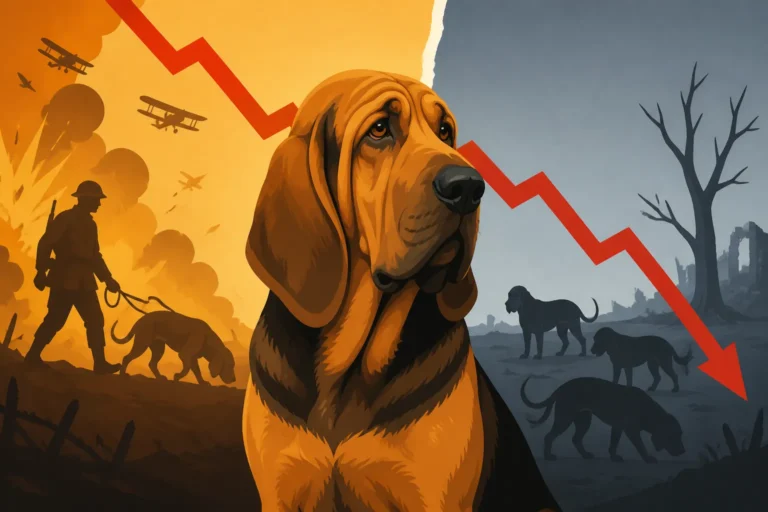
When a disaster strikes, whether it's a devastating earthquake, a catastrophic hurricane, or a widespread wildfire, the images of search and rescue teams working tirelessly often feature dogs. Many people naturally wonder if the legendary Bloodhound, with its unparalleled nose, plays a role in these urgent, chaotic situations. It’s a valid question, given their reputation, but the answer is more nuanced than a simple yes or no. This guide will explore the unique capabilities of Bloodhounds and how they fit, or sometimes don't quite fit, into the incredibly demanding world of disaster search and rescue.
The Unique Scenting Abilities of a Bloodhound
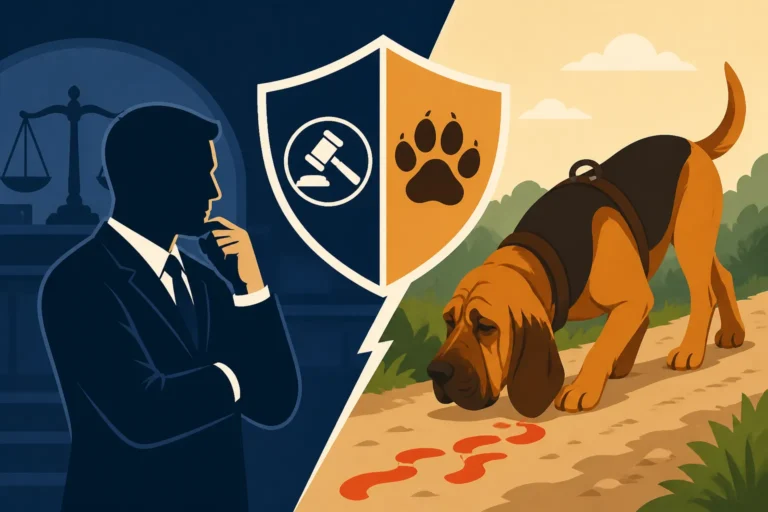
The Bloodhound's nose is truly a marvel, a biological masterpiece designed for one purpose: to follow scent. It’s why they’ve earned their revered status in tracking missing persons and are often the only canine whose testimony is admissible in a court of law.
The Bloodhound's Unparalleled Nose
Let's talk about that nose for a moment. A Bloodhound possesses an astonishing number of olfactory receptors—far more than most other breeds, often cited as having upwards of 300 million, compared to a human's mere 5 million. This isn't just a numbers game; it's about the sheer processing power of their brain dedicated to scent analysis. Their olfactory bulb, the part of the brain that processes smells, is disproportionately large compared to their overall brain size, allowing them to decipher complex scent trails with incredible precision. This makes them absolute champions at discerning individual human odor from a multitude of other smells. If you want to dive deeper into this fascinating aspect, you can read more about How Many Scent Receptors a Bloodhound Has.
Beyond just the internal hardware, the Bloodhound's physical characteristics are also perfectly adapted for scent work. Their long, pendulous ears, for instance, don't just look distinctive; they act like scent-sweepers, collecting and channeling ground-level scent particles towards their nose. Imagine them moving through tall grass or over dusty terrain; those ears are constantly working, funneling information. Similarly, the deep wrinkles and folds of skin on their face don't just give them that wonderfully mournful expression; they’re believed to help trap scent particles, keeping them within the dog's scenting range for longer, further enhancing their ability to concentrate on the task at hand. It's an entire biological system geared for maximum scent detection, focused on identifying and following the minute traces left by a person.
Distinguishing Human Scent in Overwhelming Environments
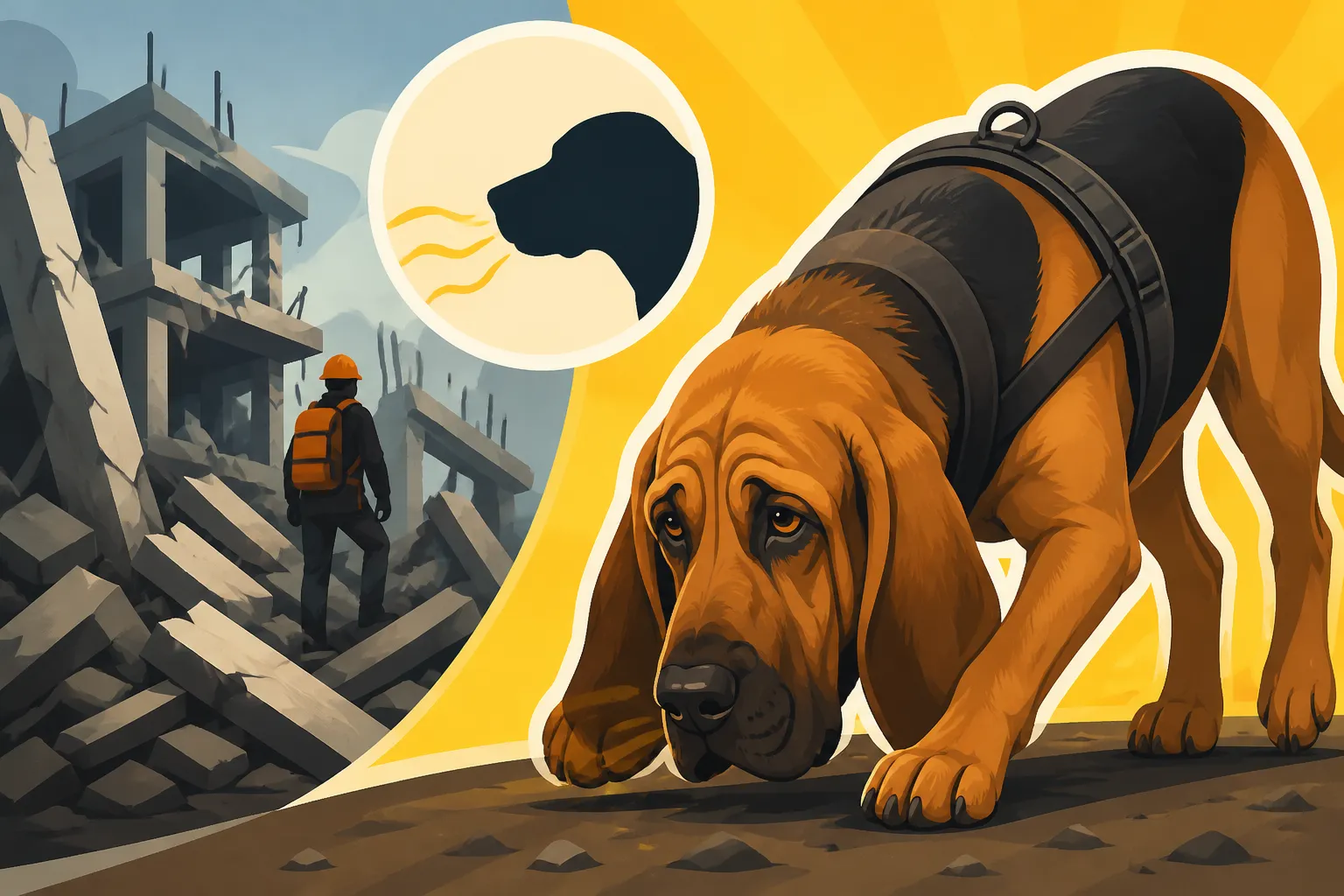
The ability to distinguish one particular scent is put to the ultimate test in a disaster zone. Think about a collapsed building: there's dust from concrete, pulverized wood, insulation, perhaps leaking gas or chemicals, disturbed earth, and the overwhelming scent of destruction itself. On top of that, there are the scents of first responders, emergency vehicles, and distressed onlookers. It’s a cacophony of odors that would completely overwhelm most noses, human or canine.
A Bloodhound, however, is built to filter this noise. Their intense focus and specialized olfactory system allow them to compartmentalize scents, picking out the target human odor even amidst such chaos. They are less prone to being distracted by novel or strong background smells, a testament to their selective scenting ability. While environmental factors like wind and moisture always play a role in how scent disperses and lingers – for example, Whether Wind Moves the Scent a Bloodhound Follows – a Bloodhound's persistence means they will meticulously work an area, trying to piece together the scent puzzle. They are essentially built-in microscopes for scent, designed to find the specific thread they are meant to follow, even when the tapestry around it is completely shredded.
The Realities of Bloodhounds in Disaster Search
While their noses are incredible, applying a Bloodhound's traditional skills to the unique challenges of a disaster site brings up some important distinctions. Not all search work is the same, and the type of search often dictates which canine skills are most effective.
Ground Trailing vs. Air Scenting in Rubble
This is where the rubber meets the road. Bloodhounds are phenomenal ground trailers. This means they excel at following a specific, individual scent trail left by a person moving across the ground. You give them a scent article—a piece of clothing, a personal item—and they put their nose to the ground and follow that person's path, often step-by-step. In typical missing person cases, where there's an intact trail, even one several days old, a Bloodhound is your best bet.
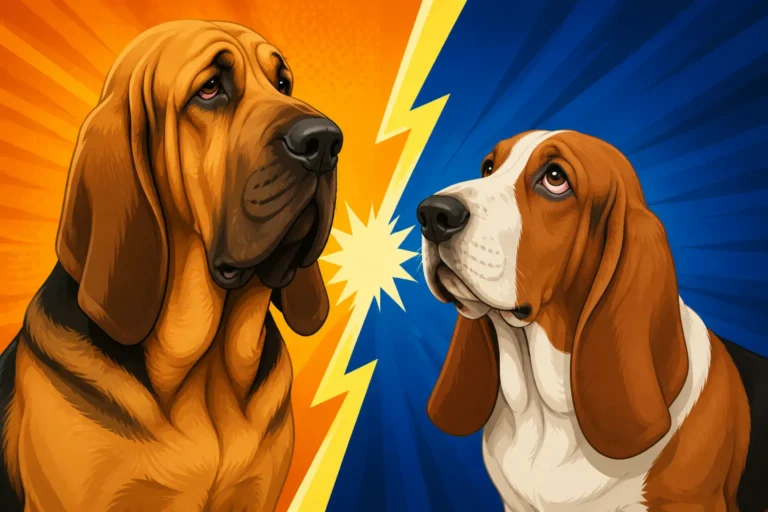
Disaster search, particularly in urban search and rescue (USAR) settings like a collapsed building, often requires air-scenting. These dogs are taught to detect any human scent plume rising from the debris, indicating a live person, rather than following a specific trail. They work off-leash, covering large, unstable areas, and are trained to "alert" (bark, dig, or sit) when they find a source of live human scent. The ground in a rubble pile is constantly disturbed, crushed, and shifted, making an intact ground trail nearly impossible to follow. While a Bloodhound can be taught some air-scenting techniques, it's not their instinctual strength and usually not where they shine most brightly compared to breeds specifically bred and trained for air-scenting. For a broader comparison, you can look at The Bloodhound Against the Other Scenthounds.
Physical Challenges and Limitations in a Disaster Zone
Beyond the scenting technique, the physical demands of a disaster zone are immense. Imagine a Bloodhound, a large, heavy dog, typically weighing between 80 and 110 pounds, as detailed in What a Bloodhound Weighs and How Tall It Stands, trying to navigate a jagged, unstable pile of concrete and twisted metal. These environments are treacherous. They require dogs to climb over sharp debris, squeeze into tight crevices, maintain balance on shifting surfaces, and often work for extended periods in extreme temperatures.
Bloodhounds, while sturdy, are not typically as agile or light-footed as breeds like Malinois or smaller Labradors, which are often favored for direct rubble work. Their deep chests, long bodies, and heavy build can make maneuvering in confined or elevated spaces particularly difficult and risky for injury. Paw pads can be torn, heatstroke is a constant threat, and their long, floppy ears and loose skin can snag on sharp edges. Protective gear, like specialized boots, is crucial, but even then, the physical challenges are significant. This isn't to say they can't do it, but their physical structure can present additional obstacles compared to dogs specifically bred for agility in such environments.
The Role of Specific Training and Handler Expertise
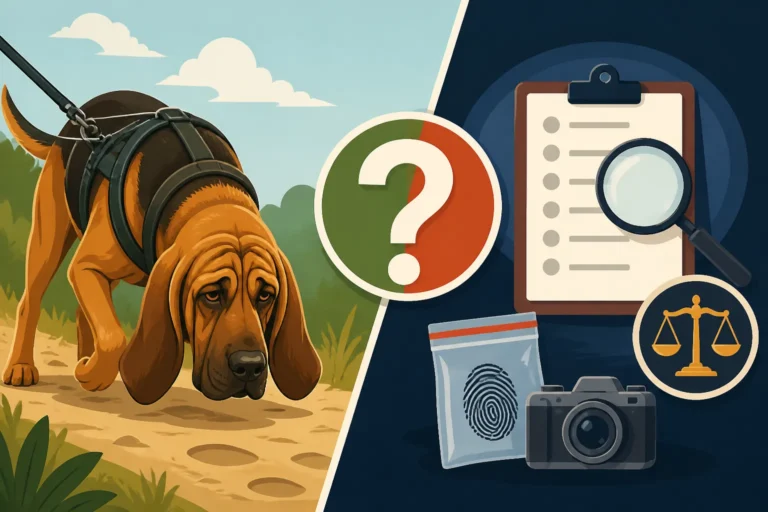
It's absolutely vital to understand that any dog working in a disaster zone, regardless of breed, undergoes incredibly rigorous and specialized training. This goes far beyond basic obedience or even competitive mantrailing. These dogs are conditioned to work in incredibly stressful, loud, and dangerous environments, to ignore myriad distractions, and to signal a find with absolute clarity and reliability. Learning about How a Bloodhound Is Certified for Search Work gives insight into the intensity of this training.
For a Bloodhound to be effective in a disaster scenario, they would need extensive desensitization to noise, smoke, unstable footing, and unfamiliar human activity. Their training would have to adapt their natural ground-trailing instinct to an air-scenting approach, or at least teach them how to effectively work around large, broken obstacles where a continuous ground trail doesn't exist. The handler's expertise is equally paramount; they must be able to read their dog's subtle cues in a chaotic environment, understand their limitations, and ensure their safety. It's a team effort that demands years of dedicated, highly specific training for both dog and human.
Where Bloodhounds Excel and Where Other Breeds Lead
Understanding the specific strengths of various breeds helps in forming the most effective search strategy. It’s not about one breed being "better" than another overall, but about which breed is best suited for a particular task.
Bloodhounds in Missing Person Cases vs. Mass Casualty Events
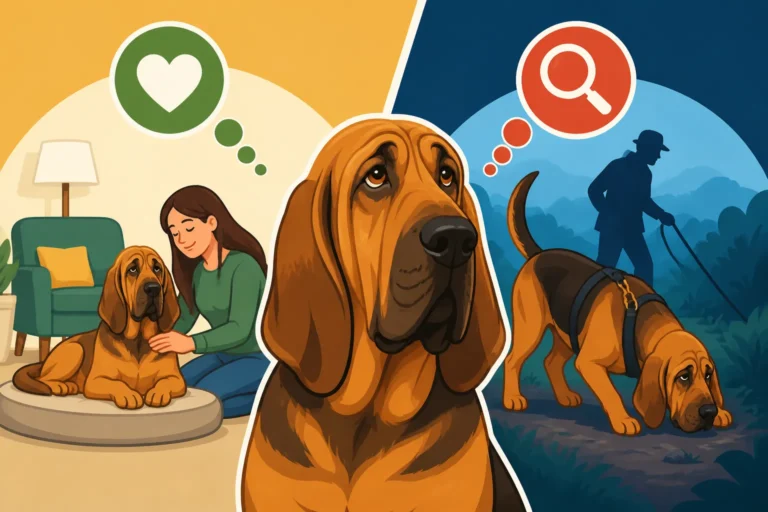
Bloodhounds are, without a doubt, the undisputed champions when it comes to trailing a specific individual. If a child wanders away from a camping trip, an elderly person with dementia goes missing from their home, or a hiker gets lost in the wilderness, the Bloodhound's ability to pick up and follow that unique human scent for miles and days is unparalleled. They can follow a trail that has been crossed by countless others, or one laid down in the rain, focusing intently on their target. We see incredible success stories of Bloodhounds finding people in cases like Whether a Bloodhound Finds People With Dementia or Whether a Bloodhound Can Trail a Missing Child.
However, mass casualty events or disaster zones are a different ballgame. Here, the primary goal is often to find any live human within a designated area, quickly and efficiently, often without a specific scent article from a known individual. The task is to detect the general presence of a live person trapped under rubble, not to follow a precise path they took. While a Bloodhound might be able to detect the faint scent of a trapped person, their method of working—methodical, nose-to-the-ground trailing—can be slower and less effective in quickly clearing large, complex debris fields compared to dogs trained for wide-area air-scenting.
The Specialized Breeds for Urban Search and Rescue (USAR)
When you see images of dogs working in the immediate aftermath of building collapses or other major urban disasters, you're most likely seeing breeds like German Shepherds, Labrador Retrievers, and Belgian Malinois. These dogs are generally chosen for USAR work for several key reasons.
Firstly, their physical characteristics often lend themselves to agility and endurance in treacherous conditions. They are typically medium to large-sized, but often lighter and more athletic than a Bloodhound, allowing them to scramble over debris, squeeze into tighter spaces, and work for longer periods without excessive fatigue. Secondly, many of these breeds possess a high prey drive that can be channeled into specific search behaviors, like a persistent bark alert or a retrieve toy reward for finding live scent. For a discussion of how these breeds compare, you might be interested in Bloodhound or German Shepherd for Search Work. These dogs are generally trained to air-scent, covering vast areas in grid patterns, and their focus is on quickly identifying the presence of any live human scent, not a specific individual's trail. Their indications are often immediate and clear, making them incredibly efficient for rapid assessment of a disaster zone.
Integrating Bloodhounds into a Diverse Search Team
No single tool is perfect for every job, and this holds true in the complex world of search and rescue. The most effective disaster response teams understand the value of a diverse set of skills, and this includes integrating various canine specialties.
Complementary Roles in Search and Rescue
Think of a search and rescue operation as a puzzle with many pieces. While Bloodhounds might not be the primary dog sifting through the immediate, unstable debris pile of a collapsed structure, they absolutely have valuable, complementary roles to play in a broader disaster scenario. For example, in situations where people may have fled or been dispersed from an impact zone—perhaps after a tornado ripped through a town, or individuals were swept away in a flood—a Bloodhound's ground-trailing prowess could be indispensable. They could be used to establish a last known direction of travel, follow a trail leading away from a damaged area, or confirm if a person entered a particular sector.
They might work the perimeter of a disaster zone, tracking individuals who evacuated or were disoriented, while other breeds focus on the core rubble. This strategic deployment means that a Bloodhound, working alongside other specialized search dogs, becomes a crucial part of a multi-faceted approach. Their ability to discriminate specific scent can help refine search areas, allowing other resources to be deployed more efficiently. The best search teams are those that recognize and utilize the unique strengths of each dog, ensuring they are deployed in roles where they can be most effective, as discussed in Whether a Bloodhound Works Alongside a Search Team.
The Logistics of Deploying a Bloodhound Post-Disaster
Deploying any K9 team to a disaster site is a massive logistical undertaking, and for a Bloodhound, there are specific considerations. First, the sheer size and physical needs of a Bloodhound mean they require adequate space for transport, rest, and recovery. Handlers must carry a significant amount of gear: specialized harnesses (you can find robust options for What a Mantrailing Harness and Long Line Cost at places like Chewy), protective boots, first aid kits for canine injuries, and plenty of water. A Bloodhound, given its size and demanding work, needs constant hydration, especially in warm climates or dusty environments. Having large, collapsible water bowls from Chewy, for instance, can make a huge difference in keeping them hydrated on site.
Furthermore, managing their energy and focus in a high-stress, high-distraction environment is a handler's constant challenge. While a Bloodhound's single-mindedness for scent is a huge asset, it can also mean they might push themselves past exhaustion if not carefully monitored. Their recovery time might also be longer than that of more agile breeds, necessitating more frequent rotations out of the hot zone. The commitment to caring for a working Bloodhound in these extreme conditions requires immense dedication, experience, and resources, ensuring the dog's well-being is always prioritized alongside the mission.
Here's a quick comparison of general characteristics for disaster search:
| Feature | Bloodhound (Trailing Focus) | Typical USAR Breeds (Air Scenting Focus) |
|---|---|---|
| Primary Scenting Style | Ground Trailing (specific individual) | Air Scenting (any live human) |
| Agility & Mobility | Moderate; heavier build, less agile | High; lighter, more athletic |
| Preferred Terrain | Varied, but stable ground for trails | Unstable rubble, heights, confined spaces |
| Scent Discrimination | Exceptional for specific human trails | Excellent for detecting general human presence |
| Physical Demands | High endurance for long trails | High agility, climbing, sustained work |
| Injury Risk | Paws, ears, skin folds more vulnerable | Paws, musculoskeletal strains |
| Handler Interaction | Close, guiding on trail | Often independent, distant indications |
| Indications | Persistence on trail, specific location | Bark alert, scratch, or sit at source |
In conclusion, while the Bloodhound's nose is truly magnificent and unmatched for specific human trailing, their primary application in disaster work tends to be more about tracking individuals away from or into a disaster zone rather than direct rubble pile search. Their physical build and instinctual trailing style mean that other breeds, specifically trained for air-scenting and navigating complex, unstable debris, often take the lead in those specific, immediate rubble search efforts. However, in a comprehensive, well-rounded search and rescue operation, a Bloodhound can still offer invaluable contributions, demonstrating that the right dog for the job often depends on the exact nature of the "job" at hand.
Disclaimer
This article is for general informational purposes only and does not constitute professional advice. Laws, prices and regulations vary by location and change over time. Consult a qualified professional for guidance on your specific situation.