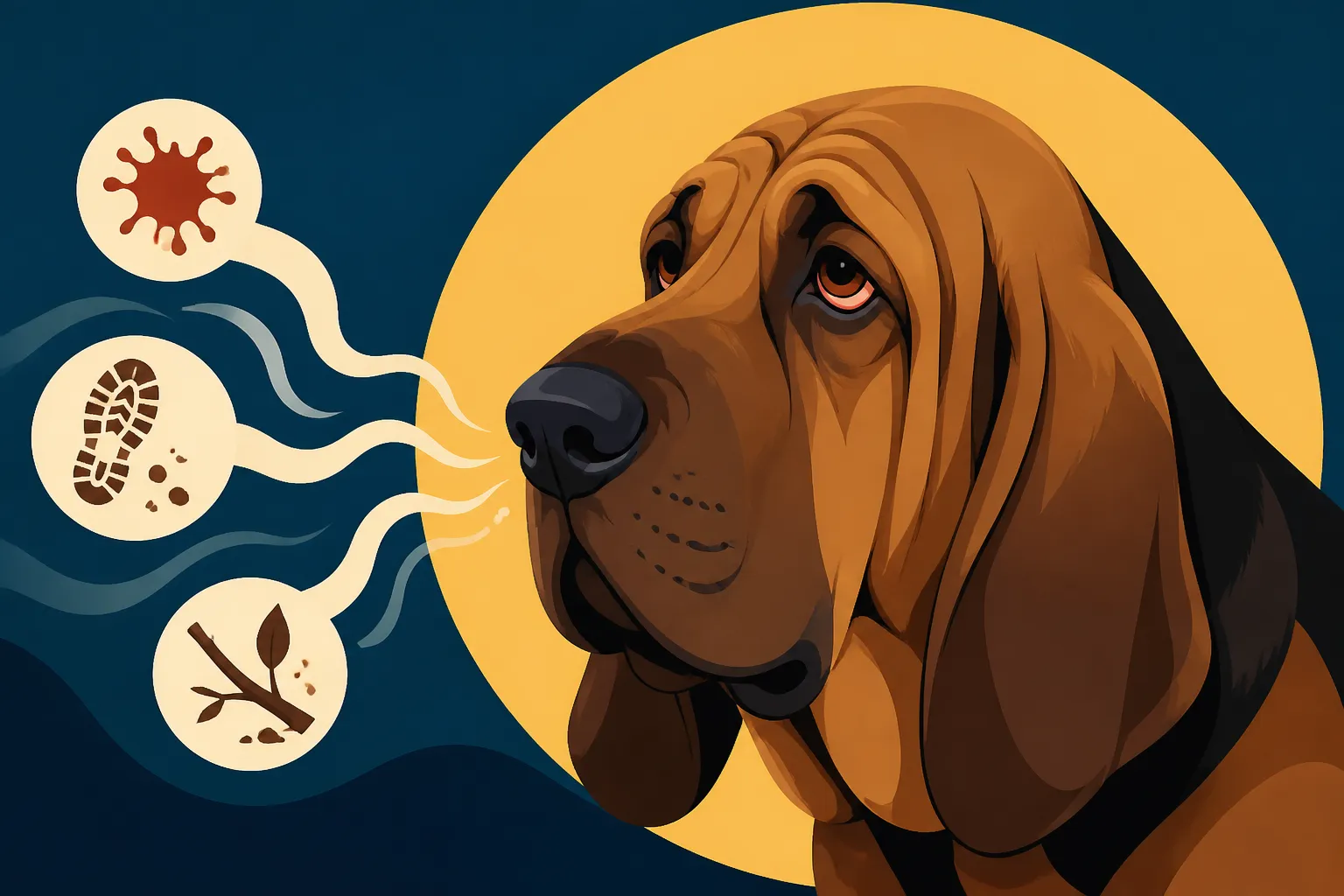
Why a Bloodhound Smells Like a Bloodhound
If you've ever spent time with a Bloodhound, you know there's a certain… aroma that accompanies these incredible dogs. It's not necessarily a bad smell, but it's definitely distinct, and for many owners, it's a constant battle against what can feel like an omnipresent hound scent in their home. This guide will delve deep into the many reasons behind that signature Bloodhound smell, from their unique physiology to the environmental factors, and offer comprehensive advice on managing it.
The Unique Anatomy: A Scent-Producing Machine
Bloodhounds are scent hounds through and through, bred over centuries to have an unparalleled sense of smell. But this incredible gift comes with a few anatomical quirks that, while perfect for tracking, also make them predisposed to carrying a particular odor. It's not just about what they roll in; it's literally built into them.
Skin Folds and Sebaceous Glands
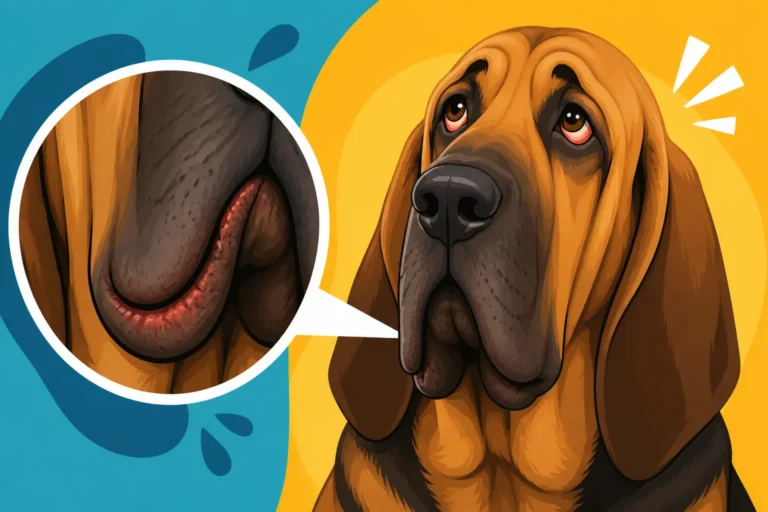
One of the most striking features of a Bloodhound is their abundant loose skin, especially around the face, neck, and chest. These deep folds, while charmingly characteristic, are prime breeding grounds for moisture and microbes. Think about it: skin folds are like tiny, warm, humid microclimates all over your dog's body, especially in places that don't get much airflow.
These areas are also rich in sebaceous glands, which produce sebum, a natural oily substance that lubricates the skin and coat. While sebum is essential for skin health, in excessive amounts or when trapped in folds, it can become a food source for bacteria and yeast. This bacterial and yeast overgrowth is a major contributor to the musky, sometimes pungent, odor that many Bloodhound owners recognize. It's not just surface-level dirt; it's a constant biological process happening in those hidden nooks and crannies. Regular attention to these areas is absolutely critical to keeping the smell at bay. Neglecting them can lead to skin irritation and infections, which only intensify the odor further, creating a cycle of discomfort and smell. Skin Fold Dermatitis on a Bloodhound is a common issue stemming from this very problem.
The Loose Flews and Drool Factor
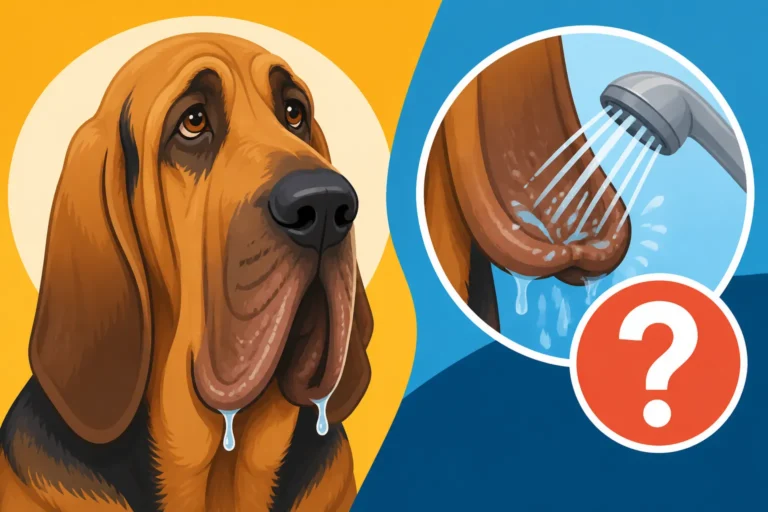
Bloodhounds are famous for their long, droopy jowls, officially called flews. These aren't just for show; they actually help trap scent particles, funneling them towards the nose. While this is fantastic for their tracking abilities, it's less than ideal for maintaining a fresh scent around the house. These loose flews tend to get wet, whether from drinking, playing, or simply being a Bloodhound.
This constant dampness means that food particles, water, and saliva can easily accumulate and cling to the fur and skin around their mouth. Saliva, particularly, can develop a distinct odor as it interacts with bacteria and food debris. When a Bloodhound drinks, its flews act like sponges, soaking up water and then often slinging it across your kitchen, along with any trapped food remnants. This creates a perpetual state of dampness and a breeding ground for bacteria, leading to a sour, yeasty smell around their mouth that can quickly spread to their neck and chest. Wiping their jowls after every meal and drink is not just a polite gesture; it's a necessary step in managing their unique odor and preventing the buildup of smelly residue.
Ears: The Prime Culprits
If you've got a Bloodhound, you know their ears are majestic, long, and velvety soft. You also know they are perhaps the single biggest contributor to that "Bloodhound smell." Their unique structure, while aiding in scent collection, unfortunately creates an almost perfect environment for odor-causing issues.
Deep, Pendulous Ear Structure
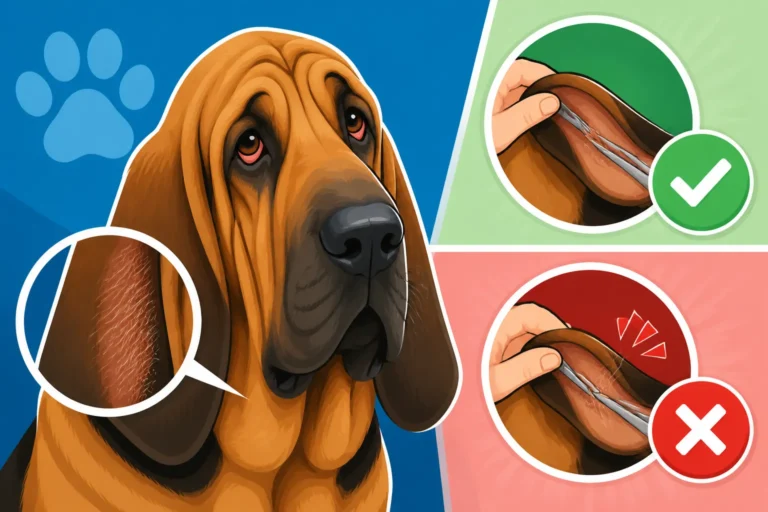
A Bloodhound's ears are incredibly long and heavy, often dragging on the ground or dipping into their food and water bowls. This pendulous nature means that very little air circulates into the ear canal itself. Imagine trying to air out a deep, narrow cave that's constantly covered – that's essentially what's happening with your Bloodhound's ears. This lack of airflow, combined with the normal warmth of a dog's body, creates a dark, moist, and humid environment.
This perpetually damp, warm, and dark space is an absolute haven for yeast and bacteria to thrive. Without proper ventilation, moisture gets trapped, and the natural flora of the ear can quickly become overgrown. It's not uncommon for Bloodhound owners to notice a distinct, sometimes yeasty or even cheesy smell emanating from their dog's ears, even if there isn't an active infection yet. The length of the ear leather itself also contributes, as it can trap environmental debris and moisture against the head. Why a Bloodhound's Ear Canal Stays Damp is a constant struggle that owners face.
Yeast and Bacterial Overgrowth
Given the perfect conditions, it's no surprise that Bloodhounds are highly prone to ear infections. Yeast (Malassezia) and various types of bacteria are the most common culprits. These microorganisms produce metabolic byproducts that have strong, often unpleasant odors. A healthy ear might have a faint, clean scent, but an ear with an overgrowth of yeast often smells sweet and sickly, like old bread or corn chips, while bacterial infections can produce a smell that's more putrid or sour.
These infections are not just smelly; they are often incredibly uncomfortable for your dog, causing itching, redness, and pain. Left untreated, chronic ear infections can lead to serious health problems, including permanent damage to the ear canal. This is why a consistent cleaning routine is non-negotiable for Bloodhound owners. Regular, thorough cleaning helps to remove debris, excess wax, and moisture, thereby disrupting the breeding cycle of these odor-causing microbes. If you're smelling a strong, persistent odor from your Bloodhound's ears, it's often the first sign that an infection is brewing and needs veterinary attention. A Bloodhound's Ears Are a Standing Infection Risk you simply cannot ignore.
Grooming and Environmental Factors
While a Bloodhound's anatomy is a primary driver of their scent, how you groom them and the environment they live in play a huge role in how strong that smell becomes. Good practices can significantly mitigate the issue, while neglect can make it unbearable.
The Bloodhound Coat and Shedding
Bloodhounds have a relatively short, dense, and hard coat. On the surface, you might think this means less grooming, but it actually has implications for their smell. This coat can be quite oily, and just like their skin, the oil (sebum) produced to condition the coat can contribute to a musky scent, especially if bathing isn't regular. This natural oil can trap environmental odors, dirt, and dander, making the dog smell even more.
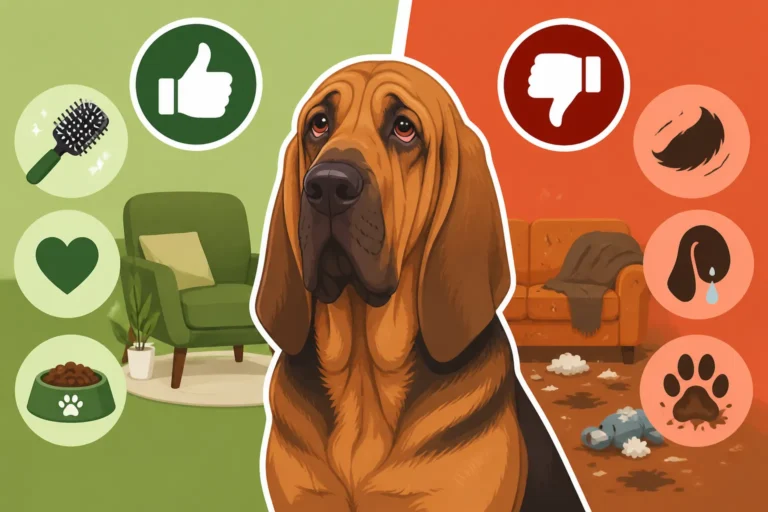
Furthermore, Bloodhounds are moderate to heavy shedders. While short hairs might not seem as impactful as long ones, these shed hairs carry the same natural oils and dander that contribute to the "dog smell." These hairs get everywhere – on furniture, carpets, and clothing – effectively spreading the Bloodhound aroma throughout your home. Regular brushing, even for a short-haired dog, is important not just for managing shedding but also for distributing natural oils and removing loose hair and trapped dirt that can contribute to odor. It also stimulates the skin, promoting healthier skin and coat, which can indirectly reduce odor by improving overall skin health. How Much a Bloodhound Sheds might surprise you given their short coat.
Dampness, Dirt, and Debris
Bloodhounds love to follow their noses, and that often means exploring muddy fields, wet woods, and anything else that might be covered in interesting scents. Their low-slung bodies, long ears, and loose skin mean they are excellent at picking up and retaining dirt, mud, and all sorts of environmental debris. A Bloodhound's ears dragging through dew-laden grass, for example, pick up moisture, pollen, and microscopic organisms, all of which contribute to an odor as they dry (or don't dry) and interact with the ear's natural environment. The Bloodhound Ear That Trails Through the Food Bowl is another prime example.
Even if they don't roll in something overtly stinky, simple dampness can amplify their natural musky scent. Imagine a wet wool blanket – it smells much stronger than a dry one. The same principle applies to a Bloodhound. If they get wet and aren't thoroughly dried, the combination of trapped moisture and their natural oils creates an intensified smell. This is why it's so important to not only clean your Bloodhound after outdoor adventures but also to ensure they are completely dry, especially in their folds and ears. Leaving them damp is an open invitation for bacterial and yeast growth, leading to a much stronger and less pleasant odor.
Diet and Internal Health Influences
While a lot of a Bloodhound's smell is external and anatomical, what goes into their body and how their internal systems function can absolutely affect their overall odor. Sometimes, a change in smell can be a subtle indicator that something deeper is going on.
The Role of Diet and Food Quality
Just like humans, a dog's diet can have a significant impact on their body odor. Low-quality foods with fillers, artificial ingredients, or common allergens can sometimes lead to skin issues, excessive oil production, or imbalances in gut flora, all of which can manifest as a stronger or more unpleasant smell. Some dogs are sensitive to certain proteins or grains, and these sensitivities can cause skin inflammation, itching, and increased sebum production, leading to a greasier coat and more noticeable odor.
Switching to a high-quality, easily digestible diet might make a noticeable difference for some Bloodhounds. Foods rich in omega fatty acids can promote healthier skin and a less oily coat, potentially reducing the intensity of their natural musk. It's not a magic bullet, but optimizing their nutrition can support overall skin health, which in turn impacts how they smell. Before making drastic dietary changes, especially if you suspect sensitivities, always consult with your veterinarian. Exploring options from reputable brands like Ollie, which offers fresh, human-grade ingredients, could be beneficial for some dogs, but individual needs vary greatly.
Underlying Health Conditions
Sometimes, a sudden or intensified "Bloodhound smell" isn't just about the breed; it could be a sign of an underlying health issue that needs attention. Aside from ear and skin fold infections we've already discussed, other conditions can contribute to a stronger or different body odor. Dental disease, for instance, can lead to incredibly foul breath that can permeate the dog's entire head region. Unhealthy gums and decaying teeth harbor bacteria that release volatile sulfur compounds, resulting in a distinct and unpleasant smell.
Other systemic issues, like kidney disease or metabolic disorders, can sometimes alter a dog's body chemistry, causing a change in their odor. For example, some conditions can cause a dog's breath or skin to have a metallic or even sweet smell. Hormonal imbalances, such as hypothyroidism, can also affect skin and coat health, sometimes leading to dry, flaky skin or an oily, smelly coat. If you notice a significant or sudden change in your Bloodhound's smell, particularly if accompanied by other symptoms like lethargy, changes in appetite, or excessive scratching, it's always best to consult your veterinarian to rule out any medical concerns. A Bloodhound's smell might be inherent, but a bad smell can be a warning sign. Hypothyroidism in a Bloodhound can have many subtle symptoms, including changes to skin and coat.
Managing the "Bloodhound Scent": Practical Care
While you can't completely eliminate the inherent Bloodhound smell (it's part of what makes them, well, them!), you can absolutely manage it effectively with consistent care. It's all about proactive measures rather than reactive cleaning.
Regular Cleaning of Ears and Folds
This is probably the most crucial step in managing your Bloodhound's aroma. Their ears and skin folds are magnets for moisture, debris, and microbes. Establishing a routine for these areas is paramount. For ears, weekly cleaning is often recommended, but some Bloodhounds may need it more frequently, especially if they are prone to infections or swim regularly. You'll want to use a veterinarian-approved ear cleaner that helps dry the ear canal and dissolve wax. Gently lift the ear flap, apply the solution, massage the base of the ear, and then wipe out any loosened debris with a cotton ball or gauze. Never use cotton swabs deep inside the ear, as this can push debris further in. Cleaning a Bloodhound's Ears Every Week for Life should be a non-negotiable part of your routine.
For skin folds, daily wiping is ideal, particularly for those deep facial wrinkles and the neck folds. Use a soft, damp cloth, or pet-specific wipes designed for skin folds. Make sure to get into the deepest parts of the folds. After wiping, it's vital to ensure the folds are completely dry. You can gently pat them dry with a clean cloth or even use a low-setting hairdryer from a safe distance. Any lingering moisture will negate your efforts and create a perfect environment for bacterial growth. Wiping a Bloodhound's Folds Before They Sour prevents a lot of grief. Many owners find it convenient to buy large packs of wipes from retailers like Chewy or Amazon to ensure they always have them on hand for quick clean-ups.
Bathing and Grooming Routine
While you don't want to over-bathe a Bloodhound and strip their natural oils, regular bathing is a key component of odor control. How often depends on the individual dog, their activity level, and how quickly they accumulate "the smell." For some, a bath every 3-4 weeks is sufficient, while others might need one every two weeks. Use a good quality dog shampoo, preferably one designed for sensitive skin or odor control. Ensure you rinse thoroughly, as shampoo residue can irritate the skin and contribute to odor. After bathing, towel dry as much as possible, then allow them to air dry completely or use a dog-specific blower if they tolerate it, paying extra attention to all those folds and under their ears.
Beyond bathing, regular brushing several times a week helps to remove loose hair, dander, and trapped dirt. This not only reduces shedding around your house but also helps to keep their coat cleaner and less prone to holding odors. Investing in a good rubber curry brush or a shedding blade can be very effective for their short coat. Don't forget nail trims and checking their paw pads for any trapped debris after walks, as dirty paws can also contribute to overall house odor. How Often a Bloodhound Needs a Bath is a question many owners grapple with.
Specialized Tools and Products
There's a whole world of products out there designed to help manage dog odor, and Bloodhound owners often become experts in this field. Snoods are a fantastic invention for Bloodhounds, especially during meal times or when they're outside. These fabric tubes fit over their head, keeping their long ears out of their food and water bowls, and protecting them from getting dirty or snagged on outdoor elements. You can find a variety of snoods on platforms like Amazon.
For specific areas, medicated wipes or sprays recommended by your vet can be invaluable for managing recurring skin fold issues. Consider specialty dog shampoos with deodorizing properties or natural ingredients like oatmeal for sensitive skin. Some owners also find that certain dietary supplements, such as fish oil for skin health or probiotics for gut health, can positively impact their dog's overall scent profile. Even simple things like investing in deep, narrow food and water bowls can help keep their ears cleaner. It’s an ongoing process of finding what works best for your particular hound.
Why the Scent Lingers: Your Home and Belongings
So, you've cleaned your Bloodhound from head to tail, but you still catch whiffs of that distinct odor in your living room. The reality is, Bloodhounds are masters at disseminating their scent, and it permeates everything if you're not vigilant.
Fabric and Furniture Absorption
Your Bloodhound's natural oils, dander, and any residual moisture from their folds or ears are constantly transferring to surfaces they touch. Sofas, chairs, carpets, bedding, and even curtains are like giant sponges for these odors. Every time your Bloodhound settles down for a nap, rolls on the carpet, or leans against your favorite armchair, they're leaving a little bit of themselves behind. Over time, these cumulative deposits build up, leading to a pervasive "dog smell" throughout your home that can be incredibly difficult to eliminate.
This absorption is why professional cleaning of carpets and upholstery is often necessary, in addition to regular vacuuming and washing. Choose furniture with easily removable and washable covers. For items that can't be washed, consider using pet-specific odor neutralizers and enzymatic cleaners. It’s a constant battle, and one that requires a multi-pronged approach to keep your home smelling fresh. Many Bloodhound owners swear by washable everything! Whether a Bloodhound's Bedding Holds the Odor is a resounding "yes!"
Air Quality and Circulation
Even with the cleanest dog and meticulously cleaned surfaces, stale air can concentrate and intensify odors. Homes with poor ventilation, especially during colder months when windows are kept shut, can trap pet odors. The air itself becomes saturated with the microscopic particles that carry the Bloodhound scent. This is where investing in good air quality management can make a significant difference.
Regularly opening windows, even for short periods, to allow fresh air to circulate can help immensely. Air purifiers with HEPA filters and activated charcoal can capture pet dander and neutralize odors from the air. Placing odor-absorbing products like charcoal bags in key areas where your Bloodhound spends a lot of time can also help. Remember, while a strong air freshener might mask the smell temporarily, it doesn't remove the source. The goal is to eliminate the odor molecules from the air and surfaces, not just cover them up.
Practical Strategies for a Fresher Home
Living with a Bloodhound doesn't mean resigning yourself to a perpetually "doggy" smelling home. With a consistent, multi-faceted approach, you can keep the unique Bloodhound scent to a minimum.
Creating a Cleaning Schedule
The key to success is routine. Instead of waiting until you smell the problem, integrate cleaning tasks into your weekly schedule. This isn't just for your Bloodhound's personal hygiene but for your home environment as well.
| Area/Item | Frequency | Action | Products/Notes |
|---|---|---|---|
| Bloodhound's Ears | Weekly | Clean with vet-approved solution, wipe folds. | Ear cleaner, cotton balls/gauze, soft cloth for drying. |
| Bloodhound's Skin Folds | Daily | Wipe folds clean, ensure completely dry. | Pet-specific fold wipes, soft, dry cloth. |
| Bloodhound's Coat | Bi-Weekly | Brush coat to remove loose hair/dander. | Rubber curry brush, shedding tool. |
| Bloodhound's Bath | Monthly | Bathe with dog-specific shampoo, thoroughly rinse and dry. | Dog shampoo (e.g., oatmeal-based), large towels, pet dryer (optional). |
| Bedding | Weekly | Wash all dog beds, blankets, and crate liners. | Pet-safe laundry detergent, hot water. |
| Hard Floors | Bi-Weekly | Mop with pet-safe cleaner. | Enzymatic floor cleaner. |
| Carpets/Rugs | Monthly | Vacuum thoroughly, spot clean as needed with enzymatic cleaner. Deep clean quarterly. | High-power vacuum, enzymatic spray, professional cleaning. |
| Upholstery | Monthly | Vacuum, spot clean. Cover with washable throws. | Vacuum with upholstery attachment, enzymatic cleaner, washable blankets from Amazon. |
| Air Quality | Daily | Open windows, use air purifiers. | Air purifier with HEPA filter, activated charcoal bags. |
| Drool Spots | As Needed | Wipe immediately, use enzymatic cleaner for dried spots. | Microfiber cloths, enzymatic cleaner. |
This kind of schedule makes managing the scent less daunting because it breaks it down into manageable chunks. You might find some items need more or less frequent attention depending on your specific Bloodhound and home environment, but this gives you a solid starting point.
Investing in the Right Cleaning Products
Not all cleaning products are created equal when it comes to pet odors. Standard household cleaners might mask smells temporarily but often don't break down the odor-causing molecules. This is where enzymatic cleaners become your best friend. These cleaners contain enzymes that literally digest the organic matter causing the odors, eliminating them rather than just covering them up. They are invaluable for accidents, but also for general cleaning of pet areas.
Beyond enzymatic cleaners, stocking up on pet-specific laundry detergents, especially for washing dog bedding and blankets, can make a huge difference. These detergents are often formulated to tackle pet odors and hair more effectively than regular detergents. For persistent odors in the air, consider activated charcoal air purifiers or bags, which naturally absorb odors without adding fragrances. When buying these products, check labels for "pet-safe" to ensure they won't harm your Bloodhound if they come into contact with them. You can find a wide range of these specialized pet cleaning products from online retailers like Chewy or Amazon.
Maintaining Your Bloodhound's Health Holistically
Finally, remember that a healthy dog generally smells better. Beyond the specific ear and fold care, maintaining your Bloodhound's overall health contributes to a less potent scent. This includes:
- A Balanced Diet: As discussed, a high-quality diet can support skin and coat health, reducing excessive oil production and potential sensitivities that contribute to odor. Consider talking to your vet about specialized diets if you suspect food allergies.
- Regular Vet Check-ups: Routine veterinary visits ensure that any underlying health issues, like dental disease, thyroid imbalances, or chronic infections, are caught and treated early. An untreated health problem will almost always manifest in some way, and odor can be one of the most noticeable signs.
- Dental Hygiene: Bad breath can quickly make your Bloodhound seem smellier overall. Regular tooth brushing (if your Bloodhound tolerates it) and professional dental cleanings as recommended by your vet can prevent dental disease and its associated foul odors.
- Environmental Control: Keeping your Bloodhound's environment clean and dry also contributes to their personal cleanliness. If their bed is clean, their ears are less likely to pick up bacteria from it. If your floors are regularly cleaned, they track in less dirt and grime.
By focusing on these holistic approaches, you're not just managing the smell; you're promoting your Bloodhound's overall well-being, which is the best way to ensure they're happy, healthy, and as fresh-smelling as a Bloodhound can be! Why a Bloodhound Carries an Odor is a complex question with many answers, and addressing them all is key.
Disclaimer
This article is for general informational purposes only and does not constitute professional advice. Laws, prices and regulations vary by location and change over time. Consult a qualified professional for guidance on your specific situation.