How Often a Bloodhound Gets an Ear Infection
If you've ever owned a Bloodhound, you know the battle is real: ear infections. It often feels like a constant struggle, a recurring nemesis that keeps you and your furry friend on a first-name basis with your vet. This guide is here to unravel the mystery of why Bloodhounds seem to get ear infections so frequently, what to look for, and how to stay ahead of these persistent, painful problems.
The Unavoidable Reality of Bloodhound Ear Infections
It's not just your imagination or bad luck if your Bloodhound frequently battles ear infections. This breed, with its distinctive long, pendulous ears and deeply wrinkled skin, is simply predisposed to these frustrating issues. It’s a part of their charm, yes, but also a significant responsibility for owners. You're not alone in feeling like you're constantly cleaning and checking those beautiful, floppy ears.
Why Bloodhounds Are Prone to Ear Infections
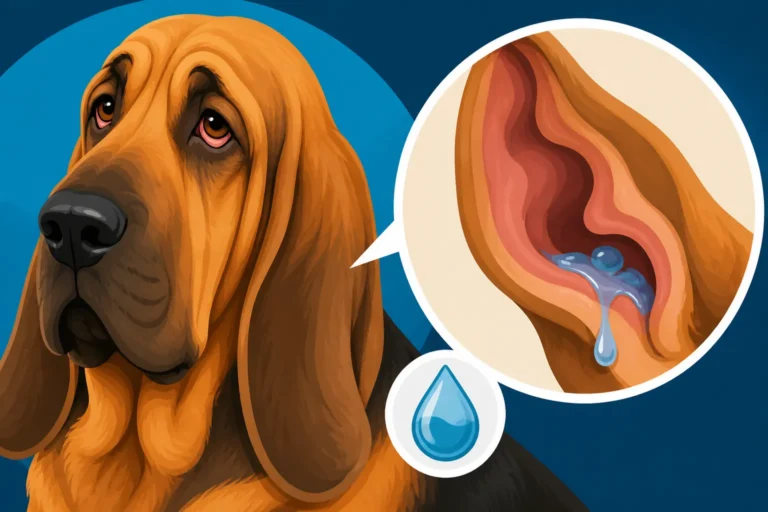
The very anatomy that makes a Bloodhound so unique and effective at scent work also creates a perfect breeding ground for ear infections. Their ears are incredibly long and heavy, hanging down and effectively sealing off the ear canal from fresh air. This creates a warm, dark, and often moist environment that opportunistic bacteria and yeast absolutely adore. Imagine wearing earmuffs constantly, trapping every bit of humidity and warmth inside – that's essentially what your Bloodhound's ears do.
Beyond the external ear flap, the internal structure of a Bloodhound's ear canal can be particularly convoluted and narrow, making it difficult for natural debris and moisture to escape. Add to this the fact that many Bloodhounds have an abundance of hair growing deep within their ear canals. This hair further obstructs airflow and provides more surfaces for moisture and debris to cling to, turning a simple dampness into a potential infection. It’s a classic case of nature’s design having an unintended consequence for domestic life. This is precisely why A Bloodhound's Ears Are a Standing Infection Risk, and it's something every owner must acknowledge and manage diligently.
Environmental factors can also play a huge role. If your Bloodhound loves to swim, or even just gets damp from a rainy walk, that trapped moisture significantly increases the risk. The dampness combined with the lack of airflow creates an ideal incubator for microorganisms to flourish. It’s not just about the external dirt; it’s the internal microclimate of their ears that truly sets them up for trouble.
Common Frequencies of Ear Issues
So, how often should you realistically expect your Bloodhound to get an ear infection? For many Bloodhound owners, it can feel like a monthly or bi-monthly occurrence, especially if underlying issues like allergies aren't properly managed. It's not uncommon for a Bloodhound to have at least one or two ear infections a year, even with diligent care. Some dogs are simply more prone due to their individual ear canal structure or specific allergen sensitivities.
Factors influencing this frequency are varied. A dog with unmanaged environmental allergies might experience flare-ups seasonally, such as during spring pollen season or when dust mites are more prevalent indoors. Similarly, a Bloodhound with a food sensitivity might have chronic, low-grade ear inflammation that periodically erupts into full-blown infections. Your cleaning routine also plays a massive role. Skipping even a week or two of consistent cleaning can be enough for an infection to take hold in a predisposed Bloodhound.
It's important to differentiate between an occasional, easily treated flare-up and a truly chronic issue. An occasional infection that clears up quickly with a few days of medication might be manageable, but if your Bloodhound seems to be constantly on ear drops, or if infections return immediately after finishing a course of treatment, then you're likely dealing with a chronic problem that requires a deeper dive with your veterinarian. Knowing How Many Ear Infections a Bloodhound Averages a Year can help you set realistic expectations for your own hound's health journey.
Recognizing the Early Signs of an Ear Infection
Catching an ear infection early in a Bloodhound is absolutely critical. Not only does it make treatment simpler and faster, but it also prevents unnecessary pain and potential long-term damage for your dog. Because their ears are so pendulous, it's easy for an infection to fester unnoticed until it becomes quite severe.
Behavioral Cues and Physical Indicators
Your Bloodhound will often give you subtle (and not-so-subtle) hints that their ears are bothering them. One of the most common behavioral cues is excessive head shaking. It might start innocently, a quick shake here or there, but if you notice it becoming more frequent or vigorous, it's time to investigate. You might also observe your dog scratching at their ears, either with a paw or by rubbing them along furniture, the carpet, or even against your leg. Some dogs will also tilt their head persistently to one side.
Physically, there are several key indicators to look for. Start by gently lifting your Bloodhound's ear flap and sniffing the ear canal. A healthy ear should have a neutral, slightly waxy smell. If you detect a strong, yeasty, or foul odor, that's a red flag. Next, look for discharge. This can range from dark brown and waxy, almost like coffee grounds, to yellowish-green and pus-like. Redness and swelling inside the ear canal are also clear signs of inflammation. When you touch the ear, particularly at the base, your Bloodhound might flinch, whine, or even try to pull away, indicating pain or tenderness. These are all definitive Signs a Bloodhound's Ear Is Infected and warrant immediate attention.
The Urgency of Early Detection
The reasons for early detection cannot be overstated. A mild ear infection, caught early, might only require a few days of topical treatment. Left unchecked, however, it can quickly escalate. The inflammation can spread deeper into the ear canal, causing more intense pain and potentially damaging the eardrum. Chronic inflammation can lead to permanent thickening of the ear canal tissues, making future infections even harder to treat and potentially narrowing the canal permanently.
Furthermore, the constant head shaking and scratching associated with an ear infection can lead to another painful problem: an aural hematoma. This occurs when blood vessels in the ear flap rupture due to trauma from shaking or scratching, causing a large, blood-filled pocket to form within the ear flap itself. These often require surgical draining and can be quite uncomfortable for your dog, on top of the original infection. Prompt treatment of the infection can often prevent these secondary complications, saving your Bloodhound from additional pain and you from unexpected vet bills.
Understanding the Culprits: Types of Ear Infections
When we talk about ear infections in Bloodhounds, we're not always talking about the same thing. While the symptoms can sometimes overlap, understanding whether you're dealing with yeast, bacteria, or a combination of both is crucial for effective treatment. Your vet will often perform a quick cytology to determine the primary cause.
Yeast Infections in Bloodhounds
Yeast infections, often caused by an overgrowth of Malassezia pachydermatis, are incredibly common in Bloodhounds. This particular yeast is a normal inhabitant of a dog's skin and ears, but in the right conditions, it can multiply rapidly and cause problems. The Bloodhound's ear environment – warm, moist, and poorly ventilated – is essentially a five-star resort for Malassezia.
Symptoms specific to yeast infections often include a distinct, somewhat sweet or "yeasty" odor, often likened to corn chips or stale bread. The discharge is typically dark brown, waxy, and greasy, sometimes resembling coffee grounds. The skin inside the ear might appear reddish, thickened, and sometimes very itchy. Your dog will likely be scratching and shaking its head a lot. While not usually as acutely painful as a severe bacterial infection, yeast infections are incredibly irritating and uncomfortable. Many owners wonder Whether Yeast or Bacteria Is More Common in a Bloodhound's Ear, and often, it's yeast that kicks off the problems, sometimes paving the way for bacterial invaders.
Bacterial Infections and Their Severity
Bacterial ear infections can be more serious and often develop either as a primary issue or secondary to an untreated yeast infection or underlying allergies. Common bacterial culprits include Staphylococcus and Pseudomonas. These can cause more intense pain and can quickly become more severe if not addressed.
Symptoms of a bacterial infection often include a more pus-like discharge, which can be yellowish, greenish, or even bloody. The ear canal will likely be very red, swollen, and extremely painful to the touch. Your Bloodhound might be more reluctant to let you examine their ear, and in severe cases, they might even seem lethargic or develop a fever. The smell associated with bacterial infections can be particularly foul. With recurrent bacterial infections, there's also a risk of developing antibiotic resistance, making future treatments much more challenging. This underscores why proper diagnosis, often through a culture and sensitivity test, is so important, especially for persistent issues.
Proactive Prevention Strategies for Bloodhound Ears
Prevention truly is the best medicine when it comes to Bloodhound ears. Given their predisposition, a consistent, proactive approach can save your dog a lot of discomfort and you a good deal of stress and expense.
Consistent Cleaning Routines
Establishing a regular ear cleaning routine is paramount. For many Bloodhounds, this means cleaning their ears weekly, sometimes even more frequently if they've been swimming or playing in damp environments. The goal is to remove excess wax, debris, and moisture, thereby disrupting the conditions that favor microbial growth. You can get a detailed walkthrough on Cleaning a Bloodhound's Ears Every Week for Life, but the basics involve using a veterinarian-recommended ear cleaner.
When you clean, gently lift the ear flap, apply a generous amount of cleaner into the ear canal until it's full, and then massage the base of the ear for about 30 seconds. You’ll often hear a squishing sound as the cleaner loosens debris. Then, allow your Bloodhound to shake their head – this is crucial for dislodging the gunk. Finally, use cotton balls or gauze wrapped around your finger to wipe away any discharge from the visible parts of the ear. Never use cotton swabs deep into the canal, as this can push debris further in and potentially damage the eardrum. After cleaning, ensure the ear is thoroughly dry. A little fan or even just circulating air can help. You might also want to look into What to Clean a Bloodhound's Ears With for specific product recommendations, but always clear new products with your vet first.
Dietary and Allergen Management
It's a common misconception that ear infections are purely a local issue. In many Bloodhounds, recurrent ear infections are actually a manifestation of underlying allergies. Both food allergies and environmental allergies can cause inflammation and itchiness throughout the body, with the ears often being one of the first and most severely affected areas. If your Bloodhound suffers from persistent ear issues despite diligent cleaning and consistent treatment, it's time to consider an allergic component.
For suspected food allergies, your vet might recommend an elimination diet, switching your Bloodhound to a novel protein (one they haven't eaten before) or a hydrolyzed protein diet for a period of 8-12 weeks. During this time, no other treats or foods are given. If the ear problems improve, you can then slowly reintroduce ingredients to pinpoint the culprit. For environmental allergies, identification can be trickier, often involving allergy testing and then management through antihistamines, immunotherapy (allergy shots or drops), or other medications. Avoiding known triggers, such as keeping your Bloodhound out of heavily pollinated areas or using air purifiers, can also help. Remember that Whether Swimming Sets Off a Bloodhound's Ears is also a key environmental consideration that you can control.
When to See the Vet and What to Expect
While diligent home care and preventive measures are incredibly important, there will inevitably be times when your Bloodhound's ears demand professional veterinary attention. Knowing when to make that call is crucial for your dog's health and comfort.
Deciding It's Time for Professional Help
If you notice any of the previously mentioned signs of an ear infection – excessive scratching or head shaking, a foul odor, discharge, redness, or pain – and particularly if these symptoms don't resolve with your regular cleaning routine within a day or two, it’s definitely time to call your veterinarian. Don't play guessing games with ear infections, especially in Bloodhounds where they can quickly become severe.
Your vet will conduct a thorough examination of your Bloodhound's ears, often using an otoscope to look deep into the ear canal and assess the eardrum. The most important diagnostic step is typically a cytology, where a swab of the ear discharge is examined under a microscope to identify yeast, bacteria, and inflammatory cells. This allows your vet to prescribe the most appropriate medication. In cases of chronic or recurrent infections, or if the initial treatment isn't effective, your vet might recommend a culture and sensitivity test. This involves sending a sample of the discharge to a lab to identify the specific type of bacteria present and determine which antibiotics will be most effective against it. This helps avoid trial-and-error treatment and addresses the issue head-on. As a Bloodhound owner, you should always clarify Whether a Bloodhound Needs a Culture Before Ear Drops if treatments aren't working.
Treatment Options and Long-Term Management
Once the type of infection is identified, your vet will prescribe the appropriate treatment. This often involves a course of topical ear drops containing antibiotics, antifungals, and/or steroids to reduce inflammation. Oral medications, such as antibiotics or anti-inflammatory drugs, may be prescribed for more severe infections or if the infection extends beyond the ear canal. It’s absolutely vital to complete the entire course of medication, even if your Bloodhound’s ears seem better after a few days. Stopping early can lead to a resurgence of the infection and potentially contribute to antibiotic resistance.
Long-term management often involves a multi-pronged approach. Beyond treating active infections, your vet will work with you to identify and address any underlying causes, such as allergies. This might involve dietary changes, allergy medications, or consistent use of maintenance ear cleansers. For Bloodhounds with particularly challenging or chronic ear problems, your vet might recommend a referral to a veterinary dermatologist. These specialists have advanced diagnostic tools and treatment options, including deeper cleaning under sedation or more specialized medications. Having a reliable pet insurance plan, like one from Healthy Paws, can be incredibly helpful here, as specialist visits and chronic medication costs can add up quickly, providing peace of mind when these extensive treatments are needed.
Living with a Chronic Ear Infection: A Reality for Some
For some Bloodhound owners, chronic ear infections become an unavoidable part of their dog's life. While frustrating, it's important to understand the implications and available options to maintain your dog's quality of life.
The Emotional and Financial Toll on Owners
Dealing with a Bloodhound's chronic ear infections can be incredibly frustrating and emotionally draining. You constantly worry about their comfort, feel guilty when an infection flares up, and spend endless hours cleaning and medicating those deep, floppy ears. It's a never-ending cycle that can test the patience and dedication of even the most devoted owners. It feels like you're always on guard, always checking, always one step behind the next flare-up.
Beyond the emotional toll, the financial burden can be significant. Repeated vet visits, diagnostic tests like cytologies and cultures, prescription ear drops, oral medications, and even specialist consultations can quickly add up. This is where pet insurance, such as Healthy Paws, really comes into its own. Having a good insurance policy can help offset these recurring costs, allowing you to focus on getting your Bloodhound the best possible care without constant financial stress. Without it, you might find yourself facing bills that make you wince every time you pull into the veterinary clinic. Knowing The Standing Cost of a Bloodhound's Ears over a lifetime can be quite eye-opening, and it’s a cost many owners underestimate.
Advanced Interventions for Persistent Problems
When chronic ear infections become severe and unresponsive to all other medical management, and the Bloodhound's quality of life is significantly impacted by pain and discomfort, more drastic measures might be considered. One such intervention is a Total Ear Canal Ablation (TECA). This major surgical procedure involves the complete removal of the diseased ear canal and often parts of the middle ear, leaving only the inner ear intact. The goal is to eliminate the source of chronic infection and pain.
TECA is a last resort, usually recommended only when the ear canal has become permanently damaged, calcified, or narrowed to the point where it can no longer be effectively treated with medication. While it typically resolves the pain and infection, it does result in permanent deafness in the affected ear. The recovery period is significant, and it’s a decision that weighs heavily on any owner. However, for a dog that has suffered years of chronic, debilitating ear pain, a successful TECA can dramatically improve their quality of life, freeing them from constant discomfort. Your vet will have a thorough discussion with you about What a Total Ear Canal Ablation Means for a Bloodhound before considering this option.
| Symptom / Feature | Yeast Infection (Malassezia) | Bacterial Infection |
|---|---|---|
| Odor | Yeasty, sweet, like corn chips or stale bread | Foul, putrid, sometimes acrid |
| Discharge Color | Dark brown, waxy, greasy, "coffee grounds" | Yellow, green, purulent, sometimes bloody |
| Itchiness | Often intense, leading to head shaking and scratching | Variable, can be intense, especially with pain |
| Pain Level | Mild to moderate discomfort and irritation | Moderate to severe, dog may guard ear or cry upon touch |
| Ear Canal Appearance | Reddened, thickened, greasy looking | Very red, swollen, sometimes ulcerated or raw |
| Common Causes | Moisture, poor ventilation, allergies, antibiotic use | Often secondary to yeast or allergies, foreign bodies, tumors |
| Response to Treatment | Usually good with antifungals, but can recur if underlying issue not managed | Can be stubborn, may require specific antibiotics based on culture |
Disclaimer
The information provided in this article is for educational purposes only and is not intended to be a substitute for professional veterinary advice, diagnosis, or treatment. Always seek the advice of your veterinarian or other qualified animal health provider with any questions you may have regarding a medical condition.