What an Adult Female Bloodhound Weighs
One common question I get from new Bloodhound owners, or those just researching the breed, is about their size. Specifically, many folks wonder what to expect from an adult female. It’s easy to look at these magnificent hounds and just think "big dog," but there’s a distinct weight range that’s considered healthy and typical for a full-grown female. This guide will walk you through what that range is, why it matters, and all the things that can influence your girl's physique, helping you understand if your Bloodhound is truly thriving.
Understanding the Standard Weight Range for an Adult Female Bloodhound
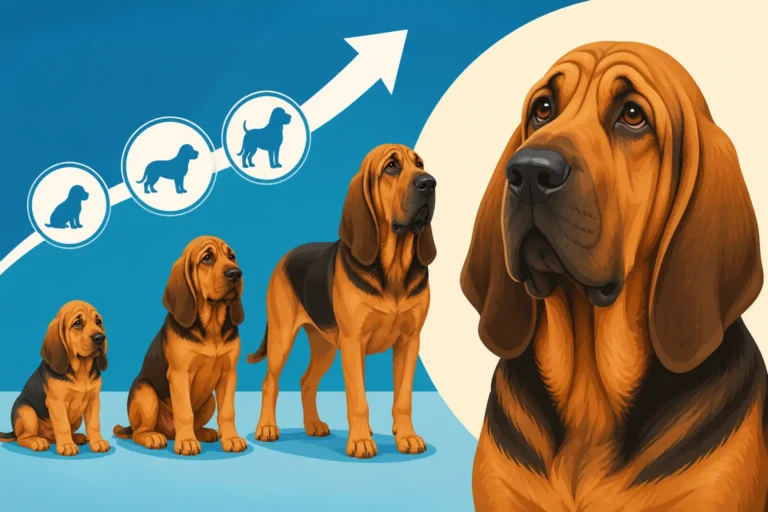
When you bring home a Bloodhound puppy, they seem to grow at an astonishing rate, transforming from a wrinkly, floppy-eared bundle into a substantial dog in what feels like mere months. But what's the ultimate destination in terms of size and weight for your female companion? It's not just about hitting a number; it's about understanding what's healthy and typical for the breed.
The Official Breed Standard Guidelines
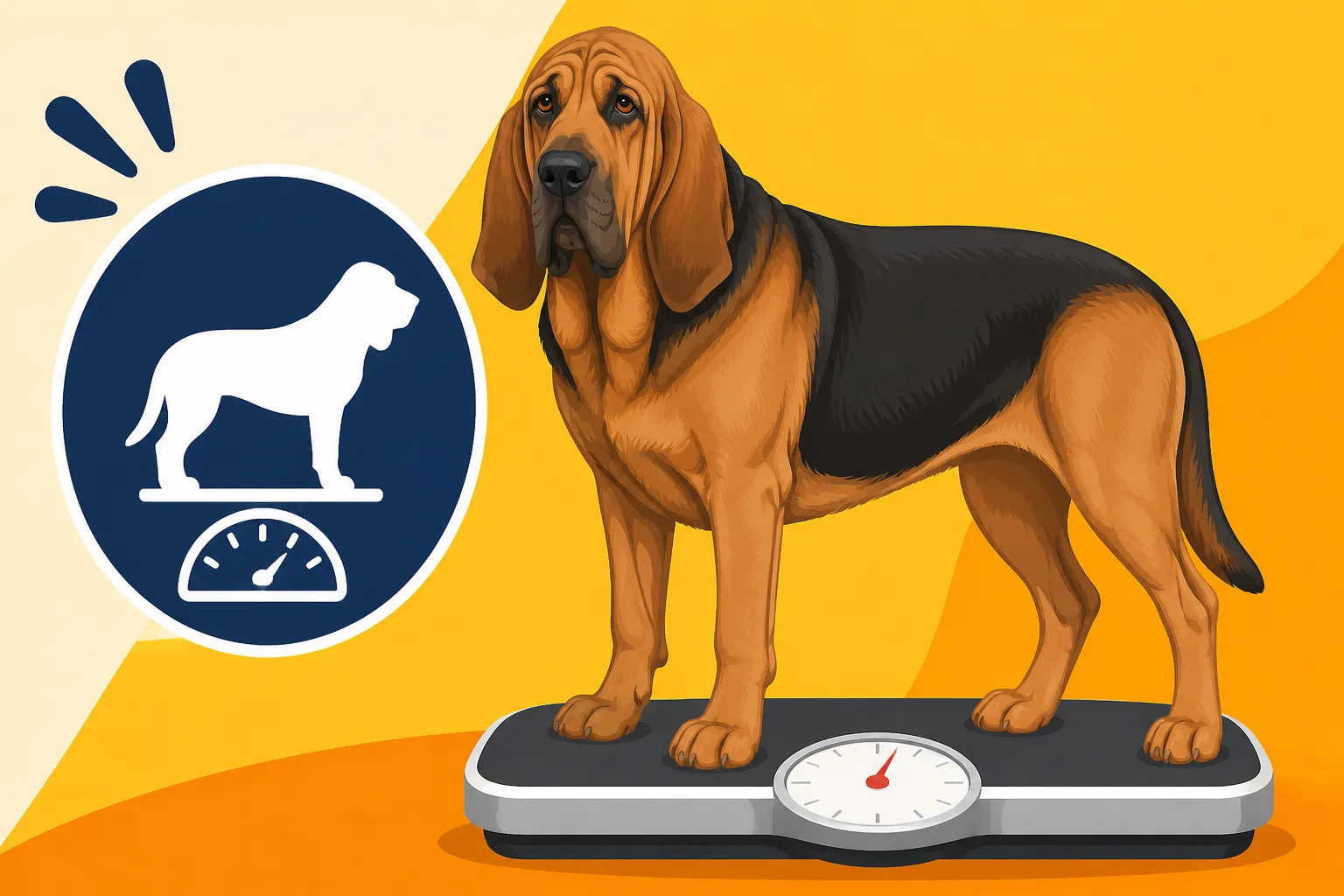
The American Kennel Club (AKC) breed standard, which many responsible breeders strive to meet, offers a clear guideline for adult Bloodhound weight. For a mature female Bloodhound, the standard typically suggests a weight range of 80 to 100 pounds. This isn't a hard and fast rule set in stone, of course, but rather an ideal to aim for. It represents a dog that is substantial, well-muscled, and proportionate for her frame, without being overly heavy or too delicate. This is a working hound, after all, built for endurance and scent work, not just sitting pretty on the couch (though they excel at that too!).
It’s important to remember that this range assumes a dog in good health, with appropriate muscle tone, and not carrying excess fat. A Bloodhound needs to be robust, but not bulky. Think of it like a seasoned athlete – powerful and strong, but still agile enough to do her job, which in her case is often following a scent trail for miles.
Real-World Variations: What You Might Actually See
While the breed standard gives us a good benchmark, it's a bit like looking at a supermodel in a magazine; real life often has more curves and unique characteristics. In the real world, you might encounter adult female Bloodhounds who are a little outside that 80-100 pound range. Some might naturally fall slightly under, particularly if they are from a smaller lineage or have a very high metabolism and activity level. Others might naturally be a bit heavier, perhaps topping out around 110-120 pounds, especially if they have a slightly larger bone structure or are later in their prime.
These variations aren't necessarily a cause for alarm, provided the dog is healthy and her weight is appropriate for her individual build and height. Just like people, dogs have individual genetic predispositions that dictate their ultimate size. You might see a female who is slightly leggier and lighter-boned, weighing in closer to 75 pounds and looking perfectly fit, or a more compact, heavily boned female who comfortably carries 105 pounds without being overweight. The key is balance and overall health, which we'll delve into more later when we talk about body condition scoring. The average size listed in breed standards serves as a helpful reference point, but your individual dog's health and vitality are what truly matter.
Male vs. Female: A Notable Difference
One thing you'll notice quite quickly when comparing Bloodhounds is the clear size difference between males and females. Males are, on average, significantly larger and heavier. While a female Bloodhound typically sits in that 80-100 pound range, a fully grown male Bloodhound can easily weigh anywhere from 90 to 120 pounds, sometimes even more depending on his lineage and build. This isn't just about weight, either; males often have a more substantial head, heavier bone structure, and a generally more imposing presence.
This size disparity means that when you're considering a Bloodhound, it's important to differentiate between the sexes. If you're hoping for a slightly more manageable size, a female might be a better fit for your home and lifestyle. It also means that comparing your female Bloodhound's weight to a male's is like comparing apples and oranges; they have different biological norms. Understanding What an Adult Male Bloodhound Weighs can really highlight these differences and help you set appropriate expectations for your own hound, regardless of gender. It’s all part of appreciating the unique characteristics that make each Bloodhound special!
Key Factors That Influence a Female Bloodhound's Weight
It's tempting to think of weight as just a number on a scale, but for our Bloodhounds, it's a dynamic reflection of many underlying factors. Just like with us, a dog's weight isn't static and can be influenced by everything from her family tree to her daily habits. Understanding these influences is crucial for keeping your female Bloodhound at her optimal health.
Genetics and Lineage: The Foundation of Her Build
The apple doesn't fall far from the tree, and this old adage certainly holds true for canine genetics, especially when it comes to size and build. Your female Bloodhound's ultimate adult weight and body type are heavily influenced by her parents and the broader lineage of her breed. If her parents were on the larger, more heavily boned side of the Bloodhound spectrum, she's likely to inherit those traits and mature into a heavier adult. Conversely, if her parents were leaner and more athletic, she might follow suit.
A reputable breeder will be able to tell you about the typical size and weight of their adult dogs, as well as share information about the health and conformation of the parents. This can give you a good indication of what to expect as your puppy grows. While you can influence diet and exercise, you can't change her genetic blueprint. So, if you're looking at a puppy, take a peek at mom and dad if you can – they're often the best preview of your future adult dog's build. Knowing The Age a Bloodhound Reaches Full Weight can also help you understand when her genetic potential for size has been largely met.
Diet and Nutrition: Fueling Her Body Properly
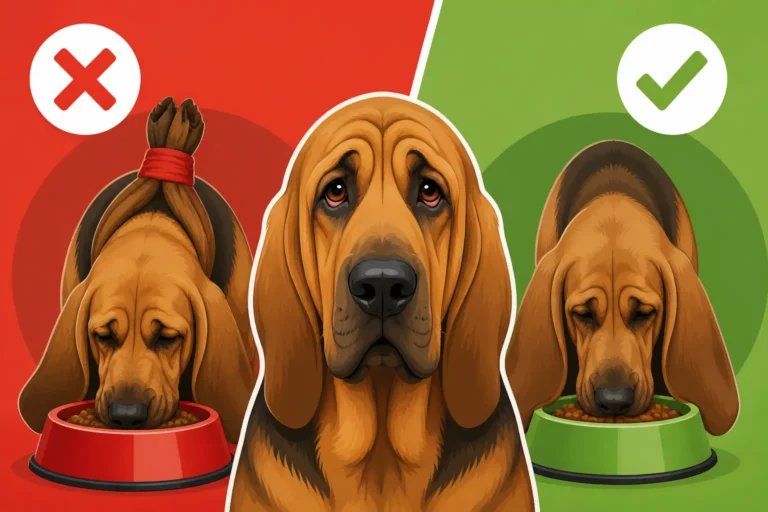
What goes into her bowl is undeniably one of the biggest factors in her weight. The type of food, the quantity, and even the frequency of her meals all play a significant role. A high-quality large-breed dog food is usually recommended for Bloodhounds, particularly during their growth phases, to ensure they get the right balance of nutrients without growing too quickly or putting undue stress on developing joints. Brands like Ollie, known for its fresh, human-grade ingredients, or readily available options from Chewy and Amazon, can provide excellent nutritional bases, but portion control is paramount.
Overfeeding, even slightly, can lead to weight gain over time, especially with a dog that has a more moderate metabolism. Conversely, underfeeding can lead to a dog that struggles to maintain a healthy weight and muscle mass. It's a delicate balance! It's also important to consider treats and table scraps; these calories add up quickly and can derail even the most carefully planned diet. Remember, a Bloodhound's digestive system is a bit unique, and how you feed her can even impact serious health concerns like bloat. Making sure you're Feeding a Bloodhound So It Does Not Bloat involves not just what she eats, but how much and when.
Exercise and Activity Level: The Burn Rate
A Bloodhound's exercise needs are often misunderstood. While they are renowned for their endurance on a scent trail, they aren't necessarily high-energy dogs that need to run for miles every day in the backyard. Their natural exercise is purposeful and focused – following a scent. However, regular, consistent activity is vital for maintaining a healthy weight and muscle tone. A female Bloodhound who is mostly sedentary will be far more prone to weight gain than one who gets daily walks, play sessions, and, ideally, regular scent work.
Lack of appropriate exercise means fewer calories burned, which, when combined with a consistent food intake, almost inevitably leads to packing on the pounds. This isn't just about physical activity, but also mental stimulation. A bored Bloodhound might become a destructive one, or one who just lies around more, creating a vicious cycle of inactivity and weight gain. Thinking about How Much Exercise a Bloodhound Actually Needs can help you tailor an activity plan that keeps her fit and trim, rather than allowing her to become a couch potato.
Spay Status and Age: Hormones and Metabolism
Hormonal changes can significantly impact a female Bloodhound's metabolism and, subsequently, her weight. Spaying a female dog, while beneficial for preventing unwanted litters and certain health issues, often leads to a decrease in metabolic rate. This means a spayed female may need slightly fewer calories to maintain the same weight as an intact female. Many owners find their spayed girls start to put on weight if their diet isn't adjusted accordingly after surgery. This is a common frustration, as you want to do what's best for her health, but then you're suddenly dealing with a weight management challenge!
Age also plays a crucial role. As Bloodhounds mature and eventually enter their senior years, their activity levels naturally tend to decrease, and their metabolism can slow down further. An older female Bloodhound might not burn calories as efficiently as she did in her prime, making weight management an ongoing consideration. It's a gentle reminder that Aging in a Bloodhound Starts at Six, and adjusting their care, including diet and exercise, becomes increasingly important as they transition into their golden years. Regularly assessing her body condition and adjusting her food intake are key to keeping her healthy throughout her life stages.
Assessing Your Female Bloodhound's Body Condition
Knowing the average weight range is one thing, but truly understanding if your female Bloodhound is at a healthy weight is another. Every dog is an individual, and a number on the scale doesn't always tell the whole story. This is where Body Condition Scoring (BCS) comes in handy – it's a practical, hands-on way to assess her physique, focusing on what you see and feel, rather than just what the scale says.
The Importance of Body Condition Scoring
Body Condition Scoring is a widely accepted tool used by veterinarians and informed owners to evaluate a dog's fat reserves and muscle mass. It’s a much more accurate indicator of health than weight alone, as it accounts for individual variations in bone structure, height, and muscle density. A Bloodhound with heavy bone structure might weigh more than one with finer bones, yet both could be at an ideal body condition. Conversely, two Bloodhounds of the exact same weight could have vastly different body compositions.
A good BCS helps you catch weight problems early, whether it's Signs a Bloodhound Is Overweight or concerns about her being too thin. Maintaining an ideal body condition is critical for a Bloodhound's overall health and longevity. Overweight dogs are at increased risk for joint problems like Hip and Elbow Dysplasia in the Bloodhound, heart disease, diabetes, and even bloat. Underweight dogs might struggle with energy levels, immune function, and nutrient deficiencies. It's a truly vital practice for responsible ownership.
How to Perform a Basic Body Condition Check at Home
Performing a BCS on your Bloodhound is something you can do at home with a bit of practice. It involves both visual assessment and hands-on palpation. Most BCS charts use a 1-5 or 1-9 scale, with 3/5 or 4-5/9 being ideal.
Here’s how to do a quick check:
-
Look at her from above:
- Ideal: You should see a distinct "waist" or hourglass shape behind her rib cage. Her abdomen should tuck up slightly when viewed from the side.
- Overweight: She'll look more like a sausage or oval shape, with no discernible waist. Her back might appear broad and flat.
- Underweight: Her waist will be excessively tucked, and her hip bones might be visibly protruding.
-
Look at her from the side:
- Ideal: Her belly should tuck up slightly from her chest to her hips.
- Overweight: Her belly will hang lower, possibly even sagging.
- Underweight: Her abdominal tuck will be very pronounced.
-
Feel her ribs:
- Ideal: You should be able to easily feel her ribs by gently running your hands along her side, almost like feeling the knuckles on your hand. There should be a thin layer of fat over them, but no heavy padding.
- Overweight: It will be difficult to feel her ribs without pressing firmly, due to a thick layer of fat.
- Underweight: Her ribs will be very prominent and easily visible, with little to no fat covering. You might even see them protruding.
-
Check her spine and hip bones:
- Ideal: You should be able to feel her spine and hip bones with a light touch, but they shouldn't be sharply protruding or visible.
- Overweight: You’ll likely have difficulty feeling these bony landmarks due to fat covering.
- Underweight: Her spine and hip bones will be very obvious and possibly sharp to the touch.
Here's a simplified table to help you visualize the scoring:
| Body Condition Score (BCS 1-5 Scale) | Visual Assessment | Palpation (Ribs, Spine, Hips) | Action Required |
|---|---|---|---|
| 1 (Very Thin) | Ribs, spine, hip bones, and other bony prominences visible from a distance. No discernible fat. | Ribs, spine, and hip bones easily visible and prominent with no fat covering. Severe muscle loss. | Urgent Vet Visit: Needs significant weight gain and dietary adjustment. |
| 2 (Underweight) | Ribs, spine, and hip bones easily palpable and somewhat visible. Minimal waist tuck. | Ribs, spine, and hip bones easily felt with minimal fat. Slight abdominal tuck. | Vet Visit Recommended: Needs weight gain, adjust diet. |
| 3 (Ideal) | Well-proportioned. Ribs palpable with slight fat cover. Obvious waist. Abdominal tuck. | Ribs easily felt but not visible. Waist apparent when viewed from above. Abdominal tuck present. | Maintain: Keep up the good work! |
| 4 (Overweight) | Ribs difficult to feel. No waist. Abdomen slightly distended. | Ribs difficult to feel due to moderate fat. Waist absent or barely visible. | Start Diet/Exercise Plan: Needs moderate weight loss. |
| 5 (Obese) | Ribs not palpable. Massive fat deposits over chest, spine, and tail base. No waist or abdominal tuck. | Ribs not palpable due to very thick fat. No waist. Obvious distention of abdomen. | Urgent Vet Visit: Needs significant weight loss under vet supervision. |
When to Seek Veterinary Advice
While home BCS is a fantastic tool, it's not a substitute for professional veterinary assessment. If you're consistently scoring your female Bloodhound as either "underweight" (1 or 2) or "overweight" (4 or 5), it’s definitely time to have a conversation with your veterinarian. They can help rule out any underlying medical conditions that might be contributing to weight issues, such as thyroid problems (e.g., Hypothyroidism in a Bloodhound) or other metabolic disorders.
Your vet can also provide tailored advice on adjusting her diet, calculating appropriate calorie intake, and recommending a safe exercise regimen to help her Getting Weight Off a Bloodhound or put on healthy pounds. They might suggest specific food brands or supplements, and perhaps even conduct blood work to get a full picture of her internal health. Never hesitate to reach out – a healthy weight is one of the best gifts you can give your Bloodhound.
The Health Implications of Weight Imbalances in Bloodhounds
It’s easy to joke about a dog being a bit chunky or a bit too thin, but for a large breed like the Bloodhound, weight imbalances are far from a laughing matter. These issues can dramatically impact their quality of life, lifespan, and overall health. As their guardians, understanding these risks helps us make the best choices for their well-being.
The Dangers of Being Overweight
An overweight female Bloodhound faces a host of potential health problems that can significantly reduce her comfort and longevity. This isn't just about looking a certain way; it's about the internal stress on her body. One of the most critical concerns for Bloodhounds is the increased risk of Gastric Dilatation-Volvulus (GDV), commonly known as bloat. While a deep, narrow chest Why a Bloodhound's Chest Shape Causes Bloat inherently puts them at risk, carrying extra weight can potentially exacerbate this dangerous condition. Obesity often means less space for organs, potentially increasing pressure within the abdomen.
Beyond bloat, here are some other serious consequences of a Bloodhound carrying too many pounds:
- Joint Problems: Bloodhounds are already prone to Hip Dysplasia in a Bloodhound and elbow dysplasia. Excess weight puts incredible strain on these joints, accelerating the development of arthritis, increasing pain, and reducing mobility. Imagine carrying a heavy backpack all day, every day – that’s what it feels like for an overweight dog. This can severely limit their ability to enjoy walks or scent work, their natural passion.
- Heart and Respiratory Issues: Extra fat means the heart has to work harder to pump blood throughout the body. This can lead to increased blood pressure, heart disease, and reduced stamina. You might notice your girl becoming winded more easily or having trouble breathing in warmer weather.
- Diabetes: Just like in humans, obesity is a major risk factor for developing diabetes in dogs, requiring lifelong management with insulin and dietary changes.
- Reduced Quality of Life: Simply put, an overweight Bloodhound is often an uncomfortable Bloodhound. They might struggle with grooming, tire easily, and be less enthusiastic about play or walks. Their joy in life can be diminished by the constant burden of excess weight.
- Increased Surgical Risk: If your Bloodhound needs surgery for any reason (and large breeds often do, think about What Emergency Bloat Surgery Costs on a Bloodhound), obesity increases the anesthetic risk and can complicate the surgical procedure and recovery.
It's a stark reality, but being overweight can truly shorten How Long a Bloodhound Lives, taking years off their precious time with you.
The Risks of Being Underweight
While less common in well-cared-for Bloodhounds, being underweight also carries significant risks. It's not just about looking skinny; it indicates a lack of vital reserves and potential underlying issues.
Here's what being underweight can mean for your female Bloodhound:
- Weakened Immune System: Dogs that are too thin often have compromised immune systems, making them more susceptible to infections and slower to recover from illness or injury.
- Lack of Energy and Stamina: A dog without adequate fat and muscle reserves will lack the energy needed for daily activities, let alone the endurance required for serious scent work. This can make them lethargic and uninterested in engagement.
- Poor Coat and Skin Health: Nutritional deficiencies often manifest in a dull, dry coat, brittle nails, and unhealthy skin.
- Muscle Wasting: Severe underweight often means muscle mass is being broken down for energy, leading to weakness and even more pronounced bony prominences. This impacts their strength and stability.
- Delayed Healing: If an underweight Bloodhound gets a cut, scrape, or needs surgery, her body will have fewer resources to dedicate to healing, prolonging recovery times.
- Underlying Medical Conditions: Unintentional weight loss can be a symptom of various health problems, including parasites, malabsorption issues, dental disease, or other chronic illnesses. If your Bloodhound is losing weight without a clear reason, a vet visit is absolutely essential.
Whether your female Bloodhound is struggling with too much or too little weight, the common thread is that it negatively impacts her health and happiness. Regular checks, careful attention to her diet, and consistent exercise are not just recommendations; they are fundamental pillars of responsible Bloodhound ownership. It’s about more than just numbers; it’s about providing her with the best possible life.
Disclaimer
This article is for general informational purposes only and does not constitute professional advice. Laws, prices and regulations vary by location and change over time. Consult a qualified professional for guidance on your specific situation.