Whether a Bloodhound’s Lashes Need Trimming
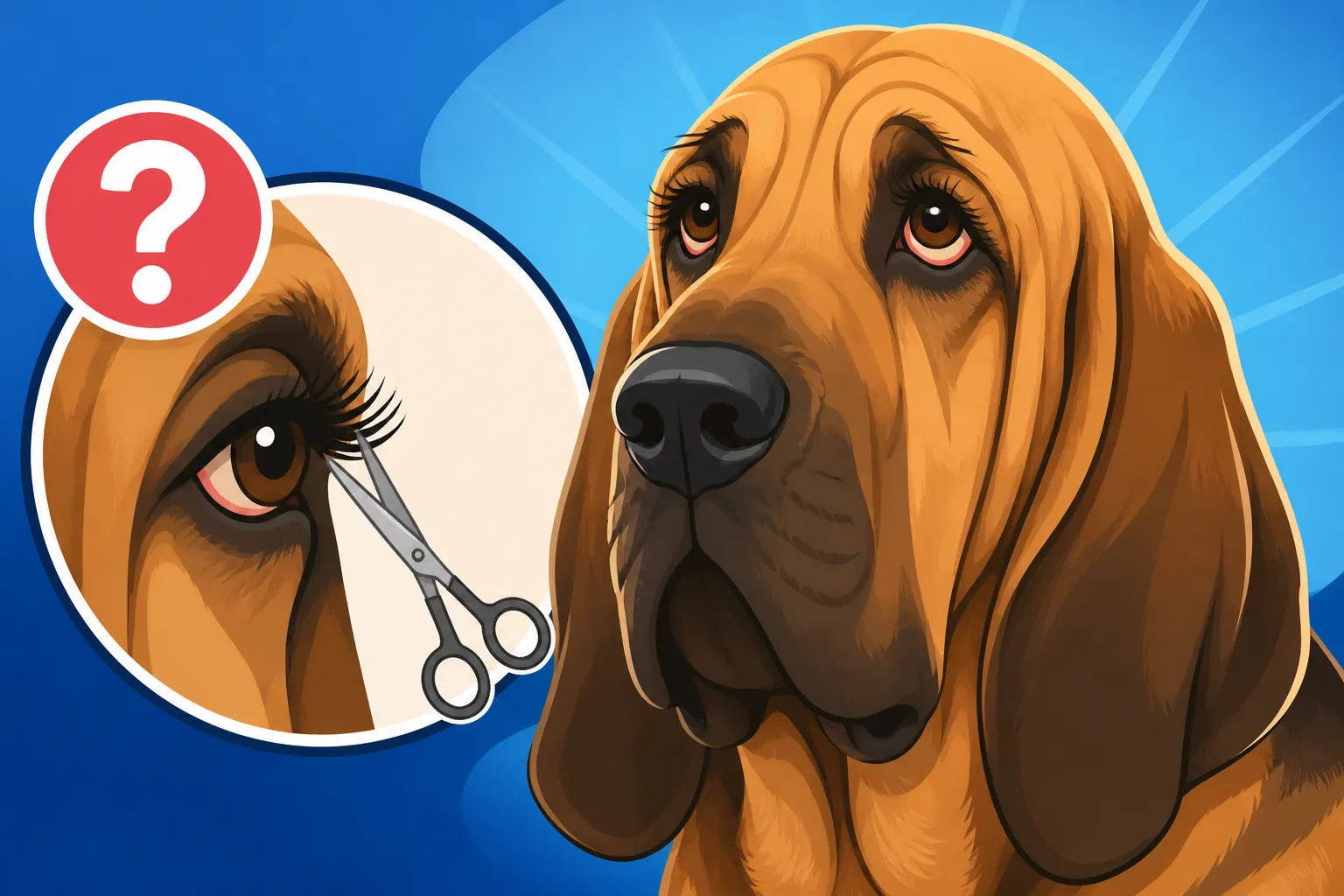
If you're a Bloodhound owner, you've probably spent more than a little time gazing into those soulful, droopy eyes. It's easy to wonder about every little detail of their unique appearance, and sometimes, those long, dark eyelashes might even make you question if they need a little tidying up. However, reaching for the scissors to trim your Bloodhound's lashes is almost always a bad idea, and understanding why can save your beloved hound a lot of discomfort and potential health problems. This guide is here to shed light on why your Bloodhound's lashes are perfect just the way they are and what proper eye care really entails.
The Unique Nature of a Bloodhound's Eyelashes and Eye Structure
Bloodhounds are distinct, not just in their incredible sense of smell, but also in their magnificent, almost regal appearance. Their deep-set eyes, those wonderfully loose folds of skin, and yes, even their eyelashes, are all part of a finely tuned system. It’s easy to look at them and think, "Are those lashes too long? Do they get in the way?" But let's dig into why they are built the way they are.
The Natural Purpose of Eyelashes in Dogs
Just like with us, canine eyelashes serve a vital protective role. They act as a first line of defense, catching dust, dirt, tiny debris, and even insects before these irritants can reach the delicate surface of the eye. Think of them as tiny, biological windshield wipers, constantly working to keep the eye clear. When a dog blinks, the lashes help to sweep away particles and distribute tear film across the cornea, keeping it moist and healthy. Their length and thickness are generally adapted to their breed-specific eye shape and the environment they evolved in.
For a Bloodhound, whose nose is often to the ground, sniffing out trails through all sorts of terrain, these protective mechanisms are even more crucial. They are constantly exposed to dust, twigs, leaves, and all manner of outdoor elements. Their eyelashes, often long and somewhat sparse compared to some breeds, are perfectly designed to complement their other facial features in keeping their eyes safe during their intense work.
Bloodhound Specific Eye Anatomy and How It Interacts with Lashes
A Bloodhound's facial structure is iconic, characterized by its deep-set eyes, pendulous lower eyelids (what we call the "haw"), and those famous loose folds of skin, especially around the face and neck. This unique combination often leads owners to mistakenly believe their Bloodhound's lashes are causing problems. Why a Bloodhound's Haw Shows is a great read if you want to understand more about their eye structure.
The deep-set nature of their eyes means the lashes are slightly recessed, giving them a bit of extra protection from direct impact. The loose skin, while beautiful and characteristic, can sometimes make it appear as if eyelashes are growing inward or outward incorrectly, simply due to the way the skin falls. This "droopy" look is part of the breed standard, but it does mean their eyes can be more exposed to environmental factors if not properly cared for. Their lashes, even if they seem long or sparse, work in conjunction with the eyelids and the tear film to provide crucial defense.
Distinguishing Normal Lashes from Problematic Hairs
It’s natural to be concerned if you notice anything unusual around your Bloodhound's eyes, but it’s important to understand what’s normal and what might genuinely be an issue. Normal Bloodhound eyelashes should grow outwards, away from the eye's surface. They might be long, short, thick, or fine, but their trajectory is key. They should not be rubbing against the cornea or causing irritation.
However, there are several genetic conditions where hairs do grow abnormally. These are not true eyelashes in the conventional sense but rather hairs growing from places they shouldn't, or eyelashes growing in the wrong direction. We’ll dive deeper into these issues in a later section, but for now, remember that regular, healthy eyelashes, even if they appear long or unruly, are almost never the problem. If you see your Bloodhound squinting, tearing excessively, or rubbing their eyes, it's a sign to call the vet, not to grab the grooming shears.
The Real Dangers of Taking Scissors to Your Bloodhound's Lashes
It’s tempting to think that if something looks a little long or out of place, a quick trim will fix it. With Bloodhound eyelashes, however, this couldn't be further from the truth. Trimming their lashes can cause a host of problems, often far worse than any perceived issue you were trying to solve.
Irritation and Injury to the Eye
Imagine having tiny, stiff bristles constantly poking your eye. That's essentially what happens when you trim your Bloodhound's eyelashes. When lashes are cut, their ends become sharp and blunt, losing their natural soft, tapered tips. These newly sharpened hairs can then rub against the delicate surface of the cornea with every blink, causing irritation, redness, and even painful scratches.
A corneal abrasion, even a microscopic one, is not just uncomfortable; it's an open door for infection. Your dog might start pawing at their face, rubbing their eyes on furniture, or squinting, all of which can exacerbate the injury. This can quickly escalate to a serious issue requiring veterinary intervention. Signs a Bloodhound Has a Corneal Ulcer are clear indicators that something is wrong and immediate professional help is needed, and often, self-inflicted injuries from improper grooming are the culprit.
Infection Risk and Compromised Natural Protection
Any break in the skin or irritation to a mucous membrane creates an entry point for bacteria. If you accidentally nick the eyelid while attempting to trim lashes, or if the newly sharpened lashes scratch the cornea, you're setting the stage for a nasty eye infection. Bacterial or fungal infections can lead to inflammation, pus, severe pain, and in extreme cases, permanent vision impairment if not treated promptly and effectively.
Beyond the direct risk of injury and infection, trimming eyelashes strips your Bloodhound of one of their natural defenses. Those lashes, even if they seem to droop, are there to physically block dust, debris, and even airborne allergens from reaching the eye. Remove them, and you remove a significant part of their built-in protective barrier. This makes their eyes more vulnerable to environmental irritants, which is particularly concerning for an active breed that loves to explore outdoors. Think of it like taking the filter out of an air purifier; the system just won't work as well.
Misidentifying an Eyelid Condition
Often, owners might perceive an issue with the length or direction of their Bloodhound's lashes when the real problem lies with the eyelid itself. Conditions like entropion (where the eyelid rolls inward, causing hair to rub the eye) or ectropion (where the eyelid rolls outward, exposing the eye) can make it seem like the lashes are the issue, when in fact, the eyelid's conformation is the root cause. What Ectropion Looks Like on a Bloodhound and What Entropion Does to a Bloodhound's Eye describe these conditions in detail.
Trimming lashes in these situations does nothing to address the underlying eyelid problem and can actually make the dog more uncomfortable by creating sharp, irritating hairs where soft ones once were. It’s crucial to have a veterinarian diagnose any persistent eye irritation or unusual lash growth, rather than attempting a home remedy that could worsen the situation.
Recognizing Genuine Eyelash and Eyelid Problems (and What Not to Do)
While trimming normal lashes is a definite no-go, there are genuine eye and eyelid conditions that can affect Bloodhounds and require professional attention. It's important for every Bloodhound owner to know the difference and understand when to seek veterinary help. The Four Eye Problems a Bloodhound Is Born Toward is a good primer on the common issues this breed faces.
Distichiasis and Ectopic Cilia: Hairs Growing Where They Shouldn't
These are two common genetic conditions that involve abnormally growing hairs near or on the eyelids.
- Distichiasis: This is when extra eyelashes (called distichia) grow from abnormal locations along the eyelid margin, often emerging from the oil glands within the eyelid. These extra lashes can be fine and soft, or they can be stiff and coarse, rubbing against the cornea and causing irritation, tearing, squinting, or even corneal ulcers. It’s not about the length of a normal lash, but the location and direction of these additional hairs.
- Ectopic Cilia: This is a more severe form where a single, often very stiff, hair grows through the conjunctiva (the pink tissue lining the inside of the eyelid) and directly irritates the cornea. Because it's poking the eye from the inside, it can cause intense pain and significant damage very quickly.
Neither of these conditions can be effectively or safely treated by trimming. In fact, trimming distichia would just create more sharp, irritating stumps. The correct treatment typically involves specialized veterinary procedures like cryosurgery (freezing the hair follicle) or electroepilation (using electricity to destroy the follicle) to permanently remove the offending hairs.
Entropion and Ectropion's Role in Eye Discomfort
As mentioned earlier, Bloodhounds are prone to certain eyelid conformational issues due to their breed characteristics.
- Entropion: This is a condition where the eyelid (usually the lower one) rolls inward, causing the regular eyelashes and surrounding facial hair to rub against the cornea. This friction can lead to chronic irritation, excessive tearing, conjunctivitis, and corneal ulcers. The problem isn't the eyelashes themselves, but the inward-rolling eyelid that directs them into the eye.
- Ectropion: This is the opposite condition, where the eyelid (again, often the lower one) rolls outward, exposing the delicate conjunctiva and the surface of the eye. While it might seem like the lashes are long because the eyelid is droopy, the real issue is the exposure of the eye to dust, wind, and debris. This can lead to chronic dryness, inflammation, and recurring infections.
Both entropion and ectropion often require surgical correction to reposition the eyelids correctly and alleviate the discomfort. When a Bloodhound's Eyelids Need Surgery elaborates on these surgical considerations. Attempting to trim lashes for either of these conditions is futile and potentially harmful; the underlying anatomical issue must be addressed by a veterinary ophthalmologist.
Veterinary Intervention: When and Why to Seek Professional Help
If you notice any of the following signs in your Bloodhound, it’s time to call your veterinarian, not your grooming clippers:
- Excessive tearing or watery eyes
- Redness or inflammation around the eyes or on the conjunctiva
- Squinting, blinking frequently, or holding one eye shut
- Pawing at the face or rubbing eyes on objects
- Thick or discolored eye discharge
- Cloudiness of the cornea
- Visible hairs rubbing against the eyeball
- Any sudden change in eye appearance or behavior
These symptoms are clear indications that something is genuinely wrong and requires a professional diagnosis. A vet will perform a thorough eye exam, which may include special dyes to check for corneal ulcers, measurements of tear production, and careful inspection of the eyelids and lashes. They can accurately identify conditions like distichiasis, ectopic cilia, entropion, or ectropion and recommend the appropriate, safe, and effective treatment. Trying to self-diagnose and treat with home trimming or over-the-counter remedies is simply not worth the risk to your Bloodhound's vision and comfort.
Proactive Eye Care for Your Bloodhound: Beyond Just Looking
Since we've established that trimming eyelashes is a bad idea, let's focus on what you should be doing to keep your Bloodhound's eyes healthy and comfortable. Regular, gentle care and attentive observation are key.
Daily Wiping and Cleaning for Optimal Hygiene
Due to their deep-set eyes and loose facial skin, Bloodhounds can be prone to tear staining and debris accumulation around their eyes. Daily, gentle cleaning is a must. You don't need fancy tools; just soft, clean cloths or cotton pads.
Here’s a simple routine:
- Preparation: Make sure your hands are clean. Have a soft, lint-free cloth or sterile cotton pads ready. You can use plain warm water or a vet-approved saline solution designed for ocular use. Avoid harsh soaps, human eye drops, or anything that isn't specifically formulated for dogs. Whether a Bloodhound's Eye Should Be Rinsed Daily provides good guidance here.
- Gentle Wipe: Gently wipe away any discharge, crust, or debris from the corners of your Bloodhound’s eyes. Always wipe away from the eye, towards the nose, using a fresh part of the cloth or a new pad for each eye to prevent cross-contamination.
- Check for Irritation: While wiping, take a moment to look at the whites of their eyes (sclera) and the conjunctiva (the pink tissue inside the eyelids). They should be white and light pink, respectively, without excessive redness or swelling.
- Dry Carefully: If you used water or saline, gently pat the area dry with a clean, soft cloth. Excess moisture can encourage yeast or bacterial growth, especially in the skin folds around the eyes.
Brands like Chewy and Amazon offer a wide variety of dog-specific eye wipes and solutions that can make this daily task easier and more effective. Look for products that are alcohol-free and fragrance-free.
Regular Vet Checks: Your Best Ally in Eye Health
Even with the most diligent home care, regular veterinary check-ups are indispensable for your Bloodhound’s eye health. Your vet can spot subtle signs of problems you might miss and conduct routine screenings. During these visits, the vet will specifically examine their eyes, looking for early indicators of common Bloodhound issues like entropion, ectropion, or distichiasis.
Early detection of these conditions is crucial. For instance, if entropion is caught early in a puppy, sometimes temporary "tacking" stitches can help train the eyelid to grow correctly, potentially avoiding more extensive surgery later. Your vet can also advise on specific preventative measures or dietary supplements if needed, though for eye issues, a good quality diet like those offered by Ollie can contribute to overall health, which indirectly supports eye health.
Protecting Eyes Outdoors: Minimizing Environmental Risks
Given that Bloodhounds are often outdoors, trailing, or simply enjoying a good sniff in the yard, their eyes are constantly exposed. While their natural anatomy provides some protection, there are steps you can take to minimize risks.
- Avoid Dusty Environments: If your Bloodhound is prone to eye irritation, try to avoid very dusty areas or strong winds. If training in such conditions, consider protective dog goggles (though getting a Bloodhound to tolerate them can be a training challenge!). Whether Dust Reaches a Bloodhound's Exposed Eye delves into this more.
- Check After Every Outing: After a walk, hike, or trailing session, quickly check their eyes for any trapped debris like burrs, seeds, or small twigs. Gently wipe them clean as part of your post-adventure routine.
- Trim Surrounding Facial Hair (Not Lashes): Sometimes, the hair around the eyes, on the brow or muzzle, can grow long enough to poke the eyes or trap moisture and debris. This hair can often be safely trimmed by a professional groomer or your vet, but this is distinct from the actual eyelashes. Always clarify you mean the surrounding facial hair, not the lashes, if you're asking a groomer.
By being proactive and observant, you can ensure your Bloodhound’s magnificent eyes remain healthy and free from irritation. Remember, their lashes are there for a reason, and it’s best to leave them exactly as nature intended!
Summary of Bloodhound Eyelash/Eye Condition Management
Here's a quick overview of what to do for different scenarios regarding your Bloodhound's eyes:
| Condition / Symptom | Description | Recommended Action | What NOT to Do |
|---|---|---|---|
| Normal Eyelashes | Grow outwards, away from the eye; appear long or droopy but don't cause irritation. | Daily gentle cleaning with a soft cloth and water/saline. | Trim them! |
| Excessive Tearing/Discharge | Watering eyes, crust, mucus build-up, redness. | Consult a veterinarian for diagnosis; could be allergies, infection, or debris. | Assume it's an eyelash problem and trim. |
| Squinting/Pawing at Eyes | Bloodhound seems uncomfortable, rubs eyes frequently. | Immediate vet visit. This suggests pain or severe irritation, possibly a corneal ulcer. What Treating a Bloodhound's Corneal Ulcer Costs can give an idea of potential expenses. | Wait it out, or try home remedies without a diagnosis. |
| Distichiasis / Ectopic Cilia | Hairs growing abnormally from eyelid glands or through conjunctiva, irritating the eye. | Veterinary ophthalmologist consult for specialized removal (e.g., cryosurgery, epilation). | Trim the hairs; it will make them sharper and more irritating. |
| Entropion | Eyelid rolls inward, causing eyelashes to rub against the cornea. | Veterinary examination, often requires surgical correction to reposition the eyelid. | Trim eyelashes; this doesn't fix the underlying eyelid issue and can worsen irritation. |
| Ectropion | Eyelid rolls outward, exposing the eye and making it prone to dryness/infection. | Veterinary examination, may require surgical correction to prevent exposure and manage symptoms. | Trim eyelashes; this is irrelevant to the eyelid position and doesn't offer protection. |
| Surrounding Facial Hair | Hair on the brow or muzzle, not true eyelashes, that might grow into the eye. | Have a professional groomer or vet carefully trim this specific hair if it's causing an issue. | Confuse this with eyelashes; trim anything near the eye yourself. |
This article is for general informational purposes only and does not constitute professional advice. Laws, prices and regulations vary by location and change over time. Consult a qualified professional for guidance on your specific situation.