How Long After Exercise a Bloodhound Should Eat
One of the most terrifying things a Bloodhound owner can face is bloat, a condition that can escalate from a full tummy to a life-threatening emergency in mere minutes. It's a constant worry, especially when you're trying to balance their need for exercise with proper feeding. Many of us fret over the exact timing: How long after exercise should my Bloodhound eat to minimize this risk? This guide dives deep into the science behind bloat and offers practical, reassuring advice on meal timing and feeding strategies to keep your beloved hound safe and sound.
Understanding the Risk: Bloat and Bloodhounds
Let's be brutally honest: owning a Bloodhound means living with the ever-present shadow of bloat. It’s not just a concern; for our breed, it's a stark reality that tragically claims far too many lives. Understanding why our floppy-eared companions are so susceptible is the first step in protecting them.
What Bloat Actually Is (GDV)
When we talk about "bloat" in Bloodhounds, we're usually referring to Gastric Dilatation-Volvulus, or GDV. This isn't just an upset stomach; it's a rapid, agonizing, and often fatal condition. First, the stomach fills with gas, food, or fluid, causing it to distend massively—this is the "dilatation." The truly terrifying part comes next: the distended stomach then twists on its axis, trapping everything inside and cutting off blood supply. Imagine your stomach turning completely upside down inside you, crushing organs and rapidly sending your body into shock. That's what our Bloodhounds experience. It’s an emergency that demands immediate, expert veterinary attention. As heartbreaking as it is to talk about, Bloat Is What Kills Most Bloodhounds, making it a topic every Bloodhound owner needs to understand intimately.
The unique physique of our Bloodhounds plays a cruel role in this susceptibility. Their characteristic deep, narrow chests, while magnificent and a hallmark of the breed, are unfortunately a significant predisposing factor for GDV. The chest cavity offers ample space for the stomach to shift and twist when it becomes distended. It’s a design flaw, if you will, that we, as owners, have to constantly be mindful of. Why a Deep Narrow Chest Puts a Bloodhound at Risk delves into this conformation more deeply, explaining why this particular body type, so useful for carrying scent, also carries such a risk.
Why Exercise Around Meals Is a Concern
The precise mechanisms linking exercise directly to GDV are still being researched, but the general consensus among veterinarians and experienced Bloodhound owners is clear: vigorous activity too close to eating can significantly increase the risk. Think about it: when your Bloodhound is running, jumping, or even just trotting enthusiastically, their internal organs are jostling around. If their stomach is full of food, this movement, combined with swallowing air during heavy breathing or excitement, can create the perfect storm for a stomach to dilate and potentially twist.
It's not just the physical jostling. Excitement and stress can also play a role. An overstimulated or anxious Bloodhound might gulp down food, swallow more air, and then be prone to increased gastric motility or spasm. For some Bloodhounds, even subtle changes in routine or heightened emotional states can tip the scales. You might observe them gulping food quickly, or drinking excessively right before or after a meal, which can contribute to the problem. We often notice this during feeding time; some of our hounds are so focused on their food that they eat with an intensity that can lead to gulping. Whether an Anxious Bloodhound Bloats More explores the link between a Bloodhound's emotional state and bloat risk, which is a subtle but important factor to consider in their overall care.
The Golden Rule: Waiting Period After Exercise
This is where the rubber meets the road for Bloodhound owners. The advice might vary slightly, but the core principle remains the same: a significant buffer period between exercise and meals is non-negotiable for our breed.
The Recommended Downtime
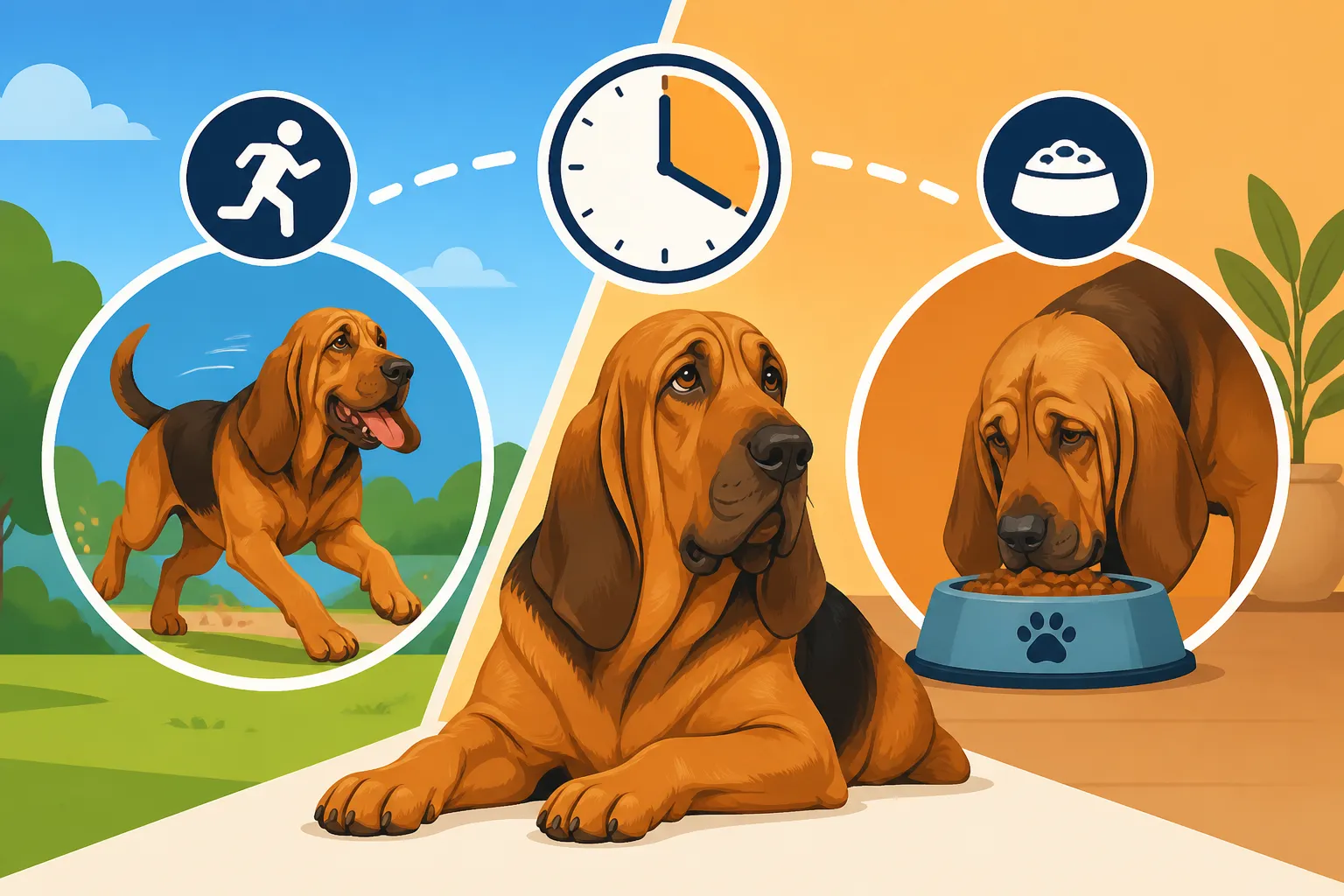
The generally accepted "golden rule" for Bloodhounds, and other deep-chested breeds, is to wait at least 1 to 2 hours after exercise before feeding them. For many of us, to be extra safe, we stretch that to 2 to 3 hours. This might sound like a long time when you have a hungry hound staring at you with those mournful eyes, but it's a small price to pay for peace of mind and, potentially, their life.
The reason for this waiting period is simple: it allows your Bloodhound's stomach to settle, for any swallowed air to dissipate, and for the initial stages of digestion to occur without the added stress of physical activity. After a good run or a vigorous play session, their respiratory and cardiovascular systems are working hard. Their muscles are engaged, and blood flow is directed to those areas. Giving them a rest period allows their body to return to a more relaxed state, redirecting blood flow back to their digestive system, and preparing the stomach for processing food efficiently and safely. Rushing food into an excited, post-exercise stomach is just asking for trouble, increasing the chances of gas buildup and an unstable organ.
What Counts as "Exercise" for a Bloodhound
This isn't just about intense training sessions or a full-out sprint at the dog park. For a Bloodhound, "exercise" that warrants a waiting period before eating includes anything that gets their heart rate up significantly or involves substantial physical exertion.
Think about activities like:
- Long, brisk walks: Especially if they're pulling on the leash, zig-zagging to follow scents, or covering significant distances.
- Running or jogging: Any sustained period of higher-speed movement.
- Intense play sessions: Chasing balls, wrestling with other dogs, or energetic games in the yard.
- Trailing or scent work: This can be mentally and physically demanding, often involving bursts of speed and sustained focus. How Long a Bloodhound Can Work Before It Tires highlights the exertion involved in their natural work.
However, a leisurely stroll around the block where they stop to sniff every bush, or a few minutes of quiet pottering in the backyard, usually isn't considered vigorous exercise. The key is to gauge your Bloodhound's energy level and breathing. If they're panting, heavily breathing, or still quite amped up, they need that cooling down and settling time before food hits their stomach. It's a judgment call, but erring on the side of caution is always the best approach. Our Bloodhounds might seem lazy at times, but when their nose takes over, their exertion levels can skyrocket quickly! How Much Exercise a Bloodhound Actually Needs also touches on the different types of activity that benefit our hounds.
Best Practices for Feeding a Bloodhound to Reduce Bloat Risk
Beyond the crucial waiting period after exercise, there are several other feeding strategies that can significantly lower your Bloodhound's risk of bloat. These aren't just good ideas; they're essential elements of responsible Bloodhound ownership.
Splitting Meals and Slowing Eating
One of the most effective ways to reduce bloat risk is to feed your Bloodhound multiple smaller meals throughout the day rather than one large one. Instead of a single, massive breakfast or dinner, aim for at least two, and ideally three, smaller meals. This prevents the stomach from becoming overly distended with a huge volume of food at once, giving it less opportunity to become unstable. Whether Three Meals Lower a Bloodhound's Bloat Risk strongly supports this approach, and it’s a practice many experienced owners swear by.
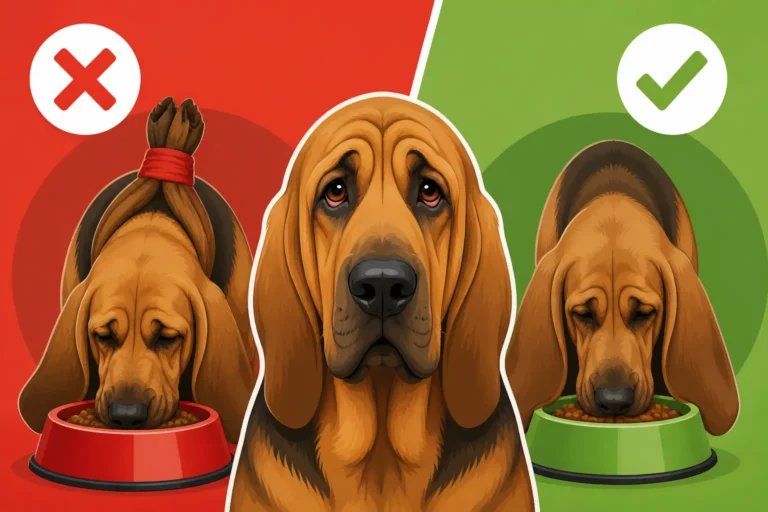
Another game-changer is slowing down how quickly your Bloodhound eats. Many Bloodhounds are champion gobblers, hoovering up their food in seconds flat. This rapid eating often leads to them swallowing a lot of air, which contributes to gas buildup in the stomach. Investing in a slow feeder bowl is an absolute must. These bowls have ridges, mazes, or pillars that force your dog to eat around obstacles, significantly extending mealtime. You can find a huge variety of effective slow feeder bowls on Chewy or Amazon, offering different designs to suit your hound's determined eating style. Some owners even use puzzle feeders for their meals, which not only slow down consumption but also provide mental enrichment. Whether a Slow Feeder Helps a Bloodhound goes into more detail about these beneficial tools. For those exploring different diet options, some brands like Ollie offer pre-portioned meals that can also help manage intake, though you'd still want to use a slow feeder if your hound is a fast eater.
Hydration and Resting Environment
Hydration is vital, but how and when your Bloodhound drinks around meals and exercise matters. Always ensure your Bloodhound has access to fresh water throughout the day. However, avoid letting them gulp down huge quantities of water immediately before or after a large meal, or right after intense exercise. Just like food, excessive water rapidly filling the stomach can contribute to distension. Offer smaller amounts more frequently, especially after activity, rather than letting them guzzle an entire bowl.
Equally important is the feeding environment. Your Bloodhound should eat in a calm, quiet place where they won't be rushed, startled, or feel competitive with other pets. Stress and anxiety during mealtime can lead to faster eating and increased air swallowing. Imagine trying to eat a peaceful meal while someone is constantly rushing you or another hungry person is staring at your plate; it’s not conducive to healthy digestion. A dedicated, peaceful spot helps them relax and eat at a more natural pace.
Considering a Gastropexy
While meticulous feeding practices are paramount, it's impossible to eliminate all risk. For many Bloodhound owners, a gastropexy becomes a serious consideration. This is a surgical procedure where the stomach is permanently tacked or sewn to the abdominal wall. The crucial thing to understand is that a gastropexy does not prevent the stomach from dilating (filling with gas), but it does prevent it from twisting (the "volvulus" part of GDV). Since the twist is what makes bloat rapidly fatal, a gastropexy essentially turns a deadly emergency into a serious, but often manageable, condition that gives you more time to get to the vet.
It's a decision many owners grapple with, often choosing to have it done preventatively, sometimes even at the same time as a spay or neuter. The Gastropexy Decision Every Bloodhound Owner Faces is a comprehensive resource on this topic. Even with a gastropexy, mindful feeding practices remain absolutely vital. A tacked stomach can still dilate, causing severe discomfort and requiring veterinary intervention. So, while it offers a significant layer of protection, it's not a license to disregard safe feeding protocols. Whether a Gastropexied Bloodhound Still Needs Split Meals emphasizes this point, reminding us that responsible care doesn't stop with surgery.
Practical Scenarios and Adjustments
Applying these rules to real life can sometimes feel like a logistical puzzle, especially with a busy schedule and an eager Bloodhound. Let's look at a couple of common scenarios and how to manage them effectively.
The Morning Routine
Picture this: it's early morning, your Bloodhound has been crated all night and is bursting with energy. You want to get them outside for their morning business and a stretch, but you also need to get to work. It's a common dilemma.
Instead of rushing them straight from a vigorous morning walk to their breakfast bowl, plan for a buffer. Take your Bloodhound out for their potty break and a moderate walk. Let them sniff around, expend some initial energy, but avoid intense running or rough play. When you come back inside, create a calm cool-down period. This might involve:
- A quick grooming session: A gentle brush, a wipe of their folds, or a quick ear check. This redirects their energy and helps them settle.
- Crate time or quiet relaxation: Have them relax in their crate or a designated quiet spot for at least an hour, if not two.
- Water in moderation: Offer small sips of water during this cool-down, but don't let them drink excessively.
After this period, you can safely offer their breakfast in their slow feeder bowl. This routine ensures their stomach is settled before they eat, reducing the risk of bloat. This might mean adjusting your own morning schedule slightly, but the peace of mind is invaluable.
After a Trailing Session
Bloodhounds excel at scent work, and a good trailing session can be incredibly demanding, both physically and mentally. They often run, pull, and concentrate intensely for extended periods. Coming off a trail, they'll likely be panting, excited, and thirsty.
Here's how to handle post-trailing feeding:
- Immediate Cool-Down: The moment the trail is over, begin an active cool-down. Walk them slowly for 10-15 minutes, allowing their breathing and heart rate to return to normal.
- Water Management: Offer small, frequent sips of water during the cool-down period. Do not allow them to drink an entire bowl at once. Many handlers carry a collapsible bowl and offer water gradually.
- Rest Period: Once you're home and your Bloodhound is physically settled, enforce a strict rest period. This means crating them or having them lie down quietly for at least 2-3 hours before offering food. Their internal systems need to normalize after such intense work. How Long a Bloodhound Can Work Before It Tires clearly shows the exertion involved in their natural work, underscoring the need for this extended rest.
- Meal Time: After the substantial rest, offer a smaller-than-usual portion of their regular food in a slow feeder. If they are still very excited or seem unsettled, consider waiting a little longer, or giving an even smaller portion.
What to Watch For
Even with the most diligent precautions, it's crucial to remain vigilant for the signs of bloat. Knowing what to look for can literally be the difference between life and death.
Key symptoms include:
- Restlessness and discomfort: Pacing, unable to lie down comfortably.
- Retching without producing anything: This is a classic sign. They look like they're trying to vomit but nothing comes up.
- Distended or hard abdomen: Their belly might appear visibly swollen and feel tight or drum-like to the touch. This can be subtle at first, especially in a heavily-folded Bloodhound, so know your dog's normal contours.
- Excessive drooling and panting: Beyond what's normal for them.
- Weakness and collapse: As the condition progresses, they will become weaker.
If you ever suspect bloat, do not wait to see if it improves. This is a dire emergency. Get your Bloodhound to the nearest emergency veterinary clinic immediately. Call ahead if you can, so they are prepared for your arrival. Signs a Bloodhound Is Bloating provides a detailed list of what to watch out for.
Exercise and Meal Timing Summary
Here's a quick overview of the recommended waiting periods to help you plan your Bloodhound's day. Remember, these are guidelines, and a longer wait is always safer if in doubt.
| Type of Exercise | Intensity Level | Recommended Waiting Period Before Eating | Notes |
|---|---|---|---|
| Leisurely Stroll/Pottering | Low | 30-60 minutes | Ensure calm demeanor, minimal panting. |
| Brisk Walk/Moderate Play | Medium | 1-2 hours | Bloodhound is breathing harder, moving with purpose. |
| Vigorous Running/Trailing Work | High | 2-3 hours (minimum) | Significant panting, high excitement, sustained physical effort. |
| Immediately Before Exercise | N/A | Avoid feeding 1-2 hours prior | Prevents food from jostling during activity. |
| Any signs of stress/excitement | Variable | Extend waiting period | Even low-level activity with high stress increases risk. |
Always listen to your Bloodhound and err on the side of caution. Their health and safety are worth every minute of careful planning. Understanding these principles and implementing these practices will significantly reduce the risk of bloat, allowing your wonderful Bloodhound to enjoy a longer, healthier life with you.
Disclaimer
This article is for general informational purposes only and does not constitute professional advice. Laws, prices and regulations vary by location and change over time. Consult a qualified professional for guidance on your specific situation.