Whether a Narrow Deep Bowl Suits a Bloodhound
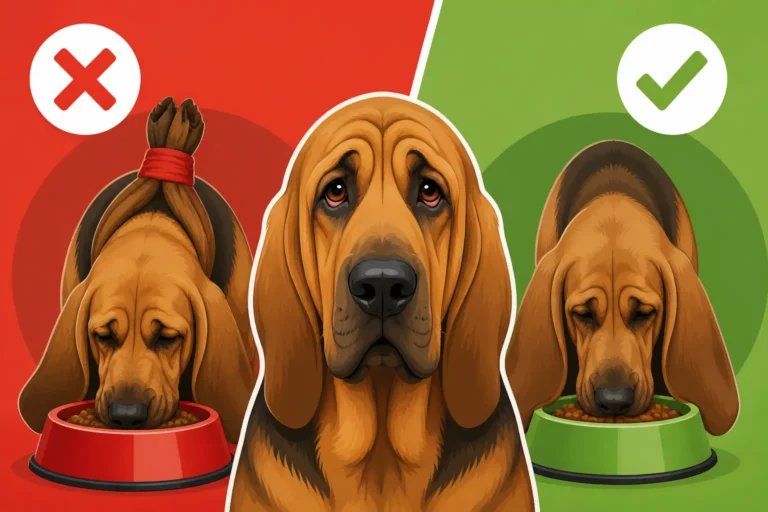
One of the ongoing challenges for Bloodhound owners is the sheer mess that comes with mealtime – those magnificent, long ears dragging through food and water, the drool sling-shotting across the kitchen, and the worry about potentially dangerous bloat. It's enough to make you consider every single piece of equipment, right down to the food bowl. Many new owners, and even some seasoned ones, find themselves wondering if a narrow, deep bowl might be the magical solution to keep those precious ears out of the kibble, but it’s not always as straightforward as it seems. This guide will dive deep into the pros and cons, and explore better alternatives for your slobbery, scent-driven companion.
The Unique Bloodhound Eating Experience: More Than Just a Meal
If you've ever watched a Bloodhound eat, you know it's not a delicate affair. It's often a full-body experience involving vigorous head-shaking, enthusiastic gulping, and a liberal distribution of food and water across a wide radius. These aren't just quirky habits; they're deeply tied to the breed's physical characteristics and can have significant implications for their health and your home.
Those Magnificent, Messy Ears
Ah, the Bloodhound's ears. They are undeniably one of the breed's most iconic features, long, soft, and trailing low. They're also, without fail, the first thing to dip into the food bowl or slosh through the water. It’s a constant battle, isn't it? You clean them, you dry them, and within minutes of a meal, they're coated in kibble crumbs or soaked with water. This isn't just an aesthetic problem; it’s a health concern. The long, heavy ear leathers trap moisture and warmth, creating a perfect breeding ground for bacteria and yeast, leading to frequent and sometimes chronic ear infections. A Bloodhound's Ears Are a Standing Infection Risk is something every owner comes to understand intimately. When those ears are constantly wet from water or caked with food, the risk goes up significantly. You’ll find yourself asking How Often a Bloodhound's Ears Need Cleaning, and the answer usually feels like "constantly."
Beyond infection risk, there's the sheer discomfort for your dog. Imagine having soggy, sticky ear flaps hanging around your face all day. It’s not pleasant. Many Bloodhounds will shake their heads vigorously after eating or drinking, attempting to dislodge the clinging debris and moisture, which only serves to spread the mess further and can even lead to painful aural hematomas if they hit their ears hard enough. It's a frustrating cycle that makes owners search desperately for a better way to manage mealtime.
Drool, Jowls, and the Ever-Present Slosh Factor
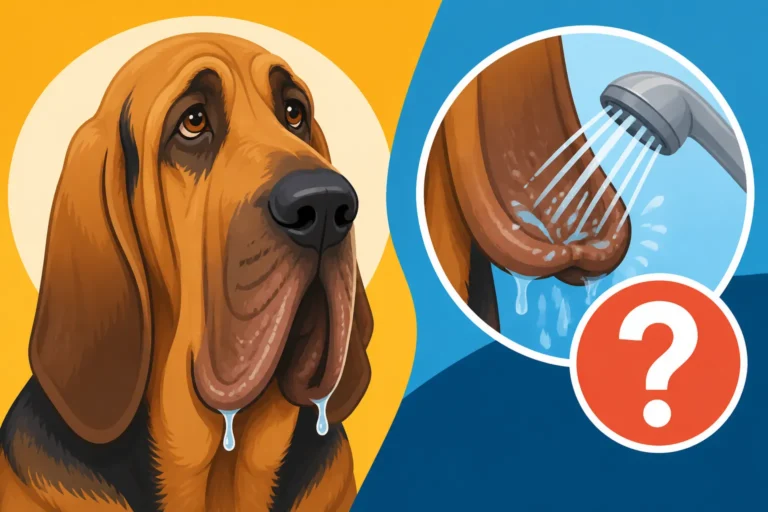
Bloodhounds are a notoriously drooly breed. Those beautiful, loose jowls, designed to help trap scent, are also incredibly efficient at holding and then flinging saliva. After a big drink, a Bloodhound's head shake can be like a sprinkler system for your kitchen. Water doesn't just drip; it sloshes. Add food to the equation, and you have a slurry of kibble and drool that can quickly coat walls, cabinets, and even the ceiling if your hound is particularly enthusiastic.
The problem isn't confined to mealtime, either. The deep folds around their mouth and jowls, sometimes called "flews," can trap food particles, moisture, and slobber. These areas become damp, warm incubators for bacteria, leading to skin irritation and infections, often referred to as skin fold dermatitis. Where a Bloodhound's folds sit (Where a Bloodhound's Skin Folds Sit) often means these areas are constantly exposed to moisture and debris. If you've ever dealt with the unpleasant smell and raw skin that comes with What Fold Dermatitis Does to a Bloodhound, you know the importance of keeping these areas as clean and dry as possible. A messy eater exacerbates this issue, making daily wiping and cleaning a non-negotiable part of your routine.
The Shadow of Bloat: A Constant Concern
Perhaps the most serious health concern related to a Bloodhound's eating habits is Gastric Dilatation-Volvulus, or bloat. Bloodhounds, with their deep, narrow chests, are unfortunately predisposed to this life-threatening condition. Bloat Is What Kills Most Bloodhounds is a terrifying truth that every owner must confront. When a dog eats too quickly, gulps down a lot of air, or engages in vigorous activity too soon after eating, their stomach can fill with gas and fluid, then twist, cutting off blood supply and trapping the contents. Why a Bloodhound's Chest Shape Causes Bloat is a crucial piece of understanding for every owner.
Any factor that encourages rapid eating or air intake can increase the risk of bloat. This includes stress, exercise before or after meals, and potentially, the type of food bowl. Owners are constantly seeking ways to mitigate this risk, from feeding multiple smaller meals a day to utilizing slow-feeder bowls. The anxiety around bloat shapes many of the decisions we make about our Bloodhound's diet and feeding routine.
The Appeal and Pitfalls of the Narrow, Deep Bowl
Given these challenges, it’s no wonder many Bloodhound owners look for creative solutions. A narrow, deep bowl seems like a logical answer to the ear-dipping problem. It stands to reason that if the opening is too small for the ears to fall in, they'll stay clean, right? While there's some truth to this in theory, the practical reality for a Bloodhound can be quite different, introducing new problems while only partially solving the old ones.
The Promise: Clean Ears at Last?
The primary allure of a narrow, deep bowl is the vision of pristine, dry Bloodhound ears. And, to some extent, it can work. If the bowl is truly narrow enough, it can prevent the entire ear flap from submerging into the food or water. This means less food stuck to the long leathers, and potentially less constant moisture saturation. For owners who spend endless minutes wiping down ears after every meal, this promise can be incredibly tempting.
However, it's rarely a perfect solution. While the main body of the ear might stay out, the tips of those long ears can still brush against the outside of the bowl, picking up stray crumbs or splashes. More importantly, it doesn't solve the drool issue at all. A Bloodhound will still slurp and shake, and that slobber will still find its way onto the surrounding area, including the jowls and the lower parts of their ears. So, while it might reduce some ear-related mess, it doesn't eliminate the need for diligent cleaning of your dog's face and surrounding environment.
The Hidden Dangers: Bloat, Neck Strain, and Frustration
Unfortunately, the narrow, deep bowl, while seemingly a straightforward fix, often introduces more problems than it solves for a Bloodhound.
Firstly, and most critically, these bowls can exacerbate the risk of bloat. Think about how a Bloodhound has to eat from such a bowl. Their long muzzles need to plunge deep into the bowl, forcing their head and neck into an unnatural downward angle. This posture can cause them to gulp down more air as they struggle to reach the food at the bottom. The effort required to get to the food can also lead to faster eating, as they try to "finish the job" quickly. Both rapid eating and increased air intake are significant risk factors for bloat. We are trying our best to Feed a Bloodhound So It Does Not Bloat, and this type of bowl often works against that goal.
Secondly, the awkward posture required to eat from a deep, narrow bowl can lead to neck and spinal strain. Bloodhounds are large dogs, and repeatedly craning their necks downwards into a confined space isn't comfortable or ergonomic. Over time, this could contribute to musculoskeletal issues, especially as they age. Imagine eating your own meals hunched over a tiny bucket – it’s not ideal. This is particularly relevant if you've already had discussions with your vet about Whether a Raised Bowl Is Right for a Bloodhound or not, as the ergonomics of a narrow deep bowl are typically worse.
Lastly, there's the sheer frustration for your Bloodhound. Their broad muzzles, while long, are not designed for tiny openings. They might struggle to get a good grasp of the food, leading to more aggressive eating, bumping the bowl, and even more scattered food as they try to compensate for the limited access. This can turn mealtime, which should be a calm and positive experience, into a stressful one for both you and your dog.
Practicality: Cleaning and Stability
Beyond health concerns, narrow deep bowls can also be a pain to maintain. Their shape often makes them difficult to clean thoroughly, especially if they're made of plastic and food gets stuck in crevices. You'll find yourself wrestling with a bottle brush just to reach the bottom. And for a large, enthusiastic eater like a Bloodhound, a lightweight, narrow bowl can be easily tipped over, leading to an even bigger mess than you were trying to prevent. You need a bowl with some heft and stability to withstand a Bloodhound's mealtime vigor.
| Bowl Type | Pros for Bloodhound Owners | Cons for Bloodhound Owners | Bloat Risk Factor |
|---|---|---|---|
| Narrow Deep | Might keep ear tips out of food/water | Increased bloat risk due to air gulping, neck strain, hard to clean | High |
| Wide Shallow | Natural eating posture, easy to clean | Ears always get wet/dirty, significant drool sling | Low-Medium |
| Slow Feeder | Reduces eating speed, minimizes air gulping | Ears still get wet/dirty, can be hard to clean, some are lightweight | Low |
| "Snood Bowl" | Specifically designed to keep ears out, good depth options | Can be expensive, may not prevent all drool mess | Low-Medium |
| Elevated | Can improve posture, good for older dogs (controversial for bloat) | May encourage faster eating if not combined with slow feeder, bloat link still debated | Debatable |
Better Alternatives and Best Practices for Bloodhound Feeding
So, if the narrow, deep bowl isn't the hero we hoped for, what are the better options for our beloved Bloodhounds? The key lies in addressing their unique anatomy and inherent risks with intelligent design and thoughtful feeding practices.
Embracing Wide, Heavy, and Slow Feeder Bowls
Instead of trying to squeeze those magnificent jowls and long muzzles into a tight space, consider bowls that accommodate your Bloodhound's natural eating style while still mitigating mess and bloat risk.
- Wide and Heavy Bowls: A wide bowl allows your Bloodhound to eat comfortably without feeling confined. Choose ceramic or heavy stainless steel bowls with a wide, stable base. This makes them much harder to tip over, even during the most enthusiastic meal. While ears might still dip, combining this with other strategies is more effective than relying solely on a narrow design. You can find excellent, heavy-duty options on sites like Chewy or Amazon that stand up to Bloodhound antics.
- Slow Feeder Bowls: These are game-changers for any dog prone to gulping, and especially for Bloodhounds due to bloat risk. Slow feeder bowls have ridges, mazes, or obstacles built into the design, forcing your dog to eat around them, thus slowing their intake. This not only reduces the amount of air they gulp but also makes mealtime a more engaging mental activity. They come in various designs and materials, and you'll want one that's wide enough for your Bloodhound's muzzle to navigate comfortably without excessive contortion. There are many inventive designs available, and finding one your dog enjoys can be a fun process.
- "Snood Bowls" or Ergonomic Bowls: Some manufacturers have designed bowls specifically for long-eared breeds. These often feature a wider base and a slightly tapered top, or an oval shape, which can help funnel the ears back and keep them out of the food. While not as restrictive as the narrow deep bowl, they offer a more thoughtful approach to ear management. You might need to look at specialty pet supply stores or online vendors like Amazon for these more niche designs.
The Snood Solution: A Bloodhound's Mealtime Sidekick
If you haven't discovered the wonder of a snood yet, prepare to have your Bloodhound mealtime routine revolutionized! A snood is essentially a fabric tube that you slip over your dog's head, holding their long ears gently back and out of the food and water. It's like a headband for their ears, but much more comprehensive. What a Snood Does for a Bloodhound is simple: it physically prevents those ears from dipping into the mess.
Snoods are typically made from soft, washable fabrics, and many Bloodhound owners have a collection of them. They are incredibly effective at keeping ears clean and dry, significantly reducing the risk of food-borne ear infections and saving you a lot of wiping time. Your Bloodhound might look a little silly at first, but most adjust quickly to wearing one during meals. You can find a variety of snoods on Chewy or Etsy, often made by crafters who understand the unique needs of long-eared breeds. This simple garment, combined with a sensible bowl, can make a world of difference.
Thoughtful Feeding Rituals for Optimal Health
Beyond the bowl itself, how you feed your Bloodhound plays an enormous role in their health and well-being, especially concerning bloat prevention.
- Multiple, Smaller Meals: Instead of one or two large meals, consider feeding your Bloodhound two or three smaller meals throughout the day. This reduces the sheer volume of food in the stomach at any one time, potentially lowering bloat risk. It's a practice widely recommended for deep-chested breeds. How Many Meals a Day a Bloodhound Should Eat often points towards this strategy.
- Rest Before and After Eating: This is critical for bloat prevention. Do not allow your Bloodhound to engage in strenuous exercise for at least an hour before and, more importantly, for at least two hours after eating. A full stomach bouncing around during play or running is a major risk factor. This means no enthusiastic walks, no roughhousing, and certainly no trailing work immediately after their meal. Teach them to settle calmly. You'll want to remember How Long a Bloodhound Should Rest After Eating.
- Hydration Control: While it's vital your Bloodhound always has access to fresh water, avoid letting them gulp down huge amounts immediately before or after a meal. Offer smaller amounts more frequently around meal times, or remove the water bowl for a short period after they finish eating, reintroducing it gradually.
- Consider Food Texture: Some owners find that adding a little water to kibble, or feeding softer foods like those from a brand such as Ollie (which focuses on fresh, human-grade ingredients), can slow down eating and reduce the amount of air ingested. However, it's also important to ensure this doesn't turn into a watery soup that encourages more splashing.
Making the Right Choice for Your Bloodhound
Ultimately, the best bowl and feeding routine for your Bloodhound will be one that you've carefully considered and tailored to their individual needs, always with an eye on their health and comfort.
Observe Your Bloodhound Closely
Every dog is an individual, even within the same breed. What works for one Bloodhound might not be ideal for another. Pay close attention to your dog's eating habits:
- Do they eat extremely fast, gulping air?
- Do they show any signs of discomfort or neck strain while eating?
- How much mess do they truly make, and what kind? Is it mostly ear-related, or is drool the primary culprit?
- Do they seem stressed or relaxed during mealtime?
Trial and error is often part of the process. You might try a slow feeder and a snood for a few weeks, then switch to a different style of slow feeder if the first one isn't quite right. The important thing is to be observant and willing to adapt.
Prioritizing Health Over Aesthetics or Convenience
While a clean kitchen is a lovely goal, your Bloodhound's health must always come first. The potential risks associated with bloat far outweigh the minor inconvenience of a messy mealtime. Choosing a bowl and feeding strategy that minimizes bloat risk, protects their ears from chronic infections, and ensures their physical comfort is paramount. Don't be swayed by marketing that promises a "neat" solution if it compromises their well-being.
Sometimes, the simplest solutions are the best. A heavy, wide bowl combined with a snood and careful attention to feeding times and exercise is often far more effective and safer than trying to force a Bloodhound to eat from a bowl that just isn't designed for their unique anatomy. Many of these effective tools can be found readily on platforms like Amazon, offering a wide array of choices to suit every Bloodhound's personality and an owner's budget.
Disclaimer
This article is for general informational purposes only and does not constitute professional advice. Laws, prices and regulations vary by location and change over time. Consult a qualified professional for guidance on your specific situation.