Whether a Bloodhound’s Ear Tips Crack in Winter
Oh, the woes of winter and those beautiful, long Bloodhound ears! If you're wondering whether your Bloodhound's ear tips are prone to cracking when the temperatures drop and the air gets crisp, you're hitting on a very real and often frustrating problem that many of us Bloodhound parents face. Those magnificent ears, so essential for their incredible scent work, are unfortunately quite vulnerable to the harsh realities of cold, dry weather. This guide is here to shed light on why those delicate ear tips are susceptible, how you can prevent painful cracking, and what to do if you spot those tell-tale dry, flaky, or even split areas.
The Unique Vulnerability of Bloodhound Ear Tips in Winter
Let's be honest, everything about a Bloodhound is unique, and their ears are certainly no exception! Their extraordinary length and delicate structure, while perfect for sweeping scent, also make them a prime target for environmental damage, especially when winter rolls around. It's not just about keeping them clean to avoid infection; it's about protecting their very physical integrity.
Why Bloodhound Ears Are Different
Think about those impressive ears – they are truly a marvel of nature. But this marvel comes with its own set of challenges. First off, their sheer size and length mean they are constantly exposed. They dangle, they drag, they brush against everything, and in winter, that means they're constantly interacting with cold air, ice, and snow. Unlike other parts of their body, the tips of a Bloodhound's ears often have less protective fur. You might notice the fur gets sparser towards the very edge, leaving the skin more exposed. This delicate skin, being at the extremities of the body, can also experience somewhat poorer circulation compared to their core, making it more susceptible to damage from cold. Imagine your own fingertips in winter; they get cold and dry fast, right? It's a similar principle for those exposed ear tips. This combination of size, minimal fur, and peripheral location makes them inherently fragile in harsh conditions. Everything on a Bloodhound Hangs Down and Has to Be Cleaned isn't just a catchy phrase; it's a daily reality for their care, and this definitely includes their ears.
How Winter Weather Aggravates Ear Health
Winter isn't just about cold temperatures; it brings a whole host of environmental factors that conspire against your Bloodhound's ear health. The most obvious culprit is the cold, dry air. Just like our skin gets chapped, a Bloodhound's ear tips can lose their natural moisture rapidly in low humidity. Then there's the wind. Imagine biting winds causing windburn on exposed skin – that's what those ear tips are up against. If your Bloodhound loves to plunge through snowdrifts or sniff around icy puddles, their ears are constantly getting wet and then drying, which is a perfect recipe for chapping and cracking. Even if they're not directly exposed to snow, the air itself can be incredibly dehydrating. And let's not forget our cozy homes! While we appreciate the warmth, indoor heating systems drastically reduce humidity, creating an arid environment that can further exacerbate skin dryness. It's a double-whammy: harsh outside, dry inside.
Identifying Early Signs of Cracking
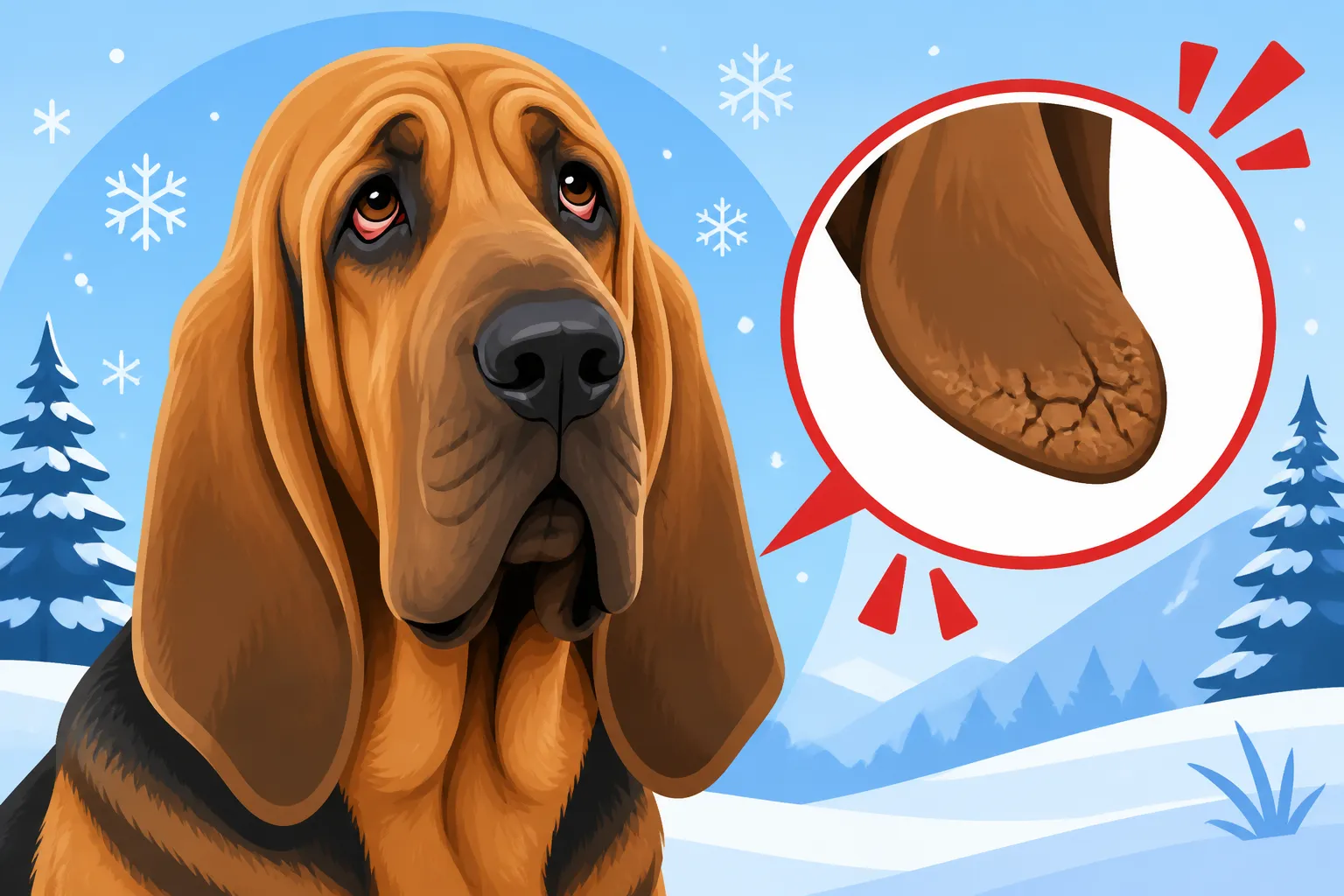
Catching ear tip issues early can save your Bloodhound a lot of discomfort and prevent more serious problems down the line. The first thing you might notice is just general dryness or flakiness, almost like dandruff on their ear leather. If you gently touch the tips, they might feel rough or unusually stiff. As the dryness progresses, you might see subtle redness or irritation, indicating that the skin is becoming inflamed. Small fissures, which are tiny splits or cracks in the skin, can appear next. These might be barely visible to the naked eye at first, but they are a clear warning sign. Left untreated, these tiny cracks can deepen, sometimes leading to small spots of blood, or even scabbing as the body tries to heal itself. Your Bloodhound might also start showing signs of discomfort, like shaking their head more often, scratching at their ears (though be careful not to confuse this with an ear infection!), or simply being more sensitive when you try to touch their ears. It’s crucial to distinguish these signs from those of an actual A Bloodhound's Ears Are a Standing Infection Risk, which often involves discharge and a strong odor. If you see signs of pain or open wounds, it's definitely time for closer inspection and potentially a vet visit.
Proactive Measures to Protect Your Bloodhound's Ears
When it comes to those magnificent Bloodhound ears, prevention is truly worth a pound of cure. Taking a few proactive steps, especially as winter approaches, can make all the difference in keeping those delicate tips healthy and supple. It's all about creating a protective routine that addresses their unique needs.
Moisturizing and Conditioning Routines
Just like you moisturize your own skin in winter, your Bloodhound's ear tips need a similar level of care. Regular application of a dog-safe balm or emollient is paramount. Look for products specifically designed for canine paw pads or noses, as these are formulated to be safe if licked and contain ingredients that can withstand the elements. Natural ingredients like shea butter, coconut oil, or beeswax can be wonderfully effective. You want to apply it often – daily, or even twice daily if the weather is particularly harsh or your Bloodhound spends a lot of time outside. Gently massage the balm into the ear tips, paying close attention to the very edges where cracks are most likely to form. This gentle massage isn't just for application; it also helps to stimulate blood flow to the extremities, which can aid in overall skin health. Remember, while regular ear cleaning is vital for preventing infections inside the ear canal How Often a Bloodhound's Ears Need Cleaning, this moisturizing routine focuses specifically on the external skin of the ear tips to combat dryness. I've found products available on Chewy or Amazon to be quite reliable for this purpose, often stocking specialized pet balms.
Physical Barriers Against the Elements
Sometimes, a little extra protection is needed, especially if your Bloodhound is a dedicated outdoor enthusiast or lives in an area with brutal winters. This is where the trusty snood comes in! For those unfamiliar, a snood is essentially a fabric tube that slips over your dog's head and neck, covering their long ears, holding them close to the head and protecting them from getting wet, cold, or even dragging through dirty environments. What a Snood Does for a Bloodhound is invaluable for keeping their ears out of their food bowl, but in winter, it's also a fantastic physical barrier against windburn, frost, and snow. You can find a variety of snoods, from simple fleece ones for warmth to more durable, water-resistant options for outdoor activities. When choosing one, make sure it's comfortable and doesn't restrict breathing or hearing. For sizing, you'll want to check out resources like Where to Buy a Snood That Fits a Bloodhound to ensure a proper, comfortable fit. In really extreme weather, limiting your Bloodhound's outdoor exposure, or at least ensuring shorter, more frequent outings, can also help minimize the impact on their delicate ear tips. If your dog is involved in serious trailing work during winter, discuss with your vet or an experienced handler about specific gear and care routines to protect their ears while they're on the job.
Indoor Environment Management
Our homes, while warm and welcoming, can actually contribute to dry skin issues for our Bloodhounds during winter. Central heating, while a blessing for us, can suck the moisture right out of the air, creating a very low-humidity environment that dries out skin, including those sensitive ear tips. A simple humidifier placed in the rooms where your Bloodhound spends most of their time can make a significant difference. It adds moisture back into the air, helping to keep their skin (and yours!) more hydrated. Think of it as creating a mini-oasis for their skin.
Beyond humidity, consider their resting areas. Ensure your Bloodhound has a warm, comfortable bed away from direct drafts. While they might be big dogs, even a slight draft over their ears can contribute to dryness and discomfort. Conversely, avoid placing their beds right next to a scorching-hot heat vent, as excessive direct heat can also be drying. The goal is a consistent, comfortable temperature with adequate humidity to keep their skin happy.
Treating Cracked Ear Tips and Preventing Further Damage
So, despite your best efforts, you’ve noticed a crack or two on your Bloodhound's ear tips. Don't panic! The good news is that with prompt and gentle care, these can usually be managed at home. However, it's important to know when to escalate care to your veterinarian, because an untreated crack can quickly lead to infection and more serious problems.
First Aid and Gentle Cleaning
When you discover a cracked ear tip, your immediate goal is to clean the area gently and promote healing. Start by carefully cleaning the affected area with warm water and a very mild, dog-safe antiseptic solution if recommended by your vet. Avoid anything harsh, perfumed, or alcohol-based, as these can sting and further dry out the delicate skin. Pat the area dry with a clean, soft cloth – never rub. If there's any bleeding, apply gentle pressure with a clean piece of gauze or a soft cloth until it stops. You can then apply a thin layer of the same dog-safe balm or a veterinary-approved healing ointment. These ointments often contain ingredients that aid in skin repair and provide a protective barrier. Resist the urge to pick at any scabs that form, as this can disrupt the healing process and potentially re-open the wound. For general ear cleaning, remember that What to Clean a Bloodhound's Ears With usually focuses on the internal canal, so ensure you're using a product suitable for external skin application.
When to Consult Your Veterinarian
While minor dryness and small cracks can often be handled at home, there are definite red flags that signal it's time to call your vet. If the cracks are deep, wide, or persist in bleeding despite your first aid efforts, professional attention is warranted. Any signs of infection – such as swelling, redness that spreads, warmth to the touch, pus discharge, or a foul odor – mean you need to get your Bloodhound to the clinic without delay. Signs a Bloodhound's Ear Is Infected are usually quite distinct and should never be ignored. If your dog is showing significant pain, yelping when you touch their ears, or becoming unusually head-shy, they need to be seen by a vet. The vet might prescribe stronger topical ointments, oral antibiotics if an infection has set in, or even suggest a different approach to long-term ear care. They can also rule out other underlying conditions that might be contributing to skin fragility. Don't play guessing games with your Bloodhound's comfort and health; when in doubt, call the vet.
Long-Term Management and Nutrition
Beyond immediate treatment, think about the bigger picture for preventing future ear tip cracking. A holistic approach that includes diet and supplements can make a real difference to skin health from the inside out. Incorporating omega fatty acid supplements into your Bloodhound's diet can do wonders for their skin and coat health. Omega-3 and Omega-6 fatty acids help maintain the skin's natural barrier, keeping it supple and resilient against environmental stressors. You can find these in various forms, from fish oil supplements to specialized diets. Whether a Bloodhound Needs Fish Oil is a good question to discuss with your vet, but many Bloodhound owners find it beneficial.
Additionally, ensuring your Bloodhound is on a high-quality diet provides all the essential nutrients for healthy skin. Brands like Ollie, known for their fresh, human-grade ingredients, often formulate their foods with skin and coat health in mind, which can contribute to overall skin resilience. Adequate hydration is also crucial. Always make sure your Bloodhound has access to fresh, clean water. A well-hydrated dog is a healthier dog, and that includes healthier skin. Finally, consistently practicing your preventative measures, such as moisturizing and using snoods during winter months, will be key to long-term success. The goal is not just to heal the current cracks, but to prevent them from ever coming back.
Common Misconceptions and Realistic Expectations
It’s easy to fall into certain traps or assume things about our Bloodhounds, especially when it comes to unique physical traits like their ears. Let's bust a few myths and set some realistic expectations about managing those magnificent, but sometimes troublesome, ear tips.
"My Bloodhound is fine, they have thick fur!"
This is a common thought, especially with such a robust-looking dog, but it's a significant misconception when it comes to their ear tips. While a Bloodhound's body coat is indeed dense and protective, the fur on their ear tips is often surprisingly sparse, thin, or even non-existent right on the edge. This is particularly true for many Bloodhounds. The ear leather itself is also quite delicate. We're not talking about a shaggy sheepdog here, whose ears are practically insulated by a thick woolly mane.
The Bloodhound's anatomy is specifically designed for scent work, with those long, low-set ears meant to sweep scent towards their powerful nose. This design prioritizes function over protection from the elements at the very tips. So, while your Bloodhound might be a furry beast, don't let that fool you into thinking their ear tips are immune to the ravages of winter. A quick glance at the very edge of your dog's ears will likely confirm that the skin there is indeed quite exposed. This is why focused, direct care for the ear tips is so important, rather than relying on their general coat thickness. Whether a Bloodhound's Ear Leather Weighs When Wet is a concern for infections, but also speaks to the ear's exposed nature.
"It's just cosmetic, it'll heal."
While a minor dry patch might seem cosmetic, dismissing cracked ear tips as "just cosmetic" can be a mistake that leads to unnecessary pain and more serious health issues for your Bloodhound. When the skin cracks, it's not just a surface flaw; it's a break in the protective barrier of their skin. This open wound, no matter how small, becomes an entry point for bacteria and yeast, leading to potential infections. An infected crack can be incredibly painful, cause intense itching, and if left untreated, can lead to chronic skin problems or even cellulitis (a deeper skin infection) that requires aggressive veterinary intervention, including antibiotics.
Furthermore, repeated cracking and healing can lead to scarring, thickening of the ear leather, and a loss of elasticity, making the tips even more prone to future cracking. It's a vicious cycle that can severely impact your Bloodhound's comfort and quality of life. So, no, it's not just cosmetic. It's a health issue that demands attention, similar to how you wouldn't ignore a deep crack on your own heel. Early intervention is key to preventing pain and more complicated problems.
"I just need to clean them more often."
This is another common misconception, and while cleaning is absolutely vital for overall ear hygiene, over-cleaning or cleaning with the wrong products can actually worsen the problem of dry, cracked ear tips. The primary purpose of regular ear cleaning, especially for Bloodhounds, is to prevent internal ear infections by removing wax, debris, and excess moisture from the ear canal. Why a Bloodhound's Ear Canal Stays Damp makes them particularly prone to these issues.
However, the skin on the external ear tips needs moisture, not necessarily more cleaning with solutions that might be designed to dry or acidify the ear canal. Many ear cleaners, while excellent for their intended purpose, can strip natural oils from the skin if used excessively or inappropriately on the external ear leather, leading to more dryness and irritation. Instead of just cleaning, the focus for cracked ear tips should be on moisturizing and protecting. Think of it as the difference between washing your hands and applying hand cream. You need both, but they serve different purposes. So, stick to your regular ear cleaning schedule for the inner ear, and add a dedicated moisturizing routine for the ear tips.
| Feature / Issue | Ear Tip Cracking | Internal Ear Infection |
|---|---|---|
| Primary Cause | Dry, cold air; windburn; trauma | Moisture, yeast/bacteria; allergies |
| Location | Outer skin, especially tips | Inside ear canal |
| Appearance | Dry, flaky, red, splits, scabs | Redness, swelling, discharge (waxy, purulent), odor |
| Smell | Usually none (unless infected) | Often yeasty or foul |
| Primary Treatment | Moisturizing balms, protection | Vet-prescribed drops, oral meds |
| Prevention | Moisturizing, snoods, humidifiers | Regular cleaning, drying ears, allergy management |
Caring for a Bloodhound is a journey of understanding their unique needs, and their magnificent ears are certainly a big part of that. By being proactive and attentive, you can help ensure your hound enjoys winter comfortably, without the pain of cracked ear tips. Remember to check out helpful products on sites like Chewy or Amazon, and consider an advanced food option like Ollie if you're looking to bolster skin health from the inside out. Your Bloodhound will thank you for it!
Disclaimer
This article is for general informational purposes only and does not constitute professional advice. Laws, prices and regulations vary by location and change over time. Consult a qualified professional for guidance on your specific situation.