How a Bloodhound Greets a Stranger at the Door
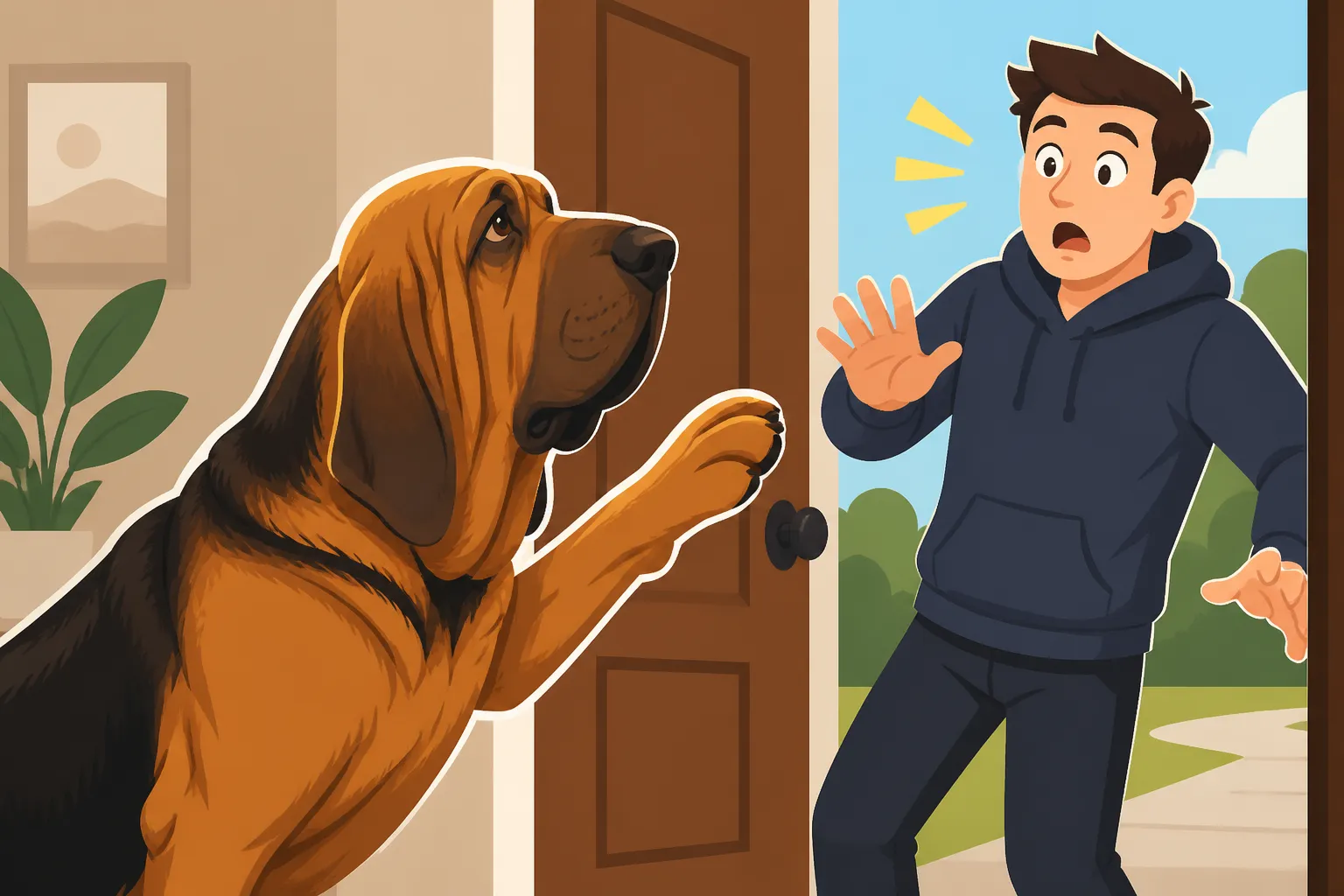
The moment a knock or doorbell rings, many Bloodhound owners feel a familiar surge of apprehension. This magnificent, powerful dog, with its deep bay and formidable size, can be quite an imposing figure to an unsuspecting visitor. You want your Bloodhound to be friendly and welcoming, but you also worry about their sheer enthusiasm or their startling vocalizations. This guide will walk you through what to realistically expect when your Bloodhound greets a stranger at the door and how to manage these interactions for everyone's comfort and safety.
Understanding the Bloodhound's Nature: Not Your Typical Guard Dog
It's easy to look at a Bloodhound's imposing size, deep voice, and often serious expression and assume they are natural guard dogs. Many people see their substantial jowls and wrinkled brow and imagine a fierce protector standing ready. However, the Bloodhound's true nature, and the purpose for which they were selectively bred for centuries, is far from that of a guardian. They are scent hounds through and through, driven by an unparalleled sense of smell rather than a territorial instinct to ward off intruders.
The Gentle Giant's Temperament
Despite their considerable heft and powerful build, Bloodhounds are, by and large, gentle giants. They possess a remarkably mellow, even somewhat sensitive temperament that often surprises those unfamiliar with the breed. Their primary drive isn't protection; it's to follow a trail. This means that while they might be alert to new scents and sounds, their instinct is usually to investigate with their nose, not to confront or threaten. They are generally known for their placid demeanor, their tolerance, and their affectionate nature with their own families. When a stranger approaches, a Bloodhound's reaction is more likely to stem from curiosity, a desire to investigate, or pure unadulterated excitement rather than aggression. They tend to be quite social, often displaying a "love everyone" attitude, which can be both charming and a bit overwhelming due to their sheer physical presence. For a broader comparison, you might find it interesting to read about The Bloodhound Against the Other Scenthounds.
The Bloodhound's Sensory World
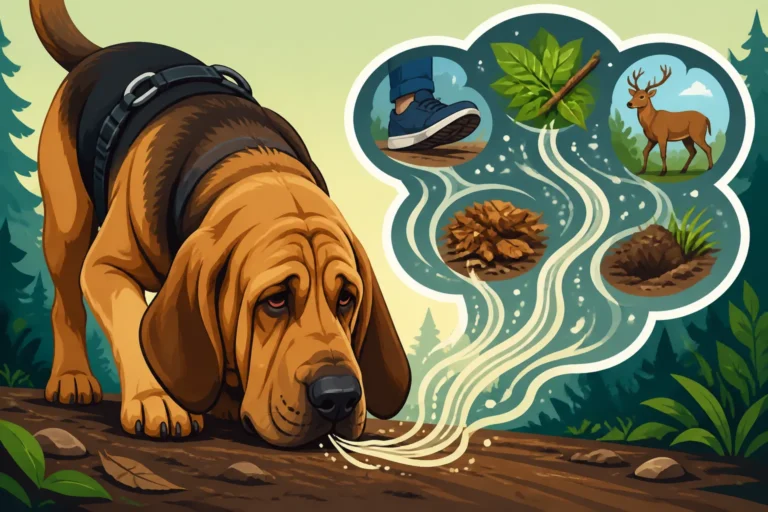
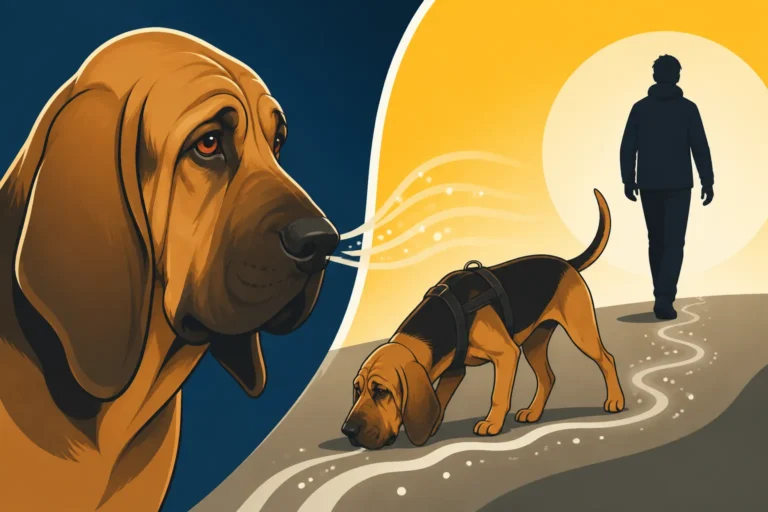
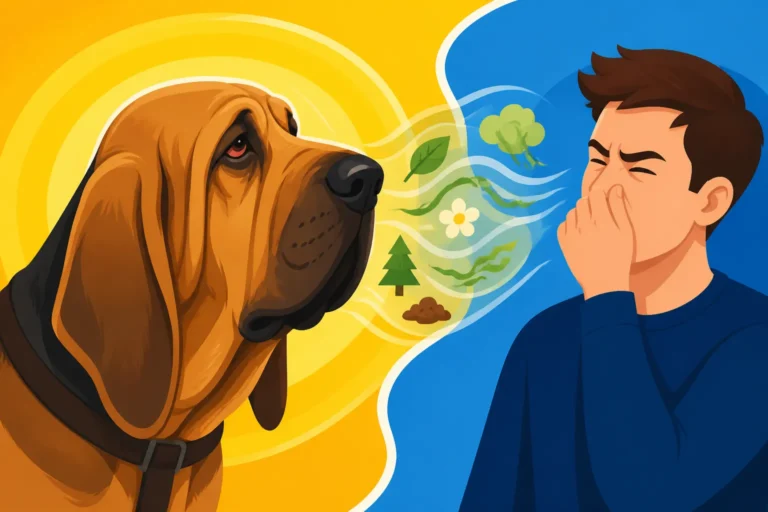
To truly understand how a Bloodhound greets a stranger, you must first understand how a Bloodhound perceives the world. Their nose is not just part of them; it is their world. With an estimated hundreds of millions of scent receptors, far exceeding other breeds, a Bloodhound experiences an incredibly rich, detailed tapestry of odors that humans can barely fathom. When a person arrives at your door, your Bloodhound isn't primarily processing their visual appearance or their body language in the same way a visually-oriented dog might. Instead, they are immediately overwhelmed by a cascade of new and exciting scents: the individual's unique human odor, the trace elements of where they've been, what they've eaten, even their emotional state.
This sensory overload shapes their greeting. Their goal is to gather as much scent information as possible. This often manifests as intense, persistent sniffing, sometimes to the point of seeming oblivious to personal space. They aren't trying to be rude; they're simply "reading" the new person in the most profound way they know how. This highly specialized nose, which gives them such incredible tracking abilities, means their initial interaction with a stranger is less about sizing them up visually and more about processing a complex olfactory profile. For more on this incredible ability, check out How Many Scent Receptors a Bloodhound Has.
Common Bloodhound Greetings: What to Expect
When that doorbell chimes, or there's a knock, get ready for a typical Bloodhound welcome. It's usually a combination of intense sensory investigation and a whole lot of enthusiastic communication. Understanding these common behaviors can help you prepare your guests and manage the interaction smoothly.
The Enthusiastic Sniffer
This is perhaps the most iconic Bloodhound greeting. When a stranger enters their space, your Bloodhound's powerful nose immediately takes over. They will approach, often with their head low, snuffling intently at the person's legs, shoes, and even their hands or bags. It's not uncommon for them to push their head right into a person's crotch or backside – a mortifying experience for some owners, but perfectly normal for a Bloodhound gathering scent. Their long, pendulous ears and abundant loose skin, especially around their face and neck, are actually designed to help them funnel and trap scent molecules, enhancing their already incredible sense of smell. So, as they sniff, those jowls and ears are inadvertently sweeping up even more olfactory data.
This intense sniffing is curiosity, not aggression. They are processing a vast amount of information. To them, this is how you get to know someone. It's crucial to explain this to guests, so they don't misinterpret the dog's deep dives and lack of personal space as rudeness or a precursor to nipping. Often, the Bloodhound will ignore direct eye contact in favor of their nose work. The challenge for owners is to manage this intense investigation so it doesn't become overwhelming or perceived as intrusive by the guest.
The "Baying Hello"
The Bloodhound's bay is legendary, and it's almost certainly part of their greeting ritual. That deep, resonant howl, often described as mournful or booming, can be incredibly startling for someone who isn't expecting it. Your Bloodhound might start baying the moment they hear the knock, or it might erupt as the stranger steps through the threshold. It's their way of announcing, "Someone's here! Look! Look! A new person! This is exciting!"
This bay is usually an expression of excitement, anticipation, or simply a declaration. It's their natural voice, and for them, it's akin to a human excitedly shouting "Hello!" or "Welcome!" It's rarely a sign of aggression. While it can sound quite intimidating, especially in a contained space, it's typically just a very loud form of communication. Trying to "train out" a Bloodhound's bay is like trying to teach a bird not to sing; it's deeply ingrained. Instead, the focus should be on managing when and how they bay, and educating your guests. For a deeper dive into this unique vocalization, check out Why a Bloodhound Bays and understand How Loud a Bloodhound's Bay Is.
The Lean and the Love Nudge
Bloodhounds are physically affectionate dogs, and their greetings often involve their entire body. Once the initial sniffing and baying subside (or sometimes, concurrently!), many Bloodhounds will transition to the "lean." This involves pressing their considerable weight against a person's legs, often leaning their entire body into the guest. It's usually a sign of seeking comfort, connection, or an invitation for pets. Given their average weight, which can easily exceed 100 pounds, this lean can feel less like a gentle request and more like a significant shove to an unprepared individual.
Coupled with the lean is often the "love nudge." This might be their big, jowly head pushing into your hand or arm, or even a more insistent bump with their nose or shoulder. They are physically asking for attention and affection. While endearing to those who know and love Bloodhounds, it can easily knock a smaller person off balance or make a hesitant guest feel overwhelmed. It's a behavior rooted in their desire for contact and often demonstrates their gentle, seeking nature, but its impact is amplified by their sheer size. Owners should be mindful of these physical overtures, particularly around children, as even an accidental bump can be significant. Understanding How a Bloodhound Behaves Around a Toddler can offer valuable insights into managing these interactions safely.
Managing the Doorway Dynamic
The key to harmonious greetings with a Bloodhound isn't to suppress their natural instincts, but to manage the environment and guide their behavior. With a large, powerful dog, proactive training and clear communication with your guests are absolutely essential.
Proactive Management and Training
Starting early with a Bloodhound puppy is always ideal for setting good habits, but even adult Bloodhounds can learn new routines. The goal isn't to stop them from being a Bloodhound, but to teach them polite ways to express their excitement and curiosity.
- "Place" or "Mat" Training: This is a game-changer. Teach your Bloodhound to go to a designated "place" (like a dog bed or mat) and stay there calmly until released. Practice this extensively with varying levels of distraction. When the doorbell rings, direct them to their place before you open the door. This allows you to control the initial surge of excitement and gives your guest a chance to enter without being immediately mobbed. You can find excellent resources for this kind of positive reinforcement training through programs like BAXTER & Bella.
- Leash Control: Especially for younger or more excitable Bloodhounds, keeping them on a leash when you know guests are arriving can provide critical control. You can keep them at a distance, allowing them to observe and calm down before a more direct introduction. This also helps prevent door-dashing, which is a common Bloodhound escape tactic driven by their desire to explore scents.
- Boundary Training: While not always foolproof with a scent-driven hound, teaching them not to rush the door or to stay behind an invisible boundary can be helpful. Physical barriers, like baby gates or strategically placed furniture (easily found on Amazon), can also be invaluable in controlling their access to the front door area during initial greetings.
- Impulse Control: Games that teach impulse control, like "leave it" or waiting for a treat, can build a foundation for better behavior at the door. How Long a Bloodhound Takes to Learn Something New might give you an idea of the patience required.
Setting Up Success for Guests
Your guests are just as much a part of the greeting dynamic as your Bloodhound. A little preparation and communication on your part can make a huge difference in how the interaction goes.
- Briefing Your Guests: Before they even arrive, tell your friends and family what to expect. Explain that your Bloodhound is friendly but large and very scent-driven. Ask them to avoid rushing, loud noises, or sudden movements. Suggest that they let the Bloodhound approach them, rather than bending down immediately. Often, simply standing still and allowing the dog to sniff extensively is the best initial approach.
- The Calm Hand: Advise guests to offer a calm hand (palm down, fingers curled) for the Bloodhound to sniff, rather than immediately going for the head. This allows the dog to initiate contact and further gather scent in a non-threatening way.
- Managing Physicality: If your Bloodhound is a leaner, warn your guests. You might even demonstrate how to gently redirect the lean (e.g., by stepping into it gently or moving slightly). For those unfamiliar with large, physically demonstrative dogs, it can be quite alarming.
- Supervised Interactions: Always supervise initial interactions closely. Never leave a Bloodhound unsupervised with a new guest, especially if the guest is nervous or unfamiliar with large dogs. This is particularly crucial if you have children visiting; consider Whether a Bloodhound Suits a Family With Toddlers when planning your social interactions.
Addressing Over-Excitement
Bloodhounds can be incredibly enthusiastic, and sometimes that enthusiasm needs to be gently reined in. Over-excitement can lead to jumping, excessive baying, or even accidental bumps that can be upsetting.
- Stay Calm: Your energy directly impacts your dog's energy. If you get agitated or yell, your Bloodhound is likely to become more excited or anxious. Speak in a calm, low voice.
- Ignore Unwanted Behavior: If your Bloodhound is jumping, turn your back and completely ignore them. Only reward them with attention when all four paws are on the floor. This applies to guests too; ask them to ignore jumping until the dog calms.
- Positive Reinforcement: When your Bloodhound offers a polite behavior (like sitting or staying on their place), reward them immediately with a calm "good dog," a treat, or a gentle pet.
- Redirection: Redirect their energy. If they are overly excited, try engaging them in a brief, calm training exercise they know, or give them a puzzle toy.
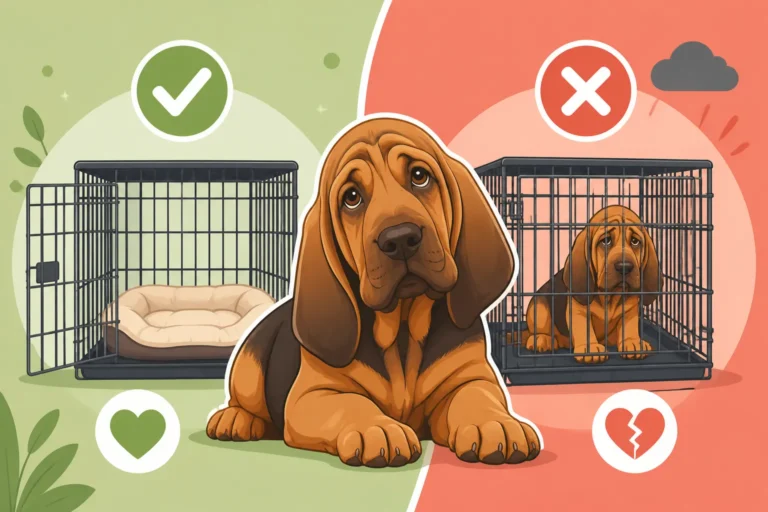
- Time Outs: Sometimes, if a Bloodhound is simply too overstimulated to calm down, a brief, calm time-out in their crate or a quiet room can help them decompress. The last thing you want to do is respond with a harsh tone, which Bloodhounds often respond poorly to; consider How a Bloodhound Responds to a Raised Voice to understand their sensitivity.
When a Bloodhound's Greeting Differs
While Bloodhounds are generally good-natured, not every dog is the same, and sometimes their greeting behavior might signal something more than just typical Bloodhound exuberance. It's crucial to be able to distinguish between normal breed traits and signs of discomfort or concern.
Signs of Anxiety or Fear
Sometimes, a Bloodhound's unusual greeting isn't due to over-excitement, but anxiety or fear. This can be more subtle than outward aggression, but it's important to recognize. Look for:
- Body Language: A tucked tail, ears pulled back flat against the head, lip licking, yawning (when not tired), turning their head away, or avoiding eye contact.
- Attempting to Flee: Retreating behind you, trying to hide, or actively moving away from the guest.
- Submissive Urination: Though less common, extreme fear can sometimes lead to a small puddle.
- Low Growls: A very soft, often barely audible growl, especially if accompanied by other fearful body language, can indicate they are uncomfortable and trying to warn the stranger away.
If you observe these signs, your immediate action should be to create space and not force interaction. Do not push your Bloodhound to "make friends" if they are clearly uncomfortable. Gently guide them to a quiet space, or put them in their crate, allowing them to observe the guest from a safe distance until they feel more secure. Over-socialization or poor early experiences can contribute to anxiety around strangers, so ensuring positive experiences from puppyhood is key. Understanding a dog's general social comfort, such as Whether a Bloodhound Gets On With Other Dogs, can provide context for their interactions with people. If your Bloodhound is frequently displaying anxiety with strangers, it's worth considering professional help.
Rare Aggression and When to Seek Help
True aggression in Bloodhounds is rare, given their temperament, but no dog is entirely without the capacity for it. It's important to differentiate between an excited bay or an accidental bump and genuine aggressive displays. Signs of aggression might include:
- Stiff Body Language: A rigid posture, head held high, direct hard stare.
- Raised Hackles: Hair standing up along their spine.
- Snapping or Biting: Lunging, baring teeth, growling, or attempts to bite.
- Resource Guarding: If they growl or snap when a stranger approaches their food bowl, toys, or even you.
If your Bloodhound exhibits any of these behaviors consistently towards strangers, it is a serious concern that requires immediate professional intervention. This is not something to try and "train out" on your own. Consult with a certified professional dog trainer or a veterinary behaviorist. They can help identify the root cause of the aggression (which can range from fear to pain to past trauma) and develop a safe and effective modification plan. Never use punitive or harsh methods when dealing with aggression, as this can escalate the problem and erode your dog's trust. Understanding the potential harm, you might want to look into Why a Prong Collar Is Wrong for a Bloodhound as well. Safety for both your dog and your guests is paramount.
When dealing with a Bloodhound's unique way of saying hello, remember that consistency, patience, and understanding their scent-driven world are your best tools. With the right approach, your Bloodhound can be a delightful, albeit occasionally overwhelming, greeter.
| Behavior | Typical Bloodhound Greeting | Potential Concern / Anxiety | True Aggression (Rare) |
|---|---|---|---|
| Vocalization | Enthusiastic, deep bay | Low growl, whines | Loud, sustained growl, snarl |
| Body Posture | Leaning, wiggly, sniffing low | Tucked tail, ears back, cowering, retreating | Stiff, rigid, hackles raised, direct stare |
| Eye Contact | Often avoids (nose-focused) | Averted, darting eyes | Hard, prolonged stare |
| Physical Contact | Intense sniffing, nudging, leaning | Avoids, tries to hide | Lunging, snapping, biting |
| Tail Wag | Loose, full body wag | Low, stiff wag, or tucked | Stiff, high, rapid wag or still |
| Scenting | Persistent, deep sniffing | May avoid sniffing | Not typically primary, focus on threat |
Disclaimer
This article is for general informational purposes only and does not constitute professional advice. Laws, prices and regulations vary by location and change over time. Consult a qualified professional for guidance on your specific situation.