Whether a Bloodhound Whines Constantly
It's a common and often incredibly frustrating experience: you've got a beautiful, soulful Bloodhound, known for its incredible nose and gentle disposition, but it just won't stop whining. Many owners wonder if this constant vocalization is simply part of owning such a unique breed, or if it's a sign that something is amiss. This guide will delve into the various reasons behind Bloodhound whining, help you distinguish between normal communication and problematic behavior, and offer practical strategies to bring some quiet back into your home.
The Bloodhound's Vocal Nature: More Than Just a Bay
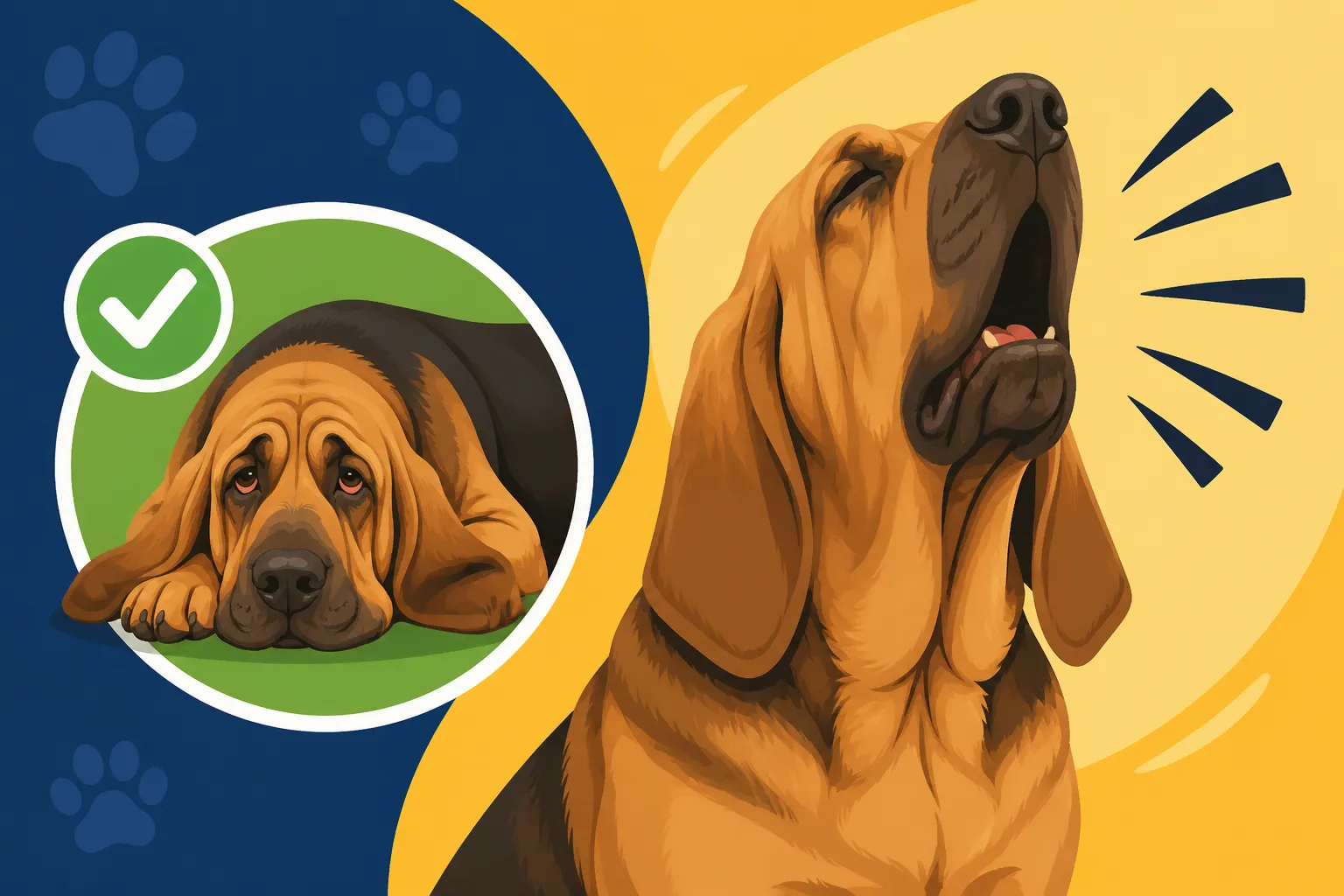
Bloodhounds are, by nature, a vocal breed. While their iconic, deep "bay" is what often comes to mind, they have a whole spectrum of sounds they use to communicate. Whining is a significant part of that repertoire, and understanding its roots is the first step toward managing it. These dogs were bred to trail for hours, often alone, and their voices were their way of alerting handlers to their progress or discoveries. While today's Bloodhound might not be trailing a lost person through the woods every day, that innate drive to communicate vocally remains strong.
Understanding Their Communication Style
Think of your Bloodhound's whine as a question, a plea, or an announcement. Unlike some breeds that might use a sharp bark to get attention, many Bloodhounds opt for a more drawn-out, insistent whine. It's often their way of saying, "Hey, I need something!" or "I'm not happy about this!" Because they are so deeply sensitive and intelligent, they quickly learn that a whine often gets a reaction from their humans. If a soft whine results in a pet, a look, or even a stern "quiet," they've achieved their goal of eliciting a response. This means that, inadvertently, we can sometimes reinforce the very behavior we wish to stop.
Common Reasons for Whining in Bloodhounds
There's a wide range of situations that can trigger a Bloodhound to whine. Pinpointing the exact cause is crucial for effective management.
- Attention-Seeking: This is perhaps the most common reason. A Bloodhound that feels ignored, wants to play, or simply desires a head scratch will often resort to whining. They are social creatures, and they thrive on interaction with their family. If you're on the phone, watching TV, or simply busy, that mournful sound might start up, escalating in intensity until you look their way.
- Excitement or Frustration: Ever notice your Bloodhound whining when you grab the leash or open the treat jar? That's excitement. They're anticipating something good and can't quite contain themselves. Conversely, frustration, like being behind a baby gate when they want to be with you, can also lead to whining. They want what they can't have, and they're letting you know about it.
- Needs and Wants: Hunger, thirst, or needing to go outside are classic reasons. A Bloodhound on a regular feeding schedule might start whining a good half-hour before dinner time, especially if they see you heading towards the kitchen. Similarly, if they need a potty break, their whine can be a very effective alarm. How Many Meals a Day a Bloodhound Should Eat is a great resource to ensure their feeding routine is on point, which can help mitigate hunger-related whining.
- Discomfort or Pain: This is a more serious cause and one that always warrants investigation. If your Bloodhound is whining more than usual, seems restless, or is reluctant to move, they could be experiencing pain. This might be anything from a minor tummy ache to something more serious like joint pain, especially as they get older. Keep an eye out for other symptoms like limping, changes in appetite, or reluctance to be touched.
- Anxiety or Fear: Bloodhounds are generally steady dogs, but they can experience anxiety. Separation anxiety, fear of loud noises (like thunderstorms or fireworks), or changes in routine can all manifest as whining. If your Bloodhound whines specifically when you leave the house or seems distressed by certain sounds, anxiety is a strong possibility. Whether an Anxious Bloodhound Bloats More touches on the stress response, which can also include increased vocalization.
Is It Just a "Bloodhound Thing" or a Problem?
It’s easy to dismiss persistent whining as "just how Bloodhounds are," but there’s a fine line between normal breed vocalizations and behavior that indicates a deeper issue or is simply disruptive to your household. Learning to discern the difference is key.
Normal vs. Excessive Whining
A certain amount of whining is, indeed, normal for a Bloodhound. A short, soft whine when they want a treat, a happy little grumble when you scratch their favorite spot, or an excited squeak when a beloved family member comes home – these are all perfectly typical forms of communication. They’re usually brief, context-specific, and stop once their need is met or the exciting moment passes.
However, whining becomes excessive when it’s constant, lasts for long periods, seems unrelated to an immediate, obvious need, or is disrupting your daily life or your neighbors'. If your Bloodhound is whining for hours when left alone, whining persistently even after their needs (food, water, potty, exercise) have been met, or if the whining is accompanied by destructive behavior, pacing, or excessive drooling, then it’s likely moved beyond normal Bloodhound expressiveness. This kind of excessive vocalization can indicate boredom, frustration, or underlying anxiety.
Identifying the Underlying Cause
To effectively address excessive whining, you need to play detective. Observation is your best tool. Keep a journal for a few days, noting:
- When does the whining start? (e.g., when you pick up your keys, when a specific person enters the room, after a meal, at night)
- How long does it last?
- What happens right before the whining?
- What do you do when the whining starts? (e.g., pet them, tell them to be quiet, ignore them)
- What stops the whining? (e.g., you give them attention, they get a treat, they go outside)
- Are there any other symptoms? (e.g., limping, scratching, pacing, loss of appetite, changes in elimination habits)
For instance, if your Bloodhound starts whining intensely every time you prepare to leave the house, and it continues after you're gone (verified by a camera), you're likely dealing with separation anxiety. On the other hand, if they whine only when you're on your phone and stop immediately when you give them attention, it's a clear case of attention-seeking. If you notice a change in their energy levels or a reluctance to move combined with whining, it's time to consider a physical issue. Signs a Bloodhound's Heart Is Failing or Signs a Bloodhound's Ear Is Infected are examples of medical conditions that could cause subtle discomfort leading to vocalizations. A careful examination of your dog's behavior patterns will reveal a lot.
Practical Strategies for Quieting Your Vocal Hound
Once you have a better idea of why your Bloodhound is whining, you can start implementing targeted strategies. Consistency is absolutely paramount here – Bloodhounds are smart and pick up on patterns quickly, both good and bad.
Addressing Basic Needs and Routine
Before you tackle any behavioral modification, make sure all your Bloodhound's basic needs are met. This might sound obvious, but an under-exercised, hungry, or bored Bloodhound is far more likely to whine.
- Sufficient Exercise: Bloodhounds need more than just a quick trot around the block. They need opportunities to use their noses and stretch their legs. A good, long walk, preferably with plenty of sniffing opportunities, can do wonders. Many owners find that incorporating activities like Mantrailing Is the Answer to a Bloodhound, Not Obedience or simply long-line walks where they can follow scents are incredibly fulfilling. Physical exertion, especially coupled with mental stimulation, can lead to a much calmer, quieter dog. Consider a durable long line from a trusted retailer like Amazon for these sniffing expeditions.
- Proper Nutrition and Feeding Schedule: Ensure your Bloodhound is getting enough high-quality food appropriate for their age and activity level. Stick to a consistent feeding schedule. Sometimes, simply splitting their daily food into two or three smaller meals can help prevent hunger pangs and associated whining. Feeding a Bloodhound So It Does Not Bloat also emphasizes the importance of proper meal management.
- Potty Breaks: Young Bloodhounds and seniors might need more frequent potty breaks. If you're out for extended periods, consider hiring a dog walker or asking a neighbor to let them out.
Managing Attention-Seeking Whining
This is often the hardest type of whining to address because it requires you, the owner, to change your reaction.
- Ignore the Whine, Reward the Quiet: The golden rule for attention-seeking behavior. As difficult as it is, you must completely ignore your Bloodhound when they are whining for attention. This means no eye contact, no talking, no touching. The moment they are quiet, even for a second, immediately give them the attention they craved (a pet, a calm praise). This teaches them that silence, not whining, gets them what they want. Be prepared for an "extinction burst" – things might get worse before they get better, as your dog tries harder to get a reaction.
- Proactive Attention: Don't wait for your Bloodhound to whine. Instead, proactively engage with them throughout the day. Offer a puzzle toy, initiate a calm petting session, or a short play session. This helps them feel connected and reduces their need to demand attention.
- Teach an "Incompatible" Behavior: Teach your Bloodhound to go to their mat or bed and settle quietly. Reward heavily when they are there calmly. Then, when the whining starts, calmly cue them to their mat.
Enrichment and Exercise to Reduce Boredom
A bored Bloodhound is a vocal Bloodhound. Their incredible noses and intelligent minds need an outlet.
- Scent Work and Puzzle Toys: This breed lives to use its nose. Investing in a variety of puzzle toys or snuffle mats can keep their minds engaged. You can also hide treats around the house for them to find. This kind of mental stimulation is often more tiring than physical exercise alone. Companies like BAXTER & Bella often have excellent resources and ideas for mental enrichment games that you can easily do at home.
- Chews: High-quality, long-lasting chews can keep a Bloodhound occupied for a good chunk of time, redirecting their energy away from whining.
- Rotate Toys: Keep a selection of toys and rotate them every few days to maintain novelty and interest.
| Whining Trigger | Possible Reason | Management Strategy | Internal Link Suggestion |
|---|---|---|---|
| Before Meals | Hunger, anticipation | Stick to routine, split meals, use slow feeder | Feeding a Bloodhound So It Does Not Bloat |
| When You Leave | Separation anxiety, boredom | Gradual departures, provide enrichment, consider pro help | Whether a Bloodhound Copes Alone |
| For Attention | Seeking interaction | Ignore whine, reward quiet, proactive attention | Why a Bloodhound Ignores a Cue It Knows |
| During Walks/New Places | Excitement, overstimulation | Structured walks, focus exercises, familiar routes | Walking a Bloodhound That Has Found a Scent |
| At Night | Needing potty, anxiety, discomfort, boredom | Late potty break, comforting routine, rule out medical | Whether a Bloodhound Can Bloat Overnight |
| General Restlessness | Boredom, under-exercised, pain | Increase mental & physical exercise, vet check | How Much Exercise a Bloodhound Actually Needs |
When to Call in the Cavalry: Professional Help
Sometimes, despite your best efforts, the whining persists or is accompanied by other concerning behaviors. This is when it's time to bring in the professionals.
Consulting Your Veterinarian
Your first stop for any persistent or unexplained change in behavior should always be your veterinarian. Whining can be a subtle sign of pain, discomfort, or an underlying medical condition.
- Rule Out Medical Issues: A thorough physical exam can identify issues like dental pain, ear infections (A Bloodhound's Ears Are a Standing Infection Risk), joint discomfort (common in large breeds like Hip and Elbow Dysplasia in the Bloodhound), or even less obvious conditions like hypothyroidism or early-stage heart disease. Even subtle discomfort can lead a dog to whine more. It's much harder to address a behavioral problem if pain is contributing to it. Don't hesitate to describe all symptoms, even seemingly unrelated ones, to your vet.
- Medication for Anxiety: If your vet diagnoses a severe anxiety disorder, they might recommend medication in conjunction with behavioral modification. This isn't a cure-all but can help lower your Bloodhound's overall anxiety levels, making them more receptive to training.
Working with a Certified Dog Trainer or Behaviorist
For complex behavioral issues, especially those related to anxiety or deeply ingrained habits, a qualified professional can be invaluable.
- Customized Training Plans: A certified professional dog trainer or veterinary behaviorist can assess your Bloodhound's specific situation, identify triggers, and develop a tailored training plan. They can teach you positive reinforcement techniques to modify behavior and provide strategies for managing challenging situations. Look for trainers who use force-free, positive reinforcement methods, as harsh corrections can damage your Bloodhound's sensitive nature and worsen anxiety.
- Addressing Separation Anxiety: If separation anxiety is the root cause of the whining, a behaviorist can guide you through desensitization and counter-conditioning protocols. This often involves very gradual increases in the time your Bloodhound is left alone, paired with positive associations. Many online platforms, like BAXTER & Bella, offer comprehensive courses that, while not a substitute for a local professional, can provide structured guidance for owners willing to put in the work.
- Consistency and Follow-Through: A professional can provide ongoing support and help you troubleshoot as you implement the plan. Remember, training takes time and patience, especially with a breed as unique as the Bloodhound.
While Bloodhounds certainly have a voice, constant, insistent whining doesn't have to be the norm. By understanding the reasons behind their vocalizations, meeting their needs, consistently applying positive training techniques, and seeking professional help when needed, you can help your Bloodhound communicate more effectively and bring a greater sense of peace to your home.
Disclaimer
This article is for general informational purposes only and does not constitute professional advice. Laws, prices and regulations vary by location and change over time. Consult a qualified professional for guidance on your specific situation.